
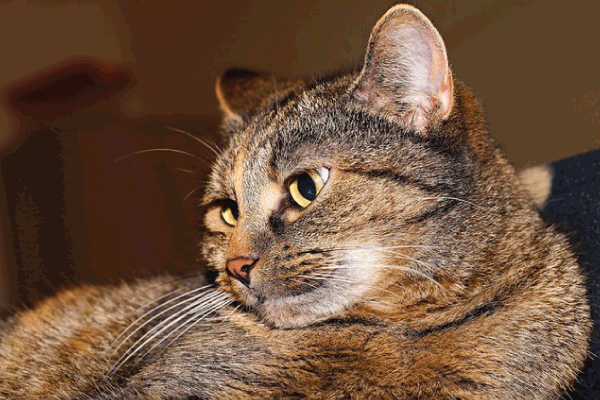
The domestic cat, Felis catus, is a marvel of evolutionary engineering, endowed with senses that underpin its prowess as a predator and its adaptability as a companion. Among these senses, hearing stands out as exceptionally refined, enabling cats to detect the faintest rustle of prey, communicate complex social cues, and maintain an uncanny sense of balance. At the heart of this auditory and vestibular mastery lies the intricate structure of the feline ear. Far more than simple flaps on the side of the head, a cat’s ears are a sophisticated biological instrument, a testament to millions of years of natural selection. This extensive guide will delve into the profound complexity of the cat’s ear, exploring its anatomy, structure, and functions across its external, middle, and inner components, alongside the neurological pathways and physiological adaptations that make it so extraordinary.
Introduction: The Multifaceted World of Feline Ears
A cat’s ears are critical sensory organs, serving two primary functions: hearing (audition) and balance (equilibrioception). Their impressive mobility and sensitivity allow cats to pinpoint sound sources with remarkable precision, a skill vital for hunting and navigating their environment. Beyond sensory input, the ears also play a significant role in feline communication, acting as visual indicators of a cat’s mood, intentions, and overall well-being. From the tip of the swiveling pinna to the microscopic hair cells deep within the inner ear, every component is exquisitely designed to contribute to the cat’s survival and success. Understanding these structures offers profound insights into feline behavior, health, and their unique place in the animal kingdom.
I. The External Ear (Pinna/Auricle): The Sound Collector and Communicator
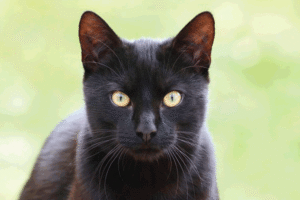
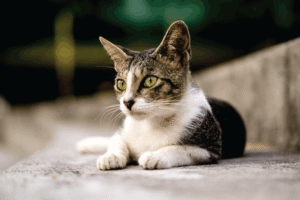
The external ear, primarily composed of the pinna (or auricle), is the visible part of the ear that most people recognize. Its design is a masterpiece of form meeting function, engineered for optimal sound collection and manipulation.
1. Structure of the Pinna: The pinna is a funnel-shaped structure, primarily composed of a flexible yet resilient elastic cartilage, which gives the ear its characteristic shape and allows for extensive movement. This cartilage is unique in its ability to return to its original form after being bent. The entire structure is covered by thin, sensitive skin, richly supplied with nerves and blood vessels, and adorned with fur. The fur serves multiple purposes: insulation against temperature changes, protection against foreign objects, and baffling sound slightly to aid in localization.
A distinctive feature frequently found on the outer, lower edge of the pinna is the marginal cutaneous pouch, often referred to as “Henry’s pocket.” While its exact function is still debated, theories suggest it might aid in sound localization by modifying how high-frequency sounds enter the ear, especially during complex pinna movements. It could also play a role in reducing echoes or serve as a flexible pocket during ear flattening.
2. Musculature and Mobility: What truly sets the feline pinna apart is its extraordinary mobility. A cat possesses an impressive array of over 32 individual muscles dedicated solely to controlling the movement of each ear. These muscles can be broadly categorized into:
- Extrinsic muscles: These connect the pinna to the skull and neck, allowing for large-scale movements such as swiveling, rotating, and flattening. They enable a cat to rotate each ear independently by up to 180 degrees.
- Intrinsic muscles: These smaller muscles are embedded within the pinna itself, responsible for fine-tuning the shape and position of the ear flap.
This remarkable muscular control allows the cat to:
- Swivel each ear independently: Like miniature radar dishes, the ears can scan the environment in different directions simultaneously, detecting subtle sounds from various angles.
- Rotate and orient: The funnel shape can be precisely oriented towards a sound source, significantly enhancing sound collection and localization.
- Flatten: Ears can be flattened against the head for protection during fights, or as a strong indicator of fear or aggression.
3. Functions of the External Ear: The pinna’s structure and mobility contribute to several critical functions:
- Sound Collection and Amplification: The funnel shape acts as an acoustic antenna, gathering sound waves from the environment and directing them into the auditory canal. The geometry of the pinna can also slightly amplify certain frequencies.
- Sound Localization: This is arguably the most sophisticated function. By independently swiveling their ears, cats can quickly compare the intensity and phase differences of sounds reaching each ear. The subtle time delay (interaural time difference) and loudness difference (interaural intensity difference) between a sound arriving at one ear versus the other provide the brain with crucial information to pinpoint the sound’s origin in both horizontal and vertical planes. This auditory triangulation is far more precise than in many other mammals, enabling cats to locate prey even in complete darkness up to three feet away.
- Communication and Body Language: The position of a cat’s ears is a vital part of its non-verbal communication repertoire.
- Forward and relaxed: Indicates curiosity, alertness, or friendliness.
- Swiveling: Actively listening and scanning the environment.
- Flattened (airplane ears): A sign of fear, anxiety, aggression, or a defensive posture, often preceding a strike.
- Backward and slightly flattened: Indicates irritation, annoyance, or a mild warning.
- Pivoting independently: Often seen during hunting, indicating intense focus and pinpointing prey.
- Twitching: Can indicate slight irritation or heightened awareness.
- Protection: The fur and shape help protect the sensitive inner structures from foreign objects, dust, and insects.
- Thermoregulation (Minor Role): While not as prominent as in animals like Fennec foxes, the extensive capillary network in the pinna may contribute to minor heat dissipation, especially in hot environments.
II. The Middle Ear: The Amplifier and Impedance Matcher
The middle ear is a small, air-filled cavity housed within the temporal bone of the skull. It serves as a crucial bridge between the external ear’s air-borne sound waves and the fluid-filled inner ear, performing vital functions of sound amplification and impedance matching.
1. Structure of the Middle Ear:
- Tympanic Membrane (Eardrum): This thin, oval-shaped membrane separates the external ear canal from the middle ear cavity. It is composed of three layers: an outer epithelial layer (continuous with the skin of the ear canal), a middle fibrous layer (containing collagen and elastic fibers that give it tension and allow vibration), and an inner mucosal layer (continuous with the middle ear lining). When sound waves strike the tympanic membrane, it vibrates in response.
- Auditory Ossicles: A chain of three tiny bones, the smallest in the body, forms a lever system across the middle ear cavity. These ossicles are:
- Malleus (Hammer): Attached directly to the inner surface of the tympanic membrane. Its “handle” (manubrium) is embedded in the eardrum, and its “head” articulates with the incus.
- Incus (Anvil): Connects the malleus to the stapes.
- Stapes (Stirrup): The smallest ossicle, whose footplate fits into the oval window, an opening to the inner ear.
- Tympanic Bulla: Cats possess a uniquely large and prominent bony structure enclosing the middle ear, known as the tympanic bulla. This bulla is noticeably larger and more completely ossified than in many other carnivores, including dogs. It is often divided into two compartments by a bony septum, a feature that may enhance sound resonance and protection. The large bulla contributes significantly to a cat’s exceptional hearing sensitivity, particularly in the higher frequency ranges. Its prominent nature also makes it a clinically significant anatomical landmark.
- Oval Window and Round Window: These are two small openings in the bony wall separating the middle ear from the inner ear. The stapes footplate fits into the oval window, transmitting vibrations to the inner ear fluid. The round window, covered by a secondary tympanic membrane, acts as a pressure relief valve for the fluid in the inner ear.
- Eustachian Tube (Auditory Tube): This narrow tube connects the middle ear cavity to the nasopharynx (the back of the throat). It is typically closed but opens during swallowing, yawning, or chewing.
2. Functions of the Middle Ear:
- Impedance Matching: The primary function of the middle ear and its ossicular chain is to overcome the impedance mismatch between air (external environment) and fluid (inner ear). Sound waves lose a significant amount of energy when moving from a less dense medium (air) to a more dense medium (fluid). The middle ear solves this problem through two mechanisms:
- Area ratio: The tympanic membrane has a much larger surface area than the oval window. By concentrating the force of vibrations from the large eardrum onto the much smaller oval window, the pressure exerted on the inner ear fluid is significantly increased.
- Leverage ratio: The ossicular chain acts as a mechanical lever system, amplifying the force of the vibrations (though slightly reducing their displacement).
- Together, these mechanisms achieve an amplification factor of approximately 20-30 times, ensuring that sufficient energy is transmitted to the inner ear for effective hearing.
- Sound Amplification: Through the impedance matching process, the middle ear effectively amplifies the mechanical vibrations, making sounds audible that would otherwise be lost.
- Pressure Equalization: The Eustachian tube equalizes the air pressure between the middle ear cavity and the external atmospheric pressure. This is crucial for the tympanic membrane to vibrate freely and efficiently. Without proper equalization, pressure differences can cause discomfort, reduced hearing, or even damage.
- Protection (Acoustic Reflex): The middle ear also offers some protection against very loud sounds. Two small muscles, the tensor tympani (attached to the malleus) and the stapedius (attached to the stapes), can contract reflexively in response to loud noises. This contraction stiffens the ossicular chain, reducing the transmission of sound vibrations to the inner ear and protecting the delicate structures within.
III. The Inner Ear: The Transducer and Balancer
The inner ear is the most complex and deeply situated part of the ear, responsible for converting mechanical vibrations into electrical signals that the brain can interpret as sound, and for providing the brain with information about head position and movement, essential for balance. It is a intricate labyrinth of fluid-filled chambers and canals within the petrous part of the temporal bone.
The inner ear consists of two main components: the cochlea (for hearing) and the vestibular apparatus (for balance). Both are part of the broader bony labyrinth, which encases a smaller, similarly shaped membranous labyrinth. The space between the bony and membranous labyrinths is filled with perilymph (similar to cerebrospinal fluid), while the membranous labyrinth itself is filled with endolymph (unique in its high potassium and low sodium concentration, crucial for hair cell function).
1. The Cochlea (Hearing): The cochlea is a snail-shaped, spiral-coiled tube, approximately 9-10 mm long in cats, making about 2.5-2.75 turns. It is the sensory organ responsible for hearing.
- Structure of the Cochlea:
- Three Scala: The cochlea is internally divided into three fluid-filled compartments (scalae) running along its length:
- Scala Vestibuli: The upper compartment, beginning at the oval window, filled with perilymph.
- Scala Media (Cochlear Duct): The middle compartment, a membranous canal, filled with endolymph. This is where the sensory receptors for hearing are located.
- Scala Tympani: The lower compartment, ending at the round window, also filled with perilymph.
- Reissner’s Membrane (Vestibular Membrane): Separates the scala vestibuli from the scala media.
- Basilar Membrane: Separates the scala media from the scala tympani. This membrane is crucial for sound frequency differentiation, as different regions vibrate optimally at different frequencies.
- Organ of Corti: This is the actual sensory organ of hearing, resting on the basilar membrane within the scala media. It contains thousands of specialized sensory receptor cells called hair cells.
- Inner Hair Cells: Arranged in a single row, these are the primary transducers of sound, responsible for transmitting auditory information to the brain. There are fewer inner hair cells but they are responsible for about 90-95% of the auditory nerve fibers.
- Outer Hair Cells: Arranged in three to five rows, these cells are fewer in number but play a critical role in actively amplifying soft sounds and tuning the cochlea to specific frequencies, enhancing the sensitivity and discriminative ability of the inner hair cells. They achieve this through active electromotility, changing their length in response to electrical potential changes.
- Stereocilia: Each hair cell possesses a bundle of stiff, hair-like projections called stereocilia at its apical surface. These stereocilia are mechanically linked and embedded in the tectorial membrane, a gelatinous shelf that overlies the Organ of Corti.
- Spiral Ganglion: The cell bodies of the auditory nerve fibers are located here, sending dendrites to synapse with the hair cells and axons forming the cochlear nerve.
- Three Scala: The cochlea is internally divided into three fluid-filled compartments (scalae) running along its length:
- Physiology of Hearing (Transduction of Sound):
- Sound waves cause the tympanic membrane to vibrate.
- These vibrations are transmitted and amplified by the auditory ossicles (malleus, incus, stapes).
- The stapes’ footplate pushes on the oval window, creating pressure waves in the perilymph of the scala vestibuli.
- These pressure waves travel through the perilymph, causing the basilar membrane to vibrate. The point of maximum vibration along the basilar membrane varies with the frequency of the sound (high frequencies near the oval window, low frequencies near the apex of the cochlea).
- The movement of the basilar membrane causes the stereocilia of the hair cells to bend against the tectorial membrane.
- This mechanical bending opens ion channels in the hair cells, leading to an influx of potassium ions (from the endolymph) and subsequent depolarization.
- Depolarization triggers the release of neurotransmitters from the hair cells, exciting the dendrites of the cochlear nerve (part of the vestibulocochlear nerve, CN VIII).
- These electrical signals are then transmitted along the auditory pathway to the brain for interpretation.
2. The Vestibular Apparatus (Balance): The vestibular apparatus is responsible for sensing head movements and maintaining balance and spatial orientation. It comprises two main components: the semicircular canals (dynamic equilibrium) and the vestibule (static equilibrium and linear acceleration).
- Structure of the Vestibular Apparatus:
- Semicircular Canals (Dynamic Equilibrium): There are three fluid-filled, interconnected loops oriented at right angles to each other in three different planes (anterior/superior, posterior, and lateral/horizontal). This arrangement allows them to detect head rotations in all three dimensions.
- Ampulla: At the base of each canal, there is a bulbous enlargement called an ampulla.
- Crista Ampullaris: Within each ampulla, there is a sensory receptor mound called the crista ampullaris.
- Hair Cells: The crista ampullaris contains mechanoreceptor hair cells whose stereocilia are embedded in a gelatinous, dome-shaped structure called the cupula.
- Function: When the head rotates, the endolymph inside the semicircular canal lags behind due to inertia, causing the endolymph to flow and deflect the cupula. This deflection bends the stereocilia of the hair cells, generating nerve impulses that signal angular acceleration (rotational movement) to the brain.
- Vestibule (Static Equilibrium and Linear Acceleration): This central chamber connects the cochlea to the semicircular canals and contains two sac-like structures:
- Utricle: Primarily sensitive to horizontal linear acceleration (e.g., forward and backward movement) and head tilt.
- Saccule: Primarily sensitive to vertical linear acceleration (e.g., up and down movement) and gravity.
- Macula: Within the wall of both the utricle and saccule, there is a sensory patch called the macula.
- Hair Cells: Each macula contains hair cells with stereocilia embedded in a gelatinous layer called the otolithic membrane.
- Otoliths (Ear Stones): Tiny calcium carbonate crystals, also known as otoconia, are embedded on top of the otolithic membrane, giving it inertia and weight.
- Function: When the head tilts or experiences linear acceleration, the heavier otolithic membrane (due to the otoliths) shifts, causing the stereocilia of the hair cells to bend. This bending generates nerve impulses that signal the brain about the head’s position relative to gravity (static equilibrium) and linear movements.
- Semicircular Canals (Dynamic Equilibrium): There are three fluid-filled, interconnected loops oriented at right angles to each other in three different planes (anterior/superior, posterior, and lateral/horizontal). This arrangement allows them to detect head rotations in all three dimensions.
3. Physiology of Balance: The information from the semicircular canals and the utricle/saccule is relayed via the vestibular nerve (the other part of CN VIII) to the brain. This input is then integrated with visual information (from the eyes) and proprioceptive information (from muscles and joints) to create a comprehensive sense of spatial orientation and balance. This integrated information allows cats to:
- Maintain posture and stability.
- Coordinate eye movements with head movements (vestibulo-ocular reflex).
- Perform their famous “righting reflex” – the ability to orient themselves mid-air to land on their feet, even when falling from an inverted position.
IV. Neurological Pathways: Sending Signals to the Brain
The complex sensory information gathered by the inner ear must be transmitted and processed by specific regions of the brain. This involves distinct auditory and vestibular pathways.
1. Auditory Pathway: The electrical signals generated by the hair cells in the cochlea are sent along the cochlear nerve (a branch of the vestibulocochlear nerve, CN VIII) to the brainstem.
- Cochlear Nuclei: The cochlear nerve fibers first synapse in the cochlear nuclei in the brainstem (dorsal and ventral). Here, the signals begin to be processed, extracting features like onset, duration, and intensity.
- Superior Olivary Complex: From the cochlear nuclei, signals project bilaterally to the superior olivary complex in the pons. This is a crucial relay for sound localization, as it compares input from both ears to determine interaural time and intensity differences.
- Lateral Lemniscus: Information then ascends through the lateral lemniscus, a major auditory pathway in the brainstem.
- Inferior Colliculus: All auditory pathways converge in the inferior colliculus in the midbrain. This region is involved in multisensory integration and plays a role in orienting reflexes to sound.
- Medial Geniculate Body (Thalamus): From the inferior colliculus, signals are relayed to the medial geniculate body in the thalamus, which acts as a crucial sensory relay station.
- Auditory Cortex: Finally, the signals are projected to the primary auditory cortex located in the temporal lobe of the cerebral cortex. Here, the complex features of sound (pitch, timbre, loudness, meaning) are perceived and interpreted. Cats have a highly developed auditory cortex, reflecting their superior hearing capabilities.
2. Vestibular Pathway: Information from the hair cells in the semicircular canals and the utricle/saccule is sent along the vestibular nerve (the other branch of CN VIII) to the brainstem.
- Vestibular Nuclei: The vestibular nerve fibers primarily synapse in the four vestibular nuclei (medial, lateral, superior, inferior) located in the brainstem (pons and medulla). These nuclei are the primary processing centers for vestibular information.
- Projections: From the vestibular nuclei, diverse pathways emerge:
- Cerebellum: Extensive connections to the cerebellum are vital for coordinating movements, maintaining balance, and calibrating the vestibulo-ocular reflex.
- Oculomotor Nuclei (CN III, IV, VI): Projections to the nuclei controlling eye muscles enable the vestibulo-ocular reflex, which stabilizes images on the retina during head movements.
- Spinal Cord (Vestibulospinal Tracts): Descending pathways to the spinal cord influence muscle tone and posture, helping maintain balance.
- Thalamus and Cerebral Cortex: Less direct projections reach the thalamus and then the parietal cortex, contributing to the conscious perception of spatial orientation and movement.
This intricate network of pathways ensures that the cat’s brain receives comprehensive and integrated sensory data, allowing for rapid and precise responses to changes in its auditory and physical environment.
V. Physiological Adaptations and Hearing Capabilities of Cats
The entire construction of the feline ear, from its mobile pinna to its specialized inner ear structures and neural processing, culminates in a set of extraordinary physiological adaptations.
1. Frequency Range and Sensitivity: Cats possess one of the broadest hearing ranges among mammals, significantly surpassing humans and even dogs in the upper frequencies.
- Human Hearing: Approximately 20 Hz to 20,000 Hz (20 kHz).
- Dog Hearing: Approximately 40 Hz to 65,000 Hz (65 kHz).
- Cat Hearing: Approximately 45 Hz to 64,000 Hz (64 kHz).
This ability to hear very high frequencies (ultrasound) is a crucial adaptation for a predatory lifestyle. Many prey animals, particularly rodents and insects, communicate and move using ultrasonic sounds. Cats can detect these faint, high-pitched vocalizations and movements, giving them a significant advantage in hunting, especially in low light conditions or dense cover where visual cues are limited. The large tympanic bulla and the specialized tuning of the cochlea contribute significantly to this high-frequency sensitivity.
2. Superior Sound Localization: As discussed, the highly mobile, independently pivoting pinnae are the initial components of the cat’s exceptional sound localization system. They can swivel up to 180 degrees and effectively act as directional antennae, allowing the cat to pinpoint the exact origin of a sound with an accuracy of only a few inches from up to several feet away. The neural processing in the superior olivary complex further refines this ability by comparing minute differences in sound arrival time and intensity between the two ears. This auditory acuity allows cats to “map” their environment acoustically, even when their vision is obscured.
3. The Righting Reflex: The cat’s famed “righting reflex” is a remarkable testament to the integration of the vestibular system with other sensory inputs. When a cat falls, its vestibular system immediately detects the change in orientation and acceleration. This information is rapidly relayed to the brain, which orchestrates a series of coordinated movements:
- Head Rotation: The vestibular system first cues the cat to orient its head horizontally, using the neck muscles.
- Spinal Twisting: The spine then twists, followed by the front and hind legs, rotating the body around the axis of the head.
- Limb Extension: As the cat approaches the ground, the eyes (visual input) and proprioceptors in the limbs (body position sensing) assist in determining the final orientation. The cat extends its legs to prepare for impact, distributing the force across its joints. This entire sequence, often completed in fractions of a second, showcases the profound integration of the inner ear, visual system, and musculoskeletal system.
VI. Communication and Behavioral Aspects
Beyond their sensory role, a cat’s ears are vital tools for communication, expressing a wide range of emotions and intentions to other cats, animals, and humans. Observing ear positions is key to understanding feline body language.
- Relaxed/Neutral: Ears are typically held upright, slightly forward, or to the side, indicating a calm and attentive state.
- Alert/Curious: Ears are rotated forward, often twitching or swiveling to actively collect sound, indicating interest in something specific.
- Aggressive/Defensive: Ears are flattened tightly against the head (“airplane ears” or “pinned back”). This position protects the ears during a physical confrontation and visually signals extreme fear, anger, or a readiness to attack.
- Fearful/Anxious: Ears are often flattened but might also be slightly splayed to the sides, indicating apprehension or a desire to appear smaller and non-threatening.
- Irritated/Annoyed: Ears may be slightly swiveled backward or subtly flattened, often accompanied by a twitching tail, indicating displeasure.
- Playful: Ears are generally forward and alert, but might briefly flatten during a pounce or mock attack, quickly returning to an inquisitive position.
In a hunting context, the precise, independent movement of the ears allows cats to track prey, even when its movement is visually obstructed. The ability to focus on the faint sounds of a mouse burrowing underground or a bird rustling in leaves is paramount to their predatory success.
VII. Common Ear Health Concerns and Care
Given their intricate structure and critical functions, cat ears are susceptible to various health issues. While this guide primarily focuses on anatomy and function, a brief mention of common conditions highlights the importance of ear health.
- Otitis Externa (Outer Ear Infection): Inflammation or infection of the external ear canal. Common causes include ear mites, bacteria, yeast, allergies, foreign bodies, or excessive wax buildup. Symptoms include scratching, head shaking, redness, discharge, and odor.
- Otitis Media (Middle Ear Infection): Infection of the middle ear, often a progression from untreated otitis externa or originating from an upper respiratory infection. Can cause pain, head tilt, balance issues, and potentially neurological signs.
- Otitis Interna (Inner Ear Infection): The most serious type, affecting the cochlea and/or vestibular apparatus. Can lead to irreversible deafness, severe balance problems (ataxia, nystagmus, severe head tilt), and neurological damage.
- Ear Mites (Otodectes cynotis): Tiny parasites that infest the ear canal, causing intense itching, discomfort, and a characteristic dark, crusty discharge resembling coffee grounds. Highly contagious.
- Hematoma: A blood blister that forms on the pinna, usually due to vigorous scratching or head shaking after an ear infection or mites. Requires veterinary intervention.
- Deafness: Can be congenital (present from birth), particularly common in white cats with blue eyes due to a genetic link between coat color, eye color, and inner ear development. Acquired deafness can result from chronic infections, trauma, ototoxic drugs, or age-related degeneration.
Regular ear checks and cleaning (if necessary and advised by a veterinarian) are crucial for preventing many of these conditions. Any signs of discomfort, scratching, discharge, or changes in balance should prompt immediate veterinary attention.
Conclusion
The cat’s ear is a testament to the marvels of biological engineering. From the external pinna, a mobile sound collector and communicator, through the middle ear, a sophisticated amplifier and impedance matcher, to the inner ear, a dual sensory powerhouse for hearing and balance, every component works in exquisite harmony. This intricate organ system is fundamental to a cat’s ability to hunt, navigate, communicate, and maintain its iconic agility and poise. Understanding the profound complexity and functionality of feline ears not only deepens our appreciation for these incredible creatures but also underscores the importance of proper ear care to ensure their continued well-being. The world of a cat is profoundly shaped by what it hears and how it maintains its equilibrium, making its ears truly one of its most vital and fascinating features.
#CatEars #FelineAnatomy #CatHearing #CatBalance #EarStructure #CatPhysiology #FelineSenses #CatHealth #VetMed #PetCare #CatFacts #UnderstandingCats #CatLovers #AnatomyExplained #InnerEar #MiddleEar #ExternalEar #AnimalAnatomy #PetHealth #CatScience #RightingReflex #CatCommunication #FelineBiology #Audition #Equilibrioception


Add comment