
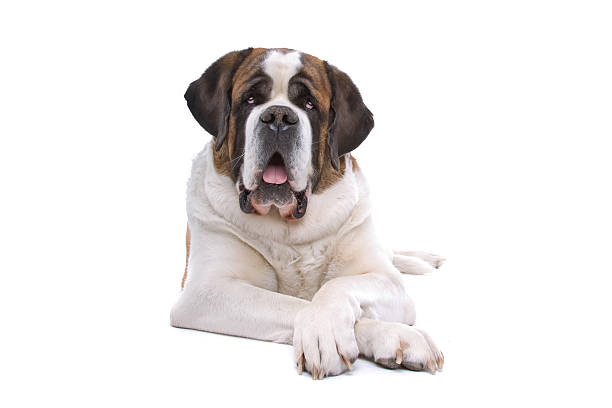
The ectopic ureter (EU) is one of the most significant congenital abnormalities of the canine urinary tract, often leading to debilitating urinary incontinence in young dogs. This condition involves the abnormal termination of one or both ureters—the muscular tubes that transport urine from the kidneys to the bladder—in a location other than the standard entrance point at the trigone of the urinary bladder. Instead, the ureter may empty into the urethra, vagina, uterus, or even the colon.
This anomaly is primarily a mechanical failure resulting from aberrant embryological development, making it a critical focus area in small animal soft tissue surgery and veterinary internal medicine. Given its hereditary component in many breeds, understanding the complexity of ectopic ureters is crucial for breeders, owners, and veterinarians alike.
I. Etiology and Pathophysiology: The Causes of Ectopic Ureter
Ectopic ureters are overwhelmingly congenital, meaning the defect is present at birth. They are rarely, if ever, acquired later in life. The root cause lies in a failure of normal embryological development of the urogenital tract.
A. Embryological Failure
During the development of the canine embryo, the ureteral bud branches off the Wolffian duct (mesonephric duct) and grows towards the metanephros (future kidney). Normally, the terminal end of the Wolffian duct eventually separates and integrates into the developing urinary bladder, forming the trigone region. The ureters should then open specifically into the bladder lumen at this trigone.
In a dog with an ectopic ureter, this normal shift and incorporation process fails. The ureteral bud remains attached too far caudally on the Wolffian duct, resulting in the ureter maintaining its connection to a structure derived from the primitive Wolffian duct, such as the urethra or genital tract (vagina/uterus).
The resulting pathological anatomy is categorized primarily into two types:
- Intramural Ectopic Ureter (Most Common – 90% of canine cases): The ureter enters the bladder wall typically at the correct location (the trigone) but then tunnels beneath the mucosal layer of the bladder and urethra before terminating abnormally. The opening (or orifice) is found in the urethra or vagina, but the majority of the ureter remains encased within the bladder wall. This type is frequently associated with concurrent defects in the urethral sphincter mechanism, complicating treatment.
- Extramural Ectopic Ureter (Less Common – 10% of cases): The ureter bypasses the urinary bladder entirely. Instead, it enters the urethra or vagina directly, never even penetrating the bladder wall. This form often leads to more severe clinical signs and may require complex surgical reconstruction.
B. Genetic and Hereditary Predisposition
While the exact genetic mechanism remains complex and often involves polygenic inheritance, a clear familial and breed predisposition indicates a strong hereditary component. The highest prevalence is seen in several popular purebred dog lines, suggesting that specific chromosomal loci influence the development of the caudal urinary tract structures. Breeding affected animals, even those successfully treated, is strongly discouraged due to the risk of passing on the defect.
C. Secondary Pathophysiology
The abnormal flow of urine often causes secondary complications:
- Urinary Incontinence: Because the ureter bypasses the urethral sphincter (which is designed to hold urine in the bladder), urine continuously dribbles out.
- Hydroureter and Hydronephrosis: If the ectopic ureter is narrow, kinked, or enters the urethra/uterus at an acute angle, the outflow of urine can be partially obstructed. This back-pressure causes the ureter to dilate (hydroureter) and can eventually cause the kidney pelvis to swell, damaging the kidney tissue (hydronephrosis). This potential for permanent renal damage makes early diagnosis critical.
- Recurrent UTIs: The persistent dribbling and the abnormal anatomy often compromise the natural defense mechanisms of the lower urinary tract, leading to chronic or recurrent bacterial infections.
II. Clinical Presentation: Signs and Symptoms
The defining sign of an ectopic ureter is continuous or nearly continuous urinary incontinence in a young dog, often beginning shortly after the dog is weaned or fully house-trained.
A. Hallmark Symptom: Continuous Incontinence
Unlike behavioral urination or urinary tract infection-related incontinence (which involves emptying a full bladder), EU-related incontinence is typically characterized by constant, passive leaking or wetting.
- Onset: Usually noted by 3 to 6 months of age, though mild cases might only be noticed when the dog is very relaxed, sleeping, or lying down.
- Lack of Control: The dog is often completely unaware it is leaking urine, demonstrating normal posture and behavior otherwise.
- Paradoxical Urination: The dog may still demonstrate normal voluntary urination (voiding), as the bladder is still collecting urine, but they are simultaneously leaking from the ectopic site. This differentiates EU from behavioral issues.
B. Gender Differences in Presentation
Female dogs are overwhelmingly more likely to be diagnosed with clinical incontinence due to ectopic ureters than males (a ratio of approximately 20:1).
- Females: Incontinence is severe because the ureter typically empties into the urethra distal to the sphincter or directly into the vagina, offering immediate exit.
- Males: While males can have the condition, the much longer nature of the male urethra and its anatomical relationship with the prostate and pelvic floor musculature sometimes provides enough passive resistance to partially mask or prevent severe incontinence, making diagnosis potentially delayed or the condition only manifested as severe recurrent UTIs.
C. Secondary Signs and Complications
- Urine Scalding (Perivulvar/Perineal Dermatitis): Chronic exposure to urine irritates the skin around the vulva, perineum, hindlimbs, and tail base, causing inflammation, hair loss, redness, and a characteristic strong urine odor.
- Recurrent Urinary Tract Infections (UTIs): Persistent microbial presence and altered anatomy predispose the dog to frequent, often difficult-to-clear, UTIs. Signs include increased frequency of voluntary urination (pollakiuria), straining (dysuria), or bloody urine (hematuria).
- Systemic Illness (Less Common): If the condition has progressed to severe pyelonephritis (kidney infection) or significant bilateral hydronephrosis, the dog may show signs of chronic kidney disease, fever, lethargy, or failure to thrive.
III. Dog Breeds at Risk (With Detailed Explanation)
Ectopic ureters show a marked predisposition in specific dog breeds, strongly suggesting a shared genetic linkage or a concurrent anatomical defect (like Urethral Sphincter Mechanism Incompetence – USMI) that exacerbates the symptoms.
A. Labrador Retrievers and Golden Retrievers
These two breeds represent the largest portion of documented cases globally. The genetic component is highly suspected, perhaps linked to a broader defect in caudal visceral development. Furthermore, these breeds are also highly prone to developing USMI, even without a primary ectopic ureter. The combination of an EU (even a mild intramural one) and poor sphincter function means Labbies and Goldens are often the most difficult EU patients to manage completely, as correcting the ectopic opening does not fix the inherent sphincter weakness.
B. Siberian Huskies
Huskies have been identified as a high-risk breed, often presenting with bilateral ectopic ureters—a feature less common in other affected breeds. The anatomical presentation often involves multiple ureteral openings or complex splitting (ureteral duplication), which means their surgical correction can be more challenging and the risk of post-operative incontinence remains statistically significant.
C. West Highland White Terriers (WHWT)
This small terrier breed demonstrates a high prevalence, often presenting with the more severe extramural form of the defect compared to the larger breeds. The smaller size of the urinary structures can complicate surgical intervention, and they seem particularly prone to developing concurrent hydronephrosis even in unilateral cases.
D. Newfoundland and Fox Terriers
Newfoundlands, a large breed, and Fox Terriers (both smooth and wire-haired), a medium breed, show distinct hereditary patterns of EU. In Newfoundlands, the condition is often noted early due to the large volume of urine leakage, leading to severe urine scald. In Fox Terriers, the condition is usually intramural, making them excellent candidates for newer, less invasive laser ablation techniques.
E. Poodle (Miniature and Toy)
Smaller breeds, including Miniature and Toy Poodles, demonstrate a risk, though the clinical signs might be slightly less obvious initially due to their smaller bladder capacity and volume of urine leaked. However, they are also prone to recurrent UTIs as a primary sign before definitive incontinence is noted.
IV. Age Affected
Ectopic ureters are a condition of the young dog and are classified based on the time of clinical presentation:
- Puppies (3–12 months): This is the primary age of identification. Signs usually become apparent when owners expect the puppy to be achieving reliable house-training. The continuous leakage stands in stark contrast to the expected progress, prompting veterinary consultation.
- Young Adults (1–3 years): Occasionally, a dog with a mildly ectopic ureter or one that terminates very close to the standard location may achieve continence during the day but only leak when deeply asleep. Such mild cases might only be definitively diagnosed later if the symptoms worsen due to a weight gain (stressing the sphincter) or a severe, refractory UTI.
- Older Dogs (3+ years): While rare, an ectopic ureter may be diagnosed in an older dog if the condition was previously silent and only becomes symptomatic when a concurrent condition, such as age-related USMI or a severe bladder stone (causing inflammation), lowers the overall urinary tract resistance. However, if incontinence starts de novo in an older dog, USMI or metabolic disease is a much more likely cause.
V. Diagnosis
Diagnosing an ectopic ureter requires a combination of routine tests to rule out other causes of incontinence (like UTI, poor house training, or neurogenic causes) and specialized imaging to definitively locate the anatomical abnormality.
A. Initial Medical Evalaution
- Urinalysis and Culture: Essential to confirm the presence of a co-existing UTI, which is extremely common. Treatment of the UTI is necessary before definitive imaging or surgery.
- Bloodwork (CBC/Chemistry): Assesses overall health and, crucially, evaluates renal function (BUN, Creatinine) to determine if renal damage (hydronephrosis) has begun.
B. Advanced Imaging (The Definitive Steps)
1. Ultrasonography: Abdominal ultrasound is non-invasive and provides crucial information about the kidneys (size, shape, evidence of hydronephrosis or pyelonephritis) and the ureters (evidence of dilation or hydroureter). While ultrasound can sometimes locate a dilated ureter entering the bladder or urethra abnormally, it is often insufficient to definitively confirm the termination point, especially in non-dilated ureters.
2. Contrast Studies (Excretory Urography or IVP): Historically the standard, this involves injecting iodine contrast dye intravenously, allowing the kidneys to excrete the dye, filling the ureters and bladder. Radiographs are taken sequentially. An EU is visualized when the contrast-filled ureter is seen bypassing the trigone and emptying distally. While useful, the resolution can be poor, and overlap with intestinal contents can obscure the view.
3. Computed Tomography (CT) Urography – The Gold Standard (Non-Invasive): CT angiography is the diagnostic technique of choice in many referral centers. It provides superior three-dimensional visualization of the entire collecting system. The high resolution of the CT scan accurately maps the course of the ureters, differentiates between intramural and extramural types, and precisely measures the degree of hydronephrosis, making pre-surgical planning much more accurate.
4. Cystoscopy – The Gold Standard (Invasive/Definitive): Cystoscopy involves inserting a specialized scope (cystoscope) into the urethra and bladder. This procedure offers direct, visual inspection of the bladder trigone, allowing the veterinarian to:
- Confirm the absence of the normal ureteral orifices (orifices appear normal in extramural EU).
- Locate the ectopic opening, typically within the vaginal vault or the distal urethra.
- The procedure is not only diagnostic but is often combined immediately with the preferred laser ablation treatment (see Treatment section).
VI. Treatment Modalities
The goal of treatment is to redirect the flow of urine into the urinary bladder, allowing the urethral sphincter mechanism to function normally. Treatment success is measured by the return to full continence, though many dogs require a multimodal approach.
A. Minimally Invasive Endoscopic Management (The Modern Standard)
Laser Ablation (Neoureterostomy): This technique is primarily used for intramural ectopic ureters (the most common type). Using the cystoscope, a specialized laser fiber is directed at the thin mucosal tunnel through which the ureter passes. The laser cuts or ablates the tissue covering the ureter, essentially creating a new, properly located opening within the bladder lumen (a functional neoureterostomy). The urine then flows into the bladder before the sphincter, thus achieving continence.
- Advantages: Significantly less invasive than open surgery, minimal scarring, quicker recovery, and less pain.
- Disadvantages: Only effective for intramural types; requires specialized, expensive equipment, and highly trained personnel.
B. Traditional Open Surgical Correction
Open surgery remains necessary for complex cases, especially extramural ectopic ureters, severe hydroureter/hydronephrosis, or when laser ablation is unsuccessful or unavailable.
- Ureteroneocystostomy (for Extramural EU): This procedure involves surgically dissecting the ureter free from its abnormal connection (e.g., the urethra) and then reimplanting it into the urinary bladder wall at the proper trigone location. The ureter must be placed carefully to prevent kinking or obstruction, often requiring anti-reflux techniques.
- Neoureterostomy (for Intramural EU): The surgeon incises the bladder, locates the ureter within the wall, makes an appropriate opening into the bladder lumen (similar to the laser method), and then sutures the old, abnormal opening closed (ligation of the distal ureter).
- Nephroureterectomy: If the affected kidney has been irreversibly damaged by severe, chronic hydronephrosis (meaning it has lost virtually all function), the best course of action may be to entirely remove the problematic kidney and ureter (nephroureterectomy). This eliminates the source of the ectopic urine flow and prevents recurring infection from a non-functional organ.
C. Post-Surgical and Medical Management
Many dogs, even after successful correction of the EU, suffer from pre-existing or concurrent Urethral Sphincter Mechanism Incompetence (USMI). Therefore, medical management is often required indefinitely:
- Alpha-adrenergic agonists (e.g., Phenylpropanolamine – PPA): These drugs increase the tone and contractile strength of the internal urethral sphincter, helping to maintain closure, especially when the dog is relaxed.
- Hormonal Therapy (Estriol): Used primarily in spayed females with USMI to enhance receptor sensitivity in the urethra.
VII. Prognosis and Complications
The prognosis for dogs undergoing treatment for ectopic ureter is generally good to excellent for improvement, but the rate of achieving complete, 100% continence is lower than owners often anticipate, hovering around 50–70%.
A. Prognosis Factors
- Type of EU: Intramural EU treated with laser ablation has a high success rate for anatomical correction, often leading to better overall outcomes than complex extramural repairs.
- Concurrent USMI: This is the single greatest determinant of post-operative continence. In breeds like the Labrador and Golden Retriever, even after successful ureteral redirection, the inherent weakness of the sphincter mechanism means lifetime medical management (PPA) is often necessary to achieve dryness.
- Degree of Hydronephrosis: If the kidney function is preserved, the long-term prognosis is excellent. If the damage is permanent, managing the remaining kidney (or if bilateral, managing chronic kidney disease) dictates the long-term outlook.
B. Potential Complications
- Persistent Incontinence: The most common complication, typically due to underlying USMI. It is crucial to manage owner expectations by explaining that “improved” often means 90% dry, but occasional leakage may persist, requiring medication.
- Ureteral Stricture: Following surgical or laser correction, scar tissue can form at the new ureteral opening, causing narrowing (stricture). This can obstruct urine flow, leading to immediate recurrence of hydroureter/hydronephrosis and requiring additional surgical or endoscopic intervention.
- Persistent or Recurrent UTIs: Often linked to persistent anatomical abnormalities or the need for long-term catheterization during post-operative care.
- Surgical Site Dehiscence or Leakage: Rare but serious complication where the surgical suture lines fail, leading to urine leakage into the abdominal cavity (uroabdomen).
VIII. Prevention
Since the condition is congenital and demonstrably hereditary in specific breeds, prevention focuses solely on responsible and rigorous genetic screening and breeding practices.
A. Breeder Responsibility
- Removal of Affected Dogs: Any dog diagnosed with an ectopic ureter (even if corrected) should be immediately retired from breeding.
- Screening Relatives: Because it often involves polygenic inheritance, close relatives (parents, siblings, offspring) of affected dogs should be viewed with suspicion and screened, especially in high-risk breeds.
- Pre-Breeding Screening: Breeders of high-risk breeds should consider pre-breeding ultrasound screening to assess the caudal urinary tract of potential breeding stock, though mild, non-dilated EUs are often missed without advanced imaging like CT or cystoscopy.
The ultimate prevention strategy relies on eliminating the propagation of the causative genes within the breed lines.
IX. Diet and Nutrition in Management
Diet cannot prevent or cure an ectopic ureter, as it is an anatomical defect. However, specific nutritional strategies are critical for managing the secondary complications, particularly chronic incontinence, dermatitis, and recurrent UTIs.
A. Maintaining Optimal Hydration and Urinary Health
- Increased Water Intake: Ensuring the dog drinks adequate water helps to keep the urinary tract flushed, diluting urine concentration and minimizing the risk of bacterial adherence to the bladder wall, which is vital in dogs prone to UTIs. Food can be moistened, or water fountains can be utilized.
- Weight Management: Maintaining an ideal body weight is paramount. Obesity significantly increases intra-abdominal pressure, which puts strain on an already weakened urethral sphincter (USMI), exacerbating post-operative incontinence.
B. Nutritional Support for Dermatitis
Chronic urine scalding damages the skin barrier. Diets rich in essential fatty acids (EFAs), particularly Omega-3s (EPA and DHA), support skin health, reduce inflammation, and accelerate the healing of urine-induced dermatitis.
C. Specialized Urinary Diets (If Chronic UTI Persists)
If the dog suffers from persistent or difficult-to-treat UTIs, a veterinarian may recommend a prescription urinary diet. These diets manage the urine pH or control the mineral content to reduce the risk of struvite or calcium oxalate stone formation, which can further complicate a compromised urinary tract. Furthermore, some urinary diets contain ingredients that support the production of the protective mucosal layer (GAG layer) of the bladder wall.
X. Zoonotic Risk
There is absolutely no zoonotic risk associated with Ectopic Ureter in Dogs.
Ectopic ureter is a purely anatomical, congenital malformation specific to the dog’s development (or occasionally seen in other mammals like cats or humans). It is not caused by an infectious agent (bacteria, virus, or parasite) and cannot be transmitted to humans, other pets, or livestock. The focus of human health risk around an affected dog relates solely to the hygiene required when cleaning up incontinence and managing the dog’s environment.
#EctopicUreter #CanineHealth #DogIncontinence #VetMed #VeterinarySurgery #DogUrology #PuppyHealth #LabradorLife #GoldenRetriever #SiberianHusky #CongenitalDefect #PetIncontinence #LaserAblation #CanineSurgery #ResponsibleBreeding #DogCareTips #AskAVet #Urology #PetHealthGuide





Add comment