
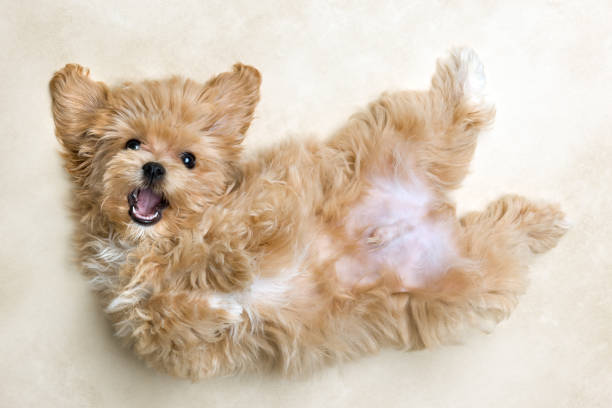
Puppyhood is a whirlwind of adorable chaos, and two of the most common “challenges” owners face are puppy nipping and their insatiable need to chew. While these behaviors can be frustrating, they are entirely normal and serve crucial developmental purposes for your furry friend. This guide will delve deep into understanding why puppies nip and chew, and provide you with a comprehensive toolkit of effective strategies to manage and redirect these instincts, fostering a well-behaved and happy canine companion.
Understanding the “Why”: The Root of Nipping and Chewing
Before we jump into solutions, it’s vital to understand the underlying reasons for these behaviors. This empathy will guide your training approach and make it more successful.
1. Teething and Oral Exploration (Chewing):
- Discomfort Relief: Just like human babies, puppies experience discomfort and pain as their adult teeth erupt, pushing through their gums. Chewing provides a natural way to relieve this pressure and soothe their gums.
- Sensory Development: Puppies explore the world with their mouths. Chewing helps them learn about different textures, shapes, and tastes, gathering information about their environment.
- Jaw Strength and Dental Health: Chewing is essential for developing strong jaw muscles and keeping their teeth clean and healthy.
2. Communication and Socialization (Nipping):
- Play and Excitement: Nipping is a primary way puppies play with their littermates and their mother. They learn bite inhibition (how hard is too hard) through this natural interaction. When a puppy nips too hard, their playmate yelps and stops playing, teaching them the consequence.
- Seeking Attention: Puppies may nip to get your attention, especially if they are bored, hungry, or want to play.
- Stress and Anxiety: In some cases, nipping can be a sign of stress, fear, or overstimulation.
3. Boredom and Lack of Stimulation (Chewing & Nipping):
- Underexercised and Unders-timulated: A puppy with pent-up energy and nothing to do will find their own entertainment, often through destructive chewing or nipping out of frustration.
- Lack of Mental Engagement: Just like physical exercise, mental stimulation is crucial for puppies. Without it, they can become bored and seek outlets for their energy.
4. Inherited Instincts (Chewing):
- Breed Predispositions: Certain breeds are predisposed to more intense chewing behaviors due to their original working purposes (e.g., retrieving, herding).
The Dual Approach: Stopping Nipping & Redirecting Chewing
The most effective strategy involves a two-pronged approach: stopping undesirable behaviors and redirecting them into acceptable outlets. This isn’t about punishment, but about teaching your puppy what you do want them to do.
Section 1: Stopping Nipping Effectively
Nipping, especially during play, is a common puppy behavior but needs to be managed to prevent it from becoming a habit or escalating into biting.
1. The “Ouch!” Method (Bite Inhibition Training):
- How it Works: Mimic the reaction of a littermate. When your puppy nips you, let out a high-pitched, sharp “Ouch!” or “Yeow!” This should startle them slightly.
- Immediate Consequence: Immediately withdraw your hand or body part, and momentarily stop all interaction. This teaches them that hard nips end the fun.
- Timing is Crucial: You need to be consistent and react every single time.
- What if they nip harder? If the “Ouch!” doesn’t stop the nipping, you might need to temporarily disengage even more. Stand up, turn away, or even leave the room for a few seconds. This teaches them that hard nips lead to a complete loss of attention.
2. Gentle Mouthing is Okay (Initially):
- Distinguish from Hard Nips: Not all nipping is aggressive. Puppies explore with their mouths, and this is normal. The goal is to teach them pressure sensitivity, not to eliminate mouthing entirely, especially in the early stages.
- Progressive Pressure: As your puppy gets older and their teeth sharpen, continue with the “Ouch!” method. The response should become more pronounced as they learn.
3. Redirection is Key (Crucial for Nipping):
- Have Chew Toys Ready: The moment you stop the play due to nipping, immediately offer an appropriate chew toy. This redirects their mouth and their energy onto something they can chew.
- Praise for Chewing the Toy: When they start to chew the toy, praise them enthusiastically. This reinforces the desired behavior.
4. Managing Overstimulation and Excitement:
- Recognize the Signs: Puppies can get overexcited during play. Watch for signs like frantic energy, intense eye contact, and escalating play-biting.
- Calm Down Period: If your puppy is getting too worked up, it’s time for a short break. Remove them from the situation, put them in their crate for a few minutes (if they are crate trained and it’s a positive experience for them), or simply have them lie down quietly away from the source of excitement.
- Structured Play Sessions: Keep play sessions short and engaging, rather than letting them get out of control.
5. Teach Impulse Control Exercises:
- “Leave It”: This command teaches your puppy to ignore tempting items. Start with low-value treats, then progress to higher-value ones and toys.
- “Wait”: Teach your puppy to wait for their food bowl, to go through doorways, or before receiving a toy. This builds patience and self-control.
6. Socialization with Other Dogs:
- Positive Dog Interactions: Well-socialized puppies learn appropriate play behaviors from other dogs in a controlled environment. Puppy socialization classes are excellent for this.
7. Avoid Rough Play with Hands:
- Don’t Wrestle with Hands: Resist the urge to engage your puppy in games of tug-of-war or wrestling using your hands. This can inadvertently encourage nipping. Use toys instead.
Section 2: Redirecting Chewing Effectively
Chewing is a natural and necessary behavior for puppies. The goal is not to stop it, but to redirect it onto appropriate items and prevent destructive chewing.
1. Provide a Variety of Appropriate Chew Toys:
- Texture Variety: Offer toys with different textures:
- Soft/Squeaky Toys: Good for gentle play and comfort.
- Rope Toys: Excellent for tugging and chewing.
- Rubber Toys (e.g., Kongs): Durable and can be stuffed with treats for mental stimulation.
- Nylon Chew Bones: Very durable and satisfy a strong chewing need.
- Edible Chews: Safe, digestible chews like bully sticks, dental chews, or certain rawhides (monitor consumption and choose reputable brands).
- Rotate Toys: Keep some toys out of reach and rotate them every few days. This keeps them novel and exciting, preventing boredom.
2. Make Chew Toys More Appealing Than Your Belongings:
- Interactive Toys: Stuff Kongs or other treat-dispensing toys with kibble, peanut butter, yogurt, or broth. Freeze them for a longer-lasting challenge.
- Flavoring: You can lightly rub toys with a tiny bit of peanut butter or broth sometimes to make them more enticing.
3. Supervise and Intervene:
- Constant Vigilance: Puppies cannot be left unsupervised with access to household items they shouldn’t chew.
- Intervention Strategy: If you catch your puppy chewing something inappropriate:
- Calmly Interrupt: Don’t yell or scare them. A gentle “Uh-uh” or a clap of your hands can suffice.
- Redirect Immediately: Take the forbidden item away and immediately offer them an approved chew toy.
- Praise When They Engage with the Toy: When they start chewing the toy, offer praise.
4. Puppy-Proof Your Home:
- Remove Temptations: Put away shoes, electrical cords, books, remote controls, and anything else you don’t want your puppy to chew. Use baby gates to block off areas if necessary.
- Secure Cords: Cover or secure electrical cords to prevent chewing hazards.
5. Crate Training and Confinement:
- Safe Haven: A properly introduced crate can be a safe and comfortable den for your puppy when you cannot supervise them.
- Enrichment Inside: Provide appropriate chew toys inside the crate to keep them occupied.
- Avoid Punishment: The crate should never be used as a punishment.
6. Dental Health andTeething Relief:
- Frozen Washcloths: For teething pups, a wet washcloth frozen in a Ziploc bag can be very soothing on their gums.
- Chillable Chew Toys: Some rubber toys are designed to be chilled in the refrigerator or freezer.
7. Exercise and Mental Stimulation are Crucial:
- Physical Exercise: A tired puppy is a good puppy! Ensure your puppy gets enough age-appropriate physical activity (walks, playtime in a secure yard).
- Mental Enrichment: Puzzle toys, scent games, short training sessions, and introducing new safe environments provide mental stimulation that can reduce boredom-driven chewing.
8. Understand the “Why” Behind Specific Chewing:
- Anxiety Chewing: If your puppy chews excessively when left alone, it might be a sign of separation anxiety. This requires a different training approach in consultation with a professional.
- Attention-Seeking Chewing: If your puppy chews to get your attention, ensure you are providing enough positive attention and interaction.
What NOT to Do: Common Mistakes to Avoid
- Punishment: Never hit, yell at, or physically punish your puppy for nipping or chewing. This can create fear, anxiety, and aggression. It also teaches them what not to do in front of you, but not what to do.
- Forcing Their Mouth Open: Don’t try to pry forbidden items out of their mouth. This can lead to resource guarding and make them reluctant to release things, potentially making the situation worse.
- Inconsistency: Be consistent with your responses. If you allow nipping sometimes and discourage it at others, your puppy will become confused.
- Ignoring the Behavior: Don’t assume it will just “go away.” Early intervention is key.
- Providing Inappropriate Chew Items: Avoid giving your puppy things they shouldn’t have, like old shoes or socks, even if you don’t care about them. This can confuse them about what’s off-limits.
- Over-Exercising Puppies: While exercise is important, be mindful of your puppy’s age and breed. Too much strenuous exercise for young puppies can be harmful.
When to Seek Professional Help
While most nipping and chewing behaviors are normal puppy development, there are times when professional guidance is beneficial:
- Aggressive Biting: If your puppy’s nips are accompanied by growling, lunging, or a clear intent to harm, seek help from a certified professional dog trainer or a veterinary behaviorist.
- Persistent Destructive Chewing: If nipping or chewing is causing significant damage to your home or if you’re struggling to manage the behaviors, a professional can offer tailored strategies.
- Signs of Separation Anxiety: If your puppy’s chewing or nipping is primarily linked to being left alone, it’s crucial to address potential separation anxiety with professional guidance.
- Overwhelmed Owners: If you’re feeling overwhelmed or unsure how to proceed, don’t hesitate to reach out for support.
Conclusion: Patience, Consistency, and Positive Reinforcement
Stopping puppy nipping and redirecting chewing requires a significant investment of your time, patience, and consistency. Remember that your puppy is learning about the world and how to interact with you and their environment. By understanding their needs, providing appropriate outlets, and employing positive reinforcement techniques, you will successfully guide your puppy through this phase. The result will be a confident, well-behaved, and cherished companion who understands the boundaries you’ve set, all while satisfying their natural instincts in healthy and appropriate ways.







Add comment