
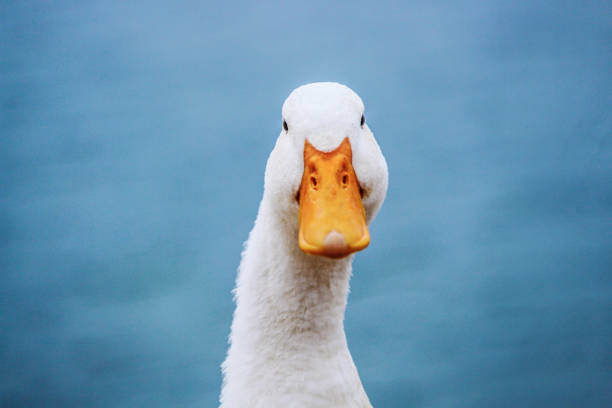
Egg binding in ducks is a serious condition that occurs when a female duck is unable to expel an egg from her reproductive tract. This condition is particularly common in laying ducks, especially those in peak egg production, and it can lead to severe health complications if not addressed promptly. The inability to pass an egg can cause intense discomfort, internal pressure on vital organs, and even death if left untreated. Understanding the causes, symptoms, and effective treatment methods for egg binding is crucial for duck owners to ensure the well-being of their birds.
Several factors contribute to egg binding in ducks, with nutritional deficiencies being one of the most common causes. A lack of sufficient calcium and vitamin D in a duck’s diet can weaken the muscles responsible for egg-laying, making it difficult for the bird to pass eggs naturally. Additionally, improper egg size or shape can hinder the process, and ducks with health conditions such as obesity, infections, or reproductive tract abnormalities are at a higher risk. Stress and environmental factors, such as overcrowding or insufficient nesting areas, can also contribute to the development of egg binding.
Recognizing the signs of egg binding is essential for timely intervention. Affected ducks often exhibit straining or restlessness, an inability to pass the egg, and signs of pain or discomfort. In severe cases, ducks may show signs of lethargy, loss of appetite, or a swollen abdomen. Left untreated, these symptoms can worsen, leading to complications such as internal infections, damage to the reproductive tract, or even death. Therefore, it is crucial for duck owners to be vigilant and seek veterinary assistance if they suspect their duck is suffering from egg binding.
This guide will provide a comprehensive overview of egg binding in ducks, including its causes, symptoms, and preventive measures. It will also highlight the duck breeds most at risk and provide detailed information on diagnosis and treatment options. By understanding the underlying factors that contribute to this condition, duck owners can take proactive steps to maintain their birds’ health and ensure a longer, more productive lifespan for their flock.
Causes of Egg Binding in Ducks
Egg binding in ducks can result from a variety of factors, ranging from nutritional deficiencies to anatomical issues. One of the primary causes is a lack of sufficient calcium and vitamin D in a duck’s diet. Calcium is essential for the formation of strong eggshells and the muscle contractions required for egg-laying. When a duck does not receive an adequate calcium intake, the muscles of the reproductive tract become weakened, making it difficult for the duck to pass the egg. Vitamin D is also vital for calcium absorption, and a deficiency in this vitamin can further exacerbate the issue. Ducks that are fed a diet low in these nutrients are at a significantly higher risk of developing egg binding, especially during peak laying periods when their calcium requirements increase.
Improper egg size or shape can also contribute to egg binding. Eggs that are abnormally large or misshapen may become lodged in the reproductive tract, preventing the duck from expelling them naturally. This issue can occur due to genetic factors, hormonal imbalances, or irregularities in egg development. In some cases, ducks may produce eggshells that are too weak or malformed, making the egg difficult to move through the oviduct. When an egg is too large, the muscles of the reproductive tract may not be strong enough to push it out, leading to prolonged straining and potential complications such as internal damage or infection.
In addition to nutritional and anatomical factors, a duck’s overall health and physical condition play a significant role in egg binding. Ducks that are weak due to illness, stress, or lack of physical activity are more prone to this condition. Illnesses such as respiratory infections, parasitic infestations, or reproductive tract disorders can all impact a duck’s ability to lay eggs properly. Stress is another contributing factor, as it can disrupt normal hormonal functions and lead to irregular egg-laying patterns. Ducks that are kept in overcrowded or poorly managed enclosures may experience increased stress levels, making them more susceptible to egg binding. Furthermore, ducks that are not exercising regularly may develop weaker muscles, making it harder for them to push the egg through the reproductive tract.
Genetic factors can also play a role in egg binding susceptibility. Certain duck breeds are more prone to this condition due to their egg-laying habits and body structure. Ducks that lay particularly large or frequent eggs may be at a higher risk, as excessive egg production can deplete their bodies of necessary nutrients. Additionally, some ducks may inherit weaker reproductive tract muscles, making egg-laying a more challenging process. Understanding the specific risk factors associated with a duck’s breed and individual health can help owners take preventative measures to reduce the likelihood of egg binding.
Signs and Symptoms of Egg Binding in Ducks
Recognizing the signs of egg binding in ducks is essential for prompt intervention and treatment. One of the most obvious indicators is the duck’s persistent attempt to lay an egg without success. Affected ducks may exhibit prolonged straining or restlessness, often accompanied by vocalizations that indicate discomfort. They may also sit on the nest for extended periods, appearing unable to complete the egg-laying process. In some cases, ducks may strain repeatedly without producing an egg, suggesting that an egg is stuck within the reproductive tract.
Physical symptoms can also help identify egg-bound ducks. A visible swelling around the vent or cloaca is a common sign, as the trapped egg can cause pressure and inflammation in the area. Ducks experiencing egg binding may hold their tails down while straining, and in severe cases, the cloaca may appear reddened or inflamed. The duck may show signs of abdominal distension, indicating that an egg is lodged within the oviduct. Additionally, some ducks may refuse to move or show signs of discomfort when touched near the vent area.
Behavioral changes are also associated with egg binding. Affected ducks may become lethargic, lose their appetite, or appear depressed. They may isolate themselves from the rest of the flock, refusing to eat or drink normally. In more severe cases, ducks may exhibit signs of distress, such as panting, weakness, or difficulty standing. If egg binding is not addressed in time, it can lead to dehydration, as affected ducks may be unable to consume water normally. Early recognition of these symptoms is crucial, as prompt veterinary care or supportive treatment can significantly improve the duck’s chances of recovery.
Duck Breeds at Risk for Egg Binding
Certain duck breeds are more prone to egg binding due to their egg-laying habits, body structure, and genetic predispositions. Understanding the specific risks associated with each breed is essential for duck owners to implement appropriate preventive measures and provide prompt care if necessary. Among the most commonly affected breeds are Pekin ducks, Khaki Campbells, Cayuga ducks, and Rouen ducks, each of which has unique characteristics that contribute to their susceptibility to this condition.
Pekin ducks are one of the most popular egg-laying duck breeds and are known for their high productivity. However, their large frames and high egg production rates can make them more susceptible to egg binding. Pekins typically lay medium to large-sized eggs, and their fast metabolism can deplete essential nutrients such as calcium at a rapid rate. If not properly supplemented in their diet, these ducks may experience weakened reproductive tract muscles, making it difficult for them to expel eggs naturally. Additionally, due to their high egg-laying capacity, Pekin ducks may be stressed if their nutrient intake is not adequately maintained, increasing the likelihood of egg binding.
Khaki Campbell ducks are another breed with an exceptionally high egg production rate, often laying over 250 eggs per year. While this makes them highly desirable for commercial egg production, it also increases their risk of developing egg binding. Their small body size relative to the number of eggs they lay can contribute to issues with egg size and shape, as disproportionate egg dimensions can hinder the natural laying process. Moreover, their fast metabolism requires a consistently high intake of calcium and other essential nutrients to support rapid egg production. Without proper dietary management, Khaki Campbells may suffer from weakened reproductive tract muscles, leading to difficulties in passing eggs.
Cayuga ducks are known for their dark, slate-colored plumage and their ability to lay medium-sized eggs. However, they have a unique anatomical feature that can predispose them to egg binding. The cloaca of some Cayuga ducks may not be perfectly aligned with the oviduct, making it difficult for the duck to expel the egg naturally. This anatomical variation can lead to partial or complete egg binding, especially if the duck experiences a decrease in muscle strength or hydration. Additionally, Cayuga ducks have a relatively low body fat percentage compared to other breeds, which can lead to a lack of energy reserves necessary for the physical exertion required during egg-laying.
Rouen ducks are a larger breed that produces relatively large eggs, and their robust body size may make it more challenging for them to pass particularly large or misshapen eggs. Their reproductive tract muscles may not be strong enough to cope with the size of the eggs they produce, especially if their diet is insufficient in calcium and other essential nutrients. These ducks are also more prone to musculoskeletal issues due to their heavy build, which can further impact their ability to lay eggs effectively.
Understanding the specific risk factors associated with each duck breed is crucial for developing effective prevention and management strategies. By recognizing the unique challenges faced by high-egg-producing breeds such as Pekin, Khaki Campbell, Cayuga, and Rouen ducks, owners can take proactive steps to ensure their ducks receive adequate nutrition, maintain optimal body condition, and receive veterinary care when necessary to prevent or manage egg binding.
Life Stages Affected by Egg Binding in Ducks
Egg binding in ducks can affect various life stages, with adult, egg-laying ducks being the most commonly impacted. These ducks typically experience peak egg production between 5 to 8 months of age, and during this period, they are at the highest risk of developing the condition. The physical demands of regular egg-laying place significant strain on a duck’s reproductive system, making them more susceptible to nutrient deficiencies and muscle fatigue. As a result, adult laying ducks require a well-balanced diet with adequate calcium and vitamin D supplementation to support healthy egg production and prevent complications such as egg binding.
In addition to adult ducks, young ducks that begin laying eggs early may also be at risk. Premature laying can occur due to high-protein diets or exposure to longer daylight cycles before reaching full maturity, which can lead to weakened reproductive tract muscles. Young ducks may struggle with the physical demands of egg-laying, increasing their likelihood of experiencing egg binding. Proper management and nutritional support during this critical developmental stage are essential to ensure they have sufficient energy reserves and muscular strength before starting to lay eggs.
Egg binding can also affect older ducks, particularly those that continue to lay eggs beyond their peak production period. As ducks age, their reproductive efficiency may decline, and the quality of their eggs may change. Some older ducks may produce smaller or misshapen eggs, which can become lodged in the oviduct, leading to egg-binding complications. Additionally, age-related muscle weakness and decreased metabolic efficiency can further increase the risk of egg binding in older laying ducks. Regular monitoring and appropriate dietary adjustments can help mitigate these risks and support healthy egg-laying throughout a duck’s lifespan.
Diagnosis of Egg Binding in Ducks
Diagnosing egg binding in ducks is a critical step in ensuring timely and effective treatment. The first and most common method of diagnosis involves a thorough physical examination of the affected duck. This process typically begins with observing the duck for overt signs of distress, such as straining, restlessness, or an inability to lay an egg. A visible swelling around the vent or cloaca is another key indicator of egg binding, as this area may become enlarged due to the trapped egg. During the examination, a veterinarian will gently palpate the duck’s abdomen to check for the presence of an egg stuck in the oviduct. If an egg can be felt, this confirms the diagnosis and allows for immediate discussion of treatment options.
In addition to physical palpation, a careful inspection of the cloaca is essential. The cloaca is the exit point for both the digestive and reproductive systems in ducks, and a blockage in this area may indicate a retained egg. A veterinarian will examine the cloaca for signs of inflammation, redness, or swelling, which can occur if the egg is causing pressure or if there is an associated infection. In some cases, the vet may attempt to manually feel for the egg without causing further discomfort to the duck. However, it is important to proceed with caution, as excessive pressure or improper handling can cause additional stress or injury.
For more complex cases where the location of the egg is unclear or if complications are suspected, advanced diagnostic techniques such as imaging may be necessary. Ultrasound is a valuable tool for visualizing the reproductive tract and confirming the presence of a retained egg. This method allows the veterinarian to assess the size, position, and condition of the egg and the surrounding tissues, which can inform the appropriate course of treatment. In some instances, radiographs (X-rays) may be used to detect the presence of an egg, although this technique is less commonly employed due to the challenges of imaging soft tissue in ducks.
If an infection is suspected, the veterinarian may also recommend laboratory tests, such as a fecal analysis or blood work, to rule out bacterial or parasitic conditions that could be contributing to the duck’s condition. Elevated white blood cell counts may indicate an infection, and additional treatment, such as antibiotics, may be necessary in conjunction with addressing the egg-binding issue. Proper diagnosis is crucial for determining the severity of the condition and developing an effective treatment plan tailored to the individual duck’s needs.
Prompt veterinary consultation is strongly recommended when egg binding is suspected, as delays in treatment can lead to severe complications or even death. By combining physical examination, cloacal inspection, and imaging techniques when necessary, veterinarians can accurately diagnose egg binding and provide appropriate care to improve the duck’s chances of recovery.
Treatment of Egg Binding in Ducks
Treating egg binding in ducks requires a combination of immediate care, manual assistance, and close monitoring to ensure the best possible outcome. The first step in any treatment plan is to provide a calm and stress-free environment for the affected duck. Stress can exacerbate the condition, making it more difficult for the duck to pass the egg naturally. Therefore, it is essential to isolate the duck in a quiet, warm space where it can rest without further strain. Maintaining an appropriate temperature is also crucial, as cold conditions can weaken the duck’s muscles and hinder the egg-laying process.
One of the most important steps in treating egg binding is ensuring that the duck is well-hydrated and receiving adequate nutritional support. Dehydration can lead to muscle weakness, making it more challenging for the duck to expel the egg. Offering water supplemented with electrolytes can help restore hydration levels and improve muscle function. Additionally, calcium supplementation is often recommended to strengthen the muscles of the reproductive tract, which is essential for successful egg passage. Calcium can be administered in the form of calcium gluconate or calcium carbonate, with the method of administration depending on the severity of the condition. In some cases, veterinarians may recommend subcutaneous or intravenous calcium injections for more immediate results.
If the duck is physically weak due to prolonged straining or an inability to eat or drink, supportive care becomes even more critical. This may involve withholding food temporarily to prevent further stress on the duck’s digestive system while ensuring that it remains hydrated. In more severe cases where the duck is unable to eat or drink on its own, a veterinarian may recommend administering fluids and nutrients through an intravenous or subcutaneous route. This method ensures that the duck receives essential hydration and sustenance, which are vital for restoring its strength and improving its ability to expel the egg.
In some cases, manual extraction of the egg may be necessary, especially when the duck is unable to pass it naturally despite supportive care. This procedure should be performed by a trained veterinarian or an experienced avian specialist to minimize the risk of injury to the duck. Before attempting manual removal, the veterinarian may apply a warm compress or soak the duck in lukewarm water to help relax the muscles and ease the egg’s passage. If the egg is still lodged, the veterinarian may apply gentle pressure to help guide it out, while taking care not to cause internal damage. In instances where the egg is not fully expelled, the duck may require further incubation or artificial hatching if the egg is viable, depending on the stage of development.
In more severe or prolonged cases of egg binding, surgical intervention may be necessary. This is typically a last resort when manual extraction is not successful or if there is a high risk of internal damage or infection. Surgical procedures may involve the removal of the egg through the cloaca or, in extreme cases, an emergency laparotomy if the egg has ruptured inside the duck’s abdominal cavity. Following surgery, the duck will require extensive post-operative care, including antibiotics to prevent infection and continued nutritional support to aid in recovery.
The prognosis for a duck suffering from egg binding largely depends on the severity of the condition and how quickly treatment is initiated. With prompt and appropriate care, many ducks are able to recover fully and resume normal egg-laying. However, if egg binding is left untreated for an extended period, complications such as internal infections, reproductive tract damage, or permanent infertility may occur. Regular monitoring and follow-up care are essential to ensure the duck’s full recovery and prevent future occurrences of egg binding.
Complications Arising from Untreated Egg Binding in Ducks
If left untreated, egg binding in ducks can lead to a range of serious complications that can affect both their immediate health and long-term well-being. One of the most common and potentially life-threatening complications is the retention of the egg within the oviduct, which can lead to secondary infections. When an egg becomes stuck, the pressure exerted on the reproductive tract may cause the membranes to rupture, allowing bacteria to enter the abdominal cavity. This can result in peritonitis, a severe inflammation that can be fatal if not treated promptly with antibiotics and supportive care. In addition to bacterial infections, the egg may also develop a fungal infection, particularly if the duck’s immune system is compromised due to stress or poor nutrition.
Another significant complication of untreated egg binding is the development of internal organ damage. Prolonged straining to pass a trapped egg can cause the duck to experience painful and potentially irreversible damage to the muscles and tissues of the reproductive tract. In some cases, this strain may result in a torn oviduct or uterine rupture, both of which can lead to excessive internal bleeding and shock. Internal bleeding is particularly dangerous for ducks, as their small size and delicate circulatory system may not be able to sustain prolonged blood loss. If the duck is not immediately stabilized with professional veterinary care, such complications can result in death.
Other long-term health issues may also arise from severe cases of egg binding. Ducks that suffer from repeated or chronic egg binding may experience a decline in fertility, as the repeated strain and trauma to the reproductive system can weaken the muscles and tissues responsible for normal egg-laying. Additionally, ducks that recover from severe egg binding may develop persistent discomfort or aversion to laying eggs, leading to a decrease in egg production. In some cases, the duck’s body may stop producing eggs altogether, resulting in a permanent loss of productive laying capacity. Regular veterinary check-ups and proper nutritional management are essential to prevent the recurrence of egg binding and minimize its long-term effects.
Prevention of Egg Binding in Ducks
Preventing egg binding in ducks requires a multifaceted approach that includes proper nutrition, appropriate lighting, suitable living conditions, and routine health checkups. One of the most effective strategies for reducing the risk of egg binding is providing a balanced diet rich in essential nutrients, particularly calcium and vitamin D. Calcium is crucial for the development of strong eggshells and the proper functioning of the muscles involved in egg-laying. Ducks with inadequate calcium intake are more prone to muscle weakness, making it difficult for them to expel eggs naturally. To ensure adequate calcium levels, duck owners should provide a diet specifically formulated for laying ducks, supplemented with sources such as crushed oyster shell or limestone grit. Additionally, vitamin D is essential for calcium absorption, and ducks should have access to natural sunlight or be provided with vitamin D3 supplementation if they are kept indoors.
Another important preventive measure is managing the duck’s egg-laying frequency. Overly frequent egg production can deplete a duck’s calcium reserves, increasing the risk of egg binding. To prevent excessive egg-laying, owners can regulate the amount of daylight exposure their ducks receive. Ducks are photoperiod-sensitive, meaning that longer days stimulate higher egg production. Gradually reducing the total hours of artificial light when a duck reaches its peak laying period can help regulate egg production and prevent overexertion. Additionally, allowing ducks to take regular breaks from laying can help their bodies recover and maintain optimal egg-laying health. Providing a nesting area with appropriate bedding and privacy can also encourage natural laying behavior and reduce stress, both of which contribute to healthier egg-laying cycles.
Suitable living conditions play a significant role in preventing egg binding. Ducks should be housed in clean, well-ventilated environments with access to clean water, shelter, and sufficient space to move freely. Overcrowding can lead to increased stress and competition for resources, which may contribute to health issues that indirectly increase the risk of egg binding. A stress-free environment with ample space for exercise and nesting can promote stronger muscle development and overall well-being, making it easier for ducks to pass eggs naturally.
Regular health checkups with an experienced avian veterinarian are also essential for early detection and prevention of egg binding. Routine exams can help identify nutritional deficiencies, reproductive abnormalities, or underlying health issues that may predispose ducks to egg binding. By ensuring that ducks receive proper care and early intervention when necessary, owners can significantly reduce the likelihood of egg binding and improve the overall health of their flock.
Diet and Nutritional Requirements for Preventing Egg Binding in Ducks
A well-balanced diet is essential for preventing egg binding in ducks, as it directly impacts their ability to produce and lay eggs effectively. The foundation of a healthy duck diet for laying hens consists of a high-quality commercial feed formulated for laying ducks, which should provide the appropriate balance of protein, carbohydrates, fats, vitamins, and minerals. Laying ducks require a diet that is rich in proteins, ideally around 16–18%, to support egg production and maintain overall health. This protein content should come from sources such as soybean meal, fish meal, and other high-quality protein sources that contribute to strong eggshell formation and muscle function.
In addition to protein, calcium is one of the most critical nutrients for laying ducks, as it is a primary component of eggshells and muscle function. Ducks require significantly more calcium than young ducks or ducks that are not in active laying periods. A deficiency in calcium can weaken the muscles responsible for the egg-laying process, increasing the risk of egg binding. To ensure adequate calcium intake, duck owners should provide a separate source of calcium, such as crushed oyster shell or limestone grit, which ducks can consume as needed. Unlike other poultry, ducks may require additional calcium supplementation even during laying, as their bodies cannot store sufficient calcium to support daily egg production.
Vitamin D plays a complementary role in calcium absorption, and laying ducks need sufficient levels of this vitamin to maintain proper skeletal and reproductive health. Natural sunlight is an excellent source of vitamin D for ducks, as exposure to UVB rays allows their bodies to synthesize the vitamin. If ducks are kept indoors for extended periods or housed in shaded enclosures, vitamin D supplementation may be necessary to prevent deficiencies that can contribute to egg binding. Additionally, phosphorus and other minerals should be included in the diet in appropriate proportions to maintain a balanced calcium-to-phosphorus ratio, which is crucial for optimal eggshell development and bone strength.
Hydration is another essential aspect of a laying duck’s diet, as water plays a vital role in calcium absorption and overall metabolic function. Ducks require constant access to clean, fresh water, as dehydration can lead to muscle weakness and hinder the egg-laying process. Ensuring that ducks remain well-hydrated can help prevent complications associated with egg binding by supporting proper muscle function and maintaining healthy tissue elasticity in the reproductive tract. By providing a nutrient-rich diet that includes the right balance of proteins, calcium, vitamins, and hydration, duck owners can significantly reduce the risk of egg binding and support the long-term health of their flock.
Zoonotic Risk Associated with Egg Binding in Ducks
Egg binding in ducks is not a zoonotic condition, meaning it cannot be transmitted to humans. However, it is important to note that improper handling of ducks suffering from egg binding can pose indirect health risks due to the potential spread of bacteria or parasites. Ducks, like all poultry, can carry zoonotic pathogens such as Salmonella or Campylobacter, which can be harmful to humans if proper hygiene precautions are not taken. These bacteria may be present in a duck’s feces or on its feathers, and if an individual comes into contact with contaminated surfaces or handles an infected duck without appropriate protection, they may be at risk of infection.
To minimize health risks, duck owners should always practice good hygiene when handling ducks, especially those that may be in poor health. Wearing gloves and thoroughly washing hands after contact with a duck or its living environment is essential to prevent the transmission of disease-causing organisms. Additionally, any contaminated bedding, food, or water sources should be promptly cleaned and disinfected to reduce the risk of bacterial spread. By following these precautionary measures, duck owners can ensure the safety of both their flocks and themselves when managing and caring for ducks with egg-binding conditions.
#DuckHealth #EggBindingInDucks #BirdHealth #AquaticPoultryCare #DuckOwningTips #DuckDietTips #PoultryCare #DuckBreedingTips #EggLayingDucks #DuckNutrition #ZoonoticRisks #BackyardDucks #DuckHealthTopics #DuckCareTips #DuckVetAdvisory #DuckEggLaying #DuckHealthIssues #DuckFlockWellness #DuckKeepingKnowledge



Add comment