
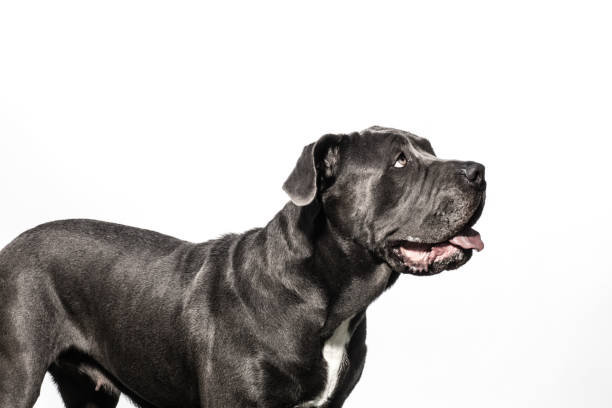
The elbow joint in dogs is a marvel of biomechanical engineering, designed for both strength and intricate movement. It comprises three bones – the humerus (upper arm bone), the radius (forearm bone on the thumb side), and the ulna (forearm bone on the pinky side) – working in concert, stabilized by a complex network of ligaments, a joint capsule, and surrounding musculature. When this delicate arrangement is disrupted, leading to the complete displacement of the articular surfaces of these bones, veterinarians refer to it as an elbow luxation or elbow dislocation. This condition is tremendously painful and, if not addressed promptly and appropriately, can lead to chronic lameness, severe osteoarthritis, and a significantly diminished quality of life for the affected dog.
Understanding elbow luxation requires delving into its diverse causes, recognizing its varied presentations, diagnosing it accurately, and implementing a tailored treatment plan. This guide aims to provide a comprehensive and elaborate overview of elbow luxation in dogs, covering everything from its anatomical basis to long-term management and prevention.
Anatomy of the Canine Elbow Joint
Before discussing luxation, it’s essential to understand the normal anatomy of the canine elbow. This hinge joint connects the humerus proximally with the radius and ulna distally.
- Humerus: The distal end of the humerus forms a spool-shaped structure called the trochlea, which articulates with the ulna.
- Ulna: The proximal end of the ulna possesses a deep concavity known as the trochlear notch, which snugly cradles the humerus’s trochlea, forming the primary articulation. The olecranon process, a prominent bony projection at the top of the ulna, provides leverage for triceps muscles.
- Radius: The head of the radius articulates with the capitulum of the humerus and the radial notch of the ulna, allowing for a small degree of rotation and supporting weight bearing.
The stability of the elbow joint is maintained by:
- Collateral Ligaments: Strong medial (inside) and lateral (outside) collateral ligaments prevent excessive side-to-side motion (abduction/adduction).
- Joint Capsule: A fibrous capsule encloses the joint, providing structural integrity and containing synovial fluid for lubrication.
- Musculature: Surrounding muscles (e.g., triceps, biceps) contribute dynamic stability.
In a healthy elbow, these structures ensure precise, pain-free flexion and extension, with minimal rotational movement. A luxation signifies a severe compromise to this intricate stability.
What is Elbow Luxation?
Elbow luxation is defined as the complete and persistent displacement of the articular surfaces of the bones forming the elbow joint. This means the humerus is no longer properly aligned with the ulna and radius. The term “subluxation” refers to a partial displacement, where the joint surfaces are still partly in contact, but their normal relationship is disturbed.
Elbow luxations are generally categorized based on their etiology and the direction of displacement:
- Etiology (Cause):
- Traumatic Luxation: The most common form, resulting from significant external force.
- Congenital Luxation: Present from birth, a developmental abnormality.
- Acquired Non-Traumatic Luxation: Rare, developing secondary to chronic conditions like severe osteoarthritis or infection.
- Direction of Displacement: The ulna and radius (as a unit) can displace relative to the humerus:
- Lateral Luxation: Displacement outwards (away from the body). More common in traumatic injuries.
- Medial Luxation: Displacement inwards (towards the body). More common in congenital cases.
- Cranial Luxation: Displacement forwards.
- Caudal Luxation: Displacement backwards.
- A combination of directions (e.g., cranio-lateral) can also occur.
Causes of Elbow Luxation
The underlying causes of elbow luxation in dogs vary significantly, influencing the presentation, treatment approach, and prognosis.
1. Traumatic Luxation (Most Common)
Traumatic luxations account for the vast majority of elbow dislocations in dogs. These incidents involve forces strong enough to overcome the inherent stability of the joint, leading to the tearing of crucial soft tissue structures and, sometimes, bone fractures.
- High-Impact Trauma: This is the primary culprit. Common scenarios include:
- Falls from height: Jumping off furniture, out of vehicles, or falling from stairs.
- Road traffic accidents: Being hit by a car, leading to severe twisting or direct impact.
- Severe Twists or Hyperextension/Hyperflexion: During vigorous play, agility sports, or altercations, the limb may be forced into an abnormal range of motion, stressing the ligaments beyond their capacity.
- Direct Blows: A direct impact to the elbow region.
- Ligamentous Tearing: The collateral ligaments (medial and lateral) are the primary stabilizers against varus and valgus forces (sideways bending). A traumatic luxation almost invariably involves the rupture of one or both of these ligaments, along with significant tearing of the joint capsule. The direction of luxation often indicates which ligament sustained the most damage (e.g., lateral luxation usually involves medial collateral ligament damage).
- Concomitant Fractures: In severe traumatic events, avulsion fractures (where a piece of bone is torn off with an attached ligament or tendon) or fractures of the humerus, radius, or ulna can occur alongside the luxation. These significantly complicate treatment and prognosis.
- Growth Plate Injuries: In young, skeletally immature dogs, trauma can sometimes cause Salter-Harris fractures involving the growth plates around the elbow, which can lead to displacement mimicking a luxation or predisposing to future instability.
2. Congenital Luxation
Congenital elbow luxation is a developmental anomaly, meaning the dog is born with an abnormally formed or unstable elbow joint, predisposing it to dislocation. This form is often bilateral (affecting both elbows) and frequently involves medial luxation.
- Developmental Abnormalities: The primary cause is often a malformation of the joint structures, such as:
- Shallow Trochlear Notch: The trochlear notch of the ulna may be too shallow to properly articulate with the humerus, leading to chronic instability.
- Ligamentous Laxity: The collateral ligaments may be inherently loose or malformed, failing to provide adequate stability.
- Ununited Anconeal Process (UAP) or Fragmented Medial Coronoid Process (FMCP): While primarily components of Elbow Dysplasia, severe cases or specific presentations of these conditions could, theoretically, lead to sufficient instability to cause luxation, though this is rare as a primary cause of luxation.
- Genetic Predisposition: Congenital luxations are strongly believed to have a genetic component, particularly in chondrodysplastic breeds. These breeds have unique skeletal development that can make them susceptible. The exact mode of inheritance is not always clear, but selective breeding practices are crucial.
- Intrauterine Factors: Less commonly, in-utero positioning or developmental errors not directly genetic may contribute.
3. Acquired Non-Traumatic Luxation
This is a rare category where elbow luxation develops over time without a dramatic traumatic event or congenital malformation as the primary cause.
- Chronic Degenerative Joint Disease (Osteoarthritis): Severe, long-standing osteoarthritis can progressively degrade the joint cartilage and supporting structures. In very advanced stages, the joint may become so unstable that it spontaneously luxates, often with minimal force. The bone remodeling associated with osteoarthritis can also alter articular surfaces, making them less congruent.
- Infectious Arthritis (Septic Arthritis): While uncommon, a severe infection within the joint can destroy cartilage and weaken the joint capsule and ligaments, potentially leading to instability and luxation. This is usually concurrent with systemic signs of infection.
- Neoplastic Processes: Very rarely, a tumor within or adjacent to the joint could compromise its structural integrity, leading to pathological luxation.
Signs and Symptoms
The clinical presentation of elbow luxation varies depending on whether it’s an acute traumatic injury or a chronic/congenital condition.
Acute Traumatic Luxation
This is an emergency and typically presents with dramatic, unmistakable signs:
- Sudden Onset, Severe Non-Weight Bearing Lameness: The dog will instantly refuse to put any weight on the affected limb, holding it up, often in an unnatural position. This is due to excruciating pain.
- Excruciating Pain: The dog will vocalize, cry, or snap if the joint is touched or moved. Pain medication is usually necessary before thorough examination.
- Obvious Deformity: The elbow joint will appear visibly swollen and misshapen. The normal bony landmarks may be obscured or palpably out of place. The limb may appear shortened or twisted.
- Abnormal Limb Position: The limb is often held flexed or extended, depending on the direction of luxation and the muscle spasms.
- Crepitus: A grating or crunching sensation may be felt (and sometimes heard) when the joint is gently manipulated, indicating bone-on-bone contact or the presence of bone fragments.
- Swelling: Rapid onset of soft tissue swelling around the joint due to hemorrhage and inflammation.
- Reluctance to Move: The dog will be unwilling to stand, walk, or even shift its position to avoid pain.
Chronic/Congenital Luxation
These conditions develop gradually or are present from early life, leading to less acute but persistent issues:
- Intermittent or Persistent Lameness: The lameness may be milder than in acute cases, ranging from a subtle limp to a noticeable head bob or stride abnormality. It often worsens with exercise and improves with rest.
- Gait Abnormalities:
- Bunny Hopping: In bilateral cases, dogs may move both hind limbs together, similar to a rabbit.
- Circumduction: Swinging the affected leg in an arc rather than stepping directly forward.
- Stiff Gait: Reduced range of motion, making the limb appear stiff.
- Reduced Range of Motion (ROM): The joint cannot be fully flexed or extended. This is often less painful than in acute cases but is a functional limitation.
- Muscle Atrophy: Due to chronic disuse and altered weight bearing, the muscles in the affected limb (especially the triceps) will often be noticeably smaller compared to the healthy limb.
- Palpable Instability or Clicking/Popping: The joint may feel loose during examination, and a “click” or “pop” might be felt or heard as the joint briefly subluxates or reduces.
- Less Acute Pain: While discomfort is present, it’s often a dull, chronic ache rather than the sharp, intense pain of an acute luxation. Dogs may become accustomed to the discomfort.
- Bilateral Involvement: Congenital luxations are often bilateral, complicating gait assessment and potentially leading to compensatory changes in other limbs.
- Calluses: Due to abnormal weight-bearing, dogs might develop calluses on the inside of the affected leg where it rubs against other parts of the body or the ground.
Dog Breeds at Risk
While any dog can suffer a traumatic elbow luxation, certain breeds exhibit a higher predisposition to either traumatic injuries due to their lifestyle or congenital/developmental forms due to their genetics.
- Chondrodysplastic Breeds (e.g., Dachshunds, Basset Hounds, French Bulldogs, Shih Tzus, Lhasa Apsos, Pekingese): These breeds possess a unique skeletal conformation characterized by disproportionately short limbs due to a genetic mutation affecting cartilage growth. This chondrodystrophic development can lead to various musculoskeletal issues, including an increased predisposition to congenital elbow luxation, particularly the medial type. Their unique limb angulation and sometimes inherent ligamentous laxity, coupled with the stresses placed on their joints, make them more vulnerable to developmental or even low-impact luxations. Owners may notice an abnormal gait in these puppies as they start to walk.
- Labrador Retrievers, Golden Retrievers, German Shepherds, Rottweilers: While these larger breeds are more notoriously known for Elbow Dysplasia – a complex developmental condition involving incongruity and fragmentation within the elbow – severe primary or secondary instability can, in some rare cases, predispose to or be mistakenly diagnosed as luxation, especially if the joint becomes significantly compromised. More commonly, their active and sometimes boisterous nature means they are at a higher risk for high-energy traumatic incidents (e.g., falls during play, impact during running) that can cause acute traumatic elbow luxations. Owners must manage their exercise carefully, especially during growth phases.
- Greyhounds, Sighthounds (and other athletic breeds like Border Collies, Belgian Malinois): These breeds are renowned for their incredible speed, agility, and high-intensity athleticism. While their joints are generally robust, the immense forces and velocities involved in their activities (racing, lure coursing, agility trials, intense play) significantly increase their risk of high-impact traumatic injuries. Sudden stops, sharp turns, collisions, or missteps at speed can easily generate the forces required to rupture ligaments and cause a traumatic elbow luxation. Their slender build might also make them more vulnerable to certain types of impact.
- Small Toy Breeds (e.g., Chihuahuas, Pomeranians, Yorkshire Terriers): These delicate breeds are well-known for their predisposition to patellar luxation, but their small, sometimes fragile bone structure and tendency to jump off furniture or be accidentally dropped can make them susceptible to traumatic elbow luxations. Additionally, some congenital elbow luxations (often medial) are reported in these breeds, potentially linked to genetic factors governing limb development, similar to the chondrodysplastic breeds. Owners need to be particularly vigilant in preventing falls and managing their environment to minimize injury risks.
Affects Puppy or Adult or Older Dogs
Elbow luxation can manifest across all age groups, but the underlying causes and implications often differ.
- Puppies/Young Dogs (up to 12-18 months):
- Congenital Luxation: This form is typically detected in puppies as young as 2-4 months of age, once they begin to walk and bear weight normally. Owners will notice an abnormal gait, lameness, or visible deformity. Early diagnosis and intervention are critical for the best possible outcome, as bones are still developing.
- Traumatic Luxation: Puppies are prone to accidental falls (e.g., off furniture, during rough play) which can cause traumatic luxations. These injuries are particularly complex in young dogs because their growth plates (physes) are still open. A traumatic event might cause a Salter-Harris fracture involving a growth plate, which can mimic or accompany a luxation and requires specialized management to prevent growth deformities. Healing in puppies can be rapid, but delicate, requiring strict immobilization.
- Adult Dogs (1-7 years):
- Traumatic Luxation: This is the most common age group for traumatic elbow luxations. Adult dogs are typically more active and adventurous, exposing them to higher risks of high-impact incidents such as road traffic accidents, falls during vigorous play, or sport-related injuries. Their fully ossified bones offer more resistance to fracture than puppy bones, but the ligaments and joint capsule remain vulnerable to overwhelming forces. Recovery can be robust, but the risk of long-term osteoarthritis is significant.
- Acquired Non-Traumatic Luxation: Less common, but adult dogs with chronic, severe elbow conditions (e.g., long-standing, unmanaged elbow dysplasia that progresses to severe osteoarthritis) might, in rare instances, experience secondary luxation due to extreme joint degeneration and instability.
- Older Dogs (7+ years):
- Traumatic Luxation: Older dogs can also suffer traumatic luxations, though their activity levels might be reduced. Recovery can be slower and more challenging due to age-related changes in tissue healing (e.g., slower collagen synthesis), decreased bone density, and potential concurrent health issues (e.g., arthritis in other joints, cardiac disease).
- Chronic/Degenerative Luxation: Older dogs with previously undiagnosed or unmanaged congenital luxations, or those with severe, long-standing osteoarthritis, are more likely to present with chronic or recurrent luxations. In these cases, the luxation may be secondary to years of joint degradation, rather than a single traumatic event. The prognosis for full functional recovery in these older, chronically affected dogs can be more guarded due to advanced degenerative changes.
Diagnosis
Accurate diagnosis of elbow luxation is paramount for effective treatment and involves a combination of clinical evaluation and advanced imaging techniques.
1. Clinical Examination:
- Observation: The veterinarian will first observe the dog’s gait, posture, and weight-bearing status. In acute cases, the presentation is typically dramatic non-weight bearing lameness and a visibly deformed elbow.
- Palpation: Gentle but thorough palpation of the entire limb, focusing on the elbow joint, is performed. Key findings may include:
- Pain: Exquisite pain on manipulation.
- Swelling: Soft tissue swelling around the joint.
- Crepitus: A gritty, grinding sensation, indicating bone-on-bone contact or displaced fragments.
- Deformity and Displacement: The abnormal position of bony landmarks (e.g., the olecranon, humeral epicondyles) confirms luxation.
- Instability: In chronic cases, the joint may feel loose or unstable.
- Range of Motion (ROM): Assessment of the elbow’s ability to flex and extend. In luxation, ROM is severely restricted and painful.
- Neurovascular Assessment: Critical in traumatic cases to check for damage to peripheral nerves (e.g., radial, ulnar nerves) and blood supply (e.g., brachial artery) distal to the injury. This can identify potentially devastating complications.
2. Radiography (X-rays):
- Crucial Diagnostic Tool: Radiographs are the cornerstone of diagnosis. They confirm the presence and direction of luxation, identify any concurrent fractures (e.g., avulsion fractures of collateral ligaments, fractures of the ulna, radius, or humerus), and assess for pre-existing degenerative joint disease.
- Multiple Views: At least two orthogonal views (e.g., lateral and craniocaudal) are essential, and sometimes oblique views are needed to fully visualize complex injuries.
- Sedation/Anesthesia: Due to the extreme pain, sedation or general anesthesia is almost always required to obtain diagnostic-quality radiographs and to avoid further injury.
- Assessment: The veterinarian will look for loss of congruence between the humerus and the ulna/radius, assess the integrity of surrounding bones, and check for signs of growth plate involvement in young animals.
3. Computed Tomography (CT Scan):
- Advanced Imaging: CT provides detailed cross-sectional and 3D images of bone structures, offering superior resolution compared to conventional radiographs.
- Indications: Highly valuable for:
- Complex Fractures: Identifying subtle or comminuted fractures associated with the luxation that might be missed on X-rays.
- Articular Surface Assessment: Evaluating the extent of damage to the joint cartilage and surface.
- Surgical Planning: Providing precise anatomical information for complex surgical repairs.
- Congenital Luxations: Delineating specific developmental abnormalities.
4. Magnetic Resonance Imaging (MRI):
- Soft Tissue Detail: MRI excels at visualizing soft tissues, making it invaluable for assessing the extent of ligamentous damage (collateral ligaments), joint capsule tears, cartilage injuries, and other soft tissue pathology.
- Indications: Used when:
- There is suspicion of severe soft tissue injury not apparent on CT.
- Neurological deficits are present, indicating potential nerve damage.
- Planning complex ligament reconstruction.
5. Arthrocentesis (Joint Fluid Analysis):
- Rarely Primary Diagnostic: This procedure involves collecting a sample of synovial fluid from the joint. It is rarely the primary diagnostic for acute luxation.
- Indications: May be used in chronic cases to rule out infectious arthritis if there are signs of inflammation without a clear traumatic cause, or to assess the severity of inflammatory changes associated with long-standing osteoarthritis.
6. Arthroscopy:
- Minimally Invasive: Arthroscopy involves inserting a small camera into the joint. It allows for direct visualization of the joint surfaces, ligaments, and cartilage.
- Diagnostic and Therapeutic: It can be used diagnostically to confirm the extent of internal damage and therapeutically to perform debridement, remove osteochondral fragments, or address other intra-articular lesions. It is typically performed by a veterinary orthopedic specialist.
Treatment
The treatment strategy for elbow luxation depends critically on its cause (traumatic vs. congenital), whether it’s acute or chronic, the presence of concurrent fractures, and the overall health and age of the dog. Broadly, treatment involves either conservative (closed reduction) or surgical (open reduction) approaches.
1. Emergency Stabilization
Regardless of the planned definitive treatment, initial emergency care involves:
- Pain Management: Immediate administration of strong analgesics (opioids) to alleviate severe pain.
- Immobilization: The limb should be temporarily splinted or bandaged to prevent further damage and reduce pain during transport.
- Assessment of Other Injuries: A full physical exam to rule out other life-threatening injuries, especially in trauma cases.
2. Conservative Management (Closed Reduction)
Closed reduction is the non-surgical repositioning of the luxated joint. It is typically attempted for:
- Acute, Uncomplicated Traumatic Luxations: These are recent injuries (within a few hours to days) with no significant associated fractures or severe soft tissue damage that would prevent stability.
- Procedure:
- General Anesthesia: Crucial for muscle relaxation and pain control.
- Manipulation: The veterinarian applies specific traction and rotational forces to manually guide the bones back into their correct anatomical position. This requires a precise understanding of the anatomy and biomechanics.
- Confirmation: Immediately after reduction, radiographs are taken to confirm proper alignment. The joint’s stability is also assessed manually. If stable, the attempt is considered successful.
- Post-Reduction Care:
- Immobilization: The elbow must be immobilized in a splint or cast (often a spica splint extending from the body to the paw) for 2 to 4 weeks to allow the torn ligaments and joint capsule to heal. The exact duration depends on the severity of soft tissue injury and the dog’s age.
- Strict Rest: Confined to a crate or small pen, with leash walks only for bathroom breaks. No jumping, running, or strenuous activity.
- Pain Management and Anti-inflammatories: Continued medication to manage discomfort and swelling.
- Follow-up Radiographs: Often performed weekly to ensure the luxation has not recurred within the splint.
- Prognosis and Challenges: Closed reduction carries a significant risk of reluxation (the joint dislocating again), especially if the soft tissue damage is extensive or the dog is not compliant with rest. Compliance with strict immobilization is paramount for success.
3. Surgical Management (Open Reduction)
Open reduction involves surgically exposing the joint to correct the luxation. It is indicated for:
- Failed Closed Reduction: If manual manipulation is unsuccessful or the joint cannot be kept stable after reduction.
- Chronic or Recurrent Luxations: Joints that have been dislocated for an extended period (more than a few days) often develop soft tissue contractures or significant degenerative changes that prevent closed reduction. Recurrent luxations indicate severe instability that requires surgical correction.
- Luxations with Significant Fractures: If there are associated fractures (e.g., avulsion fractures of the collateral ligaments, articular fractures of the humerus, radius, or ulna), surgical repair of these fractures is essential.
- Severe Soft Tissue Damage: Extensive tearing of collateral ligaments or the joint capsule may require surgical repair to restore stability.
- Congenital Luxations: These often require complex reconstructive surgery due to underlying skeletal deformities and profound instability.
- Surgical Procedures:
- Surgical Approach: An incision is made to expose the elbow joint.
- Joint Inspection: Any interposed tissues (e.g., joint capsule, muscle fragments) are removed from the joint space.
- Reduction: The joint is carefully repositioned into its correct alignment.
- Stabilization: This is the most critical step and can involve various techniques:
- Ligament Repair: Torn collateral ligaments are carefully sutured. If the tissue quality is poor, or for chronic cases, a prosthetic ligament (using strong non-absorbable suture material or synthetic grafts) may be placed to augment or replace the damaged natural ligaments, providing immediate stability.
- Capsulorrhaphy: Tightening or imbrication (overlapping and suturing) of the joint capsule to provide additional stability.
- Transarticular External Fixation: In cases of severe instability or complex fractures, an external fixator may be applied, spanning the joint with pins inserted into the humerus and ulna/radius, to provide rigid stabilization while soft tissues heal.
- Internal Fixation: If fractures are present, plates, screws, or wires are used to stabilize the bone fragments.
- Osteotomies: In some congenital cases, cutting and realigning bones (e.g., ulna osteotomy) may be necessary to correct severe deformities and achieve successful reduction.
- Post-Operative Care (Surgical):
- Immobilization: The limb is almost always immobilized post-surgery, usually with a splint, cast, or external fixator, for a longer duration than closed reduction (typically 4 to 8 weeks), to protect the surgical repair.
- Pain Management: Sustained opioid analgesia, NSAIDs, and sometimes nerve blocks.
- Antibiotics: To prevent infection, especially after surgery.
- Strict Rest: Absolutely crucial for healing and preventing implant failure or reluxation.
- Regular Monitoring: Close monitoring of the surgical site, limb swelling, and overall recovery.
4. Rehabilitation
Rehabilitation is an integral part of both conservative and surgical treatment, essential for restoring limb function and preventing long-term complications.
- Early Phase (Immobilization):
- Passive Range of Motion (PROM): Once initial pain subsides (and if permitted by the surgeon), gentle, controlled PROM exercises may begin on the unaffected joints and potentially the elbow (if not rigidly immobilized) to prevent stiffness.
- Cryotherapy: Ice packs to reduce swelling and pain.
- Intermediate Phase (After Immobilization Removal):
- Gradual Increase in Activity: Controlled leash walks, slowly increasing duration and intensity.
- Therapeutic Exercises:
- Assisted Standing/Weight Bearing: Helping the dog bear weight on the limb.
- Controlled Flexion/Extension: Gentle exercises to regain range of motion.
- Balance Exercises: Proprioceptive training on uneven surfaces or balance boards.
- Hydrotherapy (Underwater Treadmill/Swimming): Excellent for non-weight bearing exercise, building muscle mass, and improving ROM without stressing the joint.
- Physical Modalities: Laser therapy, therapeutic ultrasound, electrical stimulation to promote healing, reduce pain, and improve muscle function.
- Advanced Phase (Return to Function):
- Strengthening Exercises: Targeted exercises to rebuild muscle mass around the elbow.
- Endurance Training: Gradual return to longer walks and eventually light jogs.
- Activity Modification: Advising owners on long-term activity restrictions to protect the joint, especially in performance dogs.
- Home Exercise Program: Owners are taught exercises to perform at home.
Rehabilitation is often guided by a certified veterinary rehabilitation therapist and is tailored to the individual dog’s progress and the specific injury.
Prognosis & Complications
The prognosis for elbow luxation in dogs varies widely, influenced by several factors, and complications are common, especially in severe or chronic cases.
Prognosis
- Acute Traumatic Luxation (Successful Closed Reduction):
- Good to Fair: If the reduction is stable, there are no significant associated fractures, and the dog is compliant with post-reduction immobilization and rest, a good functional outcome is possible. The main long-term concern is the almost inevitable development of osteoarthritis.
- Fair to Guarded: If reluxation occurs, or if there was substantial soft tissue damage, secondary surgery is often needed.
- Surgical Repair (Open Reduction):
- Good to Fair: The prognosis generally improves with successful surgical stabilization, especially when performed by an experienced orthopedic specialist. It depends heavily on the extent of initial damage (especially articular cartilage), the quality of the repair, and diligent post-operative care and rehabilitation. Significant osteoarthritis is still a very common long-term consequence.
- Congenital/Chronic Luxation:
- Guarded to Poor: These cases often have a more guarded prognosis due to pre-existing skeletal deformities, significant degenerative joint disease, and long-standing abnormal joint mechanics. Even with complex reconstructive surgery, chronic lameness and severe osteoarthritis are common, and full functional recovery is less likely. Quality of life improvement is often the primary goal.
- Factors Influencing Prognosis:
- Age of the dog: Younger dogs may heal more rapidly, but growth plate involvement can complicate things. Older dogs may have slower healing and co-morbidities.
- Severity of injury: Extent of ligamentous tearing, presence of articular fractures, and cartilage damage are critical.
- Timeliness of treatment: Acute injuries generally have a better prognosis than chronic ones.
- Success of stabilization: Whether the joint can be adequately reduced and stabilized.
- Owner compliance: Adherence to strict rest, medication, and rehabilitation protocols is paramount.
- Development of Osteoarthritis: The most common long-term complication, which can lead to chronic pain and decreased function.
Complications
Even with the best medical and surgical care, several complications can arise:
- Reluxation:
- High Risk: This is the most common complication, particularly with conservative management or if surgical repair is insufficient. If the joint reluxates, further intervention (usually surgery) is required.
- Osteoarthritis (Degenerative Joint Disease):
- Almost Inevitable: Even with successful treatment, some degree of osteoarthritis is nearly guaranteed. The initial trauma, surgical intervention, and altered joint mechanics lead to cartilage damage and progressive degenerative changes. This results in chronic pain, stiffness, and reduced range of motion over time.
- Infection:
- Surgical Risk: Any surgical procedure carries a risk of bacterial infection, which can be devastating for a joint and may require extensive treatment, including long-term antibiotics or implant removal.
- Nerve Damage:
- Ulnar and Radial Nerves: These nerves pass close to the elbow joint and can be stretched, compressed, or severed during the initial trauma or inadvertently damaged during surgical dissection. This can lead to sensory deficits or motor paralysis distal to the elbow.
- Vascular Damage:
- Brachial Artery: The main artery supplying the distal limb can also be compromised during severe trauma, potentially leading to ischemia (lack of blood supply) and severe tissue damage.
- Stiffness/Reduced Range of Motion:
- Common: Prolonged immobilization, scar tissue formation, and post-traumatic inflammation often lead to a reduction in the elbow’s normal range of motion, even after successful reduction.
- Muscle Atrophy:
- Disuse: Due to pain and immobilization, muscles in the affected limb will atrophy, requiring dedicated rehabilitation to rebuild.
- Implant Complications:
- Surgical Risk: If implants (pins, screws, plates, external fixators) are used, they can become loose, break, migrate, or cause irritation, potentially requiring removal.
- Non-union/Malunion of Fractures:
- Associated Fractures: If concomitant fractures are not properly stabilized, they may fail to heal (non-union) or heal in an incorrect position (malunion), leading to ongoing lameness and deformity.
- Chronic Pain:
- Despite Treatment: Even with the best possible outcome, some dogs may experience chronic pain, particularly related to the development of osteoarthritis, requiring ongoing pain management.
Prevention
While not all cases of elbow luxation can be prevented, especially those due to severe, unavoidable trauma or genetic predispositions, several measures can significantly reduce the risk and mitigate its severity.
1. Injury Prevention (Traumatic Luxation):
- Leash Control: Always keep dogs on a leash in areas with traffic, steep drops, or other hazards (like hiking trails where a misstep could lead to a fall).
- Secure Environments: Ensure your yard is securely fenced to prevent escape, which can lead to road traffic accidents. Inside the home, prevent access to dangerous areas like balconies or high windows.
- Supervised Play: Monitor play sessions, especially between dogs of different sizes, or with highly energetic dogs. Intervene if play becomes too rough or involves excessive twisting/tackling.
- Prevent Falls:
- Furniture/Bed Access: Discourage dogs, especially small breeds and puppies, from jumping on and off high furniture. Use ramps or steps if they insist.
- Vehicle Safety: Use a crash-tested dog crate or a properly fitted car harness to secure your dog during car travel, preventing injuries from sudden stops or collisions.
- Controlled Exercise: Avoid overly strenuous or uncontrolled exercise, especially in young, growing dogs, which can put excessive stress on developing joints.
- Maintain a Healthy Weight: Obesity places extra strain on all joints, making them more susceptible to injury and worsening the prognosis if an injury occurs.
- Adequate Training: Teach commands like “stay,” “leave it,” and a reliable recall to help manage risky behaviors and prevent dogs from running into dangerous situations.
2. Genetic Screening (Congenital Luxation):
- Responsible Breeding: For breeds known to be predisposed to congenital elbow luxations or other developmental orthopedic issues (like chondrodysplastic breeds), responsible breeders should:
- Screen Breeding Stock: While direct screening protocols for elbow luxation specifically are less standardized than for elbow dysplasia, breeders should carefully assess the gait and joint health of potential breeding animals and their lineage.
- Avoid Breeding Affected Animals: Dogs diagnosed with congenital luxation or those with a history of producing affected offspring should be removed from breeding programs.
- Early Veterinary Checks: Regular veterinary examinations for puppies can help detect subtle signs of developmental abnormalities early, allowing for timely intervention.
3. Early Intervention:
- Prompt Veterinary Attention: Any sign of lameness, stiffness, or abnormal gait in a dog should be investigated by a veterinarian promptly. Addressing minor joint instabilities or orthopedic issues early can prevent them from progressing to more severe conditions, including secondary luxation.
- Nutritional Management for Puppies: Ensure puppies, especially large and giant breeds, are fed a diet formulated for their growth stage to prevent too rapid growth, which can contribute to developmental orthopedic diseases.
While these preventive measures cannot guarantee that a dog will never experience an elbow luxation, they significantly reduce the risk and provide the best possible foundation for joint health throughout the dog’s life.
Diet and Nutrition
Nutrition plays a supportive role in overall joint health, recovery from injury, and managing the long-term effects of elbow luxation, particularly osteoarthritis. It’s important to differentiate between preventing the injury itself and supporting the body’s repair and maintenance mechanisms.
1. General Health and Weight Management:
- Balanced Diet: The foundation of joint health is a high-quality, balanced commercial dog food appropriate for your dog’s age, breed size, and activity level. This ensures all essential nutrients, vitamins, and minerals are provided.
- Weight Management: This is perhaps the most critical nutritional aspect. Obesity dramatically increases the load on all joints, including the elbows, exacerbates pain in arthritic joints, and hinders rehabilitation. Maintaining an ideal body weight is crucial for both prevention of injury and successful recovery. Consult your veterinarian for an ideal weight range and feeding plan.
2. Joint Support Supplements:
These supplements are not a cure for luxation or osteoarthritis but can help support joint health, reduce inflammation, and potentially slow the progression of degenerative changes. Always consult your veterinarian before starting any supplements.
- Glucosamine and Chondroitin Sulfate: These are building blocks for cartilage and synovial fluid. They are believed to help maintain cartilage integrity, stimulate cartilage repair, and have mild anti-inflammatory properties.
- Omega-3 Fatty Acids (EPA and DHA): Found in fish oil, these are powerful natural anti-inflammatory agents. They can help reduce joint inflammation and pain associated with osteoarthritis and improve overall joint health.
- MSM (Methylsulfonylmethane): An organic sulfur compound with anti-inflammatory and pain-relieving properties, often included in joint supplements.
- Hyaluronic Acid (HA): A component of synovial fluid, HA helps lubricate the joint and absorb shock. Oral supplements or injections (administered by a vet) may be beneficial.
- Green-Lipped Mussel (Perna canaliculus): A natural source of glucosamine, chondroitin, and omega-3 fatty acids, known for its anti-inflammatory and joint-protective effects.
- Antioxidants (e.g., Vitamins C and E): These vitamins help neutralize free radicals that can cause cellular damage and exacerbate inflammation in diseased joints.
3. Nutritional Considerations During Recovery:
- Adequate Protein: During the healing phase (post-reduction or surgery), ensure the diet provides sufficient high-quality protein to support tissue repair and muscle regeneration.
- Trace Minerals: Zinc, copper, and manganese are important co-factors in collagen synthesis and bone metabolism. A balanced diet should provide adequate amounts.
- Calcium and Phosphorus: Essential for bone health, but supplementation should be carefully managed, especially in growing puppies, as imbalances can lead to developmental orthopedic diseases. Excessive supplementation is more harmful than beneficial.
4. Specialized Diets:
- Some prescription veterinary diets are formulated with higher levels of joint-supporting nutrients and controlled calorie content, specifically designed for dogs with joint issues or those prone to obesity. Your veterinarian can recommend if such a diet is appropriate for your dog.
In summary, a foundational balanced diet, strict weight management, and veterinarian-approved joint supplements form the cornerstone of nutritional support for dogs with elbow luxation, aiding in recovery and managing long-term joint health.
Zoonotic Risk
It is imperative to clarify the concept of zoonotic risk for elbow luxation.
There is absolutely no zoonotic risk associated with elbow luxation in dogs.
Zoonotic diseases are illnesses that can be transmitted from animals to humans. Elbow luxation is a purely musculoskeletal and mechanical condition affecting the dog’s anatomy. It is caused by physical trauma, developmental abnormalities, or severe degenerative changes within the joint. It is not caused by bacteria, viruses, parasites, fungi, or any other infectious agent. Therefore, it cannot be transmitted from a dog to a human, nor to any other animal.
While handling a dog with an acute elbow luxation, it is important to exercise caution because the dog will be in extreme pain and may bite or scratch out of fear or an instinct to protect itself. However, this is a behavioral response to pain and does not imply any infectious risk from the condition itself. Owners should seek immediate veterinary care for an injured dog.
Conclusion
Elbow luxation in dogs is a debilitating and acutely painful condition that demands immediate veterinary attention. Whether stemming from a traumatic incident, a congenital anomaly, or, rarely, a chronic degenerative process, the displacement of the elbow joint surfaces can lead to severe lameness and significant long-term complications, predominantly osteoarthritis.
A thorough understanding of the specific cause, accurate diagnosis through clinical examination and advanced imaging, and a carefully tailored treatment plan—ranging from closed reduction to complex surgical repair—are critical for the best possible outcome. Post-treatment rehabilitation is an indispensable phase, aiming to restore strength, mobility, and overall function, thereby enhancing the dog’s quality of life.
While complete prevention of all luxations may not be possible, especially in active dogs or those with genetic predispositions, responsible pet ownership encompasses injury prevention, diligent monitoring for signs of lameness, and proactive veterinary care. Nutritional support, particularly maintaining an ideal body weight and considering joint supplements under veterinary guidance, plays a vital role in supporting joint health and managing the long-term sequelae of this challenging condition.
Crucially, owners should be reassured that elbow luxation poses no zoonotic risk, ensuring that their focus can remain entirely on their beloved companion’s recovery and well-being. With prompt, expert veterinary intervention and dedicated aftercare, many dogs can regain substantial function and enjoy a good quality of life despite this severe orthopedic challenge.
#DogElbowLuxation, #CanineOrthopedics, #DogJointHealth, #VeterinaryMedicine, #DogInjury, #PetHealth, #ElbowDislocation, #DogSurgery, #DogRehab, #PetCare, #DogPain, #OrthopedicSurgery, #VetMed, #DogWellness, #PuppyHealth, #SeniorDogCare, #TraumaCare, #ChondrodysplasticBreeds, #DogBreedsAtRisk, #AskAVet, #PetCareTips, #DogFitness, #HealMyDog, #LoveYourPet, #HealthyPaws





Add comment