
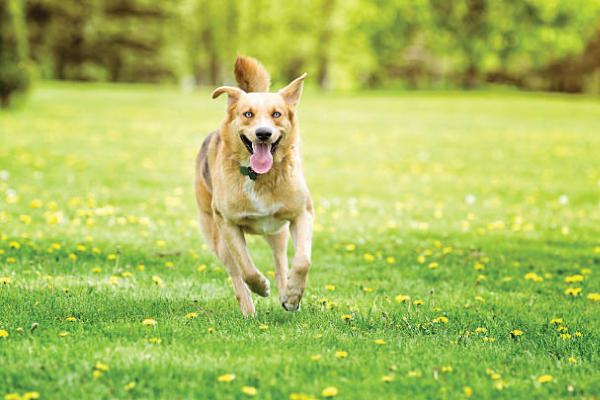
The rustle of leaves, a tantalizing scent, the sudden appearance of a squirrel – these are the everyday triggers that send many dogs into a joyous, or sometimes alarming, pursuit. While exhilarating for our canine companions, these moments can quickly escalate into dangerous situations. A dog darting into traffic, chasing wildlife into unfamiliar territory, or even approaching a stray animal could have severe consequences. This is where the “Emergency Recall,” a command far more potent and critical than a casual “come,” becomes paramount. It’s not just about getting your dog to your side; it’s about bringing them back from the brink, safely and reliably, when stakes are at their highest.
This comprehensive guide will delve deep into the world of emergency recall training for dogs. We’ll explore why it’s essential, how to build an unbreakable ‘Come-Now!’ command, and the crucial nuances that differentiate it from a standard recall. We’ll cover everything from foundational principles to advanced troubleshooting, ensuring you have the knowledge and tools to equip your dog with this life-saving skill.
Why is an Emergency Recall SO Crucial?
Unlike a standard recall, which aims to bring your dog to you for a treat or playtime, an emergency recall is a command to stop whatever they are doing immediately and return to you, no matter how distracting the environment or compelling the temptation. The stakes are infinitely higher.
Consider these scenarios:
- Traffic Encounters: A loose dog can be tragically hit by a car. An emergency recall can prevent them from running into a busy road.
- Wildlife Encounters: While some dogs are naturally curious, others may be aggressive or chase wildlife into dangerous terrain (cliffs, water, hunting grounds where they might be mistaken for game).
- Encountering Unknown or Aggressive Dogs: Your dog might inadvertently wander into a situation with a dog that is not friendly, leading to injury for either dog or human.
- Environmental Dangers: Unleashed dogs can ingest toxic substances, fall into open holes, or get lost in crowded or unfamiliar areas.
- Protecting Other Animals/People: In some cases, an emergency recall might be needed to prevent your dog from bothering livestock, smaller animals, or even people who may be fearful of dogs.
- Preventing Further Offence If They Are Already In Trouble: Sometimes, your dog is already doing something they shouldn’t be (e.g., digging in a forbidden garden, chasing a cat). The emergency recall is the stop-button.
The “Come-Now!” command, as we’ll refer to our emergency recall, is essentially a canine “e-brake.” It’s your ultimate safety net, designed to override even the most ingrained instincts or temptations.
The Foundation: Building a Solid Standard Recall First
You cannot effectively build an emergency recall on a shaky foundation. A robust standard recall is the prerequisite. This means your dog reliably comes when called in low to moderate distraction environments, usually for positive reinforcement (treats, praise, toys).
Key elements of a strong standard recall:
- Positive Association: The recall command should always be associated with good things. Never call your dog to you for something unpleasant (like a bath, nail trim, or punishment).
- High-Value Rewards: Use treats that your dog absolutely loves – think small pieces of chicken, cheese, or specialized training treats. The reward should be exciting enough to make coming to you more appealing than whatever they are sniffing or seeing.
- Gradual Increase in Distractions: Start training in a quiet, enclosed area. As your dog masters the command, slowly introduce more distractions: a quiet park, then a busier park, then a walk with other dogs at a distance, etc.
- Don’t Chase: If your dog doesn’t come, don’t chase them. This can turn the recall into a game of “catch me if you can.” Instead, try running away from them, making yourself exciting.
- Teach a Cue Word: Choose a unique word that you will only use for recall. “Come” is common, but can become diluted. “Here” is also popular. For an emergency recall, we’re going to choose something more emphatic.
- Practice Consistently: Short, frequent training sessions are more effective than long, infrequent ones.
Important Note: If your dog’s standard recall is unreliable, do not skip this step. Trying to implement an emergency recall when the basic recall is weak is setting yourself up for failure and potentially dangerous situations.
Introducing the “Come-Now!” Command: The Emergency Protocol
The “Come-Now!” command is not just another cue word; it’s a commitment from you and your dog. It signals urgency and a need for immediate compliance.
1. Choosing the Right Cue Word:
The word itself needs to be distinct and have an urgent tone. Avoid words that sound similar to other commands or everyday language. Some suggestions:
- “Now!” (Simple, direct, inherently urgent)
- “Emergency!” (Clear and unambiguous)
- “Touchdown!” (Often used in agility for a quick recall to a handler’s feet)
- “Come-NOW!” (A more emphatic version of a standard recall)
For this guide, we will use “Come-Now!” as our example cue.
2. The “Sacred” Rule of “Come-Now!”:
This is the absolute, non-negotiable cornerstone of emergency recall training.
YOU CAN NEVER CALL YOUR DOG WITH “COME-NOW!” AND THEN DO ANYTHING OTHER THAN SOMETHING POSITIVE AND REWARDING.
This includes:
- Punishment: Never use “Come-Now!” to scold or punish your dog.
- Unpleasant Tasks: Never call your dog with “Come-Now!” to put them in their crate, give them a bath, trim their nails, or administer medication.
- Ending Fun Without Reward: Never use it to abruptly end playtime or a walk without a high-value reward.
Violation of this rule will instantly destroy the meaning and reliability of the “Come-Now!” command. It will become just another word, and in an emergency, that could be catastrophic.
3. Initial Training: Controlled Environment, Extreme Rewards:
- Start Indoors: Begin in a quiet room with no distractions.
- Get Your Dog’s Attention: Ensure they are looking at you.
- Deliver the Cue: Say “Come-Now!” in a clear, urgent, but not panicked tone.
- Immediate High-Value Reward: The instant your dog’s eyes lock onto you or they take a step towards you, reward them with something extraordinary. This isn’t a kibble reward. Think tiny pieces of cooked steak, liver, or a specially saved, super-stinky treat they only get for this command.
- Mark the Behavior: Use a clicker or a verbal marker like “Yes!” the moment they turn towards you or fully arrive.
- Enthusiastic Arrival: When they reach you, lavish them with praise and the amazing reward. Make their arrival the best thing that has ever happened to them.
- Release and Reward: After they have received their reward, give them a release cue (like “Okay” or “Free”) and let them go back to what they were doing. This reinforces that “Come-Now!” isn’t the end of everything fun, but a brief, highly rewarding interruption.
- Repeat: Do this multiple times in short sessions.
4. Increasing Distractions Gradually:
Once your dog is reliably responding to “Come-Now!” indoors with no distractions, slowly introduce them.
- Low Distraction Outdoor Area: Your backyard (if secure), a quiet, fenced dog park before it opens, or a very quiet street.
- Introduce a mild distraction: Have a family member walk past at a distance, or gently toss a toy nearby but not too close.
- Cue “Come-Now!”: If your dog is still focused enough on you, give the command. Reward massively.
- If they don’t respond: This means the distraction is too high. Go back a step. Reduce the distraction or make the reward even more incredible. NEVER escalate to punishment or frustration.
- Practice with a Long Line: As you move to more distracting environments where your dog is off-leash but you want to ensure safety, use a long training lead (15-30 feet). This allows them freedom of movement while giving you a physical failsafe if they ignore the command. You can gently guide them with the line if needed, but the verbal cue should always be the primary driver.
5. The “Emergency” Scenario Simulation:
This is where you truly test and solidify the “Come-Now!” command. You need to create simulated “emergencies” that are safe but mimic a real-world threat.
- The “Distraction Object”: Have a friend or family member act as a controlled distraction.
- Scenario A: The “Threatening” Person: Have someone walk past your dog at a moderate distance, perhaps making a slight noise or moving their arms in a way that might be concerning to a dog but is clearly safe to you.
- Scenario B: The “Enticing” Object: Have someone gently roll a ball or squeak a toy for your dog at a distance, but not so close that the dog is completely locked onto it.
- Scenario C: The “Running” Object: Have someone jog past your dog at a distance.
- Your Role: Remain calm. Your dog will read your emotions.
- Deliver “Come-Now!”: As the distraction is happening, deliver your emergency recall cue.
- Super Reward: If your dog even hesitates and looks towards you, reward. If they turn and come, reward spectacularly. This needs to be the most amazing reward they’ve ever received, delivered with genuine enthusiasm.
- Reinforce Arrival: Make them feel like a hero for coming to you.
- Release: Allow them to return to observing the distraction, reinforcing that “Come-Now!” is an interruption, not an end.
Crucial Point: The simulated distraction should be something your dog is likely to be interested in but not so overwhelming that they are already gone. The goal is to train them to override that instinct.
Advanced Techniques and Troubleshooting
Even with the best intentions, you might encounter challenges. Here’s how to address them:
1. The Dog Who Ignores “Come-Now!” in High Distraction:
- Problem: The distraction is too high. Their instinct is overriding everything.
- Solution:
- Go Back to Basics: Drill “Come-Now!” in much lower distraction environments until it’s solid again.
- Increase Reward Value Dramatically: Are you using the absolute best treats? If you’re using bacon, can you use freeze-dried liver? Can you make it a whole game of fetch with their favorite toy immediately upon arrival?
- Add a “Target” Component: Train your dog to touch your hand (a hand target) or your leg. You can use “Come-Now!” followed by “Touch!” when they reach you. This gives them a secondary, clearer task.
- Introduce a Whistle: Some dogs respond better to a sharp whistle blast than a verbal cue, especially over distance or in noisy environments. Train a specific whistle sound for “Come-Now!”
- Environmental Control: When in highly distracting environments where the emergency recall is critical, use a long line or a securely fenced area. Don’t push the boundaries of off-leash reliability until you are absolutely certain.
2. The Dog Who Comes, But Slowly:
- Problem: They are willing to come, but not with the urgency required.
- Solution:
- Increase Speed of Reward: Reward the instant they become aware of you and start moving towards you.
- Usain Bolt Reward: When they arrive, make it a party! Lots of happy praise, a vigorous play session with a favorite toy, or tiny bits of a super-reward.
- Vary Your Position: Sometimes call them to your feet, sometimes call them to your side, sometimes call them to you and then have them do a secondary task (like a sit).
- Run Away: When you call “Come-Now!”, if they are even slightly hesitant, turn and run away from them, patting your legs and making excited noises. This often triggers their chase instinct towards you.
3. The Dog Who Only Comes for the “Sacred” Reward:
- Problem: They’ve learned “Come-Now!” means that one specific super-treat, and won’t come for anything less.
- Solution:
- Introduce Secondary, High-Value Rewards: Once “Come-Now!” is extremely reliable, you can start occasionally rewarding with other, still high-value, things. These could be a very exciting squeaky toy, a brief (but intense) wrestling match with you, or a quick game of tug.
- Variety is Key: Rotate between different types of top-tier rewards. This keeps them guessing and engaged.
- The “Jackpot”: For a particularly challenging recall or a situation where they really had to override a strong distraction, give them a “jackpot” – a handful of their favorite treats or an extended play session.
4. The Dog Who Freezes or Panics:
- Problem: Some dogs may become overwhelmed by the simulated emergency and shut down.
- Solution:
- Desensitization and Counter-Conditioning: If your dog is fearful or anxious in general, address those underlying issues first. Emergency recall training for a fearful dog needs to be approached with extreme caution, focusing on building their overall confidence.
- Lower the Intensity: Make your “simulated emergencies” much less intense. Perhaps the “distraction” is just a leaf blowing.
- Reward Any Positive Step: Reward looking at you, a slight head turn, or even a single step in your direction.
- Focus on Building Trust: Ensure your dog feels safe and secure with you at all times.
Maintaining and Upholding the “Come-Now!” Command
The “Come-Now!” command is not a “set it and forget it” skill. It requires ongoing maintenance.
- Regular Practice: Aim to practice the “Come-Now!” command at least once a week in controlled, progressively distracting environments.
- Vary Rewards: Keep the excitement high by rotating your high-value rewards.
- Stay Vigilant: Always be aware of your surroundings when your dog is off-leash. The best “emergency recall” is one that never needs to be used.
- Reinforce the “Sacred” Rule: Always, always, always ensure that “Come-Now!” is followed by positivity.
- Life Stages: Puppies, adolescent dogs, and senior dogs may require adjusted training approaches. An older, arthritic dog might need a different recall reward than a young, energetic pup.
When Not to Use “Come-Now!”
It’s crucial to understand the limitations and context. “Come-Now!” is for dangerous situations.
- Do NOT use it for:
- Routine obedience practice.
- Calling your dog to end a casual game.
- Calling them for a bath or nail trim.
- When you’re just feeling impatient.
- When you’re angry or frustrated.
If you need your dog to come for one of these less critical reasons, use your standard recall cue (“Come,” “Here,” etc.) and follow it with an appropriate, though not necessarily extraordinary, reward.
The Ultimate Goal: Safety and Freedom
Training an emergency recall is an investment in your dog’s safety and, paradoxically, their freedom. A dog with an impeccable “Come-Now!” command can be given more freedom in appropriate, safe environments because you have a reliable safety net.
This command is a testament to the bond between you and your dog – a silent agreement built on trust, clear communication, and mutual respect. It’s a skill that can mean the difference between a happy homecoming and a tragic accident. By dedicating time and effort to establishing an unbreakable “Come-Now!” command, you are giving your dog the ultimate gift: the gift of protection.
Remember, consistency, positive reinforcement, and unwavering commitment to the “sacred” rule are the keys to success. Train smart, train safe, and your “Come-Now!” command will be your most valuable tool in ensuring your canine companion’s well-being.
#EmergencyRecall, #DogTraining, #RecallTraining, #DogSafety, #ComeNow, #DogCommands, #CanineRecall, #DogObedience, #PositiveReinforcement, #DogBehavior, #ImpulseControl, #LifeSavingDog, #AdvancedDogTraining, #OffLeashDog, #DogTrainingTips, #SafeDog, #ResponsibleDogOwner, #DogLife, #WellBehavedDog, #DogLovers, #DogTrainingAdvice, #TrainYourDog, #UrgentRecall, #DogGuardian






Add comment