
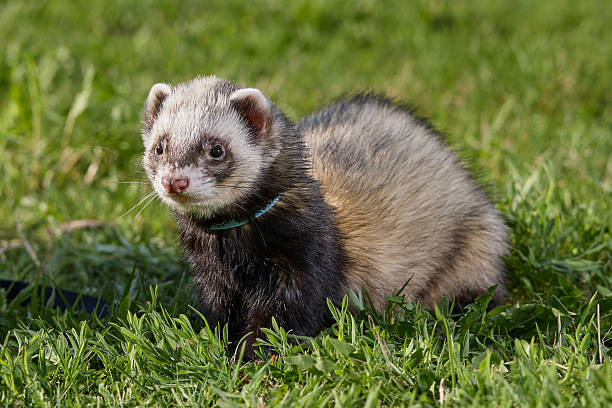
Ferrets are playful, intelligent, and affectionate companions that bring joy to many households. However, like all pets, they have a finite lifespan—typically between 6 to 10 years. As your ferret ages, they may become more susceptible to chronic illness, organ failure, and age-related conditions. This guide is designed to help ferret owners navigate the difficult but loving decision of end-of-life care, providing comprehensive information on the causes of illness, signs and symptoms, diagnostics, treatment options, prognosis, prevention strategies, dietary needs, zoonotic concerns, and ultimately, the emotional and ethical considerations when deciding whether to pursue euthanasia.
Whether you’re a first-time ferret owner or have cared for several, understanding the physical, emotional, and logistical aspects of end-of-life care is essential for ensuring your pet’s final days are peaceful, dignified, and surrounded by love.
Understanding Ferret Lifespan and Aging
Ferrets are considered middle-aged between 3 to 5 years old and “senior” from 6 years onward. As they age, their bodies begin to decline; organ function slows, immune systems weaken, and the risk of chronic disease increases dramatically. Unlike dogs or cats, ferrets age more rapidly, meaning health deterioration can seem sudden.
Common Causes of Death in Ferrets:
- Adrenal Disease – Hormonal tumors affecting the adrenal glands.
- Insulinoma – Tumors in the pancreas leading to low blood sugar.
- Lymphoma – A malignant cancer of the lymphatic system.
- Cardiomyopathy – Degenerative heart disease.
- Gastrointestinal Obstructions – Often due to ingestion of foreign objects.
- Renal (Kidney) Failure – Chronic or age-related decline in kidney function.
- Dental Disease – Leading to pain, infection, and systemic illness.
- Infectious Diseases – Such as influenza or Aleutian disease.
While some conditions can be managed for months or even years, others progress quickly and severely compromise quality of life. Recognizing the signs and being prepared with knowledge can help you make informed decisions.
Signs and Symptoms of Illness in Senior Ferrets
Ferrets are masters at hiding pain and illness—a survival instinct from their wild ancestors. By the time visible symptoms appear, the disease may already be advanced. As a responsible owner, you must remain vigilant for subtle changes in behavior, appetite, and activity.
Behavioral Changes:
- Lethargy or decreased playfulness.
- Sleeping more than usual (exceeding 18–20 hours a day).
- Withdrawal from social interaction.
- Hiding or seeking isolation.
Physical Symptoms:
- Weight loss or muscle wasting (cachexia).
- Poor coat condition—dull, dry, or thinning fur.
- Difficulty moving, stiffness, or reluctance to jump.
- Tremors, twitching, or seizures (common with insulinoma).
- Swollen abdomen (ascites or organ enlargement).
- Labored breathing or coughing.
Gastrointestinal and Urinary Signs:
- Decreased appetite or refusal to eat.
- Vomiting (rare in ferrets, but serious when it happens).
- Diarrhea or mucousy stools.
- Straining to urinate or defecate.
- Blood in stool or urine.
Neurological Symptoms:
- Head tilt or circling.
- Stumbling or loss of coordination.
- Excessive drooling.
- Hypoglycemic episodes—glassy eyes, drooling, weakness, seizures (insulinoma).
If you notice any of these signs, especially if persistent or worsening, it’s essential to consult a veterinarian experienced with ferrets (an exotic pet vet).
Diagnosis of Age-Related Illnesses
Accurate diagnosis is the cornerstone of effective treatment and quality-of-life assessment.
Veterinary Examination:
A thorough physical exam is the first step. The veterinarian will assess:
- Heart and lung sounds.
- Lymph node size.
- Abdominal palpation for masses.
- Hydration status.
- Dental and oral health.
Diagnostic Tests:
- Blood Work (CBC and Blood Chemistry):
- Evaluates liver, kidney, and pancreatic function.
- Detects anemia, infections, and electrolyte imbalances.
- Essential for diagnosing insulinoma (low blood glucose) and kidney disease.
- Blood Glucose Testing:
- Critical for diagnosing hypoglycemia in suspected insulinoma cases.
- Imaging:
- X-rays: Useful for detecting masses, heart enlargement, or obstruction.
- Ultrasound: Provides real-time imaging of internal organs; can identify adrenal tumors or lymphoma.
- Biopsy:
- Definitive diagnosis of tumors or abnormal tissue.
- Often performed during surgery.
- Urine Analysis:
- Assesses kidney function and detects urinary tract infections.
- Ferret-Specific Tests:
- Insulin-to-glucose ratio: Helps confirm insulinoma.
- Adrenal hormone testing: ELISA or hormone panels detect adrenal disease.
Early diagnosis allows for timely intervention, but in end-stage disease, the goal may shift from cure to comfort care.
Treatment Options and Management of Chronic Conditions
Many age-related conditions in ferrets are incurable but manageable. The goal of treatment is to improve quality of life and extend longevity with dignity.
Insulinoma:
- Medical Management:
- Prednisone or Prednisolone: Increases blood glucose.
- Diazoxide: Prevents insulin release.
- Frequent small meals (every 2–4 hours during wakefulness).
- Karo syrup or honey on gums during hypoglycemic episodes (emergency use).
- Surgical Management:
- Partial pancreatectomy to remove visible tumors.
- Not curative—tumors often recur.
- Prognosis: 6 months to 2 years with treatment.
Adrenal Disease:
- Medical Management:
- Deslorelin acetate implants: Long-term hormone suppression.
- Leuprolide acetate (Lupron): Monthly injections.
- Surgical Management:
- Adrenalectomy—removal of affected adrenal gland.
- Riskier in older ferrets due to anesthesia.
- Prognosis: Controlled for months to years; recurrence possible.
Lymphoma:
- Chemotherapy:
- Protocols using vincristine, cyclophosphamide, prednisone.
- Requires commitment and monitoring.
- Palliative Care:
- Prednisone may temporarily shrink tumors.
- Prognosis: Poor; survival often 1–6 months.
Heart Disease (Cardiomyopathy):
- Medications:
- Enalapril or benazepril: For congestive heart failure.
- Furosemide (Lasix): Reduces fluid buildup.
- Pimobendan: Improves heart contractility.
- Low-sodium diet may be recommended.
- Prognosis: 6 months to 2 years depending on severity.
Kidney Failure:
- Subcutaneous Fluids: At-home administration to prevent dehydration.
- Phosphate Binders and Renal Diets.
- Erythropoietin (in some cases): For anemia.
- Prognosis: Poor to guarded; weeks to months in advanced stages.
Gastrointestinal Obstruction:
- Often caused by ingestion of rubber, foam, or hairballs.
- Emergency surgery may be required.
- Prevention: Ferret-proof environment.
Supportive Care:
- Hydration: Subcutaneous fluids if eating/drinking poorly.
- Nutritional Support: Syringe feeding high-calorie supplements (e.g., Critical Care or baby food).
- Pain Management: Buprenorphine, meloxicam (if kidneys allow).
- Warm Environment: Use heating pads (low setting) to maintain body temperature.
Quality of Life Assessment: The “HHHHHMM” Scale
Developed by Dr. Alice Villalobos, a veterinary oncologist, the HHHHHMM Scale is widely used to evaluate pet quality of life. Each category is scored from 0 to 10.
- Hurt – Is pain controlled?
- Hunger – Is the ferret eating enough?
- Hydration – Is the ferret dehydrated?
- Hygiene – Is the ferret clean? Free from sores?
- Happiness – Does the ferret interact? Does it show enjoyment?
- Mobility – Can it move? Is it incontinent?
- More good days than bad?
A total score below 35 may indicate declining quality of life and a conversation about euthanasia. This tool helps owners avoid prolonging suffering out of love.
When to Consider Euthanasia
Euthanasia is one of the most compassionate acts a pet owner can make. It is not giving up—it is preventing unnecessary suffering.
Indicators That Euthanasia May Be Appropriate:
- Persistent pain not controlled by medication.
- Inability to eat or drink without force-feeding.
- Recurrent seizures or collapse.
- Labored breathing or persistent coughing.
- Incontinence with sores or infections.
- No interest in surroundings or interaction.
- Chronic vomiting or diarrhea leading to dehydration.
- Prognosis of days to weeks with declining condition.
Emotional Aspects:
Many owners feel guilt or doubt. It’s important to remember:
- You are sparing your ferret pain and fear.
- Death at home with you is peaceful, unlike dying alone or in distress.
- Your ferret trusts you to make this decision.
Choosing the Setting:
- At the Vet Clinic: Controlled environment, access to medications.
- In-Home Euthanasia: Increasingly available; allows ferret to pass in familiar surroundings.
Discuss your preferences with your vet in advance.
The Procedure:
Euthanasia typically involves:
- Sedation (to calm the ferret).
- Injection of a barbiturate that stops the heart and brain function.
It is quick, painless, and peaceful. Some ferrets take a final breath or twitch—this is normal.
Aftercare:
Options include:
- Individual cremation (ashes returned).
- Communal cremation (no ashes returned).
- Burial (if local regulations allow).
Some owners create memory boxes with collar, photos, or paw prints.
End-of-Life Care at Home
When curative treatment is no longer possible, palliative (comfort-focused) care is the priority.
Creating a Comfort Zone:
- Soft, warm bedding.
- Quiet, low-stress environment.
- Easy access to food, water, and litter box.
- Use of heating pads (set to low; never direct contact).
Feeding Strategies:
- Offer favorite foods—even high-fat or sugary ones if safe (e.g., baby food with meat).
- Syringe feeding: 5–25 ml every 4–6 hours, depending on size.
- Warming food slightly may enhance smell and appeal.
Hydration:
- Offer water via dropper or syringe.
- Administer subcutaneous fluids if trained by a vet.
Pain Management:
- Follow vet-prescribed medications.
- Monitor for signs of pain: hunched posture, teeth grinding, restlessness.
Monitoring:
Keep a daily log of:
- Food/water intake.
- Mobility.
- Mood and interaction.
- Any seizures, vomits, or accidents.
This helps track trends and make informed decisions.
Prognosis and Complications of Common Diseases
| Condition | Average Prognosis with Treatment | Common Complications |
|---|---|---|
| Insulinoma | 6 months – 2 years | Hypoglycemic seizures, weight loss, neurologic decline |
| Adrenal Disease | 1–3 years | Hair loss, muscle atrophy, reproductive issues |
| Lymphoma | 1–6 months | Organ failure, respiratory distress, lethargy |
| Cardiomyopathy | 6 months – 2 years | Fluid buildup (ascites, pulmonary edema), weakness |
| Renal Failure | Weeks – months | Dehydration, vomiting, anorexia, lethargy |
| GI Obstruction | Poor if untreated; good if surgery early | Peritonitis, sepsis, death |
Note: Prognosis varies greatly based on early detection, treatment access, and individual ferret resilience.
Prevention: Promoting Longevity and Health
While aging is inevitable, many diseases can be delayed or prevented.
Diet and Nutrition
Nutrition is foundational to ferret health. Ferrets are obligate carnivores—they require a high-protein, high-fat diet with minimal carbohydrates.
- Ideal Diet:
- Commercial ferret food with ≥30% protein, ≥15% fat, <3% fiber, <3% carbs.
- Or high-quality kitten food (must meet above criteria).
- Avoid:
- Sugary treats, fruits, vegetables, dairy—ferrets cannot digest plant matter.
- Human junk food, chocolate, caffeine—highly toxic.
- Feeding Tips:
- Free-feed dry food (ferrets eat small, frequent meals).
- Offer raw or cooked meat occasionally (chicken, turkey, beef—boneless).
- Always provide fresh water.
Regular Veterinary Care
- Annual (or biannual for seniors) check-ups.
- Blood work starting at age 3.
- Dental exams—ferrets are prone to periodontal disease.
Environmental Enrichment
- Provide tunnels, hammocks, toys.
- Supervised playtime outside the cage (4+ hours daily).
- Mental stimulation: puzzle feeders, scent games.
Vaccinations
- Distemper Vaccine: Essential—100% fatal if contracted.
- Initial series at 6, 9, 12 weeks; annual booster.
- Rabies Vaccine: Required in some areas; consult your vet.
Spaying/Neutering
- Prevents adrenal and reproductive diseases.
- Early neutering (before 6 months) linked to adrenal disease—consider deslorelin implants or late neutering in some cases.
Ferret-Proofing the Home:
- Remove rubber, foam, or small objects they can ingest.
- Secure cabinets, cords, and escape routes.
Zoonotic Risk: Can Ferrets Transmit Diseases to Humans?
Zoonosis refers to diseases that can pass from animals to humans. While rare, ferrets can carry some zoonotic pathogens.
Common Zoonotic Concerns:
- Influenza (Flu):
- Ferrets are highly susceptible and can pass human flu strains back.
- Symptoms: Sneezing, coughing, fever, lethargy.
- Prevention: Avoid contact if you’re sick; wash hands.
- Giardia:
- Parasite causing diarrhea in ferrets and humans.
- Transmission: Fecal-oral route.
- Prevention: Clean litter boxes, hygiene, test if symptomatic.
- Ringworm (Dermatophytosis):
- Fungal skin infection.
- Appears as hairless, scaly patches.
- Transmitted via spores; treat environment.
- Salmonella:
- Rare but possible, especially with raw diets.
- Practice good food hygiene.
- Helicobacter:
- Bacteria causing ulcers; potential zoonotic link.
Minimizing Risk:
- Wash hands after handling ferret or cleaning cage.
- Avoid kissing or sharing food with ferret.
- Keep sick ferrets isolated.
- Treat illness promptly.
Overall, zoonotic risks are low with proper hygiene.
Emotional Support for Ferret Owners
Losing a pet is a profound emotional event. Ferrets, with their energetic and affectionate nature, form strong bonds.
Grief is Normal:
- Feelings of sadness, guilt, anger, or emptiness are common.
- There is no “right” timeline for healing.
Coping Strategies:
- Talk to friends, family, or a pet loss support group.
- Write a letter to your ferret.
- Create a photo album or memorial.
- Consider professional counseling.
Memorials:
- Plant a tree or flower in their honor.
- Donate to a ferret rescue.
- Frame collar or ID tag.
When to Get Another Ferret:
- Only when you’re emotionally ready.
- Some find comfort in rescuing another ferret; others need time.
- Never replace—honor the unique bond.
Conclusion: Making the Right Decision with Love
Deciding when to say goodbye to your ferret is one of the hardest choices you’ll face as a pet owner. But with knowledge, compassion, and the support of experienced veterinary care, you can ensure your ferret’s final days are filled with comfort, dignity, and love.
End-of-life care is not about curing—it’s about cherishing. It’s about being present in the quiet moments, offering warmth, and feeding them favorite treats. It’s about making the selfless decision to prevent suffering.
You are your ferret’s advocate, caregiver, and best friend. Trust your instincts. Trust your vet. And above all, know that you did everything in your power to give them a happy, healthy life—and a peaceful passing.
Let this guide serve as a roadmap through one of the most tender phases of pet companionship. Your ferret may be small in size, but their impact on your heart is immeasurable.
#FerretCare, #SeniorFerret, #FerretHealth, #EndOfLifeCare, #FerretEuthanasia, #FerretOwner, #FerretLove, #FerretLife, #FerretInsulinoma, #AdrenalDiseaseInFerrets, #FerretCancer, #FerretGrief, #SayGoodbyeWithLove, #FerretMemorial, #FerretHospice, #FerretPalliativeCare, #FerretNutrition, #FerretVet, #ZoonoticDiseases, #FerretOwnerSupport, #FerretFamily, #FerretDiaries, #FerretAwareness, #ExoticPets, #FerretOwnerGuide, #FerretRecovery, #FerretRescue, #InLovingMemory, #FerretLifeJourney, #PetLossSupport




Add comment