
Introduction: The Architects of Feline Homeostasis
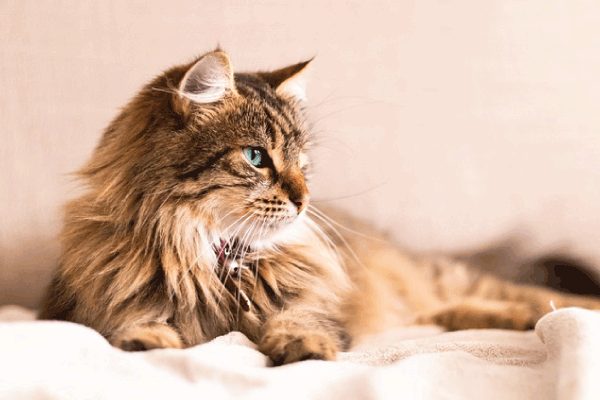
The domestic cat (Felis catus) is a marvel of biological precision, possessing an anatomy perfectly structured for predatory efficiency, agility, and survival. While the visible structures—the skeletal frame, the muscular system, and the sensory organs—are essential for its life, the true orchestra director of the cat’s internal environment is a remarkably complex and subtle communications network: the Endocrine System.
The endocrine system, alongside the nervous system, governs virtually every physiological process, from growth and reproduction to metabolism, stress response, and the maintenance of essential chemical balances (a state known as homeostasis). Unlike the nervous system, which relies on rapid electrical signals, the endocrine system operates via chemical messengers—hormones—released directly into the bloodstream. These hormones travel throughout the body, seeking out specific target cells equipped with corresponding receptors, dictating pace, function, and timing across the entire biological architecture.
This comprehensive guide delves into the intricate structure and function of the major endocrine glands in the cat, exploring how they interact, the essential hormones they produce, and the critical clinical relevance of these systems, which are disproportionately affected by common feline diseases.
I. Anatomical Context: The Endocrine System in the Feline Body Plan
Before examining the endocrine glands individually, it is crucial to place them within the broader anatomical context of the cat. Endocrine glands are generally ductless, meaning their secretions (hormones) are released directly into the interstitial fluid and subsequently into the circulatory system. These glands are highly vascularized to facilitate rapid hormone distribution.
The feline endocrine axis is fundamentally conserved across mammals, but specific metabolic pathways, particularly concerning glucose regulation and thyroid function, exhibit unique adaptations that make feline physiology distinct from canine or human models.
Endocrine System Fundamentals
The system operates based on complex negative feedback loops. If the level of a certain hormone or the effect it produces (e.g., blood calcium levels) deviates from the set point, the system initiates action to correct the imbalance.
Key Components of the Feline Endocrine System:
- Hypothalamic-Pituitary Axis: The master control center.
- Thyroid and Parathyroid Glands: Metabolism and mineral balance.
- Adrenal Glands: Stress, immunity, and fluid balance.
- Pancreas (Endocrine Portion): Glucose homeostasis.
- Gonads (Ovaries/Testes): Reproduction and secondary characteristics.
- Other Tissues: Pineal gland, kidneys, gastrointestinal tract.
II. The Master Regulators: The Hypothalamic-Pituitary Axis
The intricate connection between the hypothalamus (part of the brain) and the pituitary gland (a pea-sized structure nestled in the sella turcica of the sphenoid bone) forms the central organizational unit of the endocrine system. The hypothalamus acts as the chief liaison, sensing environmental changes and signaling the pituitary, which in turn regulates the peripheral endocrine glands.
A. The Hypothalamus
The hypothalamus integrates nervous system information (like stress, temperature, and light cycles) and translates it into endocrine action. It produces specialized Releasing Hormones (RH) and Inhibiting Hormones (IH) that primarily target the anterior pituitary.
- Key Function: Synthesizes hormones that travel down the hypothalamic-hypophyseal portal system to the anterior pituitary, or down the neural stalk to be stored in the posterior pituitary.
B. The Pituitary Gland (Hypophysis)
Often called the “Master Gland,” the pituitary is divided into two functionally distinct lobes:
1. The Anterior Pituitary (Adenohypophysis)
This lobe produces and releases six major peptide hormones, many of which are trophic hormones—meaning they stimulate the activity of other endocrine glands:
- Growth Hormone (GH) or Somatotropin: Primarily regulates growth and metabolism, specifically promoting protein synthesis and fat utilization. In older cats, excessive GH production (often due to pituitary tumors) can lead to Acromegaly, a severe condition characterized by insulin resistance, organomegaly, and skeletal changes.
- Thyroid-Stimulating Hormone (TSH): Stimulates the thyroid gland to produce and release T3 and T4. TSH release is tightly controlled by Thyrotropin-Releasing Hormone (TRH) from the hypothalamus.
- Adrenocorticotropic Hormone (ACTH): Stimulates the adrenal cortex to synthesize and secrete glucocorticoids (like cortisol). This is the apex of the stress axis (HPA axis).
- Follicle-Stimulating Hormone (FSH) and Luteinizing Hormone (LH): Gonadotropins essential for reproduction, regulating ovarian function (estrus cycles, follicle maturation) and testicular function (spermatogenesis, testosterone production).
- Prolactin: Primarily associated with lactation, stimulating milk production post-parturition.
2. The Posterior Pituitary (Neurohypophysis)
This lobe does not synthesize hormones; rather, it stores and releases two hormones produced by the hypothalamic nuclei:
- Antidiuretic Hormone (ADH) or Vasopressin: Critical for water balance. ADH increases the permeability of the renal collecting ducts, allowing water to be reabsorbed back into the bloodstream, thus concentrating urine and preventing dehydration. Deficiency in ADH results in Diabetes Insipidus, characterized by excessive thirst (polydipsia) and urination (polyuria).
- Oxytocin: Known for its role in muscle contraction, specifically stimulating uterine contraction during labor and promoting milk let-down during nursing. It also plays a role in feline social bonding and maternal behavior.
III. Metabolism, Growth, and Calcium Regulation
The thyroid and parathyroid glands, located together in the cervical region, are indispensable for maintaining the body’s metabolic pace and mineral purity.
A. The Thyroid Gland
The feline thyroid gland consists of two paired lobes situated next to the trachea, just caudal to the larynx. It is the primary regulator of the cat’s basal metabolic rate (BMR).
1. Thyroid Hormones (T3 and T4)
The thyroid produces two iodine-containing hormones: Thyroxine (T4) and the more potent Triiodothyronine (T3). T4 is secreted in larger quantities and serves as a prohormone, converted to active T3 in peripheral tissues.
- Anatomy of Action: T3 and T4 penetrate nearly every cell in the cat’s body. They bind to intracellular receptors, activating mitochondrial function, increasing oxygen consumption, and stimulating the synthesis of metabolic enzymes.
- Key Functions:
- Metabolic Rate: Increases the overall rate of cellular respiration and energy production (ATP).
- Thermogenesis: Crucial for maintaining body temperature.
- Cardiovascular Effects: Increases heart rate and contractility.
- Growth and Development: Essential for the nervous system maturation in kittens.
Clinical Relevance: Feline Hyperthyroidism
Hyperthyroidism is arguably the most common and significant endocrine disease observed in older cats, typically caused by a benign adenomatous hyperplasia or adenoma (tumor) of one or both thyroid lobes.
- Pathophysiology: Excess active T3/T4 overwhelms the body’s negative feedback loop, leading to chronic systemic overstimulation.
- Clinical Signs: Weight loss despite a ravenous appetite (polyphagia), restlessness, increased thirst (polydipsia), vomiting, and a noticeable thickening of the nail beds. Untreated hyperthyroidism results in severe cardiac stress (tachycardia, cardiomyopathy) and muscle wasting.
2. Calcitonin
Produced by the parafollicular C-cells of the thyroid, Calcitonin plays a minor role (relative to PTH) in decreasing blood calcium levels, usually by inhibiting bone resorption.
B. The Parathyroid Glands
These four tiny glands (two external, two internal) are intimately associated with or embedded within the thyroid tissue. Their function is absolute: the meticulous maintenance of calcium and phosphorus levels.
Parathyroid Hormone (PTH)
PTH is the single most important hormonal regulator of calcium homeostasis in the cat. It acts rapidly and powerfully to raise blood calcium levels when they drop too low.
- Mechanism of Action:
- Bone: Stimulates osteoclasts to dissolve bone matrix, releasing calcium and phosphate into the blood.
- Kidney: Increases renal reabsorption of calcium while promoting phosphate excretion.
- Intestine: Activates Vitamin D (Calcitriol), which enhances calcium absorption from the digestive tract.
- Clinical Relevance: Disruptions (e.g., primary hyperparathyroidism or secondary nutritional hyperparathyroidism) profoundly affect bone integrity, nerve function, and cardiac rhythm.
IV. Stress Management, Immunity, and Electrolyte Balance: The Adrenal Glands
The paired adrenal glands sit cranially to the kidneys, structurally and functionally divided into two distinct zones: the outer cortex and the inner medulla.
A. The Adrenal Cortex
The cortex produces essential steroid hormones (corticosteroids) from cholesterol. It is stratified into three layers (zones), each producing a specific class of hormone:
1. Mineralocorticoids (Zona Glomerulosa)
- Primary Hormone: Aldosterone.
- Function: Controls electrolyte balance, particularly sodium and potassium. Guided by the Renin-Angiotensin-Aldosterone System (RAAS), aldosterone instructs the kidneys to retain sodium (and thus water) and excrete potassium, crucial for maintaining blood volume and blood pressure.
2. Glucocorticoids (Zona Fasciculata)
- Primary Hormone: Cortisol (hydrocortisone).
- Function: The principal mediator of the long-term stress response, affecting nearly every metabolic system.
- Metabolism: Promotes gluconeogenesis (creating glucose from non-carbohydrate sources like protein), ensuring the brain has fuel during prolonged stress or fasting.
- Immunity: Acts as a powerful natural anti-inflammatory and immunosuppressant, suppressing leukocyte function. (This effect is harnessed clinically via steroid medications.)
- Catabolism: Promotes the breakdown of protein and fat reserves.
3. Gonadocorticoids (Zona Reticularis)
- Function: Produces small amounts of androgens (like DHEA) and estrogens. While less prominent than gonadal hormones, these support secondary sexual characteristics.
Clinical Relevance: Adrenal Dysfunctions
- Hyperadrenocorticism (Cushing’s Syndrome): Caused by excessive cortisol, often due to a pituitary tumor (central) or an adrenal tumor (peripheral). While classic signs seen in dogs (pot belly, bilateral alopecia) may be less pronounced, feline Cushing’s frequently presents with extremely fragile skin, muscle atrophy, and severe insulin resistance.
- Hypoadrenocorticism (Addison’s Disease): A failure of the adrenal cortex to produce sufficient glucocorticoids and/or mineralocorticoids. Although rarer in cats than in dogs, it leads to dangerous imbalances in electrolytes (high potassium, low sodium) and an inability to cope with stress.
B. The Adrenal Medulla
This inner core is composed of specialized neuroendocrine cells (chromaffin cells) derived from the nervous system.
- Hormones: Catecholamines (Epinephrine/Adrenaline and Norepinephrine/Noradrenaline).
- Function: Mediates the immediate, short-term “Fight or Flight” response. These hormones increase heart rate, blood pressure, dilate bronchioles, and trigger rapid mobilization of glucose stores (glycogenolysis) for immediate energy.
V. Glucose Homeostasis and the Pancreas
The pancreas is unique in that it serves both an exocrine function (producing digestive enzymes) and a vital endocrine function, residing in specialized clusters of cells called the Islets of Langerhans.
A. Structure of the Islets of Langerhans
The islets contain distinct cell types, each producing a different regulatory peptide:
- Beta ($\mathbf{\beta}$) Cells (60-80%): Produce Insulin.
- Alpha ($\mathbf{\alpha}$) Cells (15-20%): Produce Glucagon.
- Delta ($\mathbf{\delta}$) Cells (3-10%): Produce Somatostatin.
B. Hormones of Glucose Regulation
1. Insulin
- Function: The body’s primary anabolic (building) hormone, responsible for lowering blood glucose levels after a meal.
- Mechanism: Insulin binds to receptors on target cells (muscle, liver, adipose tissue), signaling the cells to open GLUT-4 transporters and take up glucose from the bloodstream for use or storage (as glycogen in the liver or fat in adipose tissue). Insulin also promotes protein and fat synthesis.
2. Glucagon
- Function: The physiological antagonist to insulin. Glucagon raises blood glucose levels during periods of fasting or hypoglycemia.
- Mechanism: Stimulates the liver to break down stored glycogen (glycogenolysis) and generate new glucose (gluconeogenesis).
3. Somatostatin
- Function: Acts locally within the islet to inhibit the secretion of both insulin and glucagon, moderating the entire glucose response.
Clinical Relevance: Feline Diabetes Mellitus (DM)
Diabetes in cats is predominantly Type 2 DM (insulin resistance), unlike the Type 1 DM more common in dogs.
- Pathophysiology: Over time, often due to obesity and high-carbohydrate diets, feline tissues become less responsive to insulin (resistance). The Beta cells initially overproduce insulin but eventually become exhausted and fail, leading to an absolute or functional insulin deficiency.
- Clinical Signs: Polyuria and polydipsia (due to glucose spilling into the urine, dragging water with it via osmotic diuresis), weight loss despite a good appetite, and potential diabetic peripheral neuropathy (weakness in the hind limbs, leading to plantigrade posture).
VI. Reproduction and Development: The Gonads
The ovaries in females and the testes in males are essential endocrine organs, controlled by the pituitary hormones FSH and LH.
A. Ovaries (Females)
The cyclical nature of the cat’s reproductive system is entirely hormone-driven.
- Estrogens (e.g., Estradiol): Produced by developing follicles. They regulate the female reproductive tract development, trigger secondary sexual characteristics, and initiate the behavioral signs of estrus (“heat”).
- Progesterone: Produced by the corpus luteum (following ovulation). Its primary function is the maintenance of pregnancy, suppressing uterine contraction and promoting mammary gland development.
B. Testes (Males)
- Testosterone (Androgen): Produced by the Leydig cells. Essential for spermatogenesis, the development of male secondary sexual characteristics (e.g., prominent jowls in intact males), libido, and male-specific territorial behaviors (e.g., spraying).
VII. Other Endocrine Tissues and Emerging Concepts
The traditional view of the endocrine system is expanding, recognizing specialized hormone production in tissues previously considered non-endocrine.
A. The Pineal Gland
Located deep within the brain, the pineal gland responds to light-dark cycles, relaying environmental information to the body.
- Hormone: Melatonin.
- Function: Regulates circadian rhythms, sleep cycles, and seasonal reproductive cycles, particularly in outdoor cats responding to photoperiod changes.
B. Kidney and Heart
While primarily excretory and circulatory organs, these tissues produce critical endocrine signaling molecules:
- Kidneys: Produce Erythropoietin (EPO), which stimulates red blood cell production in the bone marrow; and Renin, a key enzyme in the initiation of the RAAS pathway (regulating blood pressure).
- Heart (Atria): Produces Atrial Natriuretic Peptide (ANP) in response to high blood volume. ANP acts as a counter-regulatory hormone to aldosterone, promoting sodium and water excretion to lower blood volume and pressure.
C. Gastrointestinal Tract (Enteroendocrine System)
The digestive system produces numerous hormones that coordinate digestion, metabolism, and satiety.
- Examples: Gastrin (stimulates gastric acid secretion), Secretin, Cholecystokinin (CCK), and the important Incretins (GIP, GLP-1). Incretins are released upon food ingestion to potentiate insulin secretion, highlighting the complex integration of digestion and glucose metabolism.
VIII. Conclusion: The Delicate Endocrine Balance
The endocrine system in the cat is a testament to biological complexity and fine-tuned regulation. From the pico-molar concentrations of T3 controlling the entire cellular metabolic drive, to the precision of insulin preventing catastrophic glucose spikes, the survival and health of the cat depend entirely on the integrity of these chemical communications.
Understanding the anatomy and function of these glands is not merely an academic exercise; it is crucial for feline veterinary medicine. Because the cat’s physiology is uniquely susceptible to certain dysfunctions (such as hyperthyroidism and Type 2 Diabetes), a deep comprehension of the hypothalamus, pituitary, thyroid, adrenal, and pancreas allows veterinarians to diagnose subtle pathologies, interpret blood chemistry panels, and intervene effectively. When the endocrine symphony falters, the cascade of systemic failure can be rapid and severe. Maintaining this complex internal communication network is central to ensuring the cat’s long-term health and quality of life.
#FelineEndocrineSystem, #CatAnatomy, #VetMed, #FelineHealth, #CatPhysiology, #HyperthyroidismInCats, #FelineDiabetes, #CatBiology, #EndocrineGlands, #PetHealth, #VeterinaryScience, #FelineThyroid, #CatMetabolism, #HypothalamusPituitaryAxis, #FelineCare, #ScienceOfCats


Add comment