
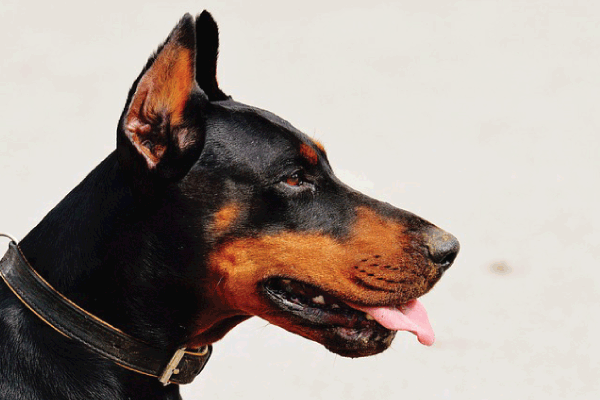
An endoscopy in dogs is a minimally invasive medical procedure that allows a veterinarian to visualize the internal organs and collect samples without the need for traditional open surgery. It uses a long, flexible tube called an endoscope, which has a tiny camera and light source at its tip. This endoscope transmits images to a monitor, allowing the vet to see the inside of various body cavities.
Here’s a detailed breakdown:
What is an Endoscopy?
Definition: A procedure using an endoscope (flexible or rigid tube with a camera and light) to examine the interior of an organ or body cavity.
Purpose:
Diagnostic: To visually inspect the lining of organs, identify abnormalities (inflammation, ulcers, tumors, foreign bodies), and collect tissue samples (biopsies) for laboratory analysis.
Therapeutic: To remove foreign objects, retrieve polyps, or perform other minor procedures.
Why is an Endoscopy Performed in Dogs? (Indications)
Endoscopy is often recommended when other diagnostic tests (e.g., X-rays, ultrasound, blood tests) haven’t provided a definitive diagnosis for persistent or chronic problems.
Common reasons include:
Gastrointestinal (GI) Issues (Most Common):
Chronic Vomiting or Regurgitation: To investigate the esophagus, stomach, and upper small intestine (duodenum) for inflammation, ulcers, tumors, or strictures.
Chronic Diarrhea: To examine the colon and/or small intestine for inflammatory bowel disease (IBD), polyps, or other abnormalities.
Weight Loss and Poor Appetite: When the cause is unknown.
Difficulty Swallowing (Dysphagia) or Excessive Drooling: To check the esophagus.
Foreign Body Ingestion: One of the most common reasons, to locate and remove objects from the esophagus, stomach, or upper small intestine without surgery.
Gastrointestinal Bleeding: To identify the source of bleeding.
Suspected Tumors or Polyps: To visualize and biopsy suspicious growths.
Respiratory Issues (Bronchoscopy and Rhinoscopy):
Chronic Coughing or Difficulty Breathing: To examine the trachea and bronchi (airways) for inflammation, infection, foreign bodies, or collapsing airways. (Bronchoscopy)
Chronic Nasal Discharge, Sneezing, or Nosebleeds: To visualize the nasal passages for foreign bodies, polyps, tumors, or fungal infections. (Rhinoscopy)
Urinary Issues (Cystoscopy):
Recurrent Urinary Tract Infections (UTIs): To examine the bladder and urethra for stones, polyps, or anatomical abnormalities.
Blood in Urine (Hematuria): To identify the source.
Urinary Incontinence: To evaluate the urethra and bladder sphincter.
Reproductive Issues (Vaginoscopy):
To examine the vagina and cervix for abnormalities, infections, or during infertility evaluations.
Types of Endoscopy in Dogs
The name of the procedure usually reflects the area being examined:
Gastroduodenoscopy (or Upper Endoscopy): Esophagus, stomach, and duodenum (first part of the small intestine).
Colonoscopy (or Lower Endoscopy): Rectum, colon, and sometimes the distal ileum (last part of the small intestine).
Bronchoscopy: Trachea (windpipe) and bronchi (airways in the lungs).
Rhinoscopy: Nasal passages.
Cystoscopy: Urethra and bladder.
Vaginoscopy: Vagina and cervix.
Otoscopy: While often done with specialized, rigid otoscopes, it’s essentially an endoscopic examination of the ear canal.
The Endoscopy Procedure
Anesthesia: The dog must be under general anesthesia for an endoscopy. This ensures they remain still, comfortable, and pain-free throughout the procedure, and allows for safe insertion of the endoscope.
Preparation: Depending on the area, the dog may be positioned on their back or chest.
Scope Insertion: The endoscope is carefully inserted into the body opening (mouth, rectum, nostril, urethra) relevant to the area being examined.
Visualization: The veterinarian guides the endoscope, observing the internal structures on a monitor. Air or water may be gently insufflated to expand the organ for better visualization.
Biopsies: If abnormalities are found, tiny forceps can be passed through a channel in the endoscope to collect small tissue samples (biopsies). These samples are then sent to a pathology lab for microscopic examination.
Therapeutic Interventions: If a foreign body is present, specialized grasping tools, snares, or baskets can be passed through the scope to retrieve it.
Duration: The procedure typically lasts between 30 minutes to 2 hours, depending on the complexity and whether therapeutic interventions are required.
Preparation for an Endoscopy
Proper preparation is crucial for a successful endoscopy:
Fasting: For GI endoscopies, the dog will need to fast from food for 12-24 hours prior to the procedure to ensure the stomach and upper small intestine are empty. Water may also be restricted for a few hours before.
Bowel Preparation (for Colonoscopy): If a colonoscopy is being performed, the dog will require specific dietary restrictions (e.g., easily digestible food for a few days) and a specialized bowel cleansing regimen (e.g., oral laxatives, enemas) for 12-24 hours beforehand to ensure the colon is completely clean.
Pre-Anesthetic Workup: Blood tests and sometimes other diagnostics (e.g., chest X-rays) are performed to ensure the dog is a good candidate for anesthesia.
Medications: Your vet will provide specific instructions regarding any regular medications your dog is taking.
Recovery and Aftercare
Go Home Same Day: Most dogs can go home the same day, once they have fully recovered from anesthesia.
Grogginess: They may be a bit drowsy or confused for the rest of the day.
Mild Discomfort: Dogs may experience mild discomfort, such as a sore throat (after an upper GI endoscopy or bronchoscopy) or gas (from the air used to inflate the organs).
Feeding: Your vet will provide specific instructions on when and what to feed your dog after the procedure.
Biopsy Results: It usually takes several days to a week to receive biopsy results from the pathology lab.
Risks and Complications
While generally safe, all procedures involving anesthesia carry some risks. Specific risks with endoscopy are low but can include:
Anesthetic Complications: Rare but possible, including adverse reactions to drugs or cardiopulmonary issues.
Perforation: Very rarely, the endoscope could inadvertently puncture the wall of an organ, which is a serious complication requiring emergency surgery.
Bleeding: Minor bleeding from biopsy sites is common and usually resolves on its own; significant bleeding is rare.
Infection: Uncommon, especially with proper sterile technique.
Sore Throat or Gas: Temporary and mild.
Benefits of Endoscopy
Minimally Invasive: Avoids the need for major abdominal or thoracic surgery, leading to faster recovery times.
Direct Visualization: Allows the veterinarian to directly see the internal lining of organs in detail, which X-rays or ultrasound cannot always provide.
Targeted Biopsies: Enables precise collection of tissue samples from abnormal areas, leading to a more accurate diagnosis.
Therapeutic Capabilities: Can be used to remove foreign bodies or polyps, preventing the need for more invasive surgery.
Quicker Recovery: Dogs typically recover faster and experience less pain compared to open surgery.
Cost
The cost of endoscopy varies widely depending on your geographic location, the veterinary clinic or specialist performing the procedure, the type of endoscopy, its duration, the number of biopsies taken, and whether a foreign body removal is involved. It is generally less expensive than exploratory surgery but still a significant investment due to the specialized equipment, anesthesia, and the expertise required. Always ask your veterinarian for a detailed estimate.
In summary, endoscopy is an invaluable diagnostic and therapeutic tool in veterinary medicine, allowing for a thorough examination of internal organs with minimal invasiveness, often providing answers when other tests fall short. If your veterinarian recommends an endoscopy for your dog, be sure to discuss all your questions and concerns with them.
====================
#DogEndoscopy, #CanineEndoscopy, #PetEndoscopy, #VetEndoscopy, #EndoscopyForDogs, #VeterinaryEndoscopy, #AnimalEndoscopy, #DogGI, #DogHealth, #PetWellness, #CanineHealth, #VetDiagnosis, #AnimalHealthcare, #PetDiagnostics, #GastrointestinalHealth, #ForeignBodyRemoval, #DogStomach, #InternalMedicineVet, #VeterinaryMedicine, #VetMed, #AnimalHospital, #VetClinic, #Veterinarian, #VetsOfInstagram, #VetLife, #DogsofInstagram, #PetsofInstagram, #DogCare, #PetHealth, #FurryFriends, #HealthyDog, #PetParents, #DogLover, #AdvancedVeterinaryCare





Add comment