
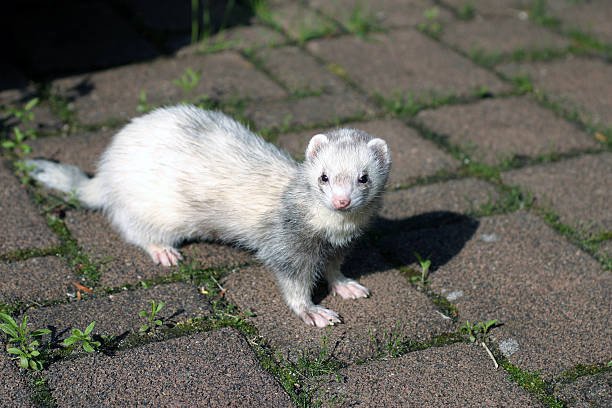
Eosinophilic gastroenteritis is a rare but significant inflammatory bowel disease (IBD) in ferrets, characterized by the infiltration of eosinophils—white blood cells involved in immune responses—into the gastrointestinal tract. This condition can severely impact a ferret’s quality of life if left untreated. As a specialized form of IBD, eosinophilic gastroenteritis presents unique challenges for diagnosis and management. Understanding its causes, symptoms, diagnostic methods, treatment options, and preventive measures is critical for ferret owners and veterinary professionals. This guide provides an exhaustive overview of the condition, offering actionable insights to ensure optimal care for affected ferrets.
Causes of Eosinophilic Gastroenteritis in Ferrets
The exact etiology of eosinophilic gastroenteritis in ferrets remains elusive, but several factors are believed to contribute to its development. One of the most common triggers is a hypersensitivity or allergic reaction to dietary components. Ferrets with this condition may react negatively to certain proteins or additives in their food, leading to chronic inflammation in the gastrointestinal tract. Common culprits include beef, chicken, and cereal grains such as wheat or corn.
Parasitic infections, particularly those caused by nematodes (roundworms) or protozoa like Giardia, are also implicated in some cases. These parasites can provoke an eosinophilic immune response, leading to the infiltration of eosinophils in the gastrointestinal lining. Additionally, chronic infections such as those caused by Giardia or Cryptosporidium may persist despite treatment, contributing to ongoing inflammation.
Allergies to environmental factors, such as bedding materials, cleaning products, or airborne irritants, can also play a role in triggering eosinophilic gastroenteritis. Ferrets with atopic or allergic predispositions may react to these stimuli, leading to systemic inflammation that affects the gastrointestinal tract.
Genetic and immune-mediated factors may also contribute to the condition. While rare, some ferrets may have a hereditary susceptibility to IBD, including eosinophilic gastroenteritis. Autoimmune disorders, where the immune system mistakenly attacks the body’s own tissues, could theoretically lead to persistent eosinophilic infiltration in the gut.
Cannabinoid receptor dysfunction has been proposed as a potential underlying mechanism in IBD in ferrets. These receptors regulate immune responses and inflammation, and their malfunction could impair the body’s ability to control eosinophilic activity in the gastrointestinal tract. However, this theory requires further research to confirm its relevance.
Environmental stressors, such as changes in routine, overcrowding, or inadequate social interaction, can exacerbate the condition in susceptible ferrets. Stress is known to disrupt the gut-brain axis, potentially altering immune responses and promoting chronic inflammation.
In summary, the development of eosinophilic gastroenteritis in ferrets is likely multifactorial, involving a complex interplay of dietary, parasitic, allergic, genetic, and environmental factors. Identifying and addressing these triggers is essential for effective management of the condition.
Signs and Symptoms of Eosinophilic Gastroenteritis in Ferrets
Eosinophilic gastroenteritis in ferrets can present with a range of clinical signs that may overlap with other gastrointestinal disorders, making diagnosis challenging. The symptoms vary in severity depending on the extent of inflammation and the specific layers of the gastrointestinal tract affected. Common clinical manifestations include:
- Weight Loss: One of the most characteristic signs is progressive weight loss due to chronic inflammation and malabsorption of nutrients. Ferrets may appear emaciated despite a normal or increased appetite.
- Altered Bowel Movements: Diarrhea or, in some cases, constipation may occur. Diarrhea is often chronic and may be accompanied by mucus or blood in the feces.
- Anorexia: Affected ferrets may exhibit a decreased appetite, leading to further weight loss and malnutrition.
- Vomiting: Chronic vomiting is less common than in other IBD types but can occur in severe cases. Vomit may contain blood or undigested food.
- Abdominal Discomfort: Ferrets may show signs of abdominal pain, such as restlessness, hunching, or reluctance to be handled.
- Lethargy and Weakness: Generalized weakness and reduced activity levels are often observed in affected ferrets.
- Hypoproteinemia: Chronic inflammation can lead to hypoalbuminemia (low albumin levels), resulting in fluid accumulation in the abdomen (ascites) or generalized edema.
- Gastric or Intestinal Obstruction: In advanced cases, severe inflammation can lead to strictures (narrowing of the gastrointestinal tract), causing symptoms such as vomiting, distention, and reduced fecal output.
- Peritonitis: In rare instances, a perforation of the gastrointestinal tract due to chronic inflammation can lead to peritonitis, a life-threatening condition characterized by severe abdominal pain, fever, and shock.
The variability of symptoms often leads to misdiagnosis, as these signs can resemble other IBD types or conditions such as gastritis, pancreatic disease, or parasitism. A thorough diagnostic workup, including fecal examination, imaging, and histopathological analysis, is essential to confirm the diagnosis of eosinophilic gastroenteritis.
Diagnosing Eosinophilic Gastroenteritis in Ferrets
Diagnosing eosinophilic gastroenteritis in ferrets requires a systematic approach to rule out other potential causes of gastrointestinal inflammation. The diagnostic process typically involves the following steps:
1. Clinical History and Physical Examination
A detailed medical history, including dietary habits, exposure to potential allergens or parasites, and the progression of symptoms, is crucial. Physical examination may reveal signs of weight loss, abdominal discomfort, or distention.
2. Fecal Examination
Fecal analysis is used to identify parasitic infections such as Giardia, Cryptosporidium, or nematodes that may contribute to eosinophilic infiltration. Fecal floatation, sedimentation, and PCR testing can detect microscopic parasites or their DNA.
3. Blood Work
Complete blood count (CBC) and biochemistry profiles may show elevated eosinophil counts, hypoalbuminemia, and indicators of chronic inflammation such as increased globulin levels.
4. Imaging
Radiography or ultrasound can assess gastrointestinal wall thickening, fluid-filled loops, or signs of obstruction. Ultrasound is particularly useful for evaluating the intestinal layers and identifying lymphadenopathy (enlarged lymph nodes).
5. Endoscopic Evaluation
Gastrointestinal endoscopy, although challenging in small animals like ferrets, allows for direct visualization of the gastrointestinal tract and biopsy collection. Endoscopic biopsies are essential for histopathological confirmation.
6. Histopathological Analysis
Definitive diagnosis relies on histopathological examination of gastrointestinal tissue samples. Eosinophilic infiltration in the mucosa, submucosa, or muscular layers is characteristic of this condition. Special stains such as Giemsa or toluidine blue may be used to highlight eosinophils.
7. Ruling Out Other IBD Types
Differentiating eosinophilic gastroenteritis from other IBD types, such as lymphocytic-plasmacytic or granulomatous gastritis, is critical. Histopathological patterns and immune cell profiles can help distinguish these entities.
A multidisciplinary approach involving clinical signs, laboratory findings, and histological evidence is necessary to confirm the diagnosis and tailor an effective treatment plan.
Treatment Options for Eosinophilic Gastroenteritis in Ferrets
Managing eosinophilic gastroenteritis requires a multifaceted approach targeting the underlying causes and alleviating symptoms. Treatment typically involves dietary modifications, parasite control, anti-inflammatory medications, and supportive care.
1. Dietary Management
Dietary changes are often the cornerstone of treatment. A bland, novel protein diet with low fiber and easily digestible ingredients can reduce inflammation. Hydrolyzed protein diets, which use proteins broken down into amino acids, may help avoid allergen exposure. Commonly recommended ingredients include:
- Novel Protein Sources: Venison, rabbit, or duck.
- Low-Fiber Carbohydrates: Potatoes or pumpkin.
- Avoidance of Common Allergens: Eliminate beef, chicken, wheat, soy, and corn.
2. Parasitic Control
If parasitic infection is identified, targeted antiparasitic therapy is essential. Medications such as fenbendazole, praziquantel, or metronidazole may be prescribed based on the specific parasite. Regular fecal exams are necessary to monitor treatment efficacy.
3. Anti-Inflammatory Medications
Corticosteroids (e.g., prednisolone) are commonly used to suppress the immune response and reduce eosinophilic infiltration. Cyclosporine and other immunosuppressive agents may be considered for refractory cases.
4. Antibiotics and Probiotics
In cases of secondary bacterial overgrowth or dysbiosis, antibiotics like tylosin or metronidazole may be prescribed. Probiotics can help restore gut microbiota balance.
5. Surgical Intervention
Severe complications such as strictures or perforations may require surgical excision of affected tissue. Post-operative care is critical to prevent recurrence.
6. Supportive Care
Nutritional supplementation with vitamins (e.g., B-complex, vitamin E) and mineral infusions may be necessary to address deficiencies. Fluid therapy is recommended for dehydrated ferrets.
Prognosis and Complications of Eosinophilic Gastroenteritis
The prognosis for ferrets with eosinophilic gastroenteritis is variable and depends on the severity of disease, treatment compliance, and response to therapy. With appropriate management, many ferrets can achieve remission and maintain a good quality of life. However, complications such as intestinal obstruction, malnutrition, or chronic inflammation can lead to a guarded prognosis.
Common complications include:
- Strictures: Inflammatory strictures can cause partial or complete bowel obstruction.
- Peritonitis: Perforation of the gastrointestinal tract may lead to life-threatening infection.
- Malabsorption: Chronic inflammation impairs nutrient absorption, leading to weight loss and weakness.
- Adhesions: Scar tissue formation can cause complications such as intussusception.
Regular veterinary follow-ups and adherence to prescribed treatment plans are essential to prevent complications and improve long-term outcomes.
Prevention Strategies for Eosinophilic Gastroenteritis
Preventing eosinophilic gastroenteritis involves minimizing exposure to known triggers and maintaining overall gastrointestinal health. Key strategies include:
- Dietary Precautions: Use high-quality, species-appropriate diets and avoid common allergens.
- Parasite Control: Regular deworming and fecal exams to detect and manage parasitic infections.
- Environmental Management: Reduce stress through proper housing, socialization, and clean living conditions.
- Early Intervention: Promptly address any signs of gastrointestinal distress to prevent chronic inflammation.
Dietary Recommendations for Ferrets with Eosinophilic Gastroenteritis
A well-balanced diet is crucial for managing eosinophilic gastroenteritis. Feeding guidelines include:
- High-Protein, Low-Fiber Diets: Ferrets are obligate carnivores, so diets should mimic their natural prey.
- Hydrolyzed Protein Diets: Ideal for allergen avoidance.
- Novel Protein Sources: Novel proteins reduce the risk of allergic reactions.
- Avoidance of Fillers: Eliminate grains, artificial additives, and vegetable proteins.
- Regular Monitoring: Adjust food consistency based on the ferret’s condition (e.g., softened food if vomiting is present).
Supplementation with omega-3 fatty acids (e.g., fish oil) may help reduce inflammation, while probiotics support gut health.
#FerretHealth #IBDInFerrets #EosinophilicGastroenteritis #FerretCare #ExoticPetHealth #FerretDiet #VeterinaryMedicine #PetDisease #FerretParasites #FerretWellness #PetNutrition #IBDManagement #FerretVetCare #PetCareTips #AnimalHealth


Add comment