
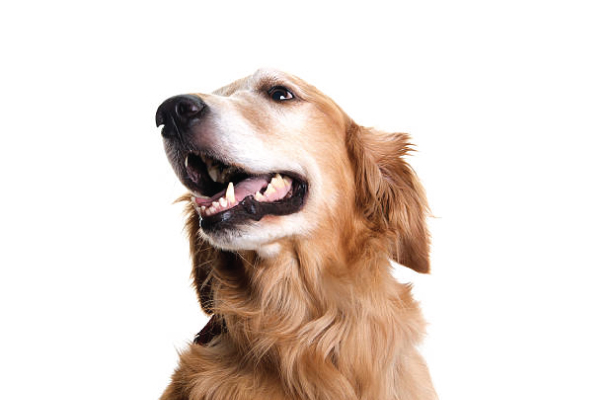
Grooming is more than just aesthetics; it is a fundamental component of a dog’s overall health, preventing painful matting, skin irritations, and detecting lumps or parasites early. While professional grooming is indispensable, routine maintenance at home requires the right toolkit.
This comprehensive guide details the essential equipment necessary for effective, safe, and stress-free home grooming.
I. Brushing and Dematting Tools (The Foundation)
Proper brushing is arguably the most crucial aspect of home care, especially for medium to long-haired breeds. The tools chosen must be appropriate for your dog’s specific coat type (single, double, wire, or smooth).
| Tool | Purpose & Application | Selection Criteria |
| 1. Slicker Brush | The ultimate all-purpose tool. Used to remove loose hair, surface mats, and debris. Essential for nearly all coat types (Poodles, Retrievers, Yorkshire Terriers). | Choose one with fine, bent wire bristles set closely together. An ergonomic handle reduces hand fatigue. Look for self-cleaning models for convenience. |
| 2. Pin Brush | Best for fluffing longer coats, finishing, detangling delicate areas, and dogs with hair rather than fur (like Maltese or Shih Tzus). It penetrates the coat without pulling the skin. | Select a brush with stainless steel pins that have rounded tips to prevent scratching. |
| 3. Undercoat Rake / De-shedding Tool (e.g., Furminator Type) | Required for double-coated breeds (Huskies, German Shepherds, Labs). Designed to pull out the dense, dead undercoat without damaging the guard hairs. | Must be used carefully to avoid “raking burn.” Look for blades with varying tooth lengths to match your dog’s coat depth. |
| 4. Rubber Curry Brush / Grooming Mitt (e.g., Zoom Groom) | Ideal for short, smooth-coated breeds (Boxers, Beagles, Pugs). Excellent for massaging the skin, stimulating oil production, and removing loose shed while bathing. | Choose soft, durable rubber or silicone. |
| 5. Metal Comb (Greyhound or Combination Comb) | The indispensable “check tool.” Used after brushing to ensure the brush has removed all mats down to the skin. One end typically has wide teeth, the other has fine teeth. | Must be solid stainless steel. A 50/50 combination comb is the most versatile option. |
Pro Tip: The “Comb Check” Principle
If the metal comb cannot glide effortlessly through the coat, there is still matting. Never rush to bathe a matted dog, as water tightens mats, making them impossible to remove without shaving.
II. Nail Care Tools
Regular nail trimming (every 3–4 weeks) is crucial. Overgrown nails cause pain, affect posture, and can lead to serious joint problems.
| Tool | Purpose & Application | Safety Note |
| 6. Scissor/Plier Style Clippers | The standard choice for most medium to large dogs. Offers high leverage and precision, easily cutting through thick, hard nails. | Ensure the blades are sharp; dull blades crush the nail rather than cutting it cleanly, causing discomfort. |
| 7. Guillotine Style Clippers | Best suited for small dogs with smaller, thinner nails. The nail is inserted through a loop, and a blade slides across to make the cut. | Less effective for large, dense nails; the blade can dull quickly. |
| 8. Rotary Grinder (Dremel or Dog-Specific Grinder) | Provides a smooth finish and is often preferred for dogs sensitive to the “snapping” sound of clippers. Ideal for slowly grinding down the quick. | Essential if you have a dog with dark nails where the quick is hard to see. Requires introductory training so the dog isn’t afraid of the vibration/sound. |
| 9. Styptic Powder or Pencil | A non-negotiable safety tool. Used immediately to stop bleeding if the quick (the blood vessel in the nail) is accidentally nicked. | Applying direct pressure with the powder for 30 seconds stops the bleed instantly. Flour or cornstarch are poor substitutes. |
III. Bathing and Drying Essentials
A clean dog is a healthy dog. The right tools ensure the bathing process is thorough and efficient.
| Tool | Purpose & Application | Selection & Usage |
| 10. Dog-Specific Shampoo & Conditioner | Human products are too acidic for a dog’s skin (pH imbalance). Use a high-quality, gentle, tearless shampoo. Conditioners help detangle and restore moisture. | Products for sensitive skin or oatmeal-based formulas are great starting points. Look for highly concentrated formulas that can be diluted. |
| 11. High-Velocity (HV) Dryer | The most important purchase for double-coated or long-haired breeds. HV dryers expel water from the coat, significantly speeding drying time and preventing fungal growth or “hot spots” caused by air drying. | Must be powerful (3.0+ HP) and include multiple heat settings (low heat, or cool air is often preferred). |
| 12. Microfiber Towels | Highly absorbent towels grab more water than standard cotton towels, reducing drying time before moving to the HV dryer. | Keep several dedicated dog towels handy. |
| 13. Shampoo Dispenser/Lather Brush | Helps distribute shampoo evenly and penetrate thick coats. Many have soft rubber bristles that provide a massaging action. | Look for easy-to-fill squeeze bottles or silicone scrubbers. |
IV. Trimming and Clipping Tools
While complex haircuts should be left to professionals, owners need tools for hygiene maintenance (paw pads, sanitary areas) and touch-ups.
| Tool | Purpose & Application | Selection Criteria |
| 10. Dog-Specific Shampoo & Conditioner | Human products are too acidic for a dog’s skin (pH imbalance). Use a high-quality, gentle, tearless shampoo. Conditioners help detangle and restore moisture. | Products for sensitive skin or oatmeal-based formulas are great starting points. Look for highly concentrated formulas that can be diluted. |
| 11. High-Velocity (HV) Dryer | The most important purchase for double-coated or long-haired breeds. HV dryers expel water from the coat, significantly speeding drying time and preventing fungal growth or “hot spots” caused by air drying. | Must be powerful (3.0+ HP) and include multiple heat settings (low heat, or cool air is often preferred). |
| 12. Microfiber Towels | Highly absorbent towels grab more water than standard cotton towels, reducing drying time before moving to the HV dryer. | Keep several dedicated dog towels handy. |
| 13. Shampoo Dispenser/Lather Brush | Helps distribute shampoo evenly and penetrate thick coats. Many have soft rubber bristles that provide a massaging action. | Look for easy-to-fill squeeze bottles or silicone scrubbers. |
IV. Trimming and Clipping Tools
While complex haircuts should be left to professionals, owners need tools for hygiene maintenance (paw pads, sanitary areas) and touch-ups.
| Tool | Purpose & Application | Safety Note |
| 14. Electric Pet Clippers | Necessary for all close-shave areas (sanitary area, paw pads) or full body clips. Invest in a professional-grade, two-speed clipper (preferably cordless) that runs cool and quiet. | Never use human clippers; they overheat quickly and pull hair. Look for clippers with a durable, maintenance-free motor. |
| 15. Clipper Blades (#10 and Guide Combs) | The #10 blade is the most standard, general-purpose blade, used for sanitary trims and paw pads. Guide combs snap onto the #10 blade to leave hair at a longer, specific length. | Always ensure blades are sharp and cool. Keep blade wash and oil handy for maintenance. |
| 16. Grooming Shears (Straight and Curved) | Essential for trimming fuzz between the toes or around the eyes and ears. Always choose shears with blunt, rounded tips for safety. | Used primarily for finish work and evening out edges; never use them to cut through a thick mat. |
| 17. Thinning Shears | Used to blend areas where you have clipped to a shorter length, creating a softer, more natural look without obvious cut lines. | Excellent for blending the fur around the face or chest. |
V. Ancillary Tools and Safety Gear
These frequently overlooked items ensure the dog’s comfort and the owner’s control during the process
| Tool | Purpose & Application | Selection & Usage |
| 18. Ear Cleaning Solution & Cotton Balls/Pads | Regular ear cleaning prevents infection, especially in floppy-eared breeds (e.g., Cocker Spaniels). Never use cotton swabs, as they push debris deeper. | Use a veterinarian-approved solution. Gently massage the base of the ear, then wipe the visible outer ear with cotton. |
| 19. Eye Wipes & Tear Stain Remover | Used to gently remove crust and discharge around the eyes. | Always wipe away from the eye and use a separate wipe for each eye to prevent cross-contamination. |
| 20. Grooming Table with Restraint Arm | While optional, a table raises the dog to a comfortable working height and reduces back strain. The loop/noose attaches to the restraint arm, keeping the dog safely still. | If space is limited, look for a basic, fold-out portable table with a non-slip surface. |
| 21. Blade Cooler Spray | Essential for electric clippers. This liquid spray instantly cools down overheated blades, lubricates them, and acts as a disinfectant. | Apply frequently, as hot blades can cause serious skin burns. |
Assembling Your Essential Grooming Kit
For any dog owner starting out, focus on these five core tools first, then build your kit based on your dog’s specific needs (e.g., adding an Undercoat Rake for a Husky or Plier Clippers for a Rottweiler):
Slicker Brush: (The primary maintenance tool.)
Metal Comb: (The safety check.)
Plier/Scissor Clippers & Styptic Powder: (The foundational nail tools.)
Dog-Specific Shampoo & Conditioner.
Blunt-Tipped Grooming Shears: (For quick safety trims.)
===================================
#DogGrooming, #PetGrooming, #GroomingTools, #EssentialGroomingTools, #HomeGrooming, #DIYDogGrooming, #DogCare, #PetCare, #DogGroomingKit, #GroomingEssentials, #DogBrush, #DogNailClippers, #DogShampoo, #SheddingTool, #PetTrimmer, #HealthyDog, #HappyDog, #CleanDog, #ShinyCoat, #DogsofInstagram, #PetsofInstagram, #DogLovers, #PetParents





Add comment