
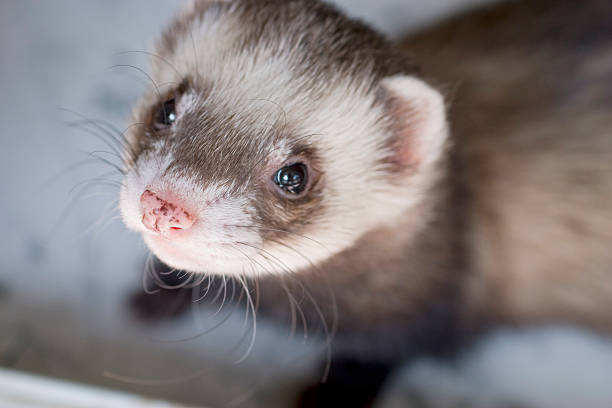
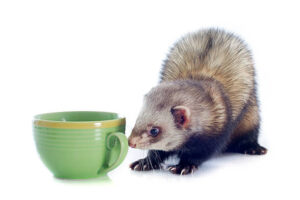
Ferrets are adorable, intelligent, and incredibly curious creatures, making them wonderful pets. However, their insatiable desire to explore, squeeze into tight spaces, and chew on almost anything poses significant safety risks if their environment isn’t properly secured. Ferret proofing your home isn’t just about preventing damage; it’s about safeguarding your furry friend from potential hazards and ensuring their well-being. This comprehensive guide will delve into every aspect of essential ferret proofing, empowering you to create a safe haven for your mischievous companions.
Understanding the Ferret Psyche: The Root of the Proofing Need
Before diving into the practicalities of ferret proofing, it’s crucial to understand why it’s so vital. Ferrets possess a unique set of characteristics that necessitate a secure environment:
- Insatiable Curiosity and Exploration: Ferrets are natural explorers. They want to know what’s behind every door, under every piece of furniture, and inside every open bag or box. This drive leads them to investigate every nook and cranny.
- Small Size and Agility: Their slender bodies allow them to slither through openings that would block larger pets. They can squeeze under doors, through cabinets, and into seemingly inaccessible spaces.
- Tendency to Chew and Dig: Ferrets have a natural instinct to chew, especially when exploring or bored. This can lead them to ingest dangerous items. They also enjoy digging, which can result in them unearthing or damaging household items.
- Love for Small, Shiny, or Soft Objects: Buttons, earrings, rubber bands, plastic bits, hair ties, and even small pieces of fabric are irresistible to a ferret’s investigative nature. These items can become choking hazards or cause intestinal blockages.
- Ability to Tunnel and Tunnel: Ferrets are adept at creating their own pathways, often by digging into soft materials or squeezing through small gaps.
- Nocturnal Tendencies: While domesticated ferrets adapt to their owners’ schedules, they can still have bursts of energy at unexpected times, including overnight. This means unsupervised exploration can occur when you’re asleep.
- Defecation Habits: Ferrets are not naturally inclined to use a litter box consistently. They often choose corners or specific spots to relieve themselves, which can lead to accidents in inappropriate places if not properly managed and contained.
The Ferret Proofing Philosophy: Prevention is Key
The overarching principle of ferret proofing is to eliminate all potential hazards and create a safe, stimulating, and contained environment. This involves a multi-pronged approach:
- Securing Potential Dangers: Identifying and blocking off areas where your ferret could get hurt or ingest something harmful.
- Removing Temptations: Taking away objects that are attractive for chewing, digging, or swallowing.
- Creating Safe Play Zones: Designating areas where your ferret can explore freely without risk, often with enrichment toys.
- Ongoing Vigilance: Ferret proofing is not a one-time task. It requires regular checks and adjustments as your ferret grows, your home changes, or new items are introduced.
Comprehensive Ferret Proofing Checklist: Room by Room
Let’s break down ferret proofing by the areas of your home where your ferret will have access:
Living Room & General Living Spaces
This is often the primary area where your ferret will spend its time outside the cage.
- Electrical Cords:
- The Hazard: Chewing on electrical cords can lead to electrocution, burns, and fires.
- Proofing Solutions:
- Cord Protectors/Conduits: Use hard plastic tubing, PVC pipes, or specialized cord protectors to encase all exposed electrical cords.
- Cord Bundlers: Keep cords neatly bundled and out of reach whenever possible.
- Relocation: Move outlets and cords behind furniture where possible.
- Duct Tape/Zip Ties: Secure cords to walls or furniture legs to prevent them from dangling.
- Supervision: Always supervise your ferret when in an unfenced area with accessible cords.
- Furniture:
- The Hazard: Small gaps under couches, recliners, and chairs can become death traps. Ferrets can get stuck, injured, or suffocate.
- Proofing Solutions:
- Block Underneath: Use solid pieces of wood, thick cardboard, plastic sheeting, or storage bins to completely block off all access points underneath furniture. Ensure there are no gaps.
- Recliner Safety: Recliners are particularly dangerous. Ensure they are always in the upright position when not in use and the footrest mechanism is fully retracted. If possible, secure the footrest mechanism.
- Upholstery: While less of a direct danger, ferrets can chew and tear at upholstery. Provide appropriate chew toys as a distraction.
- Small Items & Debris:
- The Hazard: Coins, buttons, jewelry, small toys, hair ties, rubber bands, paper clips, and anything small enough to be swallowed are serious choking and blockage hazards.
- Proofing Solutions:
- Declutter: Keep floors and surfaces meticulously clear of small objects.
- “Ferret Sweep”: Get into the habit of doing a regular “ferret sweep” of all accessible areas.
- Baskets and Containers: Store small items in secure, lidded containers.
- Empty Pockets: Be mindful of leaving your ferret unattended in rooms with clothes from pockets that might contain small items.
- Houseplants:
- The Hazard: Many common houseplants are toxic to ferrets. They can also dig in the soil, making a mess and potentially ingesting harmful substances.
- Proofing Solutions:
- Relocate: Move all houseplants to secure shelves, hanging baskets, or rooms your ferret cannot access.
- Research: Familiarize yourself with toxic and non-toxic plants for ferrets.
- Trash Cans:
- The Hazard: Trash cans are treasure troves for ferrets, containing everything from food scraps (potentially harmful) to sharp objects and indigestible materials.
- Proofing Solutions:
- Secure Lids: Use trash cans with secure, locking lids.
- Placement: Keep trash cans in cabinets or areas inaccessible to ferrets.
- Doors and Windows:
- The Hazard: Open doors and windows provide escape routes and access to dangerous areas. Drafts can make ferrets unwell.
- Proofing Solutions:
- Keep Closed: Ensure all doors and windows are kept closed when your ferret is out of its cage.
- Door Sweeps: Install door sweeps on the bottom of doors to prevent squeezing underneath.
- Window Screens: Ensure window screens are securely fitted and in good repair.
Kitchen
The kitchen is a minefield of potential dangers for a curious ferret.
- Cabinets and Drawers:
- The Hazard: Access to cleaning supplies, medicines, sharp objects, and food items.
- Proofing Solutions:
- Child-Proof Latches: Install child-proof latches on all lower cabinets and drawers.
- Secure Contents: Store all hazardous materials (cleaning supplies, medications, knives, etc.) in higher, inaccessible cabinets.
- Food Storage: Keep all food items in sealed containers. Be especially mindful of sugars and salty snacks, which are not good for ferrets.
- Appliances:
- The Hazard: Ovens, dishwashers, refrigerators, and washing machines can be dangerous if a ferret gets inside and they are turned on.
- Proofing Solutions:
- Keep Doors Closed: Ensure all appliance doors are kept firmly shut.
- Regular Checks: Before turning on appliances like washing machines or dryers, always check inside for your ferret.
- Sink Area:
- The Hazard: Access to drains, sponges (which can be ingested), and cleaning chemicals.
- Proofing Solutions:
- Drain Covers: Use drain covers to prevent them from falling down the drain.
- Secure Sponges: Keep sponges in a secure location where your ferret cannot access them.
- Run the Faucet: If your ferret tends to drink from the faucet, ensure it’s off or consider a more secure water source.
- Under the Sink:
- The Hazard: This is a prime location for cleaning supplies and other toxic chemicals.
- Proofing Solutions:
- Absolutely Secure: This area MUST be completely sealed off with child-proof latches and regular checks.
Bathroom
Another area with significant hazards.
- Toilet:
- The Hazard: Ferrets can fall in, drown, or ingest toilet bowl cleaner.
- Proofing Solutions:
- Keep Lid Down: Always keep the toilet lid closed.
- Child-Proof Latch: Consider a child-proof latch for extra security.
- Cabinets and Drawers:
- The Hazard: Medicines, toiletries, cleaning supplies, and personal items.
- Proofing Solutions:
- Child-Proof Latches: As with the kitchen, equip all lower cabinets and drawers with child-proof latches.
- Secure Contents: Store all medications and hazardous items in high, locked cabinets.
- Trash Cans:
- The Hazard: Cotton swabs, pads, hair, medicines, and other ingestible items.
- Proofing Solutions:
- Secure Lids: Use trash cans with secure, locking lids.
- Drains:
- The Hazard: Small items or the ferret itself can fall down drains.
- Proofing Solutions:
- Drain Covers: Ensure all sink and shower drains have secure covers.
- Shower Curtains and Doors:
- The Hazard: Ferrets can chew on the bottom edges of shower curtains.
- Proofing Solutions:
- Tuck In: Tuck the bottom of shower curtains in or secure them to prevent chewing.
Bedroom
While seemingly less dangerous, bedrooms can harbor hidden threats.
- Under the Bed:
- The Hazard: A dark, dusty haven for lost small items and a potential hiding spot.
- Proofing Solutions:
- Block Access: If your bed has open space underneath, block it off completely.
- Regular Cleaning: Keep the area under the bed clean and free of small objects.
- Drawers and Dressers:
- The Hazard: Small items like socks, jewelry, buttons, and hair ties can be found here.
- Proofing Solutions:
- Secure Contents: Keep drawers closed and be mindful of what’s inside.
- Child-Proof Latches: Consider latches for lower drawers if your ferret is particularly persistent.
- Wastebaskets:
- The Hazard: Similar to other wastebaskets, can contain small, ingestible items.
- Proofing Solutions:
- Secure Lids: Opt for wastebaskets with lids.
Laundry Room/Utility Areas
These areas can be particularly hazardous due to chemicals and machinery.
- Washing Machine and Dryer:
- The Hazard: The most critical danger is a ferret getting trapped inside when the machine is running.
- Proofing Solutions:
- NEVER Leave Open: Always ensure the doors are kept firmly closed.
- Thorough Checks: Before starting any cycle, meticulously check inside both the washer and dryer.
- Cleaning Supplies:
- The Hazard: Toxic chemicals.
- Proofing Solutions:
- Secure Storage: Store all cleaning supplies in high, locked cabinets.
- Pipes and Vents:
- The Hazard: Ferrets can chew on exposed pipes or attempt to enter vents.
- Proofing Solutions:
- Secure Vents: Ensure all vents are securely in place.
- Cover Exposed Pipes: If possible, cover any exposed, accessible pipes.
Basement/Garage
These areas often contain a multitude of hazards and should be treated with extreme caution.
- General Debris:
- The Hazard: Tools, chemicals, paint, insulation, sharp objects, and more.
- Proofing Solutions:
- Strictly Off Limits: Ideally, these areas should be completely off-limits to your ferret.
- Secure Doors: Ensure doors leading to these areas are always firmly closed.
- Crawl Spaces:
- The Hazard: Potential for getting stuck, exposed wires, pests.
- Proofing Solutions:
- Block Access: Ensure any openings to crawl spaces are completely sealed.
Outdoor Access (If Applicable)
If your ferret has any access to the outdoors, even on a leash, extreme caution is required.
- Leash and Harness:
- The Hazard: A poorly fitting harness can be slipped out of.
- Proofing Solutions:
- Secure Fit: Use a well-fitting ferret harness and check it regularly for wear and tear.
- Supervision: Never leave your ferret unattended, even for a moment.
- Outdoor Dangers:
- The Hazard: Predators, toxic plants, pesticides, traffic, escape.
- Proofing Solutions:
- Controlled Environment: Only allow outdoor access in a securely fenced yard or with constant, vigilant supervision.
- Avoid Toxic Areas: Keep your ferret away from areas that may have been treated with pesticides or herbicides.
Creating a Safe and Stimulating Ferret Environment
Ferret proofing isn’t just about restricting access; it’s also about providing a safe and enriching space where they can thrive.
- Ferret-Specific Cage:
- The Cage: A multi-level cage with solid flooring (wire can injure feet) is ideal. Ensure bar spacing is narrow enough to prevent escape.
- Cage Accessories: Provide appropriate bedding, hammocks, sleep sacks, toys, food bowls, and water bottles or bowls.
- Ferret Playpens/Enrichment Areas:
- The Concept: When out of their cage, ferrets need a safe, contained space to explore. This can be a dedicated ferret playpen or another ferret-proofed room.
- Enrichment: Fill the play area with tunnels, tubes, balls, puzzle toys, supervised digging boxes filled with rice or beans (ensure they don’t ingest these), and soft toys.
- Ferret-Proofing Accessories:
- Corner Covers: Plastic covers for corners of walls can prevent chewing and scratching.
- Outlet Plugs: Ensure all unused electrical outlets are covered.
- Door Stops: Prevent doors from slamming shut or being wedged open.
The “Ferret Proofing Mindset”: Constant Vigilance
Ferret proofing is an ongoing process, not a one-time event. Here are key aspects of maintaining a ferret-proofed home:
- Regular Inspections: Periodically walk through your home, getting down on your ferret’s level, to identify any new hazards or areas you may have missed.
- “Ferret Eyes”: Always think like a ferret. Where would they go? What would they chew? What could they swallow?
- Secure New Items: When you bring new furniture, appliances, or even small decorative items into your home, assess them for potential ferret hazards.
- Guest Awareness: If you have guests who are not familiar with ferrets, educate them on the importance of keeping doors closed and not leaving small items lying around.
- Ferret’s Age and Behavior: As your ferret grows and their habits evolve, you may need to adjust your proofing strategies. A younger, more energetic ferret might require stricter measures than an older, calmer one.
- Supervision is Paramount: While thorough ferret proofing minimizes risks, direct supervision when your ferret is out of its cage is the ultimate safety measure.
Common Ferret Proofing Mistakes to Avoid
- Underestimating their intelligence and agility: Ferrets are smarter and more nimble than you might think.
- Assuming a closed door is enough: They can often squeeze under doors or find tiny gaps.
- Leaving small objects unattended for even a short period: It only takes a moment for them to ingest something.
- Not proofing every room they have access to: Every accessible area needs to be considered.
- Forgetting about potential hazards in unexpected places: Think about shelves, behind curtains, inside shoes, etc.
- Relying solely on “no” or “bad ferret”: Behavior modification is difficult with ferrets; prevention is far more effective.
Conclusion: A Safe Haven for Your Curious Companion
Ferrets bring immense joy and entertainment into our lives with their playful antics and endearing personalities. By dedicating time and effort to thorough ferret proofing, you not only protect them from potential harm but also create a secure and stimulating environment where they can truly flourish. Remember, a ferret-proofed home is a testament to your love and responsibility as a pet owner, ensuring your mischievous weasel can explore, play, and thrive safely within the confines of your loving home. Investing in ferret proofing is investing in the long, healthy, and happy life of your beloved pet.
#ferretproofing, #ferretsafety, #ferretlife, #ferretlove, #ferretcare, #ferretsofinstagram, #ferretworld, #petproofing, #homesecurityforpets, #safepethome, #curiousferret, #ferretowner, #ferretlover, #mustelid, #pethealth, #preventativecare, #ferretadvice, #DIYferretproofing, #ferretproofingtips, #happyferret, #healthypet, #animalcare, #ferretcommunity, #petsofinstagram, #yourferretssafety, #ferretproofyourhome, #weaselproof, #fuzzlebutt, #ferretfun.



Add comment