
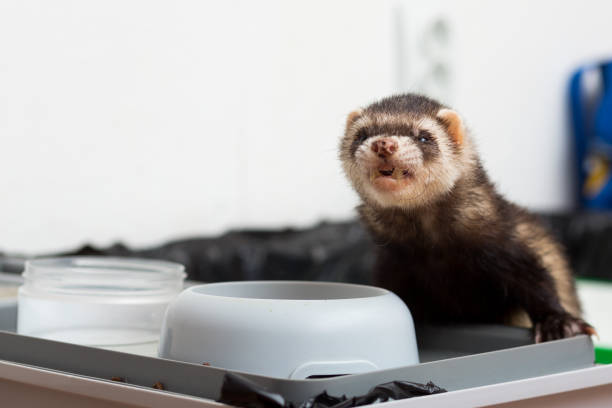
Introduction: The Commitment to the Carpet Shark
Bringing a ferret (or, more accurately, a business of ferrets, as they thrive in pairs or groups) into your home is an incredibly rewarding undertaking. These intelligent, playful, and often mischievous members of the Mustelid family are not mere exotic pets; they are complex, high-energy animals that require a dedicated environment designed around their unique biology and behavioral needs. Known affectionately as “carpet sharks” or “weasels in disguise,” ferrets sleep heavily (up to 75% of the day) but are intensely active and investigative during their waking hours—a characteristic that demands thorough preparation from a new owner.
Before the first ferret arrives, a complete and detailed checklist of supplies is non-negotiable. Failing to secure the right provisions—particularly in housing, diet, and safety—can lead to severe health issues, behavioral problems, and significant veterinary expenses down the line. This guide serves as an encyclopedic resource, detailing every critical item, explaining the rationale behind its necessity, and outlining the specifications required to ensure a healthy, happy, and long life for your new companion.
I. Housing: The Permanent Dwelling and Safe Haven (The Infrastructure)
The quality and size of a ferret’s enclosure are paramount to its well-being. Ferrets require substantial vertical space for climbing and exploring, and materials that are easy to sanitize.
1. The Primary Cage: Specifications and Safety
The cage is the single largest investment and the foundational piece of equipment. It provides a secure environment for sleeping, eating, and safety when supervised playtime is not possible.
Size Requirements (The Rule of Thumb)
Ferrets are masters of escape and require substantial space. For two ferrets (the minimum recommended number, as they are highly social), the cage should be multi-tiered and spacious.
- Minimum Dimensions: A base footprint of at least 24 inches by 36 inches, with a vertical height of 36 to 48 inches (three or more levels). Smaller cages lead to boredom, aggression, and insufficient room for exercise during non-playtime hours.
- Ideal Models: Large, multi-level wire cages designed specifically for ferrets, such as the Ferret Nation or Critter Nation models, are highly recommended due to their wide doors (easy cleaning) and customizable interiors.
Material and Bar Spacing
The material ensures safety and prevents injury.
- Construction Material: Heavy-duty, durable wire mesh with a non-toxic (usually epoxy or powder-coated) finish. Avoid cages with plastic bases meant for small rodents, as ferrets will chew through them.
- Bar Spacing: Crucially, the bar spacing should be no larger than 1 inch by 1 inch. Ferret babies (kits) or small females can easily squeeze through wider gaps, leading to severe injury or escape.
- Ramps and Platforms: Ferrets have poor depth perception and easily slip. All wire ramps and platforms must be covered. Use fleece, indoor/outdoor carpeting, or thin linoleum to provide traction and prevent a potentially deadly condition called Bumblefoot (pododermatitis).
Cage Placement and Environment
Ferrets are susceptible to heat stroke and environmental irritants.
- Temperature Control: Ferrets cannot regulate heat efficiently. The ideal temperature range is 65°F to 75°F (18°C to 24°C). The cage must never be placed in direct sunlight or near a heating vent. Temperatures exceeding 80°F (27°C) are dangerous.
- Ventilation: Place the cage in a well-ventilated area, away from drafts.
- Proximity to Owners: Ferrets are social and benefit from being in a room where their human family spends time, but away from excessive noise (e.g., stereos or loud televisions).
2. Bedding and Liners
Ferrets are notorious diggers and sleepers, requiring soft, safe, and washable materials.
Acceptable Bedding Materials
The best liners are those that are easily washable, non-shredding, and safe if accidentally ingested.
- Fleece: By far the preferred material. Fleece wicks away moisture, is soft on the paws, and is relatively inexpensive when purchased in bulk. Use fleece to line all trays, ramps, and platforms.
- Old T-Shirts or Towels: Excellent, inexpensive nesting material.
- Specialized Ferret Sleeping Bags/Sacks: These appeal to the ferret’s instinct to burrow and hide. Ensure seams are durable and contain no small plastic or metal parts.
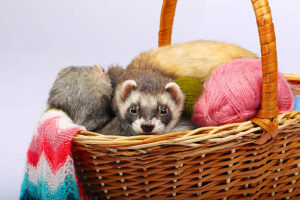
- Hammocks: Ferrets spend much of their sleeping time suspended. Hammocks are essential for environmental enrichment and comfort. Provide at least one hammock per ferret, plus extra sleeping sacks.
Unacceptable (Dangerous) Bedding Materials
These items pose severe health risks.
- Wood Shavings (Especially Pine and Cedar): The aromatic oils (phenols) in these woods are toxic to the ferret’s incredibly sensitive respiratory system, causing long-term lung damage and irritating the digestive tract.
- Straw or Hay: Poses a risk of impaction if ingested and is not suitable nesting material.
- Shredded Paper or Cotton Wool: Can lead to intestinal blockages if enough is swallowed.
3. Litter Box and Litter Material
While ferrets can be litter trained, they rarely achieve 100% reliability. They have a very quick digestive tract and tend to choose a few specific corners as their “bathroom.”
Litter Boxes
- Shape and Placement: You will need multiple litter pans, typically one for the cage’s main level corners and one for each major playing area outside the cage. Use triangular, corner-fitting pans or small, high-backed rectangular cat pans.
- Securing the Box: Ferrets enjoy tipping things. Litter pans should be heavy or secured to the cage wire with clips or zip ties.
Acceptable Litter Materials
The primary concern with ferret litter is safety against ingestion and dust inhalation.
- Paper Pellets (Recycled Newspaper): This is the gold standard. It is highly absorbent, controls odor moderately well, and is non-toxic if ingested in small quantities. Brands like Yesterday’s News are excellent.
- Wood Stove Pellets (Kiln-Dried Hardwood): An acceptable, often economical, alternative, provided they are not aromatic softwood (like pine). They dissolve quickly when wet.
Unacceptable (Dangerous) Litter Materials
- Clay or Clumping Cat Litter: This is a major hazard. If a ferret ingests even a small amount (which often happens during grooming or playing), the material can swell in the digestive tract, causing a fatal intestinal blockage. The dust is also dangerous to their respiratory system.
- Crystal/Silica Gel Litter: Sharp edges can injure the digestive tract if ingested.
II. Diet and Nutrition: Fueling the Obligate Carnivore
Ferrets are obligate carnivores, just like cats. Their dietary needs are highly specific, demanding a food source that is high in animal protein and fat, and extremely low in fiber and plant matter. A poor diet is the leading cause of ferret illness, including fatal conditions like Insulinoma (pancreatic cancer).
1. The Primary Food Source: Kibble
Ferrets are grazers, meaning they eat small amounts frequently throughout the day. Food must always be available.
Nutritional Requirements (The Absolute Musts)
The food must meet these narrow specifications:
| Component | Recommended Percentage | Danger of Deviation |
|---|---|---|
| Crude Protein | 30% to 42% (Must be animal-based) | Too low causes muscle wasting; too high in plant protein causes stones. |
| Crude Fat | 18% to 30% | Essential for energy and coat health. Low fat leads to poor coat. |
| Fiber | Less than 3% | Excess fiber is indigestible and adds zero nutritional value; increases risk of blockage. |
Acceptable Kibble Options
Most generic pet foods will not meet these requirements. Look for dedicated ferret formulas or high-end, meat-based kitten foods (as a temporary measure or mix-in).
- Recommended Ferret-Specific Brands: Marshall Premium, Wysong Ferret Epigen 90, Zupreem Grain-Free Ferret Diet, or Evolution.
- Transitional Feeding: When bringing a new ferret home, especially from a shelter or breeder, offer a mix of their old food and the new, high-quality food. Ferrets imprint on food early, and changing diet too quickly can lead to refusal and malnourishment.
Unacceptable Foods and Supplements
- Dog Food: Completely inadequate. Contains too much plant matter, low protein, and often insufficient taurine.
- Cat Food (unless high-end kitten food): Adult cat food has insufficient fat and often too much fiber. The only acceptable substitute is a high-protein, meat-first kitten kibble, offered only when ferret-specific food is unavailable.
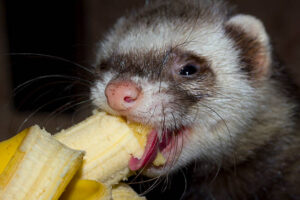
- Any Plant Matter or High-Sugar Foods: Fruits, vegetables, grains, rice, raisins, or high-sugar commercial treats. These are indigestible, provide no nutrition, and cause significant stress on the ferret’s pancreas, rapidly predisposing them to Insulinoma.
2. Water Availability
Ferrets must have access to clean, cool water 24/7.
Dishes vs. Bottles
- Water Bowls (Recommended): Heavy, wide ceramic or stainless-steel bowls are preferred. Ferrets drink naturally by lapping, which provides sufficient hydration and prevents certain dental wear issues associated with sipper tubes. Due to their tendency to tip bowls, securing them or using a heavy, non-slip bowl is necessary.
- Water Bottles/Sipper Tubes: Acceptable as a secondary water source, but not as the primary. Some ferrets struggle to get enough water from bottles, leading to mild dehydration or dental abrasion.
3. Treats and Supplements
Treats should be used sparingly and only for training or bonding purposes.
- Acceptable Treats: Small bits of cooked, unseasoned meat (chicken, turkey), meat-based pastes, or commercial freeze-dried raw meat treats.
- Fatty Acid Supplements: Supplements like Ferretone or Linatone (or similar vet-approved fish oil derivatives) are excellent for maintaining coat health, preventing dry skin, and providing essential fatty acids. Use sparingly (no more than once or twice a week) to avoid obesity.
4. Food and Water Dishes
- Material: Heavy ceramic crocks or stainless-steel bowls are sanitary and difficult for a ferret to tip over.
- Placement: Place away from litter areas. Many owners clip food bowls directly to the cage wire to prevent tipping and litter contamination.
III. Grooming and Hygiene Essentials
Ferrets are generally clean animals, but require regular maintenance to manage their claws, ears, and coat.
1. Nail Trimming Kit
Ferrets need their nails trimmed every 2 to 3 weeks, both for their comfort and to prevent snagging on bedding or cage ramps.
- Tools: Standard human nail clippers (ideal for precision) or small guillotine-style pet clippers.
- Essential Safety Item: Styptic Powder: Absolutely mandatory. Ferret claws are dark, making the quick (blood vessel) difficult to see. Styptic powder (Kwik Stop is a common brand) immediately stops bleeding if the quick is accidentally cut. Cornstarch or flour can be used in a pinch, but styptic powder is superior.
- Technique Aid: Many owners use a small dab of Ferretone or peanut butter substitute (meat-based) on the ferret’s belly or while holding them to distract them while trimming.
2. Ear Cleaning Supplies
Ferret ears naturally produce a dark, waxy buildup. Regular cleaning prevents mites and infections.
- Solution: A veterinarian-approved, non-irritating ear cleaning solution is necessary. Never use alcohol or hydrogen peroxide.
- Applicator: Cotton balls or pads are for cleaning the outer folds. Q-tips (cotton swabs) may be used only on the outer ridges of the ear—never deeply in the canal, as this can cause impaction or rupture the eardrum.
- Note on Mites: Dark, crusty buildup that resembles coffee grounds is the classic sign of ear mites, a common ferret parasite. If mites are suspected, immediate veterinary attention is required for diagnosis and prescription medication.
3. Bathing Supplies
Ferrets should be bathed infrequently—no more than once every 1 to 3 months. Over-bathing strips the natural oils from their skin, causing dry, itchy skin and ironically leading the ferret to produce more musk to compensate, increasing the odor.
- Shampoo: Use a mild oatmeal-based shampoo or a specialized ferret shampoo. Do not use human or harsh dog shampoos.
- Drying: Have plenty of clean, warm towels ready. Ferrets dry quickly, but ensuring they are warm post-bath is important.
4. Odor Control and Litter Area Cleaners
While bathing should be infrequent, environmental cleanliness is key to managing the musky, natural ferret odor.
- Cage Cleaning Solution: Use a dilute solution of white vinegar and water, or a specifically enzyme-based pet cleaner (like Nature’s Miracle). Avoid strong ammonia-based cleaners or bleach, as fumes are harmful.
- Laundry Detergent: Hypoallergenic, scent-free laundry detergent for washing fleece bedding and hammocks weekly.
IV. Health and Veterinary Preparation
A prepared new owner understands that preventative care and emergency readiness are non-negotiable. Ferrets are prone to several species-specific illnesses.
1. Initial Veterinary Visit and Records
The first trip to a veterinarian familiar with exotics (a “ferret vet”) should occur within the first week of adoption.
- Vaccinations: Ferrets require vaccinations against Canine Distemper Virus and Rabies. These must be kept up-to-date annually.
- Microchip: Recommended for identification in case of escape.
- Parasite Check: Fecal exam for internal parasites and blood work to establish a baseline.
- Descenting/Spaying/Neutering History: If purchasing from a pet store, the ferret is often already descented (anal glands removed, which contributes little to the overall body odor) and spayed/neutered. If adopting from a breeder, this information must be tracked. Unaltered ferrets have a much stronger odor and females must be spayed, as they can die from aplastic anemia if they go into heat and are not bred.
2. The Ferret First Aid Kit
This kit should be accessible at all times for minor issues or stabilization before a vet visit.
- Styptic Powder: (Already mentioned, but critical for the kit.)
- Veterinarian Contact Information: Including the nearest 24-hour emergency exotic vet.
- Pedialyte or Electrolyte Solution: Used to hydrate a sick or vomiting ferret, administered via a syringe.
- Syringes (Needle-less): For force-feeding or hydrating a ferret that refuses to eat or drink (e.g., 3ml and 5ml sizes).
- High-Calorie, Easily Digestible Food: A/D prescription food (via vet), blended duck or turkey baby food (meat-only), or prepared critical care formulas (e.g., EmerAid Carnivore). Essential for ferrets refusing their normal kibble.
- Pet Thermometer: Rectal thermometer (use lubrication). Ferret temperature is normally 100°F to 104°F (37.8°C to 40°C).
- Petroleum Jelly or Mineral Oil: Used under vet’s direction to help pass a potential minor hairball or foreign object obstruction.
V. Enrichment, Playtime, and Safety
Ferrets sleep a lot, but when they are awake, they demand intense, interactive playtime. They need mental stimulation to prevent destructive behavior.
1. Toys and Digging Materials
Ferrets explore the world using their mouths and paws. All toys must be scrutinized for safety.
Acceptable Toys
- Tunnels: Highly favored. Collapsible fabric tunnels (the crinkly material is a bonus) or large PVC piping (4-6 inch diameter) provide excellent enrichment and mimic burrowing. Ensure the material is durable and does not fray easily.
- Hard Plastic Toys: Golf balls, hard plastic baby keys, or other durable, non-chewable plastic items.
- Hideaways: Cardboard boxes, paper bags (handles removed), and blankets for digging and burrowing games.
Unacceptable (Dangerous) Toys
- Soft Rubber or Foam: Easy to chew, swallow, and notorious for causing fatal intestinal blockages (e.g., shoe inserts, bath mats, small pieces of foam insulation).
- Latex, Vinyl, and Sponges: High ingestion risk.
- Anything with Small, Easily Detachable Parts: Buttons, eyes, bells, or loose strings.
2. Leash and Harness
Ferrets love to explore outside, but must be secured.
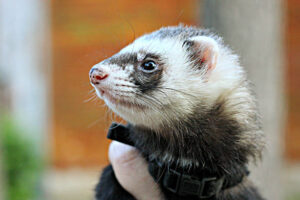
- Style: Ferrets are flexible and can easily slip out of standard harnesses. An H-style or Figure-8 harness designed specifically for ferrets (or small kittens) is required. Do not use a collar.
- Leash: A lightweight, non-retractable nylon or bungee leash. Never leave a harnessed ferret unsupervised outside.
3. Ferret-Proofing the Home Environment (Safety Audit)
When the ferret is outside the cage for its mandatory 2-4 hours of supervised playtime, the home must be a safe zone. Ferrets are naturally attracted to small, dark spaces.
- Blocking Access: Use plastic sheets, cardboard, or wood to block off access to all holes, gaps, and tight spaces. This includes:
- Behind and under appliances (stove, dishwasher, washing machine, dryer).
- Vents and pipes.
- Gaps beneath doors and cabinets.
- Furniture Hazards: Recliners and pull-out sofas are the single greatest household danger to a ferret. They often crawl inside the mechanism to sleep. Never operate these pieces of furniture if ferrets are loose in the room.
- Electrical Cords: Cords must be secured or covered, as chewing is dangerous.
- Toxic Substances: Ensure all cleaning chemicals, medications, rodenticides, and poisons are stored securely above the ferret’s access level.
VI. Transportation and Transition Supplies
Even if your ferret rarely leaves the home, you need a safe way to transport it for vet appointments.
1. Carrier
- Type: A hard-sided, plastic pet carrier (the type used for small cats or dogs) is preferred over soft-sided carriers, as it offers better protection and is easier to sanitize.
- Security: Line the bottom with a warm, familiar blanket or towel. Ensure the carrier latch is secure.
2. Travel Water/Food
For trips longer than an hour, a portable water bowl (a small, secure bowl or a no-spill travel dish) and a small amount of kibble should be included in the carrier.
VII. Checklist Summary and Financial Preparedness
The initial setup for a new ferret (or pair) is significant. Budgeting requires accounting for the infrastructure (cage), consumables (food, litter), and mandatory preventative healthcare.
| Category | Essential Items | Estimated Initial Cost (Varies Widely) |
|---|---|---|
| Housing | Multi-level Cage (Ferret Nation/Critter Nation), Fleece Liners, Hammocks (x3), Sleeping Sacks (x2), Litter Pans (x2). | $250 – $600 |
| Diet | High-Quality Kibble (5-10 lb bag), Heavy Ceramic Bowls (x2), Water Dispenser (optional). | $40 – $100 |
| Hygiene | Styptic Powder, Nail Clippers, Ferret Shampoo, Ear Cleaner, Paper Pellet Litter (large bag), Enzyme Cleaner. | $50 – $80 |
| Health | Carrier, First Aid Supplies, Initial Vet Exam, Distemper/Rabies Vaccines. | $150 – $400 |
| Enrichment | Tunnels, Hard Plastic Toys, H-Style Harness & Leash. | $30 – $70 |
| Total Initial Investment: | $520 – $1250+ |
Conclusion: The Joy of the Weasel War Dance
Owning a ferret is a deep commitment to providing a specialized and stimulating environment. Their demanding care requirements—particularly concerning diet, safety, and temperature control—mean they are not suitable for casual ownership. However, for those prepared to invest in the right supplies and protective infrastructure, the reward is the companionship of a hilarious, curious, and deeply affectionate animal whose signature “weasel war dance” (the frantic jumping and bouncing before play) will bring endless joy into the home. A comprehensive checklist is not just a list of items; it is the blueprint for a safe, healthy, and long life for your beloved “carpet shark.”
#FerretSupplies #NewFerretOwner #FerretChecklist #MustelidLove #CarpetShark #FerretCareGuide #FerretNation #FerretDiet #MustelidsOfInstagram #ExoticPets #DookDook #FerretSafety #FerretTips #FerretEssentials #WeaselWarDance #ResponsiblePetOwnership #FerretLife
Add comment