
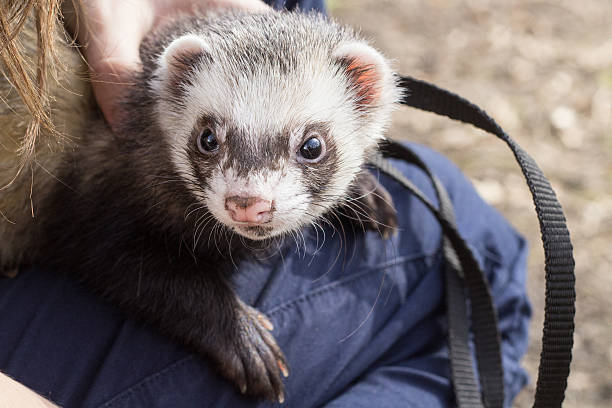
Introduction: The Criticality of Mustelid Immunization
Ferrets (Mustela putorius furo) are highly sophisticated and captivating companion animals, but their delicate physiology and unique immune system present specific challenges in veterinary care. Unlike dogs and cats, whose vaccination protocols are standardized across broad regions and supported by decades of multi-manufacturer research, ferret vaccination requires nuanced understanding, specialized protocols, and vigilant monitoring for adverse reactions.
The decision to vaccinate a ferret is not merely a formality; it is a life-saving measure against two primary, potentially devastating diseases: Canine Distemper Virus (CDV) and Rabies. For CDV, the clinical course in ferrets is almost invariably fatal. For Rabies, while transmission risk may be lower than in wildlife, the absolute fatality and critical zoonotic implication mandate strict adherence to legal and public health requirements.
This guide provides an elaborate exploration of the scientific, medical, and legal frameworks governing essential ferret immunization, emphasizing the specialized protocols necessary to ensure both efficacy and safety.
1.1. Ferret Immunology and Susceptibility
Ferrets possess an immune profile that differs significantly from canine and feline species. They are exquisitely susceptible to CDV and, critically, often exhibit a heightened propensity for Type I hypersensitivity reactions (anaphylaxis) following vaccination. This fragility necessitates the use of specific, often mustelid-adapted vaccines, precise dosing, and meticulous post-vaccination observation periods.
Furthermore, ferrets often require Modified Live Virus (MLV) vaccines for Distemper that are derived from non-ferret cell lines (e.g., chicken embryo fibroblasts), due to the danger of using MLV vaccines sourced from canine cell lines, which can potentially induce clinical CDV in the ferret host.
1.2. The Legal and Ethical Imperative
While the Distemper vaccine is medically crucial for the individual ferret’s survival, the Rabies vaccine carries a dual responsibility: protecting the ferret and, more importantly, satisfying legal requirements to protect the human population from a universally fatal zoonotic disease. Regulatory bodies, including the United States Department of Agriculture (USDA) and various state health departments, strictly govern the administration and documentation of Rabies vaccines, often dictating the use of approved, killed virus formulations.
II. The Primary Threat: Canine Distemper Virus (CDV)
Canine Distemper Virus (CDV), a paramyxovirus, is the single most significant viral threat to the domestic ferret population. It is highly contagious, relatively stable in the environment, and possesses a fatality rate approaching 100% in unvaccinated ferrets exhibiting clinical signs.
2.1. Pathology, Transmission, and Clinical Course
Transmission
CDV transmission occurs primarily through aerosolized viral droplets (coughing, sneezing) and contact with infected bodily secretions (urine, feces, saliva, ocular/nasal discharge). Given its aerosol route, even exclusively indoor ferrets are at risk if their environment is compromised by contact with contaminated clothing, shoes, or through proximity to unvaccinated dogs, raccoons, or foxes.
Pathogenesis
Upon infection, the virus initially replicates in the lymphoid tissues (e.g., tonsils, bronchial lymph nodes) before spreading systemically via the circulatory system (viremia). It targets epithelial tissues (respiratory, gastrointestinal, integumentary) and, critically, the central nervous system (CNS).
Clinical Signs
Clinical signs usually appear 7 to 14 days post-exposure and progress rapidly:
- Cutaneous Phase: The hallmark sign is severe dermatitis, especially on the chin, lips, eyelids, and perineum. This progresses to a thick, yellow-brown crusting. A critical pathognomonic sign is hyperkeratosis (thickening and hardening) of the footpads, often referred to as “hard pad disease.”
- Systemic Phase: Pyrexia (fever), lethargy, anorexia, and severe dehydration. Ocular and nasal discharge (mucopurulent) are common.
- Gastrointestinal and Respiratory Phase: Vomiting, diarrhea, and often severe broncho-interstitial pneumonia.
- Neurological Phase (Terminal): Once the virus crosses the blood-brain barrier, signs include muscle fasciculations (twitching), seizures, ataxia (incoordination), and paralysis. Neurological involvement signals a universally terminal prognosis.
2.2. Prognosis and Treatment
There is no effective antiviral treatment for established CDV infection in ferrets. Treatment is purely supportive (fluid therapy, antibiotics for secondary bacterial infections, nutritional support), but rarely alters the fatal outcome. Euthanasia is the only humane option once neurological signs manifest. The overwhelming severity of CDV underscores why preventative vaccination is absolutely non-negotiable for ferret health.
III. Distemper Vaccination Protocol: Specific Considerations
The selection of the appropriate CDV vaccine for ferrets is paramount. Standard canine CDV vaccines, particularly those containing high-titer canine cell line components, carry a significant risk of inducing the disease itself.
3.1. Vaccine Selection: Modified Live Virus (MLV)
The gold standard for ferret Distemper vaccination involves the use of Modified Live Virus (MLV) vaccines derived from chicken embryo fibroblast (CEF) cell lines. These vaccines are specifically engineered to provide robust immunity in ferrets without the risk of causing vaccine-induced distemper, a phenomenon that can occur with poorly adapted canine MLV products.
Historically, the PUREVAX® Distemper (Merial/Boehringer Ingelheim) vaccine (originally a canine/ferret product) was considered the optimal choice due to its CEF-origin and demonstrated efficacy and safety profile in ferrets. While specific brands may change ownership or formulation, the principle remains: Always use a documented, CEF-origin MLV vaccine specifically recommended for ferrets by a veterinarian experienced in exotic animal medicine.
Killed Virus (KV) vaccines for Distemper are generally not preferred in ferrets because they often require adjuvants (which increase the risk of adverse reactions) and typically induce weaker, shorter-lived immunity compared to MLV formulations.
3.2. Primary Series (Kits and Juveniles)
Maternal Derived Antibodies (MDA) transferred from the mother ferret provide temporary protection but interfere with effective vaccination. The MDA window typically wanes between 6 and 14 weeks of age. Therefore, the goal of the primary series is to administer multiple doses during this critical period to ensure the kit receives a dose when MDA levels are low enough to allow sero-conversion (antibody production).
The standard protocol for kits begins early and utilizes a three-to-four-dose series:
| Age of Ferret | Recommended Action | Rationale |
|---|---|---|
| 6–8 Weeks | First CDV Vaccination (CEF-MLV) | Beginning immunity as MDA wanes. |
| 9–11 Weeks | Second CDV Vaccination | Ensures sero-conversion if MDA was high at the first dose. |
| 12–14 Weeks | Third CDV Vaccination | Further security against high MDA interference. |
| 15–16 Weeks | Optional Fourth CDV Vaccination | Recommended for high-risk or shelter environments. |
Note on Dosage: Ferrets are significantly smaller than dogs, but they often require the full manufacturer-specified dose (1.0 mL) of the MLV vaccine, as administered to a small dog, to ensure adequate antigen load for effective immunity. Dosage adjustments (using fractions of the dose) are strongly discouraged as they compromise immune response.
3.3. Adult Booster Protocol
Once the primary series is complete, the ferret requires routine maintenance boosters to sustain protective immunity.
Annual Boosters
Current gold standard recommendations generally advocate for an annual booster of the CEF-MLV vaccine. This yearly immunization ensures continuous, robust protection, accounting for individual variability in immune response duration.
Titer Testing Considerations (Alternative to Boosting)
While not standard practice due to cost and logistical challenges, Distemper antibody titer testing is feasible in ferrets. A titer test measures the level of circulating antibodies against CDV. A protective titer indicates that the ferret is currently immune, potentially allowing the veterinarian to defer the annual booster. Titer testing is a complex decision, often reserved for ferrets with a history of severe vaccine reactions, but it is a scientifically valid tool in personalized immunization planning.
IV. The Secondary/Legal Threat: Rabies Virus (RV)
Rabies is a highly lethal rhabdovirus that causes acute, progressive encephalomyelitis (brain inflammation) in mammals. While ferrets are not the primary reservoir for rabies (unlike bats, raccoons, or skunks), they are fully susceptible to the disease. The importance of Rabies vaccination transcends individual animal protection and centers squarely on public health and zoonotic risk management.
4.1. Rabies in Ferrets: Transmission and Clinical Manifestations
Transmission
Rabies transmission occurs primarily through the bite of an infected, rabid animal, where the virus is inoculated via saliva into the tissues. Although ferrets spend less time outdoors than dogs or cats, they are vulnerable to exposure if housed outdoors or if wildlife enters the premises (e.g., bats).
Clinical Signs
Rabies in ferrets often presents atypically or non-specifically, which complicates diagnosis. The incubation period is highly variable (weeks to months). Clinical signs typically include:
- Behavioral Abnormality: Sudden aggression, fear, or profound lethargy.
- Neurological Signs: Ataxia, tremors, hind-limb weakness, and paralysis.
- Vocalization Changes: Abnormal, hoarse cries.
- Salivation: Excessive drooling or difficulty swallowing (due to pharyngeal paralysis).
Because clinical rabies in ferrets is extremely difficult to differentiate from other neurological conditions (such as advanced CDV or insulinoma effects), any unvaccinated ferret exhibiting acute neurological signs must be treated as a potential rabies case for public safety until proven otherwise.
4.2. The Regulatory Landscape and Approved Vaccines
Rabies vaccination protocols are unique because they are often dictated by jurisdictional laws. In the United States and many other countries, only vaccines that are specifically USDA-licensed for use in ferrets are legally accepted for establishing public health immunity.
Approved Vaccines
For decades, the standard was the IMRAB line of inactivated (killed) rabies vaccines (e.g., IMRAB 3, IMRAB P, IMRAB TF – Boehringer Ingelheim). These vaccines are specifically approved for use in ferrets and are based on a killed virus, meaning they cannot cause vaccine-induced disease. The use of a killed virus is crucial for reducing the risk of neurological complications, which have been historically associated with some MLV rabies preparations in non-target species.
If a veterinarian uses an off-label (extra-label) vaccine—such as a canine/feline rabies vaccine not specifically labeled for ferrets—the vaccination may not be considered legally valid by local public health authorities, potentially resulting in mandatory quarantine or euthanasia should the ferret bite a human.
V. Rabies Vaccination Protocol
5.1. Primary Rabies Series
Rabies vaccination generally begins later than the Distemper series because the risk of MDA interference is lower, and the legal requirement often applies to animals approaching maturity.
| Age of Ferret | Recommended Action | Rationale |
|---|---|---|
| 12–16 Weeks | First Rabies Vaccination (Killed Virus, USDA-Approved) | Legal minimum age in many jurisdictions; ensures baseline protection. |
5.2. Booster Schedule and Legal Validity
The frequency of subsequent rabies boosters depends entirely on the specific USDA-approved vaccine used and local/state laws:
- Annual Vaccine Requirement: Many jurisdictions require annual revaccination using a 1-year labeled product, especially for the initial booster.
- Triennial (3-Year) Requirement: If a 3-year labeled rabies vaccine approved for ferrets is used, and local law permits, the ferret can transition to a three-year booster schedule after receiving the first annual booster. Critical Note: The 3-year status is only valid if the primary vaccine was administered exactly according to the manufacturer’s schedule and local regulations allow the extended interval.
5.3. Managing Bite Incidents: The Public Health Protocol
The vaccination status of a ferret that bites a human is a pivotal factor in public health investigations.
- Legally Vaccinated Ferret: If the ferret is currently and appropriately vaccinated with a USDA-approved product, it is typically subject to a 10-day observational quarantine (often home quarantine) to ensure it does not develop signs of rabies. If healthy after 10 days, the risk is negligible.
- Unvaccinated or Illegally Vaccinated Ferret: If the ferret’s vaccination status is lapsed, unknown, or if an unqualified vaccine was used, the legal consequences are severe. Public health mandates often require the ferret to be quarantined in an approved facility for a minimum of 6 months, or, in the most stringent scenarios, require immediate euthanasia and submission of the head for rabies testing (due to the potential exposure risk to the victim).
This stark difference in outcome highlights why adherence to the legally approved rabies protocol is paramount for the ferret’s life and the owner’s peace of mind.
VI. Vaccine Reactions and Adverse Events (AEs)
Ferrets have a notoriously high incidence of post-vaccination adverse events compared to other companion animals. This susceptibility is believed to be linked to their unique mast cell distribution, leading to rapid and severe Type I hypersensitivity (anaphylactic shock).
6.1. Types of Adverse Reactions
A. Mild/Delayed Reactions (Common)
These usually occur hours after the injection and are localized:
- Lethargy, mild fever (pyrexia).
- Anorexia (refusal to eat).
- Localized pain or swelling at the injection site.
B. Severe, Acute Reactions (Anaphylaxis) (Critical Concern)
Anaphylaxis is an immune-mediated emergency that can occur rapidly (within minutes) of injection. Signs include:
- Vomiting and Diarrhea (often the first signs).
- Facial Edema (swelling of the lips, eyes, or face).
- Ptyalism (excessive drooling).
- Respiratory Distress: Acute dyspnea (difficulty breathing), often due to laryngeal edema or bronchospasm.
- Hypotension and Collapse: Shock due to vasodilation, resulting in pale mucous membranes and potentially death if untreated.
6.2. Mitigation Strategies and Pre-medication Protocol
Given the high risk, the following protocols are essential for all ferret vaccinations:
- Staggered Administration: Never administer the Distemper and Rabies vaccines concurrently. Most exotic animal veterinarians recommend separating the two injections by at least 2 to 3 weeks to isolate which vaccine may have caused a reaction and reduce the overall antigenic load at one time point.
- Pre-medication: It is standard protocol to pre-medicate ferrets with an antihistamine, usually Diphenhydramine (Benadryl), 15 to 30 minutes prior to vaccination. The typical dose is 0.5 to 1.0 mg/kg via injection (subcutaneously or intramuscularly) to block histamine release and mitigate the severity of a potential anaphylactic reaction.
- Mandatory Observation Period: The ferret must remain under direct veterinary supervision for a minimum of 30 minutes post-injection. The majority of severe anaphylactic reactions occur within this timeframe.
6.3. Emergency Management of Anaphylaxis
Veterinary staff must have immediate access to emergency medications and protocols for treating anaphylaxis:
- Epinephrine (Adrenaline): The cornerstone of anaphylaxis treatment. Used to reverse peripheral vasodilation, raise blood pressure, and alleviate respiratory distress.
- Glucocorticoids (Steroids): Used to stabilize cell membranes and reduce inflammation.
- Intravenous (IV) Catheter Placement: Necessary for rapid administration of fluids and medications to combat shock.
- Oxygen Therapy: Required if respiratory distress is significant.
Owners must be diligently instructed to monitor their ferret for several hours after returning home, watching for any delayed lethargy, vomiting, or facial swelling, and instructed to return immediately if any adverse signs appear.
VII. Practical Considerations and Controversies in Ferret Immunization
7.1. Distemper Vaccination in Shelter/Rescue Contexts
Ferrets entering shelter or rescue environments often have unknown vaccination histories and are frequently stressed, which can temporarily dampen the immune response.
- Immediate Vaccination: Newly admitted ferrets should receive the first CDV vaccine dose immediately upon intake (if clinically healthy), before the 14-day incubation period of a potential naturally acquired infection passes.
- Quarantine: Strict quarantine (minimum 14 days) is imperative after intake to monitor for the onset of CDV symptoms, particularly neurological or dermatological signs, before integration with the general population.
7.2. The Debate on Titer Testing vs. Annual Boosters
While titer testing is scientifically supported, its practical application in ferrets is limited by cost and the relative rarity of fully equipped exotic laboratories. For Distemper, the consequences of a vaccine failure are so catastrophic that most veterinarians opt for the safety margin provided by the annual booster, especially in a population with a documented higher risk for vaccine non-response.
Rabies Titer (RFFIT): Rabies titer testing (e.g., RFFIT – Rabies Fluorescent Focus Inhibition Test) is highly specialized. While it may be required for international travel, it does not legally substitute for mandatory booster vaccination in the U.S. and most regulated countries, as the legal requirement is based on vaccination record, not antibody level.
7.3. Injection Sites and Technique
To minimize localized reactions and potential interference with joint mobility, especially in older ferrets prone to insulinoma or vertebral issues, vaccinations should be administered in specific locations, typically the subcutaneous tissues over the lateral flank or shoulder area. Detailed record-keeping of the site, vaccine brand, lot number, date, and time is crucial.
7.4. Geographical Risk Assessment
While Rabies is universally required, the necessity of the Distemper vaccine can be influenced by location, though rarely waived:
- High-Risk Areas: Areas with dense populations of wildlife vectors (raccoons, skunks, foxes) or high concentrations of unvaccinated dogs necessitate stringent annual Distemper protection, even for indoor ferrets.
- Exclusively Indoor Ferrets: Owners often question the need for Distemper vaccination for ferrets that never go outside. However, the virus can be carried into the home on clothing, shoes, or even via airborne droplets through ventilation systems, rendering the risk unacceptable. Protection should be maintained throughout the ferret’s life.
VIII. Conclusion: Adherence and Vigilance
Essential ferret immunization protocols—Distemper for survival, Rabies for public health and legal compliance—are rigorous but entirely necessary. Success hinges on three core pillars:
- Appropriate Vaccine Selection: Choosing CEF-origin MLV for Distemper and killed, USDA-approved products for Rabies.
- Strict Schedule Adherence: Ensuring the primary series is completed during the critical juvenile period, followed by timely annual or triennial boosters.
- Proactive Risk Mitigation: Implementing mandatory pre-medication and the 30-minute post-vaccination observation period to effectively manage the significant risk of anaphylaxis.
Owners of ferrets must partner closely with veterinarians specializing in exotic medicine to navigate these complex protocols, ensuring that the necessary protection is provided without compromising the safety of these unique and beloved mustelids.
#FerretHealth #FerretVaccination #DistemperVaccine #RabiesVaccine #MustelidCare #ExoticPetVet #FerretOwnerTips #FerretSafety #FerretVitamins #PetHealthGuide #FerretsOfInstagram #VeterinaryMedicine #FerretCare101 #PreventativeCare #FerretsNeedVaccines
Add comment