
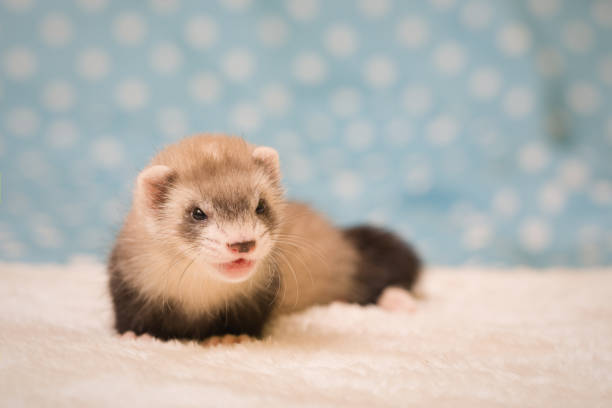
Introduction: The Unique Digestive World of Ferrets
Ferrets (Mustela putorius furo) are charismatic, playful, and intelligent creatures that have captivated human hearts for centuries. As beloved companion animals, ensuring their optimal health and longevity is a paramount responsibility for every owner. At the very core of a ferret’s well-being lies its diet. Unlike dogs or cats, ferrets possess a highly specialized digestive system, classifying them as obligate carnivores. This fundamental biological truth dictates every aspect of their nutritional requirements, making the selection of appropriate food not merely a choice, but a critical imperative for their survival and thriving.
Neglecting the unique dietary needs of a ferret can lead to a cascade of debilitating health problems, including dental disease, gastrointestinal upset, organ failure, and chronic conditions like insulinoma and adrenal disease. Therefore, understanding the intricate balance of macronutrients, micronutrients, and water is not just beneficial—it is absolutely essential for providing a full, vibrant life for these remarkable animals. This comprehensive guide aims to unravel the complexities of ferret nutrition, offering detailed insights into their physiological demands and empowering owners to make informed dietary decisions that safeguard their ferret’s health from kit to senior years.
II. The Foundation: Obligate Carnivore Diet Explained
To truly grasp ferret nutrition, one must first internalize the concept of an “obligate carnivore.” This term signifies an animal whose digestive system is exclusively adapted to derive its nutrients from animal tissue. Unlike facultative carnivores (like dogs) that can process some plant matter, or omnivores (like humans) and herbivores, ferrets lack the necessary anatomical and physiological adaptations to digest and utilize plant-based materials efficiently.
Several key features underscore this obligate carnivore status:
- Short, Simple Digestive Tract: Ferrets have a very short digestive tract (approximately 6-8 feet) with a transit time of only 3-4 hours. This rapid transit is designed for the quick digestion of easily digestible animal protein and fat, not for breaking down complex plant fibers or carbohydrates.
- Lack of a Cecum and Ileocolic Valve: Unlike many herbivores and omnivores, ferrets do not possess a cecum (a pouch at the junction of the small and large intestines) or an ileocolic valve (which slows down the passage of food). These structures are crucial for microbial fermentation of plant matter, which ferrets simply cannot perform.
- Limited Enzymes for Carbohydrate Digestion: Ferrets have a very low capacity to digest starches and complex carbohydrates due to insufficient levels of pancreatic amylase. Their metabolism is primarily geared towards utilizing protein and fat for energy, with minimal reliance on glucose derived from carbohydrates.
- Highly Acidic Stomach pH: Their stomach environment is highly acidic, optimized for breaking down raw meat and sterilizing potential pathogens often found in prey.
- Specific Amino Acid Requirements: Like cats, ferrets have a non-negotiable dietary requirement for certain amino acids, such as taurine, which are primarily found in animal tissues.
In essence, a ferret’s body is a finely tuned machine built to process meat, bones, and organs. Feeding them anything other than a diet predominantly composed of high-quality animal-based ingredients is akin to trying to fuel a high-performance gasoline engine with diesel—it simply won’t work efficiently and will eventually lead to catastrophic failure.
III. Macronutrients: The Building Blocks of a Ferret’s Diet
Macronutrients—protein, fat, and carbohydrates—are the major components of any diet, providing energy and the raw materials for growth, repair, and essential bodily functions. For ferrets, the ratios and sources of these macronutrients are critically important and unique.
A. Protein: The Non-Negotiable Core
Protein is the cornerstone of a ferret’s diet, serving a multitude of vital roles:
- Structural Components: Proteins are the building blocks for muscles, skin, hair, nails, and internal organs.
- Enzymes and Hormones: Most enzymes, which facilitate biochemical reactions, and many hormones, which regulate bodily functions, are proteins.
- Immune System: Antibodies, crucial for fighting infections, are protein-based.
- Energy Source: While fat is the primary energy source, protein can also be converted to energy, especially when carbohydrate and fat reserves are low.
Source of Protein: For ferrets, the protein MUST be animal-based. This includes poultry (chicken, turkey), red meat (beef, lamb), and organ meats. Plant-based proteins (e.g., soy, corn gluten meal) are largely indigestible and biologically inappropriate for ferrets. They lack the complete amino acid profile ferrets require and can lead to inefficient nutrient absorption and gastrointestinal distress.
Quality of Protein: High-quality animal protein means it is easily digestible and provides a complete spectrum of essential amino acids. Essential amino acids are those the ferret cannot synthesize internally and must obtain from its diet.
Key Amino Acid: Taurine: Like cats, ferrets have an obligate dietary requirement for taurine. Taurine is crucial for proper cardiovascular function (preventing dilated cardiomyopathy), retinal health, reproductive function, and bile acid conjugation for fat digestion. A deficiency in taurine can have severe, irreversible consequences. Animal muscle meat is the primary natural source of taurine.
Recommended Levels: A ferret’s diet should contain a high percentage of crude protein, typically 30-40%, with at least 90% of this protein derived from animal sources. Lower protein levels, or protein from poor quality plant sources, can lead to muscle wasting, poor coat quality, weakened immune function, and stunted growth in kits.
B. Fat: The Primary Energy Source and More
Fat is the most concentrated source of energy for ferrets and plays an indispensable role in their health:
- Primary Energy Source: Ferrets are uniquely adapted to metabolize fat for energy efficiently, often preferring it over protein for fueling their high metabolism.
- Essential Fatty Acids (EFAs): Fat provides essential fatty acids, such as linoleic acid (an omega-6 EFA) and alpha-linolenic acid (an omega-3 EFA). These are crucial for healthy skin and coat, normal cell membrane structure, immune system function, and inflammatory response regulation.
- Absorption of Fat-Soluble Vitamins: Vitamins A, D, E, and K are fat-soluble, meaning they require dietary fat for proper absorption and utilization by the body.
- Palatability: Fat significantly enhances the palatability of food, making it more appealing to ferrets.
- Warmth and Insulation: Adipose tissue (body fat) provides insulation and helps regulate body temperature.
Source of Fat: Similar to protein, the fat in a ferret’s diet should primarily come from animal sources. This ensures the correct balance of saturated and unsaturated fats, along with essential fatty acids in forms that are biologically available to ferrets.
Recommended Levels: A ferret’s diet should contain a high percentage of crude fat, typically 18-30%. Diets too low in fat can result in poor energy levels, a dull and dry coat, skin issues, and inefficient absorption of crucial fat-soluble vitamins. Conversely, excessively high fat contents can lead to obesity if not balanced with activity, though ferrets often self-regulate their intake given appropriate food.
C. Carbohydrates: A Minimal Requirement
This is where ferret nutrition diverges most sharply from omnivorous or herbivorous animals. Ferrets have a minimal to non-existent physiological requirement for dietary carbohydrates.
- Limited Digestive Enzymes: As mentioned, ferrets possess very low levels of pancreatic amylase, the enzyme responsible for breaking down starches. This means they are poorly equipped to digest complex carbohydrates found in grains, fruits, and vegetables.
- Inefficient Metabolism: Their metabolic pathways are not optimized for utilizing glucose from carbohydrates as a primary energy source. While their bodies can convert some protein into glucose (gluconeogenesis), they prefer to use fat directly.
- Dangers of High Carbohydrates:
- Gastrointestinal Upset: Undigested carbohydrates can ferment in the gut, leading to gas, diarrhea, and other digestive issues.
- Insulinoma: A diet high in simple and complex carbohydrates, especially early in life, is strongly implicated in the development of insulinoma (pancreatic tumor) in ferrets. Regular spikes in blood glucose from carb-rich meals overstimulate the pancreas, potentially leading to hyperplasia and eventually tumor formation.
- Obesity: While fat is calorie-dense, excess carbohydrates can also contribute to weight gain if converted and stored as fat.
- Dental Problems: Sticky, sugary carbohydrates can adhere to teeth, promoting bacterial growth and dental disease.
Fiber: While fiber is a type of carbohydrate, ferrets have a minimal requirement for it. Plant-based fibers, often found in low-quality ferret foods, can actually be detrimental, contributing to hairballs by binding fur together, and interfering with nutrient absorption due to the short digestive tract. A very low crude fiber percentage (typically <3%) is ideal in a ferret’s diet.
In summary, carbohydrates, particularly simple sugars and starches, should be virtually absent from a ferret’s diet. Their inclusion often reflects a lower-quality food formulation designed for other species or cost-cutting measures, not for ferret health.
IV. Micronutrients: The Essential Regulators
While macronutrients provide bulk energy and building materials, micronutrients—vitamins and minerals—are essential in much smaller quantities. They act as cofactors for enzymes, structural components, and regulators of countless physiological processes. Imbalances or deficiencies in micronutrients, though required in tiny amounts, can severely impact a ferret’s health.
A. Vitamins: Crucial for Physiological Functions
Vitamins are organic compounds vital for normal growth and metabolism. They are typically categorized as fat-soluble or water-soluble.
1. Fat-Soluble Vitamins (A, D, E, K): These vitamins are absorbed with dietary fat and stored in the body’s fatty tissues and liver. This storage means they can accumulate to toxic levels if over-supplemented.
- Vitamin A (Retinol): Essential for vision, immune function, cell differentiation, and healthy skin and mucous membranes.
- Source: Animal liver, egg yolk, fish oil.
- Caution: Both deficiency and excess (hypervitaminosis A) can cause serious health problems. Excess can lead to skeletal deformities and liver damage. It’s crucial for the vitamin A to be in its pre-formed animal-source retinol form, as ferrets cannot efficiently convert plant-derived beta-carotene.
- Vitamin D (Calciferol): Crucial for calcium and phosphorus homeostasis, bone health, and immune system modulation.
- Source: Fatty fish, liver, and some fortified foods. Ferrets do not produce significant amounts of Vitamin D from sun exposure like humans or some other animals.
- Caution: Vitamin D toxicity can lead to hypercalcemia, calcification of soft tissues (kidneys, heart), and bone problems. The correct d-form (D3 or cholecalciferol) is important.
- Vitamin E (Tocopherol): A powerful antioxidant that protects cell membranes from oxidative damage. It’s also involved in immune function and reproductive health.
- Source: Vegetable oils (often in small amounts in animal fats), organ meats.
- Caution: Deficiency can lead to muscle degeneration and steatitis (yellow fat disease). Toxicity is rare but possible with extreme over-supplementation.
- Vitamin K (Phylloquinone, Menaquinone): Essential for blood clotting (coagulation) and bone metabolism.
- Source: Synthesized by bacteria in the gut (menaquinone, K2), and found in some animal products (phylloquinone, K1) in small amounts.
- Caution: Deficiency is rare but can be caused by certain medications or severe gut dysbiosis.
2. Water-Soluble Vitamins (B Complex, C): These vitamins are not stored in significant quantities in the body and need to be regularly supplied through the diet. Excess amounts are typically excreted in urine, making toxicity less common, but not impossible, with extreme over-supplementation.
- B Vitamins (Thiamine B1, Riboflavin B2, Niacin B3, Pyridoxine B6, Cobalamin B12, Folic Acid, Pantothenic Acid, Biotin): A complex group of vitamins vital for numerous metabolic processes, including energy production, red blood cell formation, nervous system function, and DNA synthesis.
- Source: Abundant in animal muscle and organ meats.
- Caution: Deficiencies can lead to a wide range of neurological, dermatological, and hematological issues.
- Vitamin C (Ascorbic Acid): Unlike humans and guinea pigs, ferrets can synthesize their own Vitamin C from glucose in their liver.
- Source: Endogenous production.
- Caution: Supplementation is generally not required for healthy ferrets on a balanced diet. It may occasionally be recommended by a veterinarian for specific medical conditions (e.g., stress, illness, poor immunity) but should never be given without professional guidance, as excessive amounts can cause gastric upset and potentially lead to oxalate stone formation.
A high-quality, animal-based commercial ferret food or a properly formulated raw diet should provide all necessary vitamins in appropriate ratios, negating the need for routine supplementation.
B. Minerals: Structure and Functionality
Minerals are inorganic substances essential for various bodily functions, including bone formation, fluid balance, nerve transmission, and enzyme activity. Like vitamins, they are required in specific amounts, and both deficiencies and excesses can be detrimental.
- Calcium (Ca) and Phosphorus (P): These two minerals are critically important for bone health, muscle contraction, and nerve function. Their ratio in the diet is as important as their individual amounts.
- Recommended Ratio: The ideal calcium-to-phosphorus ratio for ferrets is generally considered to be 1.2:1 to 1.5:1 (Ca:P).
- Imbalances: An inverted ratio (more phosphorus than calcium, common in all-meat diets without bone) can lead to nutritional secondary hyperparathyroidism, causing bone demineralization, pathological fractures, and rubbery jaw syndrome. Too much calcium can interfere with the absorption of other minerals. Properly balanced commercial kibble or raw diets incorporating bone are formulated to maintain this ratio.
- Other Essential Minerals:
- Magnesium: Involved in enzyme reactions, muscle and nerve function.
- Zinc: Crucial for immune function, wound healing, and skin/coat health. Deficiency can lead to poor coat and skin lesions.
- Iron: Essential component of hemoglobin (oxygen transport) and myoglobin (oxygen storage in muscles). Deficiency causes anemia.
- Selenium: An antioxidant and essential for thyroid hormone metabolism.
- Iodine: Necessary for thyroid hormone production.
- Copper: Involved in iron metabolism, connective tissue formation, and enzyme activity.
- Potassium & Sodium: Electrolytes crucial for fluid balance, nerve impulses, and muscle function.
- Chloride: Electrolyte aiding digestion and fluid balance.
Ensuring a balanced mineral profile is complex, which is why relying on veterinary-approved commercial diets or expert-formulated raw diets is critical. Mineral supplementation without a diagnosed deficiency can easily lead to dangerous imbalances.
V. The Unsung Hero: Water
While often overlooked, fresh, clean water is arguably the most critical nutrient for a ferret. It is involved in virtually every physiological process:
- Hydration: Essential for maintaining cell function and regulating body temperature.
- Nutrient Transport: Water acts as a solvent and transport medium for nutrients, oxygen, and hormones throughout the body.
- Waste Elimination: Crucial for kidney function, flushing metabolic waste products from the body.
- Digestion: Aids in the breakdown and absorption of food.
- Lubrication: Lubricates joints and tissues.
Dehydration: Ferrets have a high metabolic rate and can quickly become dehydrated, especially in warm environments or during illness. Symptoms of dehydration include lethargy, sunken eyes, dry gums, and skin tenting (skin remaining “tented” when gently pinched up). Severe dehydration is a medical emergency.
Delivery Methods and Cleanliness:
- Water Bottles (Lixit-type): While convenient and less prone to contamination (especially with bedding), some ferrets struggle to get enough water from bottles, and they can harbor bacteria if not cleaned frequently. The small metal ball can also damage teeth over time if chewed.
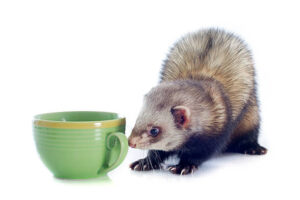
- Heavy Ceramic or Stainless Steel Bowls: Preferred by many experts as they allow ferrets to drink more naturally and quickly. They should be heavy enough not to tip over easily and placed where bedding won’t soil them.
- Multiple Water Sources: Provide at least two different water sources (e.g., bowl and bottle) in different locations, especially for multiple ferrets, to ensure constant access and choice.
- Freshness and Cleanliness: Water should be changed daily, and all water containers cleaned thoroughly with soap and water (and a bottle brush for bottles) every day to prevent bacterial and algae growth.
Never underestimate the importance of constant access to fresh, clean water. It is as vital as the food itself.
VI. Decoding Commercial Ferret Foods
For most ferret owners, commercial kibble is the most practical and nutritionally complete option. However, not all commercial ferret foods are created equal. Understanding how to critically evaluate food labels is crucial.
A. What to Look For: The Label is Key
A truly high-quality commercial ferret kibble will adhere closely to the obligate carnivore principles:
- Primary Ingredients (First 2-3): The first two or three ingredients listed should be animal-based proteins. Look for specific meat meals such as “chicken meal,” “lamb meal,” “turkey meal,” “poultry by-product meal.” “Meal” forms are often superior as they typically contain a more concentrated protein source (meat with water removed) compared to “chicken” or “turkey,” which are mostly water before processing. Avoid vague terms like “meat by-products” without specific animal identification.
- Guaranteed Analysis: Pay close attention to the percentages:
- Crude Protein: Aim for 30-40%, with the higher end generally preferable.
- Crude Fat: Aim for 18-30%.
- Crude Fiber: Should be very low, ideally below 3%. Higher fiber is indicative of plant fillers.
- Ash: A measure of the mineral content. While not always listed, lower ash content is generally better (below 7-8%), as very high ash can indicate excessive bone content or mineral fillers.
- Avoid These Ingredients (Red Flags):
- Corn, Wheat, Soy: These are common plant-based fillers, indigestible to ferrets, and can contribute to dental problems, GI upset, and increase the risk of insulinoma.
- Fruits and Vegetables: Fresh or dried, these are inappropriate and should not be a significant part of the ingredient list.
- Sugars and Sweeteners: Dextrose, corn syrup, sucrose, molasses, honey. These are highly detrimental to ferret pancreatic health.
- Artificial Colors, Flavors, and Preservatives (BHA, BHT, Ethoxyquin): These offer no nutritional value and may have adverse health effects. Natural preservatives like tocopherols (Vitamin E) are acceptable.
- Specific Amino Acids: Ensure taurine is listed in the ingredients, as it’s an essential supplement in formulated kibble.
Many premium cat or kitten foods (specifically grain-free, high-protein, high-fat formulas) can sometimes be acceptable alternatives if a dedicated high-quality ferret food is unavailable, but always read the label carefully for inappropriate ingredients and ensure they contain taurine. Kitten foods often have higher protein and fat content. However, dedicated ferret diets are always preferred due to their specific balancing and research for ferret nutritional needs.
B. Types of Commercial Diets
1. Kibble (Dry Extruded Food):
- Pros: Convenient to store and feed, long shelf life, typically cost-effective, readily available. The abrasive texture can offer some dental benefits by reducing plaque buildup. Nutritionally complete when high-quality.
- Cons: Quality varies greatly. Some brands contain excessive plant fillers and low-quality protein. Processing can reduce the bioavailability of certain nutrients.
- Recommendation: This is the most common and generally recommended feeding method for most ferret owners, provided a high-quality, species-appropriate brand is chosen carefully.
2. Raw Diets (BARF – Biologically Appropriate Raw Food / Prey Model Raw):
- Pros: Mimics a ferret’s natural diet in the wild, potentially offering superior digestibility and nutrient bioavailability. Enthusiasts report improved coat quality, reduced stool odor/volume, and higher energy levels.
- Cons:
- Nutritional Imbalance: Raw diets must be meticulously formulated to be nutritionally complete and balanced, including the correct calcium:phosphorus ratio, organ meats, and muscle meat. Homemade raw diets without expert guidance often lead to severe deficiencies or excesses.
- Bacterial Contamination: Raw meat carries a risk of pathogenic bacteria (Salmonella, E. coli, Listeria), which can pose health risks to both the ferret and human handlers. Strict hygiene practices are paramount.
- Cost and Storage: Can be more expensive and requires significant freezer space.
- Familiarity: Many ferrets accustomed to kibble may be resistant to transitioning to raw.
- Recommendation: If considering a raw diet, consult with a ferret-savvy veterinarian or a veterinary nutritionist experienced in raw feeding for ferrets. Never embark on a homemade raw diet without professional guidance. Pre-made, complete and balanced raw diets for ferrets are available from reputable manufacturers, but still require careful handling.
C. Transitioning Foods
Ferrets are notoriously picky eaters, often “imprinting” on their food as kits. Abrupt food changes can lead to refusal to eat, which is dangerous for ferrets due to their fast metabolism.
- Gradual Introduction: When changing foods, always do so gradually over 1-2 weeks.
- Start by mixing 75% old food with 25% new food.
- After a few days, if accepted, shift to 50% old, 50% new.
- Continue to 25% old, 75% new, and finally 100% new.
- Enhance Palatability: Sometimes, mixing a small amount of salmon oil, ferretone, or meat-based baby food with the new kibble can encourage acceptance.
- Persistence: Be patient but also monitor food intake. If your ferret refuses to eat for more than 12-24 hours, contact your veterinarian.
VII. Treats and Supplements: Use with Caution
A. Appropriate Treats
Treats should be given sparingly, making up no more than 5-10% of a ferret’s total daily caloric intake. They are useful for training, bonding, and occasional enrichment.
- Small Pieces of Cooked or Freeze-Dried Meat: Chicken, turkey, beef, lamb (unseasoned and unbreaded). These align with their natural diet. Freeze-dried chicken or liver treats for cats or ferrets are excellent choices.
- Meat-Based Baby Food (Stage 1): Pure chicken, turkey, or beef baby food with NO added vegetables, fruits, starches, or sugars. Read labels meticulously. These are often used as a nutritional boost for sick ferrets or as a carrier for medication.
- Salmon Oil (Small Amounts): A tiny drop (e.g., 1/8 to 1/4 teaspoon once or twice a week) can be a good source of omega-3 fatty acids for coat health and can be very motivating for ferrets. Ensure it’s pure salmon oil with no additives.
- FerretONE or FerretVite (Species-Specific Supplements): These are nutrient pastes specifically formulated for ferrets and are often used as treats or for supplementing sick or recovering ferrets. However, even these should be given sparingly to avoid over-supplementation.
B. Inappropriate Treats (and why)
Most “human” treats and many common pet treats are toxic or highly detrimental to ferrets.
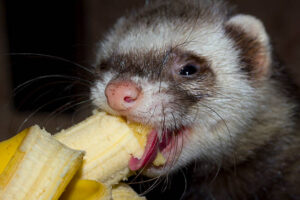
- Fruits and Vegetables (e.g., grapes, raisins, apples, carrots, corn): Ferrets cannot digest plant matter, and these can cause GI upset, choke hazards, blockages, or contribute to insulinoma due to sugar content. Grapes and raisins are also toxic to some pets (though specific ferret toxicity is less documented, it’s best to avoid).
- Dairy Products (e.g., milk, cheese, yogurt): Ferrets are lactose intolerant and cannot digest milk sugars, leading to diarrhea and GI upset.
- Sugary Foods (e.g., chocolate, candies, cookies, processed pastries): Extremely dangerous. They contribute to dental disease, obesity, and most critically, insulinoma. Chocolate is toxic to ferrets as it contains theobromine.
- Grains (e.g., bread, pasta, cereal): Indigestible carbohydrates that offer no nutritional value and can lead to health problems.
- Nuts and Seeds: Choking hazard, indigestible, high in fat (often the wrong kind).
- Cooked Bones: Can splinter and cause internal damage. Raw bones, if fed as part of a prey model diet, must be carefully considered and supervised.
- Caffeine and Alcohol: Highly toxic.
C. Supplements: When and Why (and under VET guidance)
For a healthy ferret on a high-quality, balanced diet, routine supplementation is generally unnecessary and can even be dangerous due to the risk of hypervitaminosis or mineral imbalances.
- When Supplements May Be Necessary:
- Illness or Recovery: A sick ferret may need supplemental nutrients or appetite stimulants.
- Malnourishment: Ferrets recovering from neglect or certain diseases may require temporary supplementation.
- Senior Ferrets: Some senior ferrets may benefit from joint supplements or specific vitamin boosts if their absorption is compromised.
- Specific Deficiencies: Diagnosed deficiencies (e.g., Vitamin E deficiency leading to steatitis) require targeted supplementation.
- Hairball Paste: While often given as a treat, many hairball pastes are petroleum-based laxatives. A better alternative is a meat-based hairball treatment or pure salmon/fish oil in small, infrequent amounts, coupled with regular brushing.
- Crucial Caveat: Any supplementation should always be done under the direct guidance and recommendation of a ferret-savvy veterinarian after a thorough examination and diagnosis. Self-prescribing supplements can be far more harmful than beneficial.
VIII. Feeding Regimen and Lifecycle Considerations
A. Feeding Schedules
- Free-Feeding: Due to their rapid metabolism and short digestive tract, ferrets need to eat frequently (up to 8-10 small meals a day). Therefore, free-feeding (leaving dry kibble available at all times) is the recommended method for most healthy ferrets.
- Bowl Hygiene: Use heavy ceramic or stainless steel bowls that are difficult to tip over. Clean food bowls daily to prevent bacterial growth and remove any uneaten or soiled food.
- Multiple Ferrets: For multiple ferrets, ensure there are enough food bowls in different locations to prevent resource guarding, especially in larger enclosures or ferret rooms.
B. Kits (Young Ferrets)
Young ferrets (kits, typically up to 6 months old) have even higher energy and nutrient requirements for rapid growth.
- Higher Protein/Fat: Ensure the chosen food has high levels of animal protein and fat suitable for growth.
- Soaked Kibble: When weaning, or if a kit is having difficulty eating dry kibble, you can soften it with warm water. Gradually reduce the amount of water as they adapt to dry food.
- Multiple Food Sources: Offer access to several food bowls during this critical growth period.
C. Senior Ferrets
As ferrets age (typically 4-5 years and older), their nutritional needs and abilities can change.
- Digestibility: Some senior ferrets may have reduced digestive efficiency, potentially requiring more easily digestible foods.
- Dental Health: Dental disease is common in older ferrets and can make eating dry kibble painful. Soaking kibble or transitioning to a softer, veterinarian-approved diet may be necessary.
- Weight Monitoring: Senior ferrets can become underweight due to illness or poor nutrient absorption. Close monitoring of body condition and veterinary check-ups are essential. Conversely, some sedentary seniors can become overweight.
- Underlying Conditions: Senior ferrets are more prone to chronic diseases (e.g., insulinoma, adrenal disease, heart disease) that will necessitate dietary modifications under veterinary guidance.
D. Pregnant and Lactating Jills
Pregnant and lactating female ferrets (jills) have significantly increased energy and nutrient demands to support fetal development and milk production.
- Increased Quantity: They will naturally eat more food. Ensure constant access to high-quality, calorie-dense kibble.
- Nutrient Density: The food should be rich in protein, fat, and all essential vitamins and minerals.
- Water: Access to ample, fresh water is even more critical for lactating jills to prevent dehydration.
IX. Common Nutritional Problems and Their Dietary Links
Many common ferret health issues are directly or indirectly linked to inappropriate nutrition.
A. Insulinoma
This is one of the most prevalent and serious diseases in domestic ferrets, characterized by tumors on the pancreas that produce excessive insulin, leading to dangerously low blood sugar (hypoglycemia).
- Dietary Link: There is a strong consensus among ferret veterinarians that a diet high in carbohydrates and sugars, especially in early life, plays a significant role in its development. Constant stimulation of the pancreas by glucose spikes from carbohydrate-rich foods can lead to pancreatic cell overgrowth and eventually tumor formation.
- Symptoms: Lethargy, hind limb weakness, staring into space, drooling, seizures.
- Management: Dietary management (low-carb, high-protein/fat) is crucial for controlling symptoms alongside medication or surgery.
B. Adrenal Disease
While the primary cause of adrenal disease (adrenocortical tumors or hyperplasia) is thought to be related to early spay/neuter practices and photoperiod abnormalities, poor nutrition can exacerbate the condition.
- Indirect Link: A poor general diet can compromise the immune system and overall health, potentially making a ferret more susceptible to developing or showing symptoms of adrenal issues. Good nutrition supports the body’s ability to cope with chronic illness.
C. Dental Disease
- Dietary Link: Diets high in sticky carbohydrates and sugars contribute to plaque and tartar buildup, leading to gingivitis, periodontal disease, and tooth loss. Soft foods that don’t provide abrasive action also contribute.
- Prevention: High-quality, hard kibble can help mechanically scrape plaque, alongside appropriate veterinary dental care.
D. Gastrointestinal Issues
- Diarrhea: Can be caused by sudden food changes, poor quality or inappropriate food ingredients (e.g., high plant matter), food allergies, or bacterial imbalances exacerbated by diet.
- Constipation: Can result from dehydration, low quality diet (e.g., indigestible fillers), or excessive hair ingestion (hairballs) compounded by a diet lacking appropriate lubrication (fat) or moisture.
- Prevention: Consistent feeding of a high-quality, species-appropriate diet and constant access to fresh water.
E. Obesity/Underweight
- Obesity: Excessive caloric intake, especially from inappropriate high-carbohydrate or high-fat (of the wrong kind) treats, combined with a lack of exercise. Can lead to joint problems, heart disease, and liver issues.
- Underweight/Malnutrition: Insufficient overall food intake, poor quality food (lacking essential nutrients), or underlying disease preventing nutrient absorption. Can lead to muscle wasting, dull coat, and weakened immune function.
- Prevention: Balanced diet, appropriate treat management, and regular exercise.
F. Malnutrition/Deficiencies
Feeding an inappropriate diet (e.g., cat food not meeting ferret-specific needs, dog food, or human food) or a very poor-quality ferret food can lead to a multitude of deficiencies (e.g., protein, fat, specific vitamins or minerals) manifesting as poor coat, skin issues, lethargy, stunted growth, muscle wasting, and compromised immune function.
X. Monitoring Health Through Diet
A ferret’s diet is a powerful barometer of its overall health. Regular observation of certain indicators can provide early warnings of potential problems.
A. Feces
- Consistency and Color: Healthy ferret stool is typically light brown to dark brown, well-formed, and soft but not liquid. Abnormalities like green, black, tarry, very pale, or very loose/watery stools can indicate illness or dietary issues.
- Frequency and Volume: Ferrets defecate frequently. Any significant change in frequency or stool volume should be noted. Very small, dry stools might indicate dehydration or constipation. Large volume, poorly digested stools can indicate a low-quality diet.
- Unusual Inclusions: Presence of undigested food, blood, or mucus is a cause for concern.
B. Coat Condition
- Healthy Coat: A healthy ferret has a soft, shiny, dense coat appropriate for its season.
- Dietary Indicators: A dull, dry, brittle, sparse, or excessively oily coat can be a sign of nutritional deficiencies (e.g., lack of essential fatty acids, protein, or specific vitamins/minerals). Excessive shedding or skin flakiness also warrants investigation.
C. Energy Levels and Behavior
- Normal Activity: Ferrets are naturally active, playful, and curious.
- Dietary Indicators: Lethargy, reduced playfulness, reluctance to move, or unusual weakness (especially in hind limbs) can be symptoms of low blood sugar (from insulinoma, often linked to diet) or general malnutrition. Conversely, frantic behavior after eating could indicate a sugar crash.
D. Body Condition Score
Regularly assess your ferret’s body condition by gently feeling its ribs, spine, and hip bones. You should be able to feel them easily but not see them prominently.
- Too Thin: Ribs, spine, and hip bones are very prominent, visible; lack of muscle mass.
- Ideal: Ribs and spine easily palpable with a thin layer of fat; a distinct “waist” when viewed from above.
- Overweight: Ribs and spine difficult to feel; no discernible waist; fat pads around the tail base or shoulders.
Monitoring these aspects regularly helps identify dietary problems early, allowing for timely intervention and veterinary consultation.
XI. The Indispensable Role of a Ferret-Savvy Veterinarian
While this guide provides extensive information, it is not a substitute for professional veterinary advice. A ferret-savvy veterinarian is an indispensable partner in providing optimal care, especially regarding nutrition.
- Individualized Needs: Every ferret is an individual, and specific health conditions (diagnosed or undiagnosed) can alter their nutritional requirements.
- Dietary Guidance: Your veterinarian can help you evaluate commercial foods, provide guidance on transitioning to a raw diet (if you choose that path), and formulate specific dietary plans for ferrets with health issues (e.g., insulinoma, kidney disease, dental problems).
- Supplementation Advice: They can diagnose nutritional deficiencies or recommend specific supplements only when truly necessary.
- Regular Check-ups: Routine annual or semi-annual check-ups are essential to monitor your ferret’s overall health, including their weight, dental condition, and discuss any dietary concerns.
- Emergency Care: In cases of anorexia (food refusal) or severe nutritional problems, prompt veterinary intervention is crucial.
XII. Conclusion: A Lifelong Commitment to Optimal Ferret Nutrition
The journey of providing essential nutrition to a ferret is a commitment that spans their entire life. From the energetic demands of a playful kit to the specific needs of a senior ferret managing chronic conditions, diet remains the bedrock of their health and happiness. By embracing the fundamental truth of their obligate carnivore biology, diligently selecting high-quality, animal-based foods, eschewing inappropriate treats, and ensuring constant access to fresh water, ferret owners can significantly mitigate the risk of common diseases and enhance their companion’s vitality.
This comprehensive understanding empowers owners to make informed choices, moving beyond generic pet food recommendations to meet the precise, highly specialized requirements of these unique mustelids. Remember, a ferret’s diet is not just about sustenance; it is a profound expression of care that directly translates into a healthier coat, stronger bones, more robust immune system, and a longer, more joyful life. Partnering with a knowledgeable veterinarian further solidifies this commitment, providing expert guidance tailored to each ferret’s individual journey. By prioritizing optimal nutrition, we honor the intricate biology of ferrets and foster the rich, rewarding bond we share with these extraordinary creatures.
#FerretsOfInstagram, #FerretNutrition, #ObligateCarnivore, #FerretDietTips, #HealthyFerrets, #FerretsRule, #PetCare, #FerretFood, #FerretsDaily, #AnimalNutrition, #ExoticPets, #FerretHealth, #MustelidLove, #FerretLife, #FerretsAreAwesome, #RawFedFerrets, #KibbleForFerrets, #FerretOwner, #FerretsUnite, #PetHealth, #TaurineForFerrets, #FerretVitamins, #NoCarbsForFerrets, #Ferrets, #FerretoftheDay, #FerretsWorld, #PetParent, #VetMed, #FerretsForever
Add comment