
The Myth of the Majestic Companion
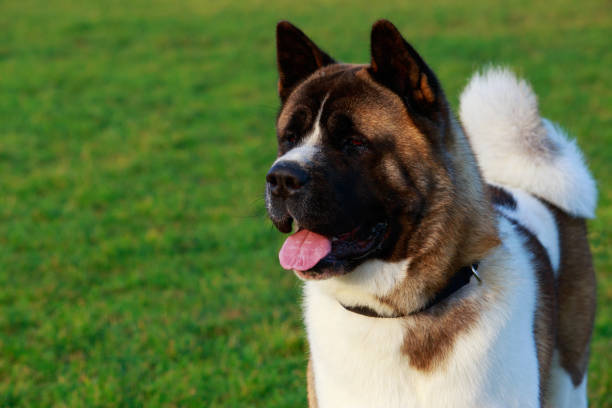
The American Akita is a creature of powerful beauty, stoic composure, and intimidating presence. Often appearing in popular culture as the ultimate symbol of fidelity—epitomized by the legendary Hachiko (a Japanese Akita, though the characteristics of intense loyalty are shared)—they attract owners seeking a majestic, loving guardian.
However, the reality of living with an Akita is dramatically different from the cinematic ideal. They are not merely “big dogs”; they are ancient, primary, and profoundly independent creatures whose temperament requires a level of commitment, understanding, and vigilance that few other breeds demand. An Akita owner must transition from admiring the breathtaking image of the breed to mastering the demanding reality of its formidable lineage.
This comprehensive guide serves as a crucial bridge, dissecting the most common expectations of potential owners and contrasting them sharply with the complex, challenging, and ultimately rewarding realities of sharing a life with the formidable American Akita.
I. Understanding the Foundation: History, Lineage, and the Crucial Distinction
Before addressing temperament, it is vital to understand the Akita’s historical purpose. Originating in the mountainous regions of Japan (Honshu Island), Akitas were developed for bear hunting and guarding royalty. This history explains two fundamental, non-negotiable aspects of their character: aloofness and fierce independent thinking.
The American Akita, specifically, developed after World War II when American servicemen brought some of the larger, heavier Akitas (often crosses with German Shepherds, Mastiffs, and Tosas) back to the United States. While the Japanese Akita Inu remains refined and medium-sized, the American Akita is a powerhouse—larger, heavier boned, with a greater variety of colors (including black masks and pinto markings).
The Reality of Lineage: Every stubborn trait, every aloof glance, and every instance of dog-aggression ties back to their original purpose: a solitary hunter and sentinel, not a pack follower or social butterfly.
II. Temperament and Personality: The Stoic Guardian vs. The Social Butterfly
The Akita’s personality is arguably the single greatest source of misunderstanding for first-time owners.
Expectation A: The Affable, Outgoing Family Dog
Many expect the Akita to be a large, fluffy version of a Labrador or Golden Retriever—eager to please, social with neighbors, and happy to meet everyone at the dog park.
Reality A: The Aloof and Hyper-Protective Sentinel (The “Velcro Akita”)
The Akita’s loyalty is intense, but it is highly selective.
1. The One-Person/One-Family Dog: Akitas bond fiercely, but often primarily with one person. They may tolerate other family members, but their devotion and absolute focus often rests on their primary caregiver. They are affectionate on their terms, often preferring to lean on you or sit nearby rather than engage in effusive, constant play.
2. Suspicion of Strangers: Akitas are inherently suspicious of outsiders. This is not aggression; it is vigilance. A stranger must pass through a gauntlet of silent, intense scrutiny. They rarely bark a warning; instead, they display a chilling stillness. Visitors to your home must be introduced calmly and respected as necessary nuisances, as the Akita will never simply trust someone instantly. This aloofness must be managed, as an overly pushy guest can be quickly seen as a threat.
3. Hyper-Protection and Territory: The Akita sees your property, your car, and your family as its territory and resources. Their guarding instinct is automatic, not trained. This means you must manage their environment constantly. Taking an Akita to a friend’s house can be complicated, as they instantly assume protective duties in the new location.
Expectation B: The Gentle Giant who Loves All Dogs
Because of their size and perceived calmness, owners assume they will integrate well into a multi-dog household or enjoy time at crowded parks.
Reality B: The Intolerant and Dog-Aggressive Primary Dog
This is perhaps the most significant reality check for the Akita owner.
1. Same-Sex Aggression (SSA): Akitas, particularly males, exhibit high levels of same-sex aggression. They view other large dogs of the same sex as competition for resources and hierarchy. This is biological and often cannot be trained out. Expecting an Akita to live peaceably with another large, dominant dog of the same sex is often setting up a dangerous failure.
2. Prey Drive and Small Animals: While early socialization can help, the Akita was bred to hunt large game. This translates into a substantial, often overwhelming, prey drive directed toward cats, small dogs, rabbits, squirrels, and other wildlife. They cannot be reliably trusted off-leash in unfenced areas.
3. Dog Park Exclusion: The Akita does not belong at a dog park. This is crucial for the safety of other dogs and the legal protection of the owner. Their body language is often misunderstood by other breeds; their stoic stance and intense stare can escalate a situation quickly, and their reaction speed and power mean any interaction can turn serious instantly in seconds. Owners must accept that their Akita’s socialization will involve structured, limited, and supervised experiences, focusing on neutrality rather than friendliness.
Expectation C: The Silent, Stoic Sentinel
Hachiko often portrays an image of sublime, quiet endurance. Potential owners expect a quiet dog suitable for apartment living.
Reality C: The Mumbling, Roaring Communicator
While Akitas are generally quiet, they are not silent. They possess a surprising vocal range, but it differs from typical barking.
1. The Akita Grumble/Mutter: A defining trait is the low, guttural murmur they produce when happy, frustrated, or simply thinking. This sound can unnerve first-time owners, who might mistake it for an impending growl. It is merely their unique form of talking.
2. The Roar/Howl: When they do bark, it is a deep, resonant sound designed to intimidate. They use it selectively—primarily when a perceived threat (or the mail carrier) enters their space. They can also howl melodically if isolated or stimulated by sirens.
III. Training and Intelligence: The Challenge of Independent Thought
Akitas are highly intelligent, but their intelligence is expressed through independent problem-solving, not compliance. This distinction is the core of their training struggle.
Expectation A: Easy, Obedient, Eager to Please
Owners often assume that intelligent dogs, like Border Collies, are easy to train because they live to follow direction.
Reality A: The Philosophical Refusal of Commands (The “What’s In It For Me?” Syndrome)
The Akita views every command as a negotiation.
1. Selective Hearing: An Akita knows what you want, but will weigh the effort required against the reward offered. If they are comfortable or preoccupied, a command must be issued with compelling conviction or an irresistible treat. They are not unable to learn; they are often unwilling to comply without a clear benefit to them.
2. Independence Above All: Their working history means they were expected to make life-or-death decisions on their own while hunting bear. They retain this capacity for independent thought. Repetition bores them, and they rarely perform tricks for sheer joy of pleasing their owner. Training must be approached as a collaborative problem-solving exercise, not a strict master-student relationship.
3. Boundary Testing: Akitas are masters of boundary testing. They need consistency, clarity, and immovable rules from day one. If an owner is inconsistent, the Akita will seize the opportunity to establish its own, more favorable, rules. This requires an owner with incredible patience and glacial consistency.
Expectation B: Traditional Training Methods Will Suffice
Owners often try techniques learned with other “softer” working breeds.
Reality B: Positive Reinforcement and Early Socialization are Non-Negotiable
1. Zero Tolerance for Punishment: Akitas are sensitive and proud. Physical correction or harsh verbal scolding will not break their spirit; it will break their trust and invite a defensive reaction. They respond best to high-value rewards (e.g., dehydrated liver, fresh meat) and calm, assertive leadership.
2. Socialization as Damage Control: Socialization for an Akita is not about making them friendly; it is about making them tolerant and neutral in high-exposure situations. They must be exposed to every sight, sound, and smell imaginable during the critical first six months (the “puppy window”). Without this intense, mandatory exposure, their natural suspicion will harden into dangerous fear-based reactivity.
3. Leadership, Not Dominance: The Akita needs a clear leader—someone who provides food, shelter, safety, and direction consistently. They thrive on structure. They do not respond well to aggressive, dominance-based training methods, which they will often interpret as a challenge to their own authority.
IV. Grooming, Health, and Climate: The High-Maintenance Coat and Vulnerable Body
The Akita’s magnificent double coat and unique physiology present significant maintenance challenges.
Expectation A: Weekly Brushing Keeps the Fluff in Check
Owners see the thick coat and assume regular maintenance is standard.
Reality A: The Coat Blow: A Seasonal Disaster Zone
The Akita’s double coat is designed for extreme cold. It consists of a coarse outer layer and a thick, woolly undercoat.
1. Year-Round Shedding: They shed moderately throughout the year.
2. The Bi-Annual Coat Blow: Twice a year (typically in spring/early summer and autumn), the Akita “blows its coat.” This is not shedding; it is the mass expulsion of the entire undercoat over a period of 2-4 weeks. During this time, the owner can fill a grocery bag with fur daily. The only tools capable of managing this are industrial-strength forced-air dryers (blowers) and specialized rakes. If the coat is not thoroughly managed during this phase, mats can form close to the skin, causing severe irritation and hot spots.
3. Cleaning Fastidiousness: A positive reality is that Akitas are exceptionally clean dogs. They self-groom extensively (often leading to hairballs if not brushed), and they rarely have the typical “dog odor.”
Expectation B: Robust Health and Endurance
As a powerful working breed, they are assumed to be genetically tough and impervious to common ailments.
Reality B: High Susceptibility to Autoimmune and Orthopedic Issues
Akitas come with a specific, expensive list of potential health concerns.
1. Autoimmune Disorders (The Akita Signature): The breed is genetically predisposed to several specialized autoimmune conditions where the body attacks its own tissues: * Uveo-Dermatological Syndrome (VKH): A debilitating condition attacking the eyes and skin, often resulting in blindness and pigment loss. * Sebaceous Adenitis (SA): An inflammatory disease that destroys the oil glands, leading to dry, scaly skin, hair loss, and chronic discomfort. This requires lifelong, often expensive, management (special shampoos, oils, and sometimes aggressive medication).
2. Orthopedic Concerns: Like many large, fast-growing breeds, they are prone to hip and elbow dysplasia. Early screening (PennHIP or OFA) is essential. They require careful management of diet and exercise during their rapid growth phase (up to 18 months).
3. Bloat (Gastric Dilatation-Volvulus): A life-threatening condition common in deep-chested breeds. Owners must be educated on the symptoms of bloat, and emergency veterinary care and surgery must be financially feasible.
The reality of Akita health means that pet insurance is strongly recommended, and high-quality veterinary care is a necessity.
Expectation C: Adaptable to All Climates
It’s often assumed they can live anywhere, especially if they have air conditioning.
Reality C: Built for the North, Intolerant of Heat
Their coat is an incredible insulator, but it works both ways. The Akita’s tolerance for heat is extremely low.
1. Heatstroke Risk: They are highly susceptible to heatstroke, even during moderate exertion on warm days. Owners in southern or humid climates must keep Akitas indoors during the day, limit walks to pre-dawn or post-dusk, and provide constant access to cooling mats or air conditioning.
2. Snow Enthusiasts: Conversely, they thrive in cold weather. They view snow as a personal playground and require less maintenance in frigid conditions.
V. Exercise, Space, and Containment: The Security System Requirements
The Akita’s exercise needs are often misjudged. They are powerful, but not endurance athletes.
Expectation A: Needs Miles of Running Space and Extreme Exercise
Based on their size, people compare them to sled dogs or livestock guardians.
Reality A: Moderate Physical Needs, Extreme Mental Stimulation Demands
1. The Sprinters, Not Marathoners: An Akita requires two long, brisk walks (45-60 minutes total) per day, but intense, sustained running is often unnecessary and can be hard on their joints. They prefer purposeful activity—a patrol of the yard, carrying a backpack, or a focused training session.
2. The Need for Mental Work: An bored Akita is a destructive Akita. Because they are so intelligent, they need problem-solving tasks. This is more crucial than physical exhaustion. Interactive toys, frozen Kongs, scent work, and rotating training drills are essential to keep their independent mind occupied.
Expectation B: A Standard Fence is Sufficient
A six-foot chain-link fence seems adequate for a large dog.
Reality B: Fort Knox Containment is Essential
Akita owners must treat containment as a critical safety and liability issue.
1. The Escape Artists: Akitas are expert climbers, diggers, and strategists. They will test the integrity of every latch, gate, and fence panel. * Fencing must be at least six feet tall, preferably solid wood or privacy fencing to limit visual stimuli (which can trigger reactivity). * The fence line must be secured at the base using L-footers, paving stones, or buried chicken wire to prevent digging.
2. Off-Leash Risk: Due to their powerful prey drive and potential dog aggression, an Akita should virtually never be trusted off-leash outside a fully secure area. Even dogs with perfect recall can ignore commands when a squirrel or rival dog appears. The consequence of a failed recall can be severe.
3. The Leash Requirement: A strong harness, a reliable leash, and the consistent training required to handle a 100+ pound dog that can move with surprising speed are non-negotiable.
VI. Financial and Emotional Commitment: The Cost of a Primary Breed
The financial and lifestyle implications of Akita ownership vastly exceed those of most common family breeds.
Expectation A: Standard Large Dog Expenses
The cost is estimated based on food and routine vet visits.
Reality A: High-Definition, High-Liability, High-Cost Living
1. Food Quality: Akitas thrive on high-quality, protein-rich diets, often requiring large amounts of specialized food formulated for large breeds and sensitive stomachs. Budget $100–$150+ per month for premium kibble, plus supplements.
2. Veterinary Costs: Given the predisposition to autoimmune disorders and joint issues, owners must budget for specialized diagnostic tests, long-term medication, and potential emergency surgery (for bloat).
3. Liability and Insurance: Due to their guard dog nature and potential for aggression, homeowners may find their liability insurance policy restricted or require an expensive rider. This is a cold reality of owning a “Molosser” type breed.
Expectation B: A Dog that Fits Into Your Existing Lifestyle
The Akita is seen as an add-on to an otherwise flexible family schedule.
Reality B: The Akita Dictates the Lifestyle
1. Social Restriction: An Akita means that spontaneous trips, casual visits to neighbors, and unstructured activities become complicated. They cannot be reliably left with casual boarding facilities or walked by inexperienced friends. Professional care usually requires specialized dog walkers or sitters familiar with the breed’s temperament.
2. Lifelong Vigilance: The Akita owner must be a perpetually alert advocate. They must anticipate potential issues (a loose dog approaching, a child running quickly, a stressful environment) and intervene before the dog reacts. This level of constant vigilance is emotionally draining but mandatory for safety. The Akita is a 10-to-14-year commitment to responsibility and risk management.
3. The Importance of Rescue Over Puppy: The reality is that many Akitas end up in rescue because owners fail to manage these realities. Adopting an adult Akita through a dedicated rescue organization (like the Akita Rescue of America) is highly recommended, as they temperament-test their dogs and match them with appropriate owners, offering crucial support networks.
VII. Conclusion: The Reward for the Prepared Few
The American Akita is not a beginner’s dog. It is not an amiable pet suitable for the general public. It requires a specific type of owner: experienced, consistent, knowledgeable about dog behavior, financially stable, and absolutely committed to structure and lifelong management.
If an owner can meet the Akita’s non-negotiable needs—providing unshakeable leadership, intense early socialization and neutrality training, Fort Knox containment, and meticulous health management—the reward is profound.
The reality of Akita ownership is challenging, yet deeply fulfilling. In return for unwavering dedication, the owner receives a companion whose loyalty is absolute, whose dignity is breathtaking, and whose presence is a constant, silent testament to the ancient, wild beauty of the canine world. The Akita is not just a dog; it is a way of life, reserved only for those who truly understand and respect its formidable nature.
#AmericanAkita #AkitaLife #ExpectationVsReality #AkitaDog #DogAggressionReality #AkitaTraining #GuardDogLife #LargeBreedDogs #AkitaOwner #DogAdvice #WorkingDogBreed #AkitaHealth #CoatBlow #DogGuardians #StoicDogs







Add comment