
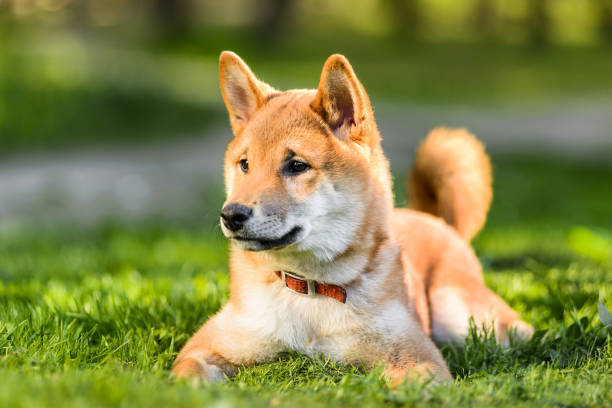
The Japanese Akita Inu. A name that conjures images of majestic beauty, unwavering loyalty, and stoic dignity. For many, the breed’s allure is deeply rooted in the poignant tale of Hachiko, the faithful Akita who waited for his deceased master for years at Shibuya Station. This powerful narrative, combined with their striking appearance – a thick double coat, curled tail, and intelligent, almond-shaped eyes – often draws prospective owners seeking a unique and devoted companion.
However, beneath the romanticized image and impressive physique lies a complex, primitive breed with a strong will, specific needs, and a temperament vastly different from many popular companion dogs. The gap between the expectation of owning a noble, easily managed Hachiko and the reality of living with a true Japanese Akita Inu can be a profound and challenging awakening for the unprepared. This comprehensive guide aims to bridge that gap, offering an honest, in-depth look at what it truly means to welcome a Japanese Akita into your life.
The Allure: What Draws People to the Japanese Akita Inu (The Expectation)
Before diving into the practicalities, it’s essential to understand the common perceptions and desires that lead people to the Akita breed.
- The Hachiko Factor: The legend of Hachiko is arguably the most significant draw. People expect unparalleled loyalty, a dog that will devotedly follow them everywhere, exhibiting profound affection and attachment.
- Majestic Appearance: Their stunning looks are undeniable. The thick, plush double coat, often in red, fawn, sesame, brindle, or pure white, their confident stance, and powerful build make them look like regal guardians. Owners often anticipate owning a conversation starter, a dog that commands admiration.
- Dignified & Stoic Demeanor: Akitas often carry themselves with an air of calm confidence. This is often interpreted as a naturally placid and low-key temperament, requiring minimal fuss.
- Intelligence: Their intelligence is clear in their alert expressions, leading many to believe they will be quick learners and eager to please, easily mastering commands.
- Cleanliness: Akitas are known for being meticulously clean, often grooming themselves like cats, which suggests low-maintenance grooming.
- Protective Nature: Their imposing size and loyal reputation make them appealing to those seeking a natural guardian for their home and family.
- Unique & Rare: Compared to Golden Retrievers or Labradors, the Akita is less common, appealing to those who desire a distinctive and less “mainstream” dog.
These expectations, while rooted in some truth about the breed, often paint an incomplete picture, glossing over the significant challenges and specific requirements inherent in Akita ownership.
The Reality: Unpacking the True Japanese Akita Inu Experience
Now, let’s peel back the layers and explore the multifaceted reality of living with this magnificent, yet demanding, breed.
A. Temperament & Personality: A Study in Contradictions
- Expectation: A stoic, calm, dignified dog, always gentle and unwavering in its loyalty, like an ever-present, quiet shadow. Demonstratively affectionate within the family unit.
- Reality:
- Strong-Willed and Independent: The Akita embodies the essence of a primitive breed. They are not “people-pleasers” in the way many working or retriever breeds are. Their intelligence is coupled with a strong will and an independent nature. They will analyze a command and decide if it’s worth their effort. This isn’t defiance; it’s self-reliance. They require a confident, consistent leader who earns their respect, not one who demands subservience.
- Aloof, Not Necessarily Affectionate: While profoundly loyal to their chosen family, Akitas are not typically demonstrative with their affection. They might choose to be in the same room as you, or lean against your leg, rather than showering you with slobbery kisses or demanding constant petting. They are discerning with their affection. With strangers, they are typically aloof, suspicious, or indifferent – rarely openly friendly. This protective aloofness is a hallmark of the breed and needs to be understood and respected.
- Intense Protective Instincts: Their guarding nature is inherent. They are naturally watchful and territorial. This can be a huge asset if managed correctly, as they are excellent deterrents. However, without proper socialization and training, this can manifest as aggression towards strangers or anyone perceived as a threat to their family or territory. They have a strong “personal space” bubble and can react sharply if this is violated by unfamiliar individuals.
- High Prey Drive: This is one of the most significant realities overlooked by many. Akitas were historically used for hunting large game and still possess an incredibly strong prey drive. Small animals – cats, rabbits, squirrels, even small dogs – are often viewed as potential prey. It is extremely rare for an Akita to reliably co-exist with smaller pets unless they are raised with them from an extremely young age, and even then, constant supervision is often required. Off-leash reliability around wildlife is almost impossible.
- Dog-on-Dog Aggression: This is perhaps the most challenging and often misunderstood trait. Akitas, particularly same-sex pairs, have a strong predisposition towards dog aggression. They are not naturally inclined to be social butterflies at dog parks. Many Akitas will never be reliably friendly with other dogs, especially intact males. This requires careful management: avoiding dog parks, parallel walks with known, calm dogs, muzzle training, and always being vigilant in public. Early and ongoing socialization can help mitigate some of this, but it will rarely eliminate it entirely. It’s crucial for owners to accept this reality and responsibly manage their Akita’s interactions.
- “Mouthiness”: Akita puppies can be quite mouthy during play, and their strong jaws mean that even playful nips can be painful. Teaching bite inhibition from a young age is paramount.
- Quiet Nature (Mostly): They are generally not excessive barkers, often preferring to observe silently. However, they are alert and will bark to alert their family to perceived threats or unusual occurrences. They might also emit unique “Akita grumbles” or “woowoos” when happy or communicating.
- Deep, Earned Bond: The bond with an Akita is profound and deep, but it’s earned through mutual respect and consistent leadership. They choose their family and offer an unparalleled devotion, but it’s not the effusive, obvious love of a Golden Retriever.
B. Training & Intelligence: The Smart, Stubborn Student
- Expectation: Highly intelligent, so they’ll be easy to train and eager to please.
- Reality:
- Intelligent, but Selective: Akitas are indeed intelligent, capable of learning complex commands quickly. The challenge lies in their motivation. They quickly get bored with repetitive drills and will shut down or invent their own games. They’ll perform a command if they see value in it, or if you’ve made it incredibly rewarding, but rarely just to “make you happy.”
- The “Akita Deaf Ear” & Stubbornness: This breed is legendary for its stubborn streak. They will test boundaries relentlessly. If they don’t want to do something, they often pretend not to hear you, or simply give you a look that says, “I know what you want, but I’m not doing it.” This requires immense patience, consistency, and a sense of humor from their owner.
- Early and Ongoing Socialization is Non-Negotiable: This cannot be stressed enough. From the moment they are allowed out after vaccinations, Akita puppies need exposure to a wide variety of sights, sounds, people, and carefully supervised interactions with well-mannered, vaccinated adult dogs. Puppy classes are a must. This isn’t about making them universally friendly, but about teaching them how to react appropriately and not be fearful or aggressive in novel situations. Socialization is a lifelong process.
- Consistency and Leadership: Akitas need a firm, fair, and consistent leader. They will seek to be the “alpha” if a vacuum in leadership exists. Positive reinforcement methods are crucial, but delivered with the understanding that you are the one in charge. They respond best to short, engaging training sessions.
- Recall Challenges: Due to their independent nature and high prey drive, off-leash reliability is extremely challenging, if not impossible, for most Akitas. Their instinct to chase or explore will almost always override a recall command if something interesting catches their eye. A secure, fenced area is essential for any off-leash time.
C. Grooming & Shedding: The Double-Coated Fur Machine
- Expectation: A clean, low-maintenance dog that rarely sheds, thanks to its self-grooming habits.
- Reality:
- Heavy Shedding – The “Akita Blow”: Akitas possess a dense double coat designed for harsh Japanese winters. Twice a year, typically in spring and fall, they undergo a massive “coat blow” where they shed huge amounts of undercoat. During this period, you will find fur everywhere. Daily, intensive brushing with a de-shedding tool (like a rake or slicker brush) is required to manage the onslaught.
- Moderate Shedding Year-Round: Even outside of the coat blows, Akitas shed moderately year-round. Regular brushing (2-3 times a week) is essential to keep their coat healthy, prevent matting, and minimize fur accumulation in your home.
- Grooming Routine: While they are clean dogs and don’t need frequent bathing, when they do, it’s a significant undertaking due to their dense coat. Proper drying is crucial to prevent skin issues. Nails need regular trimming, and ears should be checked and cleaned.
- Professional Grooming: Many Akita owners opt for professional grooming during shedding season to help manage the coat blow, which can save time and effort.
D. Exercise & Mental Stimulation: More Than Just a Walk
- Expectation: A leisurely daily walk is sufficient for this calm, dignified breed.
- Reality:
- Moderate Exercise Needs: While not as hyperactive as some working breeds, Akitas are powerful dogs that require structured daily exercise. A brisk 1-2 hour walk or jog is often necessary to keep them physically fit and mentally balanced. They enjoy exploring and being outdoors.
- Mental Stimulation is Crucial: A bored Akita is a destructive Akita. Their intelligence means they need their minds challenged. This can include puzzle toys, interactive games, scent work, short, engaging training sessions, and varied walking routes. Simply leaving them in a yard all day will lead to behavioral problems like digging, chewing, or excessive barking.
- Leash Walking Expertise: Akitas are strong dogs. They require excellent leash manners and their owners must be capable of handling them. A strong, determined Akita can easily pull an unprepared owner off their feet. Proper training with a harness or head halter can be beneficial. Off-leash exercise should only occur in securely fenced areas, given their prey drive and independent nature.
E. Health & Lifespan: Breed-Specific Considerations
- Expectation: Robust, hardy dogs with few health concerns, living long lives.
- Reality:
- Predisposition to Certain Conditions: While generally healthy, Akitas are prone to several significant health issues that prospective owners must be aware of:
- Autoimmune Diseases: Akitas are overrepresented in autoimmune conditions such as Vogt-Koyanagi-Harada (VKH) syndrome, Pemphigus complex, and Sebaceous Adenitis. These can affect their eyes, skin, and coat, often requiring lifelong treatment.
- Hip and Elbow Dysplasia: Like many large breeds, they can suffer from these joint conditions, leading to arthritis and pain. Responsible breeders screen for these.
- Gastric Dilatation-Volvulus (GDV) / Bloat: A life-threatening emergency where the stomach twists. Owners must know the symptoms and be prepared for immediate veterinary intervention.
- Hypothyroidism: An underactive thyroid gland, manageable with medication.
- Progressive Retinal Atrophy (PRA): A genetic eye disease that can lead to blindness.
- Lifespan: Akitas typically live 10-14 years. However, proper care, nutrition, and early detection/management of health issues are critical to achieving this lifespan.
- Veterinary Costs: Due to the potential for breed-specific health issues and their large size (meaning higher doses for medications and anesthesia), vet bills can be substantial. Pet insurance is highly recommended.
- Predisposition to Certain Conditions: While generally healthy, Akitas are prone to several significant health issues that prospective owners must be aware of:
F. Living Environment & Lifestyle: A Tailored Fit
- Expectation: Adapts to any home, a quiet, undemanding companion.
- Reality:
- Secure Fencing is Paramount: Due to their intelligence, independence, and prey drive, Akitas are escape artists. A minimum 6-foot, solid fence is essential, and many owners find they need to bury the fence line to prevent digging out. They should never be left unsupervised in an unfenced yard, tied up, or allowed off-leash in unsecured areas.
- Not an “Outdoor Only” Dog: Despite their thick coats, Akitas are deeply bonded to their families and should primarily live indoors, as part of the family. While they enjoy outdoor time, isolating them can lead to behavioral issues and unhappiness. They can suffer from separation anxiety if left alone for extended periods.
- Children & Other Pets (Cautionary Note):
- Children: Akitas can be wonderful companions with their own children if raised with them from puppyhood and if the children are taught how to respectfully interact with dogs. However, their size, strength, potential mouthiness, and guarding instincts mean that constant, vigilant supervision is non-negotiable, especially with visiting children or those unfamiliar with dogs. They are not recommended for homes with very young, boisterous children or those unfamiliar with primitive breeds.
- Other Pets: As discussed, their high prey drive makes cohabitation with small animals risky. Their dog-on-dog aggression means they are best as an only dog or with a very carefully selected, opposite-sex canine companion who can hold their own.
- Time and Financial Commitment: Owning an Akita is a significant commitment. They require substantial time for training, socialization, exercise, and companionship. Financially, they are expensive to feed (quality large breed food), vet (potential for breed-specific issues), groom, and potentially board. This is not a “budget” dog.
- Experience Preferred: Akitas are generally not recommended for first-time dog owners. Their strong will, intelligence, and potential for aggression require an experienced hand, someone who understands primitive breeds, and is committed to lifelong management.
Is a Japanese Akita Inu Right for You? Bridging the Gap
After understanding the realities, it’s vital to honestly assess if the Japanese Akita Inu is the right breed for your lifestyle and experience level.
You might be a good Akita owner if you are:
- An experienced dog owner: Especially with primitive breeds or those known for strong wills.
- A confident, consistent, and patient leader: You understand that earning respect is key, not asserting dominance through force.
- Committed to lifelong training and socialization: You understand this is an ongoing process, not a puppy-stage fix.
- Prepared for significant time commitment: Daily exercise, mental stimulation, and being an integral part of the family.
- Aware of and willing to manage potential dog-on-dog aggression and high prey drive: This includes secure fencing, leash walking, and avoiding dog parks.
- Financially stable: Able to afford high-quality food, potential vet bills for breed-specific health issues, and professional training/grooming if needed.
- Seeking a loyal, independent, and dignified companion: You appreciate a dog that bonds deeply but isn’t overly clingy or demonstrative.
- Someone who values personal space: Both yours and your dog’s.
- Living in a home with secure, high fencing.
An Akita is probably not the right choice if you are:
- A first-time dog owner: The learning curve is steep.
- Looking for an “easy” or “low-maintenance” dog.
- Seeking an off-leash hiking or dog park companion.
- Hoping for a dog that is universally friendly to all people and dogs.
- Unwilling to dedicate significant time to training, socialization, and exercise.
- On a tight budget for pet care.
- Living with small children or other small pets (cats, small dogs, rodents) without extensive experience managing such dynamics.
- Expecting a dog that is constantly eager to please and overtly affectionate.
- Unprepared for heavy shedding.
Conclusion: Respecting the True Nature of the Akita
The Japanese Akita Inu is a truly magnificent breed – powerful, intelligent, loyal, and incredibly beautiful. The expectation of owning a “Hachiko” is understandable, but the reality is that the Akita is a complex, primitive breed that demands respect, understanding, and a significant commitment from its owner.
They are not for everyone, and rushing into ownership based solely on their looks or the Hachiko legend is a disservice to both the dog and the potential owner. For the right individual or family – those who understand and appreciate their independent spirit, strong will, unique bonding style, and specific needs – the Akita can be an incredibly rewarding, devoted, and majestic companion. They will challenge you, teach you patience, and offer a loyalty that is profound and unwavering once earned.
By understanding the full reality of Akita ownership, you can make an informed decision and ensure that if you do choose to welcome one into your home, you are prepared to provide the environment, training, and love this extraordinary breed truly deserves.
#AkitaInu, #JapaneseAkita, #AkitaLife, #ExpectationVsReality, #AkitaDog, #DogOwnership, #BreedGuide, #AkitaLove, #Hachiko, #SmartDogs, #DogTraining, #DogCare, #LargeDogs, #PrimitiveBreeds, #AkitaChallenges, #AkitaReality, #PetOwnership, #AkitaCommunity, #ResponsibleDogOwner, #JapaneseAkitaInu, #AkitaPup, #AkitaWorld, #Akitasofinstagram, #Dogstagram, #InstaDog, #HachikoDog, #DogLife, #FurryFriend, #BreedSpecific, #AkitaJourney, #AkitaFacts, #DogTrainingTips, #WorkingDog, #LoyalCompanion, #MajesticDog, #AkitaInuGuide, #JapaneseAkitaReality, #AkitaTemperament, #AkitaCare, #LivingWithAnAkita, #AkitaProsAndCons, #IsAnAkitaRightForYou, #AkitaHealth, #AkitaGrooming, #AkitaShedding, #DogBreedReview, #AkitaDogBreed, #AkitaChallenges, #DogTrainingVideos







Add comment