
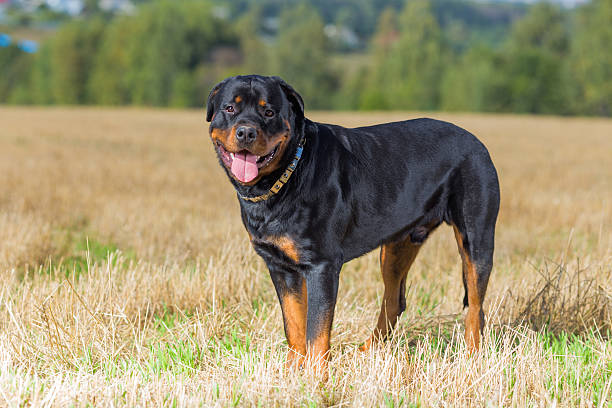
he Majestic Guardian Unveiled: Decoding the Rottweiler Expectation vs. Reality
Introduction: The Allure of the Rottweiler – A Glimpse Beyond the Image
The Rottweiler. The very name evokes a powerful image: a magnificent, muscular dog with a sleek black coat and distinctive rust-colored markings, an embodiment of strength, loyalty, and unwavering protectiveness. For centuries, this breed has commanded respect, first as drovers herding cattle in ancient Rome, then as butchers’ dogs guarding their wares, and now, as a formidable family guardian and loyal companion across the globe.
It’s this powerful image that often draws people to the Rottweiler. They envision a steadfast protector, a dog whose mere presence deters intruders, a loyal shadow that will stand by their side through thick and thin. They see the potential for an intelligent, confident canine partner. And indeed, many of these expectations hold a kernel of truth. The Rottweiler is, unequivocally, an intelligent, loyal, and naturally protective breed.
However, like all deeply ingrained perceptions, the popular image of the Rottweiler often falls short of the complex reality of living with one. The gap between expectation and reality can be vast, leading to misunderstandings, frustration, and, unfortunately, sometimes even the relinquishment of these magnificent animals. Owning a Rottweiler is not merely about appreciating their imposing beauty or their inherent guarding instincts; it’s about understanding and committing to their profound needs, their strong personalities, and the significant responsibility that comes with sharing your life with such a powerful and intelligent creature.
This comprehensive guide aims to bridge that gap. We will meticulously peel back the layers of common expectations, contrasting them with the intricate, often challenging, but ultimately immensely rewarding realities of Rottweiler ownership. From their temperament and trainability to their health, exercise needs, and financial implications, we will explore every facet, empowering prospective and current owners with the knowledge to foster a truly harmonious and fulfilling relationship with their Rottweiler. Prepare to delve into the heart of what it truly means to welcome this majestic guardian into your home.
Section 1: Appearance and Temperament – Beyond the Fierce Façade
Expectation: A Rottweiler is a consistently fierce, intimidating, and aloof dog, always “on guard” and ready for confrontation. Their very presence signifies danger.
Reality: While undeniably impressive and capable of being intimidating, the Rottweiler’s temperament is far more nuanced and complex.
1. The “Gentle Giant” with Family:
- Reality: Within the confines of their cherished family unit, Rottweilers are often described as “gentle giants” or even “velcro dogs.” They crave affection and physical closeness, often trying to squeeze their substantial bodies onto laps or lean heavily against their beloved humans. They display a surprising goofiness and playfulness, especially as puppies and young adults. Many Rottweilers possess a distinct “Rottie smile” – a submissive grin that involves baring their teeth while wagging their tail, a behavior often misinterpreted by those unfamiliar with the breed. This inherent sweetness and desire for companionship is a stark contrast to their external perception. They are deeply bonded to their primary caregivers and will follow them from room to room, seeking to be involved in family activities. This strong bond forms the bedrock of their loyalty and protective instincts.
2. The Transformative Power of Puppyhood:
- Reality: Rottweiler puppies are undeniably adorable, clumsy, and full of playful energy. They chew, they piddle, they explore with boundless curiosity, just like any other puppy. This formative stage is absolutely critical for shaping their adult temperament. Proper socialization during puppyhood (exposure to various people, places, sounds, and other dogs in a positive way) is paramount to ensuring they grow into well-adjusted, confident, and stable adults rather than fearful or overly reactive ones. Without this crucial early exposure, their natural protective instincts can manifest as fear-based aggression, which is dangerous in a powerful dog.
3. Reserved, Not Aggressive, Towards Strangers:
- Reality: A well-socialized Rottweiler is typically reserved with strangers, not immediately aggressive. They will observe new people with a watchful eye, assessing the situation. This inherent wariness is a natural part of their guarding instinct. They don’t typically rush up to greet everyone with effusive enthusiasm like some other breeds. Instead, they wait for their owner’s cue. If their owner indicates a person is friendly, they will often relax. However, they will always remain vigilant, keeping one eye and ear attuned to any potential threat, embodying a quiet confidence rather than an overt display of aggression. True aggression in a Rottweiler is often a symptom of poor breeding, lack of socialization, fear, or inadequate training, rather than an inherent trait.
Section 2: Trainability and Intelligence – The Double-Edged Sword
Expectation: Rottweilers are naturally obedient, easy to train, and will inherently be well-behaved dogs because of their intelligence.
Reality: Rottweilers are indeed highly intelligent, but this intelligence is a double-edged sword that requires committed and consistent training.
1. Intelligent, But Strong-Willed:
- Reality: Rottweilers are highly intelligent and capable of learning complex commands, intricate routines, and even specialized tasks. They are quick thinkers and problem solvers. However, this intelligence comes paired with a strong will and an independent streak. They aren’t automatons that blindly obey; they will often “think” about what you’re asking, sometimes weighing it against their own desires. If they perceive a lack of leadership, consistency, or incentive, they may choose not to comply. This makes them challenging for novice owners who may not understand the importance of establishing clear boundaries and consistent expectations.
2. Consistency, Firmness, and Positive Reinforcement are Non-Negotiable:
- Reality: Training a Rottweiler requires a consistent, firm, but fair approach, heavily reliant on positive reinforcement. Harsh correction or punitive training methods can damage their trust and lead to resentment, fear, or even aggression in a dog of their strength. They respond best to clear communication, reward-based training (treats, praise, toys), and a genuine bond with their handler. The phrase “firm, but fair” is critically important. They need to understand you are the benevolent leader, not a dictator. Daily training sessions, even short ones, reinforce commands and strengthen the bond.
3. Early Training is Not Optional – It’s Essential:
- Reality: Early and continuous training is absolutely crucial. Puppy kindergarten classes are an excellent start for socialization and basic manners. This should be followed by obedience classes (levels 1, 2, and potentially 3) to solidify commands and introduce more advanced concepts. A Rottweiler that is not properly trained and socialized as a puppy and adolescent can quickly become unmanageable due to their size and power. An untrained Rottweiler is a liability, not a companion. Their critical learning window closes relatively early, making puppy and adolescent training the most impactful.
4. Boredom Breeds Destruction and Misbehavior:
- Reality: An intelligent dog like a Rottweiler needs mental stimulation just as much as physical exercise. Without it, they become bored, and a bored Rottweiler is a destructive Rottweiler. This can manifest as excessive barking, chewing furniture, digging up the yard, or developing other unwanted behaviors. Puzzle toys, scent work, advanced obedience training, agility, or even simply teaching new tricks can keep their minds engaged and prevent these issues. Their strong desire to work and please their owner can be channeled into productive activities.
5. The Handler’s Commitment is Key:
- Reality: Owning a Rottweiler means committing to being their lifelong trainer and leader. It’s not a breed you can send off to “board and train” for a few weeks and expect a perfectly behaved dog for life. Their training is an ongoing dialogue, a continuous reinforcement of learned behaviors, and an adaptation to new situations. You must be prepared to invest significant time and effort into their training journey, understanding that you are shaping a powerful mind and body. Your relationship with your Rottweiler is a partnership built on mutual respect and understanding, with you as the clear, consistent guide.
Section 3: Guarding and Protection – Instinct vs. Training
Expectation: A Rottweiler is an instant, natural guard dog, always ready to protect their family and home without any specific training.
Reality: While Rottweilers possess strong natural guarding instincts, these instincts need to be properly managed and channeled through socialization and training to prevent misdirected aggression.
1. Natural Instincts, Not Automatic Protection:
- Reality: Rottweilers indeed have an inherent drive to protect their family and territory. They are watchful, observant, and will typically alert owners to strangers or unusual sounds with their deep, resonant bark. This natural deterrent is often sufficient to discourage intruders. However, believing they are “born” ready to protect is a dangerous misconception. An untrained Rottweiler might become aggressive out of fear, lack of impulse control, or simply because they don’t understand the difference between a real threat and a perceived one (e.g., a friendly mail carrier).
2. Socialization Prevents Fear-Based Aggression:
- Reality: Proper socialization is fundamentally important to a good guard dog. A well-socialized Rottweiler is confident and stable. They can discern between a normal, non-threatening situation and a genuine threat. A Rottweiler that is not socialized may become fearful and reactive, which can lead to inappropriate aggressive displays. Their guarding instincts, when unrefined, can result in overreactions to benign stimuli. They need to trust that their owner will handle most situations, and they are merely there as a backup.
3. The Importance of Control and Discernment:
- Reality: A true guard dog is one that can be controlled by their owner at all times. They should only escalate their protective behavior on command or in a clear, unambiguous threat situation. They must possess excellent impulse control and be able to “turn off” their guarding behavior when told. Without this control, you have a liability, not a protector. Teaching a Rottweiler to stop barking on command, to “leave it,” and to have a strong recall is more important than teaching them to bite.
4. Professional Protection Training (If Desired):
- Reality: If an owner genuinely desires a dog trained for personal protection, it must be done under the guidance of highly experienced, reputable professional trainers who specialize in Schutzhund, Ringsport, or similar protection sports. This is not something to attempt at home or with inexperienced trainers. These programs focus heavily on obedience, control, and bite inhibition, ensuring the dog is stable and discriminating in their actions. Such training is a massive undertaking, requiring significant time, commitment, and expense, and is not suitable for every Rottweiler or every owner. For most families, a well-socialized, obedient Rottweiler whose presence is a natural deterrent is more than enough.
5. Managing Perceptions:
- Reality: Due to their powerful appearance and reputation, owning a Rottweiler means you are constantly managing public perception. Your dog’s behavior will be scrutinized more than a golden retriever’s. It is your responsibility to ensure your Rottweiler is always under control, well-mannered in public, and a good ambassador for the breed. This means preventing any situations where their natural wariness might be misinterpreted as aggression.
Section 4: Exercise Needs – More Than a Backyard Dog
Expectation: Rottweilers are large dogs; therefore, a big backyard is sufficient exercise, or they just need a casual daily walk.
Reality: Rottweilers are powerful, athletic dogs with substantial energy levels that require consistent, purposeful physical and mental exercise to thrive. A large backyard alone is rarely enough.
1. Purposeful Exercise, Not Just “Pottering Around”:
- Reality: A Rottweiler isn’t content to simply wander around a large yard. They need structured, purposeful exercise to burn off energy and stay mentally stimulated. This means daily walks, runs, or hikes, ideally for at least 60-90 minutes, broken into two or more sessions. Simply letting them out into a yard, even a large one, without direct engagement, will not fulfill their exercise requirements. They will likely become bored, leading to destructive behaviors like digging, barking, or chewing.
2. Physical and Mental Stimulation Are Both Crucial:
- Reality: Exercise for a Rottweiler isn’t just about moving their body; it’s also about engaging their intelligent mind. Combining brisk walks or jogs with training sessions, games of fetch, or even scent work (like hiding treats and letting them find them) provides critical mental stimulation. Agility training, carting (pulling a cart), or advanced obedience can also be excellent outlets for their energy and intellect. A physically tired but mentally bored Rottweiler can still cause trouble.
3. Consequences of Insufficient Exercise:
- Reality: A Rottweiler deprived of adequate exercise and mental stimulation can develop a range of problems:
- Destructive Behavior: Chewing furniture, digging, excessive barking, destroying personal items.
- Obesity: Leads to joint problems, heart disease, and a shortened lifespan. Rottweilers are prone to weight gain.
- Anxiety and Frustration: Can manifest as pacing, self-mutilation, or reactivity.
- Hyperactivity and Unruliness: An inability to settle down or listen to commands due to pent-up energy.
- Aggression: In some cases, chronic lack of stimulation can contribute to behavioral issues, including aggression, as the dog becomes frustrated and stressed.
4. Not Ideal for Sedentary Lifestyles:
- Reality: Rottweilers are not suitable for sedentary individuals or families who are unwilling or unable to provide consistent daily exercise. While they enjoy lounging with their family, they earn that rest through active engagement. They are also not ideal for apartment living unless their owners are absolutely dedicated to daily, rigorous outdoor activity, regardless of weather. The idea that a big dog needs a big yard is a dangerous oversimplification; a small yard with an active, dedicated owner is far better than a large yard with a passive one.
5. Building Stamina and Managing Growth:
- Reality: Exercise needs change as a Rottweiler grows. Puppies need frequent, short bursts of play and training, but strenuous, high-impact exercise should be avoided until their growth plates have closed (typically around 18-24 months) to prevent damage to developing joints. Consult with your veterinarian to establish an appropriate exercise regimen throughout their life stages, balancing energy expenditure with joint health.
Section 5: Health and Lifespan – The Realities of a Robust Breed
Expectation: Rottweilers are robust, strong dogs with few health issues, destined for a long, healthy life.
Reality: While generally healthy, Rottweilers are prone to several significant breed-specific health issues and have a relatively shorter lifespan compared to smaller breeds.
1. Predisposition to Genetic Conditions:
- Reality: Reputable Rottweiler breeders meticulously screen their breeding stock for genetic conditions, but even with careful breeding, certain health issues are prevalent in the breed:
- Hip and Elbow Dysplasia: These are debilitating genetic conditions where the hip or elbow joints don’t form properly, leading to arthritis, pain, and lameness. It’s crucial to only acquire a puppy from breeders who provide verifiable OFA (Orthopedic Foundation for Animals) or PennHIP clearances for both parent dogs.
- Osteosarcoma (Bone Cancer): Rottweilers have a significantly higher incidence of this aggressive form of bone cancer, often appearing in middle to older age.
- Aortic Stenosis (SAS): A hereditary heart condition where the aorta (the main artery from the heart) is narrowed, restricting blood flow. This can lead to heart failure and sudden death. Screening for heart health is essential.
- Gastric Dilatation-Volvulus (GDV) – Bloat: A life-threatening condition common in deep-chested breeds where the stomach fills with gas and twists. It requires immediate emergency surgery. Owners must be educated on the symptoms and preventative measures (e.g., divided meals, slow feeding, avoiding exercise immediately after eating).
- Entropion/Ectropion: Eyelid abnormalities where the eyelid rolls inward (entropion) or outward (ectropion), causing irritation and potential vision problems. These may require surgical correction.
- Hypothyroidism: An underactive thyroid gland, leading to weight gain, lethargy, and skin/coat problems. Easily managed with daily medication.
2. Shorter Lifespan:
- Reality: Despite their robust appearance, Rottweilers generally have a shorter lifespan than many smaller breeds, typically averaging 8-10 years. This makes responsible breeding practices and proactive healthcare even more critical to maximize their healthy years. The grief of losing a Rottweiler can come sooner than expected, making every moment with them precious.
3. Significant Veterinary Costs:
- Reality: Due to their size and propensity for certain health issues, veterinary care for a Rottweiler can be significantly more expensive than for smaller dogs. Routine care (vaccinations, parasite prevention), emergency visits, and especially treatment for conditions like dysplasia or cancer can run into thousands of dollars.
- Pet Insurance is Highly Recommended: Given these potential costs, pet insurance is a wise investment for Rottweiler owners, providing peace of mind and financial assistance for unexpected medical expenses.
4. Importance of Reputable Breeders:
- Reality: The single most important step in mitigating health risks is choosing a reputable breeder who prioritizes health, temperament, and screens their breeding stock extensively. Avoid “backyard breeders” or pet stores, as they often do not perform necessary health clearances or provide proper early care for puppies. A trustworthy breeder will be transparent about health testing, provide documentation, and be available to answer questions throughout your dog’s life.
5. Proactive Healthcare and Diet:
- Reality: A high-quality diet specifically formulated for large breeds, regular veterinary check-ups (including senior panels as they age), appropriate weight management to avoid stressing joints, and consistent dental care are all vital components of a Rottweiler’s long-term health plan. Early detection of any health issue can significantly impact the outcome.
Section 6: Grooming and Maintenance – More Than Just a Short Coat
Expectation: With their short, sleek coat, Rottweilers are very low maintenance when it comes to grooming.
Reality: While not as demanding as long-haired breeds, Rottweilers shed more than most people expect and require regular grooming beyond just an occasional bath.
1. The Reality of Shedding:
- Reality: Rottweilers possess a double coat, consisting of a coarser outer coat and a dense, softer undercoat. While short, this double coat means they do shed, and often quite a bit, especially seasonally (in spring and fall) when they “blow their coat” to adapt to temperature changes. During these periods, you can expect significant amounts of black fur around your home, on your clothes, and on your furniture.
- Daily Brushing is Often Necessary: To manage shedding and keep their coat healthy, regular brushing (daily during shedding season, 2-3 times a week otherwise) with a good de-shedding tool (like a deshedding rake or curry comb) is essential. This helps remove loose hair and distributes natural oils.
2. Nail Trimming is Crucial:
- Reality: Rottweilers have strong, fast-growing nails that must be trimmed regularly, typically every 2-4 weeks. Neglecting nail trimming can lead to painful problems:
- Overgrown Nails: Can make walking uncomfortable, affect their gait, and potentially lead to splayed toes or bone deformities.
- Quickening: If nails become too long, the ‘quick’ (blood vessel and nerve) grows with the nail, making it harder to trim without causing pain and bleeding.
- Torn Nails: Long nails are more prone to getting caught and tearing, which is extremely painful and often requires veterinary attention.
- Early Desensitization: It’s important to get puppies used to nail trimming from a young age to avoid struggles with an adult Rottweiler.
3. Ear Cleaning and Dental Hygiene:
- Reality: Like all dogs, Rottweilers require regular ear checks and cleaning, especially if they are prone to ear infections or spend a lot of time in water. Their ears are semi-pendulous, which can trap moisture and debris.
- Dental Care: Daily tooth brushing (or at least several times a week) is critical for preventing plaque buildup, gum disease, and tooth decay, which can lead to more serious health issues. Large breeds are not immune to dental problems, and professional dental cleanings under anesthesia can be costly.
4. Baths and Skin Care:
- Reality: Rottweilers generally don’t require frequent bathing unless they roll in something foul. Over-bathing can strip their natural oils and irritate their skin. When they do need a bath, a large dog requires a sturdy tub or outdoor setup and plenty of towels. Check their skin regularly for any rashes, hot spots, or parasites.
5. Drooling (Variable):
- Reality: While not known for excessive drooling like some mastiff breeds, some Rottweilers, especially those with looser flews (lips), can be prone to drooling, particularly after drinking water, eating, or when excited. Be prepared for occasional slobber.
Section 7: Living with a Rottweiler – Family Dynamics and Social Integration
Expectation: Rottweilers are naturally great with children and other pets, accepting them readily into their pack.
Reality: Rottweilers can be phenomenal family dogs, but this potential is realized only with proper socialization, training, and careful management, especially concerning children and other animals.
1. With Children: Supervised Integration is Key:
- Reality: A well-socialized and trained Rottweiler can be an incredibly loving, patient, and protective companion for children. They often form deep bonds and enjoy playtime. However, their sheer size and strength mean that supervision is always necessary, especially with very young children. A playful nudge from a 100-pound dog can easily knock over a toddler, even if unintended.
- Teaching Respect: Children must be taught how to interact respectfully with the dog – no pulling ears or tails, no bothering while eating or sleeping. Conversely, the dog must be taught appropriate play behavior. A Rottweiler should never be left unsupervised with infants or toddlers. Early exposure to children in a positive way helps them develop tolerance and gentleness.
2. With Other Dogs: Alpha Instincts and Careful Introductions:
- Reality: Rottweilers, particularly males, can have strong “alpha” tendencies and may challenge other dogs, especially those of the same sex. While they can coexist peacefully with other dogs, careful and supervised introductions are vital. Integration into a multi-dog household needs to be managed with a clear understanding of canine pack dynamics. They often do best when raised with other dogs from puppyhood or when introduced to a dog with a submissive temperament. Dog parks can be risky environments for unproven Rottweilers due to potential misunderstandings with unknown dogs.
3. With Other Pets (Cats, Small Animals): Prey Drive Management:
- Reality: A Rottweiler’s prey drive can vary widely. While some Rottweilers can live harmoniously with cats or other small pets if raised together and properly socialized, others may retain a strong urge to chase or hunt smaller animals. Introductions must be gradual, supervised, and always with safety measures in place. Never assume automatic acceptance. A cat that runs, or a small pet that makes squeaking noises, can trigger their predatory instincts.
4. Loyalty to the Family Unit:
- Reality: The Rottweiler’s loyalty to their immediate family is unwavering and profound. They see their family as their cherished pack and will go to great lengths to protect them. This deep bond is what makes them such devoted companions, but it also underscores the importance of proper socialization so this loyalty doesn’t morph into extreme possessiveness or aggression towards outsiders in benign situations. They thrive on being an integral part of family life and can become anxious or destructive if continually isolated.
5. Not an Ideal “First Dog” Without Support:
- Reality: While they are intelligent, their strength, strong will, and need for consistent leadership mean that Rottweilers are not generally recommended as a “first dog” for inexperienced owners, especially those without prior large-breed experience. They require an owner who is confident, firm, consistent, and willing to invest significant time and effort into training and socialization. An inexperienced owner might quickly find themselves overwhelmed by the challenges of managing such a powerful and intelligent breed.
Section 8: Financial Commitment – Beyond the Purchase Price
Expectation: The main cost of a Rottweiler is the initial purchase price.
Reality: The purchase price is just the tip of the iceberg; owning a Rottweiler involves significant and ongoing financial commitments throughout their lifespan.
1. Initial Purchase Price:
- Reality: A well-bred Rottweiler puppy from a reputable breeder, with health clearances for parents, proper vaccinations, and early socialization, can cost anywhere from $1,500 to $4,000 USD or more, depending on pedigree, location, and breeder reputation. This initial investment ensures you are getting a puppy with the best chance of good health and stable temperament. Avoid cheaper puppies from backyard breeders or puppy mills, as the hidden costs in health and behavioral problems can far exceed any initial savings.
2. Food Costs – A Substantial Expense:
- Reality: Rottweilers are large, muscular dogs with hearty appetites. They require a high-quality, large-breed specific dog food to support their growth, energy levels, and joint health. This is not the place to skimp. Expect to spend significantly more on dog food than for a smaller breed. A 30-40 lb bag of premium food might last only a few weeks, costing $70-$100+ per month, or even more for specialized diets.
3. Veterinary Bills – Preventative and Emergency:
- Reality: As discussed in the health section, Rottweilers are prone to several expensive health conditions.
- Routine Care: Vaccinations, deworming, flea/tick/heartworm prevention, and annual check-ups are ongoing costs.
- Emergency Care: Bloat surgery, treatment for dysplasia, or cancer can easily run into thousands of dollars, making pet insurance a sound investment.
- Specialized Diets/Medications: Some health conditions require lifelong specialized diets or daily medications.
4. Training Classes and Professional Trainers:
- Reality: Puppy classes, basic obedience, and potentially advanced obedience or behavior consultations are essential and represent a significant financial outlay. Group classes can range from $150-$300 per course, while private one-on-one training can be considerably more expensive ($100-$300+ per session). This is a vital investment in your dog’s future and your peace of mind.
5. Supplies and Equipment:
- Reality: Everything for a Rottweiler is “large breed” size, meaning higher costs:
- Crate: A large, sturdy metal crate is essential for training and safety, easily costing $100-$200+.
- Beds: A durable orthopedic bed designed for large breeds is a must for comfort and joint support, costing $50-$200+.
- Toys: Rottweilers have powerful jaws, so durable, high-quality chew toys are necessary to prevent destruction of household items. These are often more expensive.
- Leashes/Collars: Strong, durable equipment built for their size and strength.
- Grooming Supplies: Brushes, nail clippers, shampoo.
6. Pet Insurance:
- Reality: As mentioned, pet insurance monthly premiums can range from $40-$100+ depending on coverage, deductible, and the dog’s age. This is an ongoing monthly cost that can save you thousands in the event of a major illness or accident.
7. Miscellaneous Costs:
- Reality: Don’t forget costs like dog walkers or daycare if you work long hours, boarding fees for vacations, licenses, microchipping, and unforeseen emergencies.
Summary of Costs: Owning a Rottweiler is a substantial long-term financial commitment that can easily amount to $2,000-$4,000+ annually, not including the initial purchase price or major emergency veterinary care. It’s crucial to budget for these expenses to provide your Rottweiler with the best possible care throughout their 8-10 year lifespan.
Section 9: The Time Commitment and Lifestyle Adjustments – A Life Transformed
Expectation: A Rottweiler will fit seamlessly into your existing life and routine.
Reality: Welcoming a Rottweiler into your home requires significant lifestyle adjustments and a profound, continuous investment of your time and energy. Your life will change.
1. A Non-Stop Time Investment:
- Reality: Rottweilers are not “set it and forget it” dogs. They demand consistent attention, training, exercise, and interaction. This isn’t just for a few months; it’s for their entire lifespan of 8-10 years.
- Daily Exercise: 60-90 minutes (or more) dedicated to walks, runs, or play.
- Training Sessions: Short, daily training sessions to reinforce obedience and provide mental stimulation.
- Socialization: Continual exposure to new people, places, and experiences to maintain their confidence and good manners.
- Playtime and Affection: Rottweilers thrive on interaction and need dedicated time for play, petting, and simply being with their family. They will often lean on you, nudge your hand for affection, and follow you from room to room.
2. Can’t Be Left Alone for Long Periods:
- Reality: Rottweilers are highly social animals that thrive on companionship. They are prone to separation anxiety if left alone for extended periods (e.g., 8-10 hours every workday). This can lead to destructive behavior, excessive barking, or stress-related issues. If you work long hours, you must budget for a dog walker, doggy daycare, or make arrangements for someone to check in on and interact with your dog. They are not content to be isolated in a backyard all day.
3. Travel Limitations and Considerations:
- Reality: Owning a large dog like a Rottweiler significantly impacts travel. Finding pet-friendly accommodations, airlines that will accept large breeds, or suitable boarding facilities requires forethought and can be costly. Leaving them with inexperienced friends or family might not be an option due to their size and specific needs. Your impromptu weekend trips might become much more complicated.
4. Public Perceptions and Responsibility:
- Reality: Due to media portrayal and their powerful appearance, Rottweilers often face unfair stereotypes. As their owner, you become an ambassador for the breed. You will need to be prepared for people crossing the street, pulling their children away, or making negative comments. This necessitates ensuring your dog is always impeccably well-behaved, under control, and a positive representation of the breed. This responsibility can be emotionally taxing at times.
5. Home and Lifestyle Adjustments:
- Reality: Your home will need to be “Rottweiler-proofed.” Durable furniture, easily cleanable floors, and secure fencing are often necessities. Your social life may also shift; spontaneous outings might be replaced with dog-centric activities, or you’ll need to plan around your dog’s schedule. Their size means they take up a lot of space – on the couch, in the car, and in your bed!
6. Emotional Investment:
- Reality: Beyond the tangible time and money, owning a Rottweiler requires a deep emotional investment. You must be prepared for the challenges, the joys, the frustrations, and the immense love. They will push your boundaries, test your patience, and ultimately reward you with an unparalleled loyalty and companionship that will transform your life in the most profound ways. It’s a journey of mutual growth and understanding.
Conclusion: The Unvarnished Truth – A Rewarding Partnership for the Right Owner
The journey from expecting a powerful, intimidating guardian to truly understanding and embracing the reality of a Rottweiler is one filled with learning, challenges, and immense rewards. We’ve meticulously peeled back the layers of common perceptions, revealing the intricate tapestry of living with this magnificent breed.
The expectation of a naturally fierce and low-maintenance dog is quickly shattered by the reality of a goofy, affectionate “velcro dog” within the family, a creature demanding meticulous socialization, consistent positive training, and an owner willing to be a firm yet fair leader. The image of a dog content with a backyard is replaced by the understanding of a highly intelligent, athletic animal requiring extensive physical and mental stimulation. The belief in a robust, problem-free life gives way to the awareness of breed-specific health concerns and a shorter lifespan, necessitating significant financial and emotional investment in their well-being. And the notion of a dog that simply “fits into your life” evolves into the understanding that your life will, in fact, be profoundly transformed to accommodate their deep needs for companionship, care, and continuous engagement.
Yet, for all the demanding realities, the truth is that the Rottweiler, in the hands of a responsible, committed, and knowledgeable owner, is an unparalleled companion. Their loyalty is absolute, their affection profound, and their protective instinct, when properly channeled, a source of comfort and security. They are sensitive, intelligent, and possess a unique charm that captivates their devoted humans.
Owning a Rottweiler is not for the faint of heart, the passive pet owner, or those seeking a low-maintenance companion. It requires dedication, patience, a deep understanding of canine behavior, and a willingness to commit for the long haul. But for those who embrace the reality – who invest the time, the effort, the training, and the love – the rewards are immeasurable. You will gain not just a dog, but a fiercely loyal friend, a devoted family member, and a majestic guardian whose presence enriches every aspect of your life. The Rottweiler, understood in their full reality, is a testament to the powerful, transformative bond between humans and their canine counterparts, truly embodying the spirit of a loyal and loving companion.
#RottweilerLife #RottweilerLove #ExpectationVsReality #RottweilerFacts #DogTraining #GuardDog #GentleGiant #RottieMoments #PetOwnership #BigDogs #DogHealth #RottweilerCommunity #CanineCompanion #DogLovers #ResponsiblePetOwner #RottieTruth #MyRottweiler #DogGuidance #RottweilersOfInstagram #PetCareTips







Add comment