
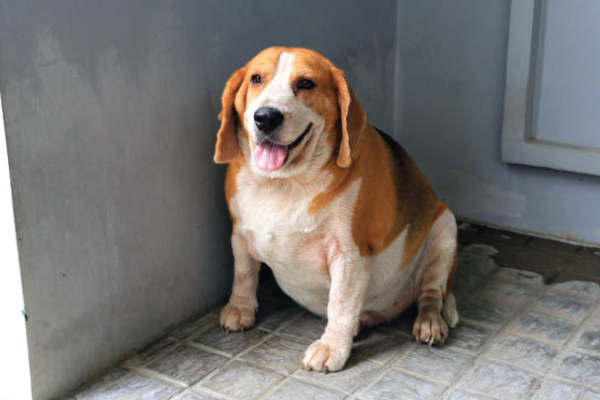
The windows to your dog’s soul – their expressive, often joyful eyes – can become a source of worry when they appear red, itchy, watery, or swollen. Just like humans, our canine companions can suffer from allergies, and frequently, these manifest directly in and around their eyes. While a little occasional itch might seem harmless, persistent ocular irritation can lead to significant discomfort, impaired vision, and even more serious secondary infections if left untreated.
This guide aims to provide a comprehensive and elaborate exploration of eye allergies in dogs, delving into everything from the fundamental biology of the canine eye and the science behind allergies to the myriad causes, symptoms, diagnostic approaches, and a multi-faceted treatment regimen. Our goal is to equip you, the loving pet parent, with the knowledge to recognize, manage, and ultimately improve your dog’s quality of life when confronted with this common, yet often frustrating, condition.
I. Understanding the Canine Eye: A Marvel of Adaptation
Before we can truly grasp eye allergies, it’s essential to appreciate the intricate design and function of the canine eye. Far from being a simple sphere, the eye is a complex organ meticulously evolved to process light and provide vital sensory information.
A. Key Anatomical Components:
- Cornea: The transparent, outermost layer at the front of the eye. It acts as the primary refractive surface, focusing light onto the retina, and is incredibly sensitive to pain, making it a critical area for protection.
- Conjunctiva: A thin, delicate mucous membrane that covers the inner surface of the eyelids and the white part of the eyeball (sclera). It contains blood vessels and immune cells, and it’s the most common site for allergic reactions in the eye to manifest. When inflamed due to allergies, it becomes visibly red and swollen.
- Eyelids: Provide physical protection, spread tears across the corneal surface, and help to sweep away foreign particles. They are lined with tiny glands that produce components of the tear film.
- Tear Ducts (Lacrimal System): Responsible for producing tears (lacrimal glands) and draining them away (nasolacrimal ducts). Tears are crucial for lubricating the eye, flushing debris, and containing antimicrobial properties. Blocked or inflamed ducts can lead to excessive tearing.
- Nictitating Membrane (Third Eyelid): Located in the inner corner of the eye, this is an additional protective eyelid unique to many animals, including dogs. It can sweep across the eye, offering extra protection and aiding in tear distribution. Inflammation or irritation can cause it to protrude or become visible.
- Lens, Retina, Optic Nerve: These deeper structures are less directly involved in typical allergic reactions but are crucial for vision. Swelling or chronic inflammation from allergies can, in rare cases, indirectly impact these structures over time if left unaddressed.
B. How the Eye Protects Itself:
The canine eye possesses several natural defense mechanisms:
- Blinking: Routinely clears debris and spreads tears.
- Tears: A multi-layered film (water, oil, mucus) that lubricates, nourishes, washes away irritants, and contains antibacterial enzymes.
- Eyelashes and Hair: Act as a physical barrier against dust and foreign objects.
- Immune Cells in Conjunctiva: Specialized cells ready to respond to pathogens or foreign substances.
C. Why Eyes Are Susceptible to Allergies:
Despite these defenses, the eyes remain vulnerable. Their exposed nature makes them a prime target for airborne allergens. The conjunctiva, with its rich supply of blood vessels and immune cells (especially mast cells), is perfectly poised to launch an allergic response when it encounters an allergen, leading to the rapid onset of characteristic symptoms.
II. What Are Allergies? A Canine Immune System Primer
To understand eye allergies, we must first understand the fundamental concept of an allergy itself. An allergy is essentially a misguided or over exaggerated response by the body’s immune system to a substance that is otherwise harmless to most individuals. These substances are called allergens.
A. The Immune System’s Role:
The immune system’s primary job is to protect the body from harmful invaders like bacteria, viruses, fungi, and parasites. It does this by recognizing “self” from “non-self” and mounting an attack against perceived threats. In an allergic reaction, the immune system mistakenly identifies a benign substance (like pollen or dust mite proteins) as a dangerous invader.
B. Hypersensitivity Reactions (Type I):
Most common allergies, including those affecting the eyes, are Type I Hypersensitivity Reactions, also known as immediate hypersensitivity. Here’s a simplified breakdown of the process:
- Sensitization: The first time a dog is exposed to an allergen, its immune system generates specific antibodies called Immunoglobulin E (IgE). These IgE antibodies then attach themselves to specialized immune cells known as mast cells, which are abundant in tissues exposed to the outside world, such as the skin, respiratory tract, and importantly, the conjunctiva of the eyes.
- Re-exposure and Reaction: Upon subsequent exposure to the same allergen, the allergen binds to the IgE antibodies already attached to the mast cells. This binding triggers the mast cells to rapidly release a cascade of potent inflammatory chemicals, most notably histamine.
- Symptom Manifestation: Histamine and other chemicals cause blood vessels to dilate (leading to redness), increase vascular permeability (causing swelling and fluid leakage), and stimulate nerve endings (resulting in itchiness). This rapid release of mediators is what causes the immediate signs of an allergic reaction: redness, swelling, itching, and increased fluid production.
C. Allergic Conjunctivitis vs. Other Eye Issues:
It’s crucial to understand that while allergic reactions often manifest as allergic conjunctivitis (inflammation of the conjunctiva), not all conjunctivitis is allergic. Conjunctivitis can also be caused by:
- Bacterial infections: Often with thick, pus-like discharge.
- Viral infections: Less common in dogs, but can occur.
- Foreign bodies: A piece of grass, dust, or hair irritating the eye.
- Trauma: Scratches or injuries.
- Dry Eye (Keratoconjunctivitis Sicca – KCS): Insufficient tear production, leading to chronic irritation.
- Anatomical abnormalities: Entropion (eyelid rolling inward), ectropion (eyelid rolling outward), ectopic cilia (eyelash growing in an abnormal direction).
- Systemic diseases: Some autoimmune conditions or other illnesses can have ocular manifestations.
This overlap underscores why veterinary diagnosis is paramount.
D. Systemic vs. Localized Allergies:
Eye allergies can be:
- Localized: The reaction is primarily confined to the eyes, often due to direct contact with an airborne allergen.
- Systemic: The eye signs are part of a broader allergic response affecting other parts of the body, most commonly the skin (atopic dermatitis), but sometimes also the ears or gastrointestinal tract. In these cases, treating only the eyes will be insufficient for providing complete relief.
III. Causes of Eye Allergies in Dogs: The Allergen Landscape
The world is full of potential allergens, and dogs, with their low-to-the-ground sniffing habits and often porous skin barriers, are constantly exposed. Identifying the specific allergen can be challenging but is often key to effective long-term management.
A. Environmental and Seasonal Allergens:
These are the most common culprits, often leading to recurring symptoms during specific times of the year or in particular environments.
- Pollen:
- Tree Pollen: Prevalent in early spring. Examples include oak, birch, maple, cedar, and pine.
- Grass Pollen: Peaks during late spring and summer. Common offenders are Bermuda grass, fescue, rye, and timothy.
- Weed Pollen: Generally problematic from late summer into fall. Ragweed is a notorious and potent allergen, but others like dock, plantain, and nettle can also cause issues.
- Mechanism: Airborne pollen grains land directly on the conjunctiva, prompting an allergic reaction. Dogs can also pick up pollen on their fur and paws, transferring it to their eyes when they rub.
- Dust Mites:
- Habitat: Microscopic creatures that thrive in warm, humid environments. They feed on shed skin cells (dander) from humans and pets.
- Location: Abundant in bedding (dog beds, human beds), carpets, upholstered furniture, and curtains.
- Mechanism: It’s not the mite itself that’s allergenic, but their fecal matter and decaying body parts. These become airborne and settle on surfaces, easily coming into contact with a dog’s eyes. Dust mite allergies are often year-round, worsening indoors, especially in winter when homes are sealed and heated.
- Molds:
- Habitat: Fungi that grow in damp, humid conditions.
- Indoor Molds: Found in bathrooms, basements, kitchens, or any area with water leaks.
- Outdoor Molds: Thrive in decaying leaves, compost piles, and wet soil. Spores are released into the air and become seasonal or year-round depending on climate.
- Mechanism: Airborne mold spores can directly irritate and trigger an allergic response in the eyes.
- Dander (from other animals, humans):
- Mechanism: Tiny flakes of skin, often carrying proteins from saliva or urine, can be potent allergens for sensitive individuals. If your dog is allergic to cats, for example, living with a cat can cause year-round symptoms, including eye irritation. Even human dander can be an allergen for some highly sensitive dogs.
- Insects (less common as direct allergy, more as irritation):
- While fleas and mites primarily cause skin irritation through bites, the intense general itchiness they induce can lead to a dog rubbing its eyes excessively, causing secondary irritation or triggering a broader allergic response if the dog is sensitive to insect proteins.
B. Household Irritants:
Beyond true allergens, many common household items can act as irritants, creating symptoms indistinguishable from an allergic reaction.
- Cleaning Products:
- Fumes and Residue: Strong chemicals in floor cleaners, window sprays, laundry detergents (especially if pet bedding is washed with them) can release irritating vapors or leave residues that contact the eyes. Ammonia, bleach, and certain fragrances are common offenders.
- Airborne Chemicals:
- Perfumes, Air Fresheners, Scented Candles: The synthetic fragrances and volatile organic compounds (VOCs) they release can be highly irritating to sensitive eyes and respiratory tracts.
- Smoke:
- Tobacco Smoke: Secondhand smoke is a known irritant and allergen for pets, leading to eye, skin, and respiratory issues.
- Fireplace/Wood Smoke: Particulates and chemicals from burning wood can also cause ocular irritation.
- Aerosol Sprays:
- Flea Sprays, Hair Sprays, Deodorants: Fine mists of chemicals can easily drift into a dog’s eyes.
C. Dietary (Food Allergies/Sensitivities):
While food allergies almost exclusively manifest as skin issues (dermatitis, ear infections, paw licking) or gastrointestinal upset, in some rare cases, they can contribute to overall systemic inflammation that exacerbates or indirectly causes ocular signs. It’s not usually a primary cause of isolated eye allergies but should be considered if other allergy treatments fail and a dog has concurrent skin/GI issues. Common food allergens include beef, dairy, chicken, wheat, soy, and corn.
D. Contact Allergens:
Less common but possible, these involve direct physical contact.
- Shampoos or Topical Medications: If not rinsed thoroughly from around the eyes, residual chemicals can cause irritation. Some active ingredients in topical flea/tick treatments or medicated shampoos can also be irritants.
- Plant Sap/Foliage: Brushing against certain plants in the garden can transfer irritating sap or pollen directly to the eye.
IV. Recognizing the Signs and Symptoms: What to Look For
Spotting the signs of eye allergies early can prevent escalation and provide your dog with faster relief. Symptoms can range from mild annoyance to severe discomfort.
A. Common Ocular Symptoms:
These are the direct indicators you’ll observe in your dog’s eyes:
- Redness (Conjunctival Hyperemia): This is often the most prominent sign. The whites of the eyes (sclera) and the inner lining of the eyelids (conjunctiva) appear bright pink or red due to dilated blood vessels. This can be diffuse or concentrated.
- Itchiness / Paw Rubbing: A hallmark of allergic reactions. Your dog will frequently paw at their eyes, rub their face on furniture or carpets, or drag their face along the ground. This behavior can lead to self-trauma, skin abrasions, and even secondary infections around the eyes.
- Tearing / Watery Discharge (Epiphora): Excessive clear, watery discharge is common as the eye attempts to flush out the allergen. It can leave damp streaks on the fur below the eyes, and in light-colored dogs, lead to tear staining.
- Swelling (Periorbital and Conjunctival Edema):
- Periorbital Swelling: The skin around the eyes (eyelids) may appear puffy and swollen. In severe cases, the eyelids might swell shut.
- Conjunctival Edema (Chemosis): The conjunctiva itself can become significantly swollen, appearing as a jelly-like or ballooned-out tissue, sometimes even protruding from between the eyelids.
- Squinting / Blepharospasm: Your dog may partially close their eyes or keep them tightly shut due to discomfort, pain, or bright light sensitivity (photophobia). This is an involuntary spasm of the eyelid muscles.
- Crusting Around the Eyes: Dried tear discharge, sometimes mixed with mucous or debris, can accumulate around the eyelid margins and in the corners of the eyes, forming crusts overnight.
- Discharge Changes:
- Initially, discharge is usually clear and watery.
- With chronic irritation or secondary bacterial infection, it can become thicker, stringy (mucoid), or even yellow/green and pus-like (purulent).
- Third Eyelid Protrusion: The nictitating membrane may become more visible, partially covering the eye, due to inflammation or discomfort.
B. Associated Systemic Symptoms (if part of a broader allergy):
If your dog’s eye allergies are a manifestation of a more widespread allergic condition (like atopic dermatitis), you might observe other symptoms:
- Skin Itching / Dermatitis: Generalized itchy skin, redness, rashes, especially on the belly, armpits, groin, and between the toes.
- Ear Infections: Recurrent ear infections (otitis externa) are very common in allergic dogs, characterized by head shaking, ear scratching, redness, discharge, and odor from the ears.
- Paw Licking / Chewing: Intense self-grooming of the paws, leading to red, inflamed, or stained fur.
- Sneezing / Coughing: While less common than skin or eye signs, airborne allergens can sometimes trigger mild respiratory symptoms, though these are typically more indicative of respiratory infections or irritants.
- Gastrointestinal Upset: If food allergies are contributing, symptoms like vomiting, diarrhea, or chronic soft stools might be present, though usually not as the primary or sole symptom.
C. Distinguishing from Other Conditions: When to Worry:
It’s critical to note that many of these symptoms are not exclusive to allergies. They can indicate other, potentially more serious, eye conditions. Therefore, any persistent or worsening eye symptoms warrant a prompt veterinary visit.
Red flags that necessitate immediate veterinary attention include:
- Sudden onset of severe pain (intense squinting, reluctance to open the eye).
- Abrupt decrease in vision or blindness.
- Cloudiness or blue haze over the cornea.
- Any visible injury or foreign body sticking out of the eye.
- Pus-like discharge.
- Symptoms that worsen despite initial home care or persist for more than 24-48 hours.
V. Diagnosis: Beyond a Guess
Accurate diagnosis is the cornerstone of effective treatment. Relying on assumptions or self-diagnosis can delay proper care, leading to prolonged discomfort for your dog and potentially allowing more serious conditions to worsen.
A. Veterinary Consultation is Crucial:
A veterinarian possesses the expertise and diagnostic tools to differentiate allergic conjunctivitis from other ocular pathologies. They can rule out conditions that mimic allergies but require entirely different treatments, some of which could be sight-threatening if mismanaged (e.g., corneal ulcers, glaucoma, dry eye).
B. Thorough History Taking:
Your veterinarian will begin by asking a series of detailed questions to gather crucial信息:
- Onset and Duration: When did the symptoms start? How long have they been present?
- Seasonality: Are the symptoms seasonal (e.g., spring/summer for pollen) or year-round (e.g., dust mites, food)?
- Progression: Have the symptoms worsened, improved, or stayed the same? Are they getting better with any interventions you’ve tried?
- Home Environment: What is your dog’s living situation? Indoor/outdoor? Presence of other pets? Exposure to smoke, cleaning products, air fresheners? What type of bedding?
- Diet: What food is your dog eating? Any recent changes? Any treats or human food?
- Other Symptoms: Are there any concurrent skin itching, ear infections, paw licking, sneezing, or gastrointestinal issues? This helps determine if it’s a localized eye allergy or part of a systemic allergic disease.
- Previous Treatments: What treatments, if any, have you tried, and what was the response?
- Travel History: Has your dog been to any new environments recently?
C. Physical and Ocular Examination (Detailed):
After the history, your vet will perform a complete physical exam, paying special attention to the eyes and surrounding structures. This typically includes:
- Direct Observation: Assessing redness, swelling, discharge, eyelid conformation, and visibility of the third eyelid.
- Ophthalmoscopy/Slit Lamp: Using specialized lights and magnification to examine the cornea, anterior chamber, lens, and retina for subtle changes.
D. Diagnostic Tests (To Rule Out or Confirm):
- Schirmer Tear Test (STT): This simple test measures tear production. A small strip of filter paper is placed in the lower eyelid for 60 seconds. Low tear production indicates Keratoconjunctivitis Sicca (KCS) or “dry eye,” a common condition that can cause chronic eye irritation mimicking allergies. This test is critical to perform before administering any steroid eye drops, as steroids can worsen KCS.
- Fluorescein Stain: A harmless orange dye is applied to the eye. It adheres to areas where the corneal surface cells are damaged or missing (e.g., corneal ulcers, abrasions). The dye glows bright green under a cobalt blue light. This test is also crucial before using steroid eye drops, as steroids are contraindicated if an ulcer is present and can severely impede healing, leading to permanent damage or even loss of the eye.
- Tonometry: Measures the intraocular pressure (IOP) of the eye. Elevated pressure indicates glaucoma, a painful and potentially blinding condition.
- Cytology of Ocular Discharge: A sample of the eye discharge is collected and examined under a microscope. The presence of certain inflammatory cells, particularly eosinophils and mast cells, is highly suggestive of an allergic reaction. Neutrophils and bacteria would point more towards infection.
- Bacterial/Fungal Cultures: If a secondary infection is suspected (e.g., thick, pus-like discharge), a culture can identify the specific pathogen and help select the most effective antibiotic or antifungal medication.
- Allergy Testing (if systemic allergy suspected): If the eye signs are part of a broader allergic picture, your vet might recommend allergy testing to identify specific environmental allergens.
- Intradermal Skin Testing (IDST): Considered the “gold standard.” Small amounts of various allergens are injected into the skin, and the reaction (wheal and flare) is observed. Requires sedation and a veterinary dermatologist.
- Serum IgE Testing (Blood Test): Measures the level of IgE antibodies in the blood against specific allergens. Less invasive than IDST but can sometimes yield false positives or negatives.
- Elimination Diet Trial: For suspected food allergies, a strict novel protein or hydrolyzed protein diet is fed for 8-12 weeks, followed by reintroduction of previous foods to identify triggers. This is a labor-intensive but definitive diagnostic method for food allergies.
- Biopsy: Rarely needed for eye allergies, but might be considered in unusual, severe, or unresponsive chronic cases, or if a tumor is suspected.
By systematically ruling out other conditions and employing specific diagnostic tests, your veterinarian can arrive at an accurate diagnosis and formulate a targeted treatment plan.
VI. Treatment Strategies: A Multi-pronged Approach
Managing eye allergies in dogs often requires a combination of strategies, focusing on allergen avoidance, topical medications for immediate relief, and systemic medications for broader control. Remember, allergies are typically managed, not cured.
A. Allergen Avoidance and Environmental Management (The First Line of Defense):
This is often the most effective, safest, and most overlooked aspect of treatment. Minimizing exposure to allergens can significantly reduce the frequency and severity of symptoms.
- Environmental Allergens (Pollen, Dust Mites, Mold, Dander):
- Air Filtration: Install high-efficiency particulate air (HEPA) filters in your home’s HVAC system. Use standalone HEPA air purifiers in rooms where your dog spends most of its time (e.g., bedroom, living area).
- Frequent Vacuuming: Use a vacuum cleaner with a HEPA filter to regularly clean carpets, rugs, and upholstery. Frequent damp mopping of hard floors also helps capture dust and allergens.
- Washing Bedding: Wash all pet bedding (and your own bedding if your dog sleeps with you) in hot water (at least 130°F / 54°C) weekly to kill dust mites and remove dander and pollen.
- Post-Outdoor Wiping: After walks, especially during high pollen seasons, gently wipe your dog’s paws, legs, and facial area (including around the eyes) with a damp cloth or pet-safe cleansing wipes to remove pollen and other outdoor allergens.
- Window Management: Keep windows closed during peak pollen times (often morning and early afternoon) and windy days.
- Regular Grooming: Frequent bathing with a gentle, hypoallergenic shampoo can wash away allergens from the coat. Brushing also helps remove loose dander and environmental particles.
- Mold Control: Address any dampness or leaks in your home immediately. Use dehumidifiers in high-humidity areas (basements, bathrooms). Clean visible mold with appropriate cleaners (e.g., diluted bleach or commercial mold removers).
- Dander Reduction: If your dog is allergic to another pet, regular grooming and cleaning of that other pet can help, though separation or rehoming might be necessary in severe cases.
- Household Irritants:
- Chemical Avoidance: Switch to unscented, pet-safe, non-toxic cleaning products. Avoid using aerosol sprays, strong air fresheners, or highly fragranced candles around your dog.
- Smoke-Free Environment: Do not smoke indoors. If you smoke outdoors, ensure you change clothes and wash your hands before interacting closely with your dog.
- Dietary Allergens:
- Strict Elimination Diet: If food allergy is suspected, work closely with your veterinarian to implement a strict elimination diet using a novel protein (e.g., venison, duck, rabbit, kangaroo) or a hydrolyzed protein diet. This diet must be fed exclusively for 8-12 weeks, with no other treats, chews, or human food.
- Hypoallergenic Diets: Once identified, lifelong feeding of a hypoallergenic or limited ingredient diet focusing on ingredients the dog tolerates is necessary.
B. Topical Medications (Direct Eye Treatment):
These are applied directly to the eye and are excellent for localized relief. Crucially, NEVER use any human eye drops without consulting your veterinarian, as some ingredients can be harmful to dogs, and proper diagnosis is vital before any treatment.
- Flushing Agents / Saline Rinses:
- Purpose: To physically wash away allergens, irritants, and discharge.
- Use: Sterile saline solution (e.g., contact lens saline without preservatives, or veterinary ophthalmic flushing solutions). Can be used frequently throughout the day.
- Artificial Tears / Lubricating Eye Drops:
- Purpose: To soothe irritated eyes, dilute allergens, and provide a protective barrier.
- Use: Over-the-counter veterinary artificial tears. Can be used frequently for comfort.
- Antihistamine Eye Drops:
- Purpose: To block histamine receptors in the conjunctiva, reducing redness, itching, and swelling.
- Examples: Olopatadine (Pataday), ketotifen (Zaditor) – these are human products and should only be used under strict veterinary guidance regarding appropriate formulation and dosage.
- Mast Cell Stabilizer Eye Drops:
- Purpose: To prevent mast cells from releasing inflammatory chemicals upon exposure to allergens, thereby preventing the allergic reaction from occurring or lessening its severity. They work best when started before allergy season.
- Examples: Cromolyn sodium, lodoxamide – veterinary-specific formulations or human products used off-label under vet guidance.
- Steroid Eye Drops (Prescription ONLY):
- Purpose: Potent anti-inflammatory agents that rapidly reduce redness, swelling, and itching.
- Examples: Prednisolone acetate, dexamethasone ophthalmic solutions.
- Extreme Caution: NEVER use steroid eye drops without veterinary examination and a fluorescein stain. If a corneal ulcer is present, steroids can profoundly inhibit healing, leading to corneal melting, rupture, and blindness. They are reserved for severe allergic inflammation after ruling out ulcers and KCS. Typically used short-term.
- NSAID Eye Drops (Non-Steroidal Anti-Inflammatory Drugs):
- Purpose: Provide anti-inflammatory effects, less potent than steroids, and generally safer for the cornea (though still need caution with deep ulcers). Useful for mild to moderate inflammation and pain relief.
- Examples: Flurbiprofen, diclofenac ophthalmic solutions.
- Antibiotic Eye Drops / Ointments:
- Purpose: ONLY used if a secondary bacterial infection is present, which can occur due to constant irritation or breakdown of the eye’s natural defenses.
- Examples: Neomycin, polymyxin B, bacitracin, chloramphenicol, tobramycin. Identified by culture and sensitivity if possible.
C. Systemic Medications (for Broader Allergies):
These are oral or injectable medications that treat allergies affecting the entire body, including the eyes. They are typically used when topical treatments are insufficient or when the dog has widespread allergic disease.
- Oral Antihistamines:
- Purpose: Block histamine receptors throughout the body. Can be helpful for mild cases or as an adjunct.
- Examples: Diphenhydramine (Benadryl), Cetirizine (Zyrtec), Loratadine (Claritin).
- Caution: Dosing is critical and widely different from human doses. Many human antihistamines contain xylitol or other harmful ingredients. Always consult your vet for safe dosages and product recommendations. Sedation can be a side effect.
- Oral Corticosteroids (e.g., Prednisone, Prednisolone):
- Purpose: Powerful anti-inflammatory and immunosuppressive agents. Provide rapid relief for severe allergic reactions.
- Use: Typically prescribed for short courses, tapered down, to control acute flare-ups.
- Side Effects: Significant and can include increased thirst/urination, increased appetite, panting, behavioral changes, and long-term risks like diabetes, Cushing’s disease, and immune suppression. Not for long-term daily use.
- Immunosuppressants (e.g., Cyclosporine – Atopica®):
- Purpose: Modulates the immune system to reduce allergic inflammation. Used for chronic, severe canine atopic dermatitis, which often includes ocular manifestations.
- Onset: Takes several weeks to show full effect.
- Use: Long-term management. Requires monitoring for side effects (e.g., GI upset, gingival hyperplasia).
- Janus Kinase (JAK) Inhibitors (e.g., Oclacitinib – Apoquel®):
- Purpose: Targets specific pathways involved in the itch and inflammation associated with allergies. Provides rapid and effective itch relief.
- Use: Approved for canine atopic dermatitis and can significantly improve ocular itching and inflammation when part of systemic allergy. Generally well-tolerated.
- Monoclonal Antibodies (e.g., Lokivetmab – Cytopoint®):
- Purpose: An injectable antibody that specifically targets and neutralizes interleukin-31 (IL-31), a key cytokine involved in triggering allergic itching.
- Use: Provides long-lasting (4-8 weeks) itch relief. Very safe, as it is highly specific and does not suppress the broader immune system. Effective for atopic dermatitis, and thus for ocular signs that are part of it.
- Immunotherapy (Allergy Shots / Sublingual Drops – ASIT):
- Purpose: The only long-term treatment that can potentially “cure” or significantly reduce the severity of allergies by desensitizing the immune system to specific allergens. Based on allergy test results.
- Process: Involves administering progressively increasing doses of the identified allergens over time.
- Onset: Requires significant commitment; benefits may not be seen for 6-12 months, and treatment is lifelong.
- Effectiveness: Highly effective in many dogs (around 60-80% show significant improvement).
D. Supportive Care:
- Elizabethan Collar (E-collar): Often necessary to prevent your dog from rubbing or scratching their already irritated eyes, which can cause self-trauma, corneal abrasions, or introduce bacteria, leading to secondary infections.
- Gentle Cleaning: Regularly and gently clean away discharge and crusting from around the eyes using a soft, damp cloth and sterile saline.
VII. Living with a Dog with Eye Allergies (Long-term Management)
Managing eye allergies is often a marathon, not a sprint. It requires patience, consistency, and a close partnership with your veterinarian.
A. Chronic Nature of Allergies: Understand that allergies are often a lifelong condition. The goal is not usually a “cure,” but effective management to minimize symptoms and maximize your dog’s comfort and quality of life.
B. Seasonal Management: If your dog’s allergies are seasonal, learn to anticipate flare-ups. Start preventative measures (e.g., mast cell stabilizer eye drops, strict cleaning) a few weeks before the usual onset of symptoms.
C. Routine Care: Establish a routine for cleaning eyes, administering medications, and implementing allergen avoidance strategies. Consistency is key.
D. Communication with Your Vet: Regular follow-up appointments are essential. Be prepared to adjust treatment plans based on your dog’s response and changing allergen seasons. Keep a detailed log of symptoms, triggers, and treatments.
E. Patience and Persistence: Finding the right combination of treatments and management strategies can take time. Don’t get discouraged if the first approach doesn’t yield immediate results. Work collaboratively with your vet.
F. Quality of Life Considerations: Regularly assess your dog’s comfort level. If severe symptoms persist despite optimal management, discuss alternative therapies or specialist referrals (e.g., veterinary ophthalmologist, dermatologist) with your vet.
VIII. Specific Breed Predispositions
While any dog can develop eye allergies, some breeds have anatomical features or genetic predispositions that make them more susceptible to ocular issues, including allergies or conditions that mimic them.
- Brachycephalic Breeds (e.g., Pugs, Bulldogs, Boxers, Shih Tzus, Boston Terriers, French Bulldogs): Their characteristic flattened faces, shallow eye sockets, prominent eyeballs (proptosis-prone), and often inward-rolling eyelids (entropion) or hair that irritates the eyes make them highly prone to chronic eye irritation, tear film abnormalities, and secondary infections, compounding allergic symptoms. Their tear ducts can also be compressed, leading to chronic epiphora and tear staining, mimicking or exacerbating allergic tears.
- Breeds Prone to Atopic Dermatitis (e.g., Golden Retrievers, Labrador Retrievers, German Shepherds, West Highland White Terriers, Cocker Spaniels, Setters, Boxers, Poodles, Shar Peis, Dalmatians): Since ocular allergies are often a component of general environmental allergies (atopic dermatitis), breeds predisposed to skin allergies will naturally have a higher likelihood of experiencing allergic conjunctivitis.
- Breeds Prone to KCS (Dry Eye) (e.g., West Highland White Terriers, Cocker Spaniels, Cavalier King Charles Spaniels, Pugs, Shih Tzus, Bulldogs): KCS symptoms (redness, thick discharge, pain) can easily be mistaken for allergies. It’s critical to differentiate as treatments are vastly different.
IX. When to Seek Emergency Veterinary Care
While most eye allergy flare-ups aren’t emergencies, certain symptoms warrant immediate veterinary attention to prevent permanent damage or vision loss.
- Sudden onset of severe eye pain: Intense squinting, holding the eye tightly shut, or vocalizing when the eye is touched.
- Abrupt blindness or severe vision impairment: Bumping into objects, disorientation.
- Significant change in the appearance of the eye: Cloudiness, a blue haze over the cornea, visible foreign body, blood in the eye, or a sudden change in eye size.
- Trauma to the eye: Any visible wound, scratch, or blunt force injury.
- Intense swelling: Eyelids swelled shut, or severe chemosis (jelly-like swelling of the conjunctiva) that prevents the dog from opening its eye.
- Pus-like, thick, green/yellow discharge: This strongly indicates a serious infection.
- Worsening symptoms despite treatment: If your dog’s condition deteriorates rapidly or doesn’t improve within 12-24 hours of starting prescribed medication.
X. Debunking Myths and Common Misconceptions
Misinformation can lead to ineffective treatment and prolong your dog’s suffering.
- Myth 1: “It’s just pink eye, I can use human drops.”
- Reality: “Pink eye” (conjunctivitis) has many causes, not just allergies. Human eye drops often contain vasoconstrictors (like tetrahydrozoline in Visine) that can provide temporary cosmetic relief by constricting blood vessels, but they don’t treat the underlying allergy and can have rebound effects, making redness worse. More importantly, some human drops contain steroids or other active ingredients that can be highly damaging if a corneal ulcer is present, or if the dosage is wrong for a dog. Always consult your vet before using any human medication on your pet.
- Myth 2: “All dog eye discharge is normal.”
- Reality: A small amount of clear or reddish-brown discharge (especially in breeds prone to tear staining) can be normal. However, excessive watery tearing, thick mucoid discharge, or any pus-like yellow/green discharge is not normal and indicates an underlying problem.
- Myth 3: “My dog can’t have allergies because they don’t sneeze.”
- Reality: While some dogs with allergies might sneeze, ocular signs (redness, itching, discharge) and dermatological signs (skin itching, ear infections, paw licking) are far more common manifestations of environmental allergies in dogs than respiratory symptoms.
- Myth 4: “If my dog has eye allergies, it must be the food.”
- Reality: While possible, food allergies primarily affect the skin and gut, and eye-only allergies are rarely due to food. Environmental allergies (pollen, dust mites, mold) are by far the most common cause of eye allergies in dogs.
- Myth 5: “Eye allergies are just an annoyance, no big deal.”
- Reality: Chronic, untreated eye allergies cause significant discomfort. Persistent rubbing can lead to self-trauma, corneal abrasions, and secondary bacterial infections, which can be painful, difficult to treat, and in severe cases, threaten vision. They severely diminish a dog’s quality of life.
XI. Conclusion
Eye allergies in dogs are a common and often challenging condition that requires a thorough understanding, accurate diagnosis, and a comprehensive, multi-modal treatment approach. From understanding the delicate anatomy of the canine eye and the intricate dance of the immune system to identifying specific allergens and navigating the array of therapeutic options, empowering yourself with knowledge is the first step toward providing lasting relief for your beloved companion.
The journey of managing canine eye allergies often involves a partnership with your veterinarian, consistent effort in allergen avoidance, and a commitment to meticulous care. While allergies may be a lifelong battle, with the right strategies, you can minimize your dog’s discomfort, prevent complications, and ensure their beautiful, expressive eyes remain clear, healthy, and full of joy, reflecting the unwavering love they bring into our lives. By being proactive, vigilant, and patient, you can significantly improve your furry friend’s quality of life, allowing them to see the world clearly and comfortably.
#DogEyeAllergies, #CanineAllergies, #DogHealth, #PetHealth, #DogCare, #AllergicConjunctivitis, #RedDogEyes, #ItchyDogEyes, #DogAllergyRelief, #VetMed, #DogWellness, #PetAllergies, #DogAllergySeason, #HappyDog, #HealthyDog, #DogTips, #AskAVet, #DogMom, #DogDad, #DogLife, #OcularHealth, #DogAllergyTreatment, #CanineCare, #DogSymptoms, #EyeAllergyGuide, #DogEyes, #DogParents, #PetCareTips, #AllergyManagement





Add comment