
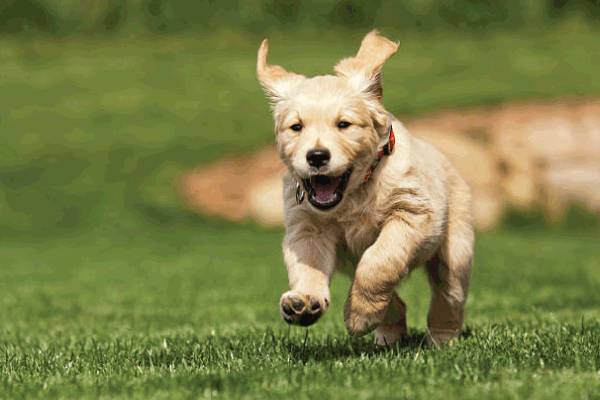
The autumn season, with its crisp air and beautiful foliage, brings a unique set of challenges for dog owners. Increased moisture (dew and rain), fallen debris, and the transition from summer coats make dogs particularly susceptible to painful matting, skin irritation, and fungal issues.
This guide provides an in-depth, proactive, and reactive strategy for maintaining your dog’s hygiene and comfort throughout the fall.
1. The Fall Grooming Arsenal: Essential Tools and Supplies
Before the first walk in the woods, successful fall maintenance requires preparation. Having a designated “clean-up station” near the entry point is crucial for containing the mess.
| Category | Essential Tools | Purpose in Fall |
|---|---|---|
| Brushing | Metal Comb (wide/narrow teeth) | Locating hidden burrs and checking the skin, especially in feathering. |
| Slicker Brush | Removing surface debris and fluffing the coat. | |
| Undercoat Rake | Breaking up packed mud or dense undercoat debris. | |
| Cleaning | Microfiber Towels (3-4) | Highly absorbent for drying paws quickly. |
| Dog-Specific Paw Cleaner/Shampoo | Gentle cleanser for frequent paw washing. | |
| Dedicated Rinse Bucket/Paw Washer | For confining muddy water and rinsing feet immediately. | |
| Debris Removal | Cornstarch or Talcum Powder | Helps dry out damp mats or burrs, making them brittle and easier to remove. |
| Coat Conditioner/Oil (Coconut or Olive) | Lubricates hair strands around embedded burrs. | |
| Protection | Paw Balm/Wax | Protects pads from wet ground, cracking, and chafing. |
2. PART A: The Prickly Problem – Dealing with Burrs
Burrs are arguably the most frustrating fall nuisance. Their barbed structure allows them to quickly bond to the coat, often leading to painful mats if not removed immediately.
Prevention Strategies
- Route Selection: Avoid fields and tall brush areas where burr-producing plants thrive. Stick to paved or well-manicured trails during peak burr season.
- Strategic Trimming (Sanitary Clip): Keep the fur short around the armpits, ears, and belly (the “hot spots” for burr collection) regardless of the breed’s general coat length.
- Protective Attire: For long-haired and working breeds, consider specialized protective gear:
- Snoods/Ear Wraps: Protect the drop ears (e.g., Cocker Spaniels, Goldens).
- Vests/Sleeves: Cover the chest and belly, which scoop up debris.
Advanced Burr Removal Techniques
Always address burrs before bathing. Water can tighten the burr’s grip and worsen any existing matting.
Technique 1: The Lubrication Method (Best for Embedded Burrs)
This method is ideal when the burr is tightly woven into the hair or has started forming a small mat.
- Isolate: Carefully hold the hair at the base (close to the skin) to prevent uncomfortable pulling.
- Apply Lubricant: Saturate the burr and the surrounding hair with cornstarch, coconut oil, or a silicone-based detangling spray. The oil helps the hair slide, and the cornstarch can help crumble the burr shell.
- Crush: Using a pair of blunt-tipped scissors or pliers (gently!), crack the burr shell into smaller pieces. This releases the tension on the hair shaft.
- Comb Out: Start at the tip of the hair and work down toward the base of the burr using a metal comb. Use a “rake and separate” motion rather than a pulling motion.
Technique 2: The Pick and Separate Method (For Surface Burrs)
- Use the wide-toothed end of the metal comb or your fingers to gently pull the burr away from the main clump of hair.
- Hold the hair above the burr. Systematically peel or pick the spines of the burr out of small strands of hair, one by one.
Safety Note: If a large clump of burrs has fused into a hard mat close to the skin, do not attempt to cut it out with scissors. It is extremely easy to cut the dog’s skin. Use electric clippers (a #10 blade) to safely shave the mat out, or consult your professional groomer.
3. PART B: The Matting Menace – Dealing with Wet Leaves and Debris
Wet fallen leaves and muddy organic matter stick easily to a dog’s coat. As they dry, they compact and tighten the coat, rapidly creating painful, large mats that restrict air flow and lead to skin issues (like hot spots).
The Post-Walk Debris Ritual
The most critical time is the 10 minutes after the walk.
- Immediate Towel Dry: Vigorously dry the dog with highly absorbent microfiber towels, especially the legs, belly, and tail, to remove major moisture and loose surface debris.
- Visual and Tactile Check: Before allowing the dog to rest, run your hands over their entire body, paying special attention to areas prone to friction:
- Behind the ears
- Under the collar/harness area
- Armpits and inner thighs
- Tail base
- The Brushing Strategy (Line Brushing): This is the only way to ensure debris is removed down to the skin level.
- Part the hair horizontally, starting at the bottom of the dog’s leg (or neck).
- Brush the bottom layer (the skin layer) completely, using the slicker brush, until the metal comb can glide through it effortlessly.
- Drop down another layer of hair and repeat, working your way up the body.
Handling Minor Matting
If you find small, compressed mats caused by debris:
- Avoid Wetting the Mat: Do not attempt to wash the mat out.
- Use De-Matting Spray: Apply a high-quality detangling spray or coat oil directly onto the mat. Work it in with your fingers.
- Pick and Pull: Use the narrow end of the metal comb to gently pick at the edges of the mat. Use tiny, vertical strokes to separate the hair fibers without yanking.
- Know When to Stop: If the dog shows discomfort or the mat won’t separate after a few minutes, it’s safer and kinder to clip it out.
4. PART C: The Cleanup Crew – Mastering Muddy Paws
Muddy paws are inevitable, but if left improperly cleaned, the moisture and dirt trapped between the toes (interdigital spaces) can cause bacterial or yeast infections.
The Muddy Paw Protocol
Phase 1: Containment and Initial Rinse
- Stop at the Door: Do not let the dog walk past the cleanup station.
- The Quick Dunk: Use a dedicated paw cleaning device or a small bucket filled with lukewarm water and a dab of gentle dog shampoo.
- Rinse Deep: Dunk each paw, ensuring the water level covers the pads and reaches between the toes. Gently massage the pads to loosen packed mud.
- Change the Water: If the dog is extremely muddy, change the rinse water between the front and back paws to ensure effective cleaning.
Phase 2: The Deep Clean and Inspection
- Focus on Pads: Use a soft washcloth or specialized paw scrubber to scrub the actual paw pad surfaces where dirt grinds in.
- Inspect Interdigital Spaces: This is the most critical step. Spread the toes and ensure all mud, grit, and moisture are removed from the webbing. This prevents fungal growth (often indicated by a reddish-brown stain or a yeasty smell).
- Inspect Nails: Mud often packs tightly under the nail and around the quick. Ensure these areas are cleared.
Phase 3: Drying and Aftercare
- Initial Dry: Wrap the paw in a microfiber towel and squeeze out most of the water.
- The Detail Dry: Use a smaller towel or the corner of a larger one to meticulously dry between every single toe. This prevents moisture-related dermatitis.
- Post-Walk Conditioning: Once the paws are completely dry, rub a small amount of paw wax or balm into the pads. This creates a protective barrier against future moisture and prevents chapping caused by the cold, wet ground.
5. Proactive Maintenance and Health Checks
A healthy coat is more resistant to debris, making fall maintenance significantly easier.
Year-Round Coat Health
- Conditioning Sprays: Regularly using a leave-in coat conditioner spray helps seal the hair cuticle. A sealed cuticle is smooth, making it harder for burrs and mud to adhere.
- Regular Grooming Appointments: Even if your dog is short-haired, a professional bath and blow-out removes deep debris and dead undercoat (which often holds debris) better than home bathing. Long-haired dogs should visit the groomer every 4-6 weeks during the fall.
The Hidden Debris Hotspots
After every single walk, ensure you check these oft-forgotten areas:
| Hotspot Area | Why It’s Vulnerable | Maintenance Tip |
|---|---|---|
| Ears (Pinnae) | Long-eared breeds drag their ears through dew and piles of leaves. | Check inside the leather of the ear flap for debris and ensure the canals are dry (to prevent ear infections). |
| Armpits & Groin | High-friction areas; mats and debris often start here and grow rapidly. | Always check the skin directly against the body in these soft, tucked-away spots. |
| Tail & Hocks | Long, sweeping hair traps mud and leaves, leading to large mats near the joints. | Brush the tail (especially the underside) meticulously after drying. |
By adhering to a strict post-walk regimen, utilizing the right tools, and understanding the specific mechanics of burr and debris removal, you can ensure your dog enjoys the beauty of autumn without the accompanying discomfort and health hazards.
#FallMaintenance #YardWork #Burrs #LeafRemoval #MuddyPaws #PetFriendlyHome #AutumnCleaning #LawnCare #GardenCleanup #HomeTips #FallCleaning #PetCareTips





Add comment