
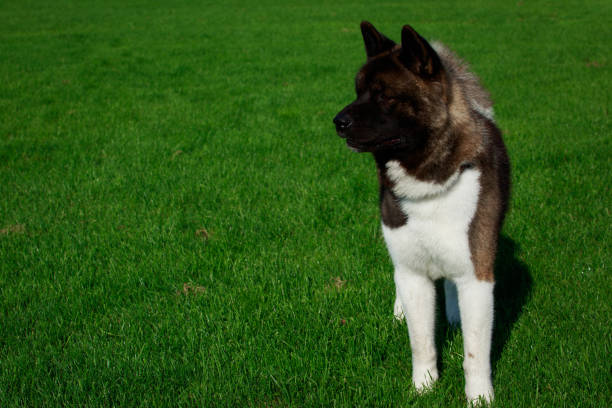
The American Akita is a powerful, dignified, and highly loyal working dog. Originating from the Akita prefecture of Japan, the American variation was developed after World War II and is known for its larger size and diverse coat colors compared to the Japanese Akita (Akita Inu).
20 FREQUENTLY ASKED QUESTIONS (FAQ’S)
I. TEMPERAMENT AND PERSONALITY
| # | FAQ | DESCRIPTION |
|---|---|---|
| 1 | What is the typical temperament of the American Akita? | Akitas are renowned for their loyalty, courage, and dignity. They are generally reserved and cautious with strangers, making them excellent natural guard dogs. They are not prone to excessive friendliness and thrive on having a clear “pack leader.” |
| 2 | Are American Akitas good with children? | When raised with children and properly supervised, Akitas can be very devoted family members. However, due to their size and strong prey drive, interactions must always be monitored, especially with unfamiliar children. They are protective and may intervene if they perceive rough play as a threat. |
| 3 | How do Akitas interact with other dogs and pets? | Akitas often exhibit strong tendencies toward same-sex dog aggression and may be intolerant of dogs they don’t know. Early, extensive socialization is crucial, but owners should be prepared to manage their dog around unfamiliar dogs, particularly in public spaces. |
| 4 | Are Akitas prone to barking? | No, Akitas are generally quiet dogs. They typically only bark to alert the family of a perceived threat or arrival. When they do bark, their voice is deep and authoritative, reflecting their nature as protectors. |
| 5 | Do Akitas suffer from separation anxiety? | While Akitas are intensely loyal, they are also quite independent. They may tolerate being alone better than high-energy breeds, but they still require attention and companionship. Consistent isolation can lead to destructive behavior out of boredom or frustration, not typically true separation anxiety. |
II. TRAINING AND SOCIALIZATION
| # | FAQ | DESCRIPTION |
|---|---|---|
| 6 | Are American Akitas easy to train? | Training an Akita requires consistency, patience, and confidence. They are highly intelligent but strong-willed, often questioning commands if the motivation is lacking. They respond best to positive reinforcement and hate repetitive, boring drills. They are not a beginner breed. |
| 7 | Is early socialization crucial for this breed? | Absolutely critical. Due to their reserved nature and potential for dog-dog aggression, Akitas must be exposed to a wide variety of sights, sounds, people, and controlled environments from a very young age (puppyhood) to ensure they grow into well-adjusted adults. |
| 8 | How much exercise does an American Akita need? | Akitas require moderate, consistent exercise (about 45–60 minutes per day). This should include a brisk walk, but they are not generally suited for long-distance running or marathon events. Mental stimulation is just as important as physical activity. |
| 9 | Are Akitas suited for apartment living? | While they are not overly hyper indoors, their size and need for space, combined with the necessity of secure outdoor areas for bathroom breaks and exercise, make apartment living challenging. If in an apartment, frequent, structured, and leashed walks are mandatory. |
III. HEALTH AND CARE
| # | FAQ | DESCRIPTION |
|---|---|---|
| 10 | What is the average lifespan of an American Akita? | The average lifespan for a properly cared-for American Akita is typically 10 to 13 years. |
| 11 | What common health issues affect the American Akita? | This breed is genetically prone to certain conditions, including Hip and Elbow Dysplasia, Hypothyroidism, autoimmune disorders (such as Sebaceous Adenitis (SA) and Uveodermatologic Syndrome (VKH)), and specific eye conditions. |
| 12 | Are American Akitas susceptible to “Bloat” (GDV)? | Yes. As a deep-chested, large breed, the Akita is susceptible to Gastric Dilatation-Volvulus (GDV), or bloat, a life-threatening condition where the stomach twists. Owners should use slow feeders and avoid intense exercise immediately before or after meals. |
| 13 | How much grooming does an American Akita require? | Akitas require substantial grooming. Their thick double coats need weekly brushing to control shedding and prevent matting. They are known for “blowing their coat” twice a year (spring and fall), which results in massive, intense shedding that requires daily brushing and professional de-shedding treatments. |
| 14 | How often should I bathe my American Akita? | Akitas are naturally clean dogs who often groom themselves. They should only be bathed every few months or when they are visibly dirty. Over-bathing can strip the protective oils from their double coat and skin. |
IV. HISTORY AND BREED DISTINCTION
| # | FAQ | DESCRIPTION |
|---|---|---|
| 15 | What is the difference between the American Akita and the Japanese Akita (Akita Inu)? | The American Akita is physically larger, heavier in bone, and permits a “mask” and most coat colors (brindle, pinto, black/white, etc.). The Japanese Akita is smaller, lighter, and strictly limited to specific Japanese colors (red, fawn, sesame, brindle, and pure white). |
| 16 | What was the American Akita originally bred for? | Akitas were originally bred in Japan to hunt large game, including bear, boar, and deer. Their history is rooted in protection, companionship, and hunting prowess, which explains their immense strength and reserved temperament. |
| 17 | Does the American Akita require a specialized high-protein diet? | Akitas need a high-quality diet formulated for large or giant breeds, which ensures proper joint development and controlled growth rates in puppies. Extremely high protein diets are not necessarily required, but quality ingredients are paramount. |
V. OWNERSHIP CONSIDERATIONS
| # | FAQ | DESCRIPTION |
|---|---|---|
| 18 | Should I get an American Akita if I am a first-time dog owner? | No. Akitas are not recommended for first-time owners. They require an owner who is experienced, firm, consistent, and understands the temperament of a large working/guard dog. They need strong leadership to thrive. |
| 19 | Is the American Akita generally good with other non-canine pets (e.g., cats, rabbits)? | Due to their strong natural prey drive stemming from their hunting heritage, Akitas often cannot safely coexist with small pets like cats, rabbits, or rodents, unless they are raised with them from a very young age and constantly supervised. |
| 20 | Are American Akitas often listed on Restricted Breed Lists? | Yes. Due to their size, strength, and guarding instincts, Akitas are sometimes categorized as restricted or “dangerous” by certain municipalities, landlords, or homeowners insurance companies. Prospective owners should always check local zoning laws and insurance restrictions. |
#AmericanAkita, #AkitaLife, #AkitaLove, #GiantBreeds, #DogFacts, #AkitaPuppy, #GuardDogs, #DogTrainingTips, #AkitaFacts, #WorkingDogs







Add comment