
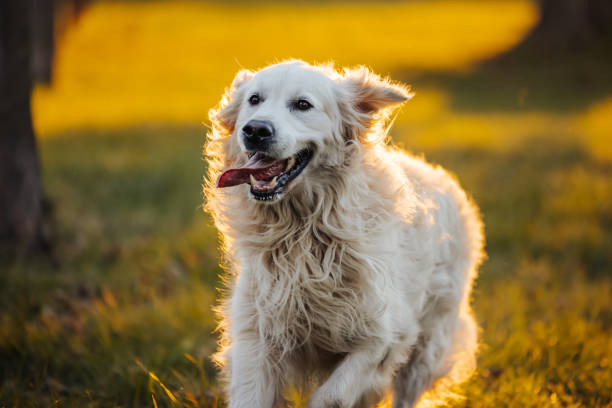
The Golden Retriever is consistently ranked as one of the most popular and beloved dog breeds worldwide, celebrated for its intelligence, gentle nature, and desire to please. This list addresses the most frequently asked questions pertaining to their care, health, and temperament.
20 Frequently Asked Questions (FAQs) about Golden Retrievers
1. How long do Golden Retrievers usually live?
Description: The average lifespan of a Golden Retriever is typically 10 to 12 years. Proper diet, consistent exercise, and regular veterinary check-ups (especially screenings for common cancers and joint issues) are key factors in maximizing their longevity.
2. Are Golden Retrievers good family dogs and suitable for children?
Description: Yes, they are renowned for being excellent family dogs. They are exceptionally patient, tolerant, and eager to participate in family activities. Their gentle demeanor makes them particularly suitable for households with young children, though supervision is always required.
3. How much exercise does a Golden Retriever need daily?
Description: Goldens are a high-energy sporting breed and require significant daily exercise, typically 60 to 90 minutes of vigorous activity. This should include walks, fetching (their favorite activity), swimming, or active playtime to keep them physically fit and mentally stimulated.
4. How much do Golden Retrievers shed, and how often should I groom them?
Description: Golden Retrievers are heavy shedders year-round. They “blow their coat” significantly twice a year (spring and fall). They should be brushed at least 3 times per week with a slicker brush and rake to remove loose undercoat and prevent matting.
5. Are Golden Retrievers easy to train?
Description: Yes, Goldens are highly intelligent and possess an exceptional eagerness to please their owners, making them one of the easiest breeds to train. They respond best to positive reinforcement techniques and excel in obedience, agility, and competitive retrieval sports.
6. What common health issues are Golden Retrievers prone to?
Description: Goldens are genetically prone to several serious issues. The most common are:
- Canine Cancer: High rates of hemangiosarcoma and lymphosarcoma.
- Joint Issues: Hip and elbow dysplasia.
- Cardiac Issues: Subvalvular Aortic Stenosis (SAS).
- Allergies: Skin issues and hot spots.
7. Why does my Golden Retriever often carry objects in their mouth?
Description: This behavior is a fundamental part of their breeding history. As retrieving dogs, they are naturally inclined to carry things, often referred to as having a “soft mouth.” They use their mouths to interact with the world and often carry toys, shoes, or leashes as a sign of affection or excitement.
8. Are Golden Retrievers suitable for apartment living?
Description: While adaptable, Golden Retrievers are not ideal for small apartments. They need room to move and require large amounts of outdoor exercise. If kept in an apartment, the owner must be dedicated to providing multiple long walks and rigorous play sessions every single day.
9. How do I prevent my Golden Retriever from chewing destructively?
Description: Destructive chewing in Goldens is almost always a sign of boredom, anxiety, or lack of exercise. Prevention involves ensuring 60+ minutes of exercise, providing appropriate chew toys (like KONGs), starting crate training early, and restricting access to valuable items until training is complete.
10. When should I start socializing a Golden Retriever puppy?
Description: Socialization should begin as soon as the puppy comes home (around 8 weeks), provided they have the first round of vaccinations. The critical socialization period is between 8 and 16 weeks. Introduce them safely to new sights, sounds, people, and vaccinated dogs during this time.
11. Do Golden Retrievers bark a lot?
Description: Generally, no. Goldens are not known as excessive barkers. They may bark to alert their owners to visitors or strange noises, but they are not typically yappy.
12. Are Golden Retrievers good guard dogs?
Description: No, they make poor guard dogs. While they might bark to alert you to an intruder, their temperament is too friendly to be aggressive. Most Goldens are more likely to greet a burglar with a wagging tail than to chase them away.
13. How often should I bathe my Golden Retriever?
Description: Bathing frequency depends on their lifestyle, but generally every 4 to 6 weeks is sufficient to keep their coat healthy without stripping the natural oils. Excessive bathing can cause dry, itchy skin.
14. Do they get along well with other dogs and pets?
Description: Yes. Golden Retrievers are highly social and generally get along very well with other dogs, cats, and small pets, especially when properly socialized from a young age.
15. What is the difference between American and English (or ‘Cream’) Golden Retrievers?
Description:
- American: Taller, lankier, less stocky, with coats ranging from deep gold to red-gold.
- English/European (Cream): Often stockier, have broad, “blockier” heads, and feature coats that are much lighter, ranging from light gold to cream/white.
- Temperament is similar across the types.
16. What is the optimal weight range for an adult Golden Retriever?
Description:
- Males: 65 to 75 pounds (29–34 kg)
- Females: 55 to 65 pounds (25–29 kg) Maintaining a healthy weight is crucial to protect their joints from dysplasia.
17. Do I need to clean my Golden Retriever’s ears regularly?
Description: Yes. Because their floppy ears trap moisture, Goldens are prone to ear infections. Ears should be checked and cleaned weekly with a veterinarian-approved solution, especially after swimming.
18. When does a Golden Retriever stop being a puppy?
Description: While a Golden Retriever reaches near-physical maturity around 1.5 to 2 years, they often retain their playful, energetic, and “puppy-like” behavior until they are 3 or 4 years old.
19. Do Golden Retrievers suffer from separation anxiety?
Description: Goldens are incredibly attached to their human families. If they are left alone for long periods without sufficient exercise or mental stimulation, they can easily develop separation anxiety, leading to destructive behavior, excessive vocalization, or house soiling.
20. What kind of diet is best for a Golden Retriever?
Description: A high-quality, large-breed formula dog food is recommended, focusing on protein and omega fatty acids for their coat and joints. Due to their tendency toward hip dysplasia, many owners choose formulas formulated for large breeds that help control the rate of growth in puppies. Always consult your vet about specific dietary needs and portion control.
#GoldenRetriever, #GoldenLife, #DogFAQs, #GoldenRetrieverPuppy, #DogCareTips, #InstaDog, #GoldenRetrieversOfInstagram, #DogGroomingTips, #BestDogBreed, #GoldenRetrieverTraining







Add comment