
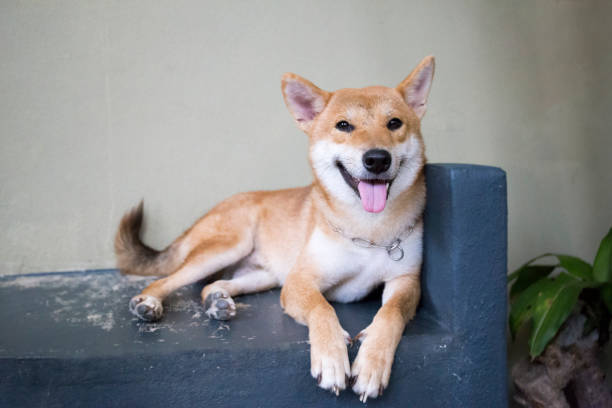
The Japanese Akita Inu is a dog shrouded in majesty, known globally as a symbol of unwavering loyalty, thanks to the legendary story of Hachiko. Originating from the mountainous regions of Japan, this large, powerful Spitz breed is beautiful, but they are not for the faint of heart.
Before bringing this noble sentinel into your home, thorough research is essential. We’ve compiled a comprehensive list of 20 frequently asked questions (FAQs) to help you understand the temperament, care requirements, and unique challenges of owning a Japanese Akita Inu.
The Japanese Akita Inu: 20 Essential FAQs
I. History, Temperament, and Appearance
1. What is the Japanese Akita Inu?
Description: The Japanese Akita Inu (or Akita Ken) is one of the oldest and most revered of the seven Japanese native dog breeds. Historically used for hunting large game (like boar and bear) in the Akita prefecture, they are characterized by their powerful build, thick double coat, and curled, plume-like tail.
2. What is the difference between the Japanese Akita and the American Akita?
Description: While they share ancestry, the two are now recognized as separate breeds. The Japanese Akita comes only in specific colors (Red, Fawn, Sesame, Brindle, and Pure White) and has a more defined, fox-like head. The American Akita is larger, heavier-boned, and allows for much wider color diversity (including masked and pinto patterns).
3. What is the typical Akita temperament?
Description: The Akita is generally reserved, quiet, and deeply loyal to its immediate family. They are known for being natural guardians, aloof with strangers, and possessive of their territory and people. They are not typically exuberant or needy dogs.
4. How big do Japanese Akitas get?
Description: Japanese Akitas are large dogs. Males typically stand between 25 to 27.5 inches tall at the shoulder and weigh between 75 to 120 pounds. Females are slightly smaller.
5. Are Akitas good family dogs?
Description: Yes, they are incredibly devoted to their “pack.” However, due to their size, protective instincts, and potential impatience with rough handling, they thrive best in homes with older, respectful children who understand how to interact with a large, independent dog.
6. Do they bark a lot?
Description: No. Akitas are notoriously quiet and territorial. They generally only bark when they perceive a legitimate threat or unusual activity. This selective barking makes the Akita a unique guardian.
II. Training and Socialization Challenges
7. Is the Akita easy to train?
Description: No. Akitas are highly intelligent but possess strong independent thinking and stubbornness. They bore easily with repetition and require short, engaging training sessions based on positive reinforcement. They need a confident, consistent handler.
8. How crucial is early socialization?
Description: It is paramount. Adequate socialization from 8 to 16 weeks—exposure to different sights, sounds, people, and controlled dog interactions—is essential to mitigate their natural wariness and potential aggression toward unknown dogs.
9. Can Akitas live with other dogs or pets?
Description: This is difficult. Akitas often exhibit same-sex dog aggression and have a high prey drive. They generally prefer to be the only dog in the household. If introduced to a different-sex companion early in life, they might coexist, but extreme caution is required, especially with small animals.
10. Do they require a lot of exercise?
Description: They require moderate, consistent exercise—at least 45 to 60 minutes of brisk walking or jogging daily. While they have stamina, they are not high-energy “zoomies” dogs and are often content to lounge after their daily walk.
11. Can Akitas be reliable off-leash?
Description: Generally, no. Due to their high prey drive and independent nature, Akitas should almost always be kept on a leash or within a secure, fenced area. If they see something they want to chase, recall is often non-existent.
12. Are Akitas known to be prone to escaping?
Description: Yes. Akitas are intelligent and determined. If they become bored or spot prey, they are known to jump, dig under, or skillfully open gates. A secure fence (at least 6 feet high, preferably with a dig barrier) is mandatory.
III. Health and Grooming
13. How much grooming does an Akita require?
Description: They need moderate grooming, primarily focused on brushing. Weekly brushing is standard, but during the seasonal “blows” (twice a year), daily brushing is necessary to manage massive amounts of shed undercoat.
14. How much do Akitas shed?
Description: A lot. They possess a dense double coat that sheds moderately year-round and “blows” the entire undercoat twice a year (typically in spring and fall). Owners must be prepared for fur tumbleweeds.
15. Are there specific health concerns for the breed?
Description: Yes. Akitas are prone to hereditary conditions including Hip and Elbow Dysplasia, and certain autoimmune diseases like VKH Syndrome (which affects the eyes and skin pigmentation) and Sebaceous Adenitis (a skin condition).
16. What is the average lifespan of a Japanese Akita?
Description: The Japanese Akita Inu typically has a lifespan of 10 to 15 years, provided they receive proper care, nutrition, and regular veterinary check-ups.
17. Do Akitas tolerate hot weather well?
Description: No. Their dense double coat makes them sensitive to heat. Exercise should be limited during the hottest parts of the day, and they must always have access to shade and cool water to prevent overheating.
18. Are Akitas prone to joint problems?
Description: Yes, like many large breeds, they are prone to joint issues such as Hip Dysplasia, requiring owners to manage their weight carefully, provide appropriate exercise, and potentially utilize joint supplements.
IV. Ownership and Lifestyle
19. Who is the ideal owner for a Japanese Akita Inu?
Description: The ideal owner is experienced with primitive or challenging guardian breeds, is firm, patient, and consistent, and has the time and resources to dedicate to comprehensive early socialization and daily mental stimulation. They are not recommended for novice owners.
20. Why is Hachiko so important to the breed?
Description: Hachiko, the famous Akita, symbolizes the breed’s profound loyalty. Hachiko waited for his deceased owner at the Shibuya train station in Tokyo every day for nine years, cementing the Akita’s reputation as a faithful, devoted companion across the globe.
#JapaneseAkitaInu, #AkitaKen, #AkitaLove, #Hachiko, #DogBreedGuide, #AkitaFAQs, #LoyalDog, #LargeBreedDogs, #DogOwnership, #PuppyTraining, #WorkingDog, #AkitaLife, #PrimitiveBreed, #DogCareTips, #Purebred







Add comment