
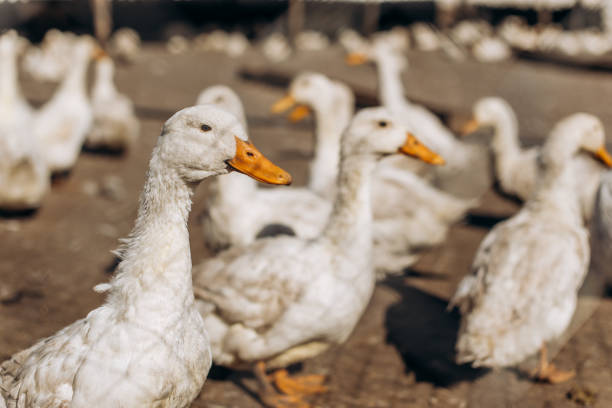
Duck meat is gaining popularity in the livestock industry due to its lean, flavorful, and nutrient-rich profile, making it a sought-after protein source for consumers. As demand for duck-based products grows, farmers and poultry producers are increasingly turning to fast-growing duck breeds to maximize profitability and meet market needs. These breeds are specifically developed for rapid weight gain and high meat yield, offering a competitive advantage over traditional duck breeds that require longer rearing periods. By selecting the right breed and optimizing production practices, producers can achieve higher efficiency, reduce operational costs, and generate consistent revenue from duck meat production.
Fast-growing duck breeds are particularly valuable in commercial and small-scale farming operations alike because they align with the principles of cost-effective meat production. These breeds are engineered to convert feed into body mass more efficiently than their slower-growing counterparts, minimizing the time and resources required to reach market weight. For instance, ducks raised for meat production can often be harvested within 6 to 8 weeks, compared to traditional breeds that may take 12 weeks or more. This rapid growth not only reduces labor and housing expenses but also allows for more frequent flock cycles, ensuring a steady supply of duck meat for consumers. Additionally, fast-growing breeds tend to produce larger carcass weights and higher meat-to-bone ratios, making them ideal for processing into various meat products, including whole ducks, duck breasts, and processed duck-based meals.
The significance of fast-growing duck breeds extends beyond their production advantages; they also contribute to food security and economic development in many regions. As global interest in alternative protein sources continues to rise, duck farming offers a sustainable and profitable livelihood for farmers, particularly in countries where duck meat is a dietary staple. However, achieving optimal results requires careful breed selection, proper feeding, and effective management strategies. This guide provides an in-depth exploration of the top fast-growing duck breeds for meat production, along with practical insights into maximizing their productivity and profitability.
In the following sections, we will examine the most popular breeds used in duck meat production, their growth rates, feeding requirements, and the optimal conditions for rearing. We will also explore the economic benefits of raising fast-growing ducks, along with strategies for ensuring their health and preventing common production challenges. By the end of this guide, readers will have a comprehensive understanding of how to select, manage, and profit from fast-growing duck breeds, enabling them to make informed decisions in their livestock operations.
Overview of the Most Popular Fast-Growing Duck Breeds for Meat Production
The Pekin duck is one of the most widely recognized and commercially successful breeds in meat production. Known for its rapid growth and large body size, the Pekin duck reaches market weight in as little as 6 to 8 weeks, making it a favored choice for commercial duck farms. These white-feathered ducks have a compact build and a broad chest, which contributes to their high meat yield. Pekins are also known for their excellent feed conversion ratio, meaning they efficiently convert feed into body mass. Their meat is tender, juicy, and has a mild, buttery flavor that is appealing to a wide range of consumers. This combination of fast growth, efficient feeding, and desirable meat characteristics makes the Pekin duck a top choice for producers seeking to maximize profitability in duck meat production.
Another notable fast-growing breed is the Muscovy duck, which, although not a true anserine duck, is prized for its excellent meat quality and relatively large size. Muscovy ducks have a distinctive appearance, with dark red plumage and a broad, muscular frame. They are naturally leaner than other duck breeds, which makes their meat less fatty and more akin to game meat in texture and flavor. Muscovy ducks mature slightly slower than Pekins, typically reaching market weight in about 9 to 12 weeks. However, their meat is highly valued for its rich, gamey flavor, making them particularly popular in gourmet and restaurant markets. Additionally, Muscovy ducks are known for their hardiness and ability to adapt to various climates, which can be an advantage for producers in different regions. Their ability to maintain meat quality even at higher ages also benefits those who may prefer a slower growth cycle without sacrificing meat yield.
In the realm of fast-growing duck breeds, the Cherry Valley duck stands out for its consistent productivity and meat characteristics. This breed was developed in the United Kingdom specifically for meat production and is a crossbreed between Pekins and Muscovy ducks. Cherry Valley ducks grow at a similar rate to Pekins, reaching market weight in 6 to 8 weeks, and are known for their evenly distributed meat and minimal fat content. Their meat is tender and flavorful, with a texture that is often compared to chicken but with a richer, more savory profile. Unlike other breeds, Cherry Valleys are known for their quiet and docile nature, making them easier to manage in large flocks. Their early maturity and consistent meat production make them an excellent choice for both commercial and small-scale duck farming operations.
Beyond these breeds, other fast-growing duck breeds include the Rouen and Cayuga ducks. While not as common for mass production as Pekins or Cherry Valleys, Rouens are prized for their large size and moderate growth rate, making them suitable for specialty markets. Cayuga ducks, with their black feathers and striking appearance, grow at a slightly slower pace but are appreciated for their high-quality meat and adaptability. Each of these breeds offers unique advantages for meat production, whether it be through rapid growth, superior meat quality, or adaptability to various farming environments. By understanding the characteristics and growth rates of these breeds, producers can make informed decisions that align with their specific production goals and market demands.
Understanding Growth Rates and Meat Yield in Fast-Growing Ducks
The growth rates and meat yield of fast-growing duck breeds are critical factors that directly influence the efficiency and profitability of duck meat production. These breeds have been selectively developed to reach market weight quickly, which reduces the time and resources required for rearing. For instance, Pekin ducks can achieve a live weight of 8 to 9 pounds in 6 to 8 weeks under optimal conditions, making them one of the fastest-growing breeds available. In contrast, Muscovy ducks may take 9 to 12 weeks to reach a similar weight, but their higher meat-to-bone ratio compensates for their slightly longer growth period. The Cherry Valley breed strikes a balance between rapid growth and consistent meat production, often reaching a comparable market weight in 6 to 8 weeks while maintaining a leaner, more uniform meat profile. By understanding the growth trajectories of these breeds, producers can tailor their production systems to maximize output and reduce costs.
Meat yield is another crucial metric in assessing the profitability of duck meat production. Fast-growing breeds are typically selected for their high carcass weights and superior meat quality, ensuring a greater return on investment for producers. Pekin ducks, in particular, are known for their large, plump bodies and high percentage of breast meat, which is highly valued in both fresh and processed meat markets. Their meat is tender, juicy, and has a mild, buttery flavor, making them ideal for roasting, grilling, and baking. Muscovy ducks, while slightly leaner, produce meat with a more pronounced gamey flavor, which is often preferred in gourmet and specialty markets. Cherry Valley ducks offer a well-distributed meat yield with a lower fat content compared to Pekins, making their meat a preferred option for health-conscious consumers. The ability of these breeds to produce high-quality meat in a short time frame contributes to their economic advantages, as they enable producers to supply a steady stream of quality duck products to meet market demand.
In addition to rapid growth and high meat yield, the efficiency of feed conversion is a key factor that enhances the profitability of fast-growing duck breeds. These ducks have been selectively bred to convert feed into body mass with minimal waste, allowing producers to achieve higher output with lower input costs. For example, Pekin and Cherry Valley ducks typically maintain a feed conversion ratio of around 2:1, meaning they require only two pounds of feed to produce one pound of body weight gain. This efficiency is particularly advantageous in large-scale operations, where feed costs constitute a significant portion of the total production expenses. Muscovy ducks, although slightly less efficient in feed conversion, still offer a favorable balance between growth and resource utilization. By optimizing feed formulation and management practices, producers can further enhance the efficiency of fast-growing breeds, ensuring that their duck meat production remains both economically viable and environmentally sustainable.
The economic benefits of raising fast-growing duck breeds are further amplified by their ability to generate early returns on investment. Since these ducks reach market weight in a relatively short time frame, producers can increase their flock turnover and maintain a consistent supply of duck meat. This rapid cycle not only reduces the financial risk associated with longer rearing periods but also allows for more frequent revenue generation. Additionally, the higher meat yields and favorable consumer demand for duck meat ensure that producers can command competitive prices in both domestic and international markets. By leveraging the growth advantages of fast-growing breeds, poultry producers can create a more predictable and profitable meat production system that aligns with the growing demand for high-quality duck products.
Feed Requirements and Cost Efficiency in Raising Fast-Growing Ducks
Providing the optimal diet is a critical component of raising fast-growing duck breeds for meat production, as it directly influences their growth rate, meat quality, and overall profitability. These ducks require a carefully balanced feed formulation that meets their high nutritional demands during the rapid development phase. The primary nutritional components for duck meat production include protein, energy, vitamins, and minerals. During the starter phase (0-4 weeks), ducklings should be fed a high-protein diet of approximately 20-22% crude protein to support skeletal and muscle development. As they enter the grower phase (4-8 weeks), the protein content can be slightly reduced to 18-20%, while increasing the energy density of the feed to promote weight gain and fat deposition. For broiler-type ducks like Pekins and Cherry Valleys, a finisher feed with 16-18% protein is typically introduced in the later stages to maintain lean meat development while ensuring an efficient conversion of feed into body mass.
In addition to protein and energy, fast-growing ducks require adequate levels of amino acids, particularly lysine and methionine, which are essential for optimal muscle development and weight gain. Vitamins and minerals such as calcium, phosphorus, and vitamin D are also crucial for strong bone development and overall health. The inclusion of fiber in the diet should be minimized, as it can hinder the absorption of other nutrients and slow growth. A properly formulated feed can significantly enhance the feed conversion ratio (FCR), which measures how much feed is required to produce one unit of weight gain. For fast-growing duck breeds, an FCR of 2:1 or better is considered efficient, meaning that two pounds of feed produce one pound of body weight gain. Achieving this level of efficiency reduces feed costs, which typically account for over 60% of total production expenses in duck meat operations.
Cost-efficient feeding strategies are essential for maximizing profitability in duck meat production. One effective approach is to use locally sourced feed ingredients where possible, as this can reduce transportation costs and support regional agriculture. Additionally, custom feed formulations tailored to the specific nutritional needs of the flock can enhance growth performance while minimizing waste. Automated feeding systems can also contribute to cost efficiency by ensuring precise portion control and reducing feed wastage. Implementing a phased feeding program—transitioning ducks from starter to grower to finisher feeds based on their growth stage—further optimizes nutrition while preventing overfeeding and unnecessary expenditure. By strategically managing feed requirements and reducing input costs, producers can enhance the profitability of their fast-growing duck operations while ensuring optimal growth and meat yield.
Essential Housing and Management Practices for Fast-Growing Ducks
Providing the right housing and management practices is critical for ensuring the health, growth, and productivity of fast-growing duck breeds. These ducks have specific environmental and behavioral needs that must be met to support their rapid development and prevent stress, disease, and poor performance. One of the most important aspects of duck housing is space allocation. Fast-growing ducks require sufficient room to move and grow without physical contact, which can cause injuries and stress-related issues. A common guideline is to provide at least 2 square feet of floor space per duck in the first 4 weeks of life, gradually increasing the space as they grow. Overcrowding not only hampers growth but also increases the risk of disease transmission, which can lead to higher mortality rates and lower meat yields.
Coop design should also prioritize ventilation to maintain a healthy environment. Ducks produce a significant amount of moisture and ammonia from their droppings, so proper airflow is essential to prevent respiratory diseases and ammonia-related irritation. Ventilation systems can include adjustable windows, roof eaves, or mechanical fans to ensure a steady flow of fresh air. However, it is important to avoid excessive drafts, as sudden temperature changes can stress the birds and slow their growth. The ideal temperature for fast-growing ducks depends on their age; younger ducklings (0-2 weeks) require a warm environment of around 90 to 95°F, gradually decreasing by 5 to 10°F per week until they reach thermal neutrality at about 6 to 8 weeks. In adults, maintaining a moderate climate between 65 to 75°F is sufficient for optimal growth and comfort.
Flooring materials also play a key role in duck housing. While concrete or compacted dirt floors are common in commercial setups, it is important to maintain them in a clean and dry condition to reduce the risk of disease and foot injuries. Providing a layer of absorbent bedding, such as wood shavings or straw, can help manage moisture and improve hygiene. Alternatively, slatted floor systems can be implemented to allow waste to fall through, reducing ammonia accumulation and making cleaning easier. Floor systems with adequate drainage are especially important in large-scale operations where waste management is a primary concern.
In addition to housing, management practices must be tailored to the needs of fast-growing ducks. A consistent feeding and watering schedule is essential for maintaining optimal growth and preventing digestive issues. Fast-growing breeds benefit from continuous access to clean, fresh water, as ducks are highly susceptible to dehydration, which can lead to reduced weight gain and even death. Water depth should be shallow enough to prevent drowning but deep enough for ducks to drink and submerge their beaks comfortably. Automated watering systems can be useful in large-scale operations to ensure a steady water supply and reduce labor.
Lighting is another important consideration, as it affects feeding behavior and growth. While natural daylight is ideal, artificial lighting should be provided if ducklings are raised in indoor housing. A consistent 16 to 18 hours of light per day is recommended for the first few weeks to support feeding activity and growth. However, it is important to avoid excessive artificial lighting, as this can lead to stress and health issues like liver disease in ducks.
By implementing these housing and management practices, producers can create an optimal environment that supports the rapid growth and high meat yield of fast-growing duck breeds. These strategies not only enhance productivity but also contribute to the long-term success of duck meat production operations.
Enhancing Profitability Through Culling and Processing Efficiency
Maximizing profitability in duck meat production requires careful attention to culling and processing procedures, as these stages directly impact meat quality, yield, and overall revenue. Culling refers to the selective removal of ducks from the flock at the optimal time to ensure the highest meat value and efficiency. Timing is critical in this process, as ducks that are slaughtered too early may not have reached their peak weight, resulting in lower meat yield and profitability. Conversely, leaving ducks on the farm for too long increases feed costs, reduces feed efficiency, and can lead to slower growth rates due to energy being directed toward maintenance rather than muscle development. Fast-growing duck breeds such as Pekins and Cherry Valleys typically reach peak meat yield at around 6 to 8 weeks of age. Muscovy ducks, while slightly slower in growth, are most profitable when processed at 9 to 12 weeks, depending on market demand for their leaner, game-style meat. By closely monitoring growth rates and using precise weight measurements or age-based guidelines, producers can ensure that ducks are slaughtered at the ideal time to optimize meat production and financial returns.
Processing is another essential step that influences the efficiency and profitability of duck meat production. The methods used for dressing, plucking, and preserving duck meat vary depending on the market and the intended use of the product. Wet processing, which involves cleaning and eviscerating the bird, is the most cost-effective method for fresh meat sales, while dry processing—such as smoking or curing—can increase the value of duck meat and extend its shelf life, allowing for higher profit margins. Mechanical plucking is suitable for commercial operations that process large volumes of ducks, while hand-plucking is often preferred for smaller farms or niche markets where attention to detail is a selling point. The choice of processing method should align with the target market, as value-added products such as smoked duck or frozen portions can command higher prices and cater to specific consumer preferences.
Proper preservation techniques are equally important in ensuring the economic value of duck meat. Freezing is a common method for long-term storage, as it preserves meat quality and allows producers to supply duck meat consistently to markets. If freezing is used, it is essential to package the ducks promptly after processing in airtight, vacuum-sealed bags or containers to prevent freezer burn and moisture loss. Smoking is another popular preservation method that enhances flavor and extends shelf life, making it particularly valuable for gourmet and specialty markets. By implementing efficient culling and processing techniques, producers can not only improve meat quality but also increase the value of their duck meat products, leading to higher profitability.
Health Management Strategies for Fast-Growing Ducks
Ensuring the health and well-being of fast-growing duck breeds is essential for maintaining high productivity and profitability in duck meat production. Due to their rapid growth and high metabolic demands, these ducks are more susceptible to certain health issues if proper care and preventive measures are not implemented. Common health problems include respiratory diseases, digestive disorders, and musculoskeletal injuries. Respiratory infections, such as infectious sinusitis and duck viral enteritis, can spread rapidly in crowded or poorly ventilated housing, leading to reduced growth rates and, in severe cases, high mortality. To prevent these issues, producers must prioritize biosecurity protocols, including the use of clean feed and water, regular sanitation of housing areas, and minimizing exposure to potential disease carriers such as wild birds, contaminated equipment, or unwashed hands from visitors.
Another significant concern for fast-growing ducks is digestive health, particularly in relation to coccidiosis—a parasitic infection that affects the intestinal tract and impairs nutrient absorption. This condition can lead to reduced weight gain, poor feed conversion, and overall weakness in affected birds. To mitigate the risk of coccidiosis, producers should implement preventive measures such as maintaining dry and clean litter, rotating pastures if raising ducks outdoors, and using medicated feed or coccidiostats under veterinary guidance. Additionally, providing probiotics or natural feed additives known to support gut health can further enhance digestive efficiency and reduce the incidence of gastrointestinal issues.
Musculoskeletal problems are also common in fast-growing duck breeds due to the rapid weight gain and high metabolic activity, which can lead to leg disorders, joint issues, and difficulty in movement. To address these concerns, producers should ensure that ducks have enough space to move freely and avoid excessive overfeeding, which can exacerbate musculoskeletal stress. Proper flooring is also important—using non-slip surfaces and ensuring adequate depth of bedding can help prevent foot injuries and promote healthy movement. Additionally, supplementing feed with essential vitamins and minerals, such as calcium and vitamin D, can support strong bone development and reduce the risk of skeletal deformities.
Proactive health monitoring and early intervention are key components of effective disease prevention. Regular health checks, including observation of feeding behavior, activity levels, and physical condition, can help producers identify potential health issues before they escalate. Keeping vaccination records up-to-date is also crucial, as ducks should be protected against common diseases such as duck viral enteritis, fowl plague, and salmonellosis. By implementing a comprehensive health management strategy that includes preventive care, biosecurity, and early disease detection, producers can safeguard the well-being of their fast-growing duck flocks and ensure long-term profitability in duck meat production.
Economic Considerations for Profitability in Fast-Growing Duck Production
Understanding the economic factors involved in raising fast-growing ducks is crucial for producers seeking to achieve profitability in duck meat production. The initial investment required to start a duck farming operation can vary depending on the scale of production but typically includes expenses related to securing a suitable location, constructing housing facilities, purchasing feeders and watering systems, acquiring ducklings or breeding stock, and investing in essential equipment such as automated feed dispensers and processing tools. For small-scale producers, a modest operation with 500 to 1,000 ducks may require an initial outlay of several thousand dollars, while larger commercial operations may involve significantly higher startup costs. It is important for producers to carefully plan their capital expenditure and seek cost-effective solutions, such as reusing existing structures or investing in modular housing systems that can be expanded as the business grows.
Ongoing operational costs are another critical factor that influences the profitability of fast-growing duck production. Feed represents the largest portion of production expenses, typically accounting for over 60% of total costs. Given the rapid growth rate of these breeds, producers must ensure a consistent supply of high-quality feed formulated for optimal weight gain and health. Feed costs can be minimized by sourcing ingredients locally, implementing cost-effective feed formulations, and using feeding systems that reduce wastage. Labor is another significant expense, as duck farming requires regular monitoring, feeding, water management, and health care. While some operations rely on hired labor, others may benefit from employing family members or part-time workers to reduce costs. Additional expenses include utilities such as electricity for lighting and ventilation, as well as veterinary care and disease prevention measures. By implementing efficient cost management strategies—such as optimizing feed usage, leveraging automated systems, and maintaining good duck health—producers can significantly reduce ongoing operational expenses and improve profit margins.
Beyond cost management, revenue generation is another key component of a profitable duck meat business. Ducks raised for meat production can be sold at various stages, including as live birds, dressed carcasses, or processed meat products. The selling price varies depending on factors such as market demand, local competition, and the quality of the meat. Fast-growing duck breeds such as Pekins and Cherry Valleys are often sold at around 6 to 8 weeks of age, when they have reached market weight and achieved their peak meat yield. Producers can also explore value-added opportunities by offering smoked or frozen duck meat, which can command higher prices and cater to niche markets. Additionally, duck farming can generate income from by-products such as duck feathers, offal, and eggs, which can be sold to textile manufacturers, pet food producers, or specialty markets. By diversifying revenue streams and targeting high-demand markets, producers can enhance their profitability and create a more sustainable duck meat production operation.
Comparing Fast-Growing Duck Breeds for Optimal Meat Production
Selecting the most suitable fast-growing duck breed for meat production requires a careful evaluation of factors such as growth rate, feed efficiency, and meat yield. Each breed has unique characteristics that make it more suitable for specific production goals and market demands. Pekin ducks are widely considered the gold standard in duck meat production due to their rapid weight gain and high meat yield. They reach market weight in just 6 to 8 weeks and offer a large, evenly distributed meat profile with a mild flavor, making them an ideal choice for mass production and restaurant supply. Additionally, Pekins have an excellent feed conversion ratio, ensuring that producers can achieve high output with minimal feed input, a critical factor in maintaining profitability. However, their high growth rate may require more intensive management to prevent health issues such as musculoskeletal problems and feed-related digestive challenges.
Muscovy ducks, while slightly slower in growth compared to Pekins, offer a leaner and more flavorful meat that is highly valued in gourmet and specialty markets. These ducks typically take 9 to 12 weeks to reach a similar weight to Pekins, but their meat has a unique, gamey flavor that appeals to discerning consumers. Muscovy ducks are also naturally hardier and more disease-resistant, making them a favorable option for producers operating in environments with less controlled conditions. However, their longer maturation period and lower overall meat yield compared to Pekins may affect the profitability of large-scale meat production operations. Muscovy ducks also require more space per bird due to their larger size, which can increase housing and feed costs if not properly managed.
Cherry Valley ducks strike a balance between rapid growth and meat quality, offering a fast growth rate similar to Pekins but with a more uniform, lean meat profile. These ducks mature in 6 to 8 weeks and are known for producing meat with a desirable texture and taste, making them suitable for both fresh and processed meat products. One of the key advantages of Cherry Valley ducks is their docile and manageable nature, which facilitates easier handling and reduces stress-related growth issues in commercial settings. However, their feed efficiency is slightly lower than that of Pekins, and their meat yield is not as high, which may impact their cost-effectiveness in large-scale operations focused on maximizing output.
The choice of breed ultimately depends on market demand, production scale, and management capabilities. Pekin ducks are best suited for large-scale meat production due to their fast growth and high meat yield, while Muscovy ducks are ideal for niche markets that value lean, flavorful meat. Cherry Valley ducks provide a balanced option for producers seeking a middle ground between growth rate and meat quality. By understanding the strengths and limitations of each breed, producers can make informed decisions that align with their production goals and market needs, ensuring long-term profitability in duck meat production.
Embracing Fast-Growing Duck Breeds for Sustainable and Profitable Meat Production
The strategic use of fast-growing duck breeds in meat production offers a powerful approach to achieving both economic efficiency and food security in the modern poultry industry. By selecting breeds such as Pekin, Muscovy, and Cherry Valley ducks, producers can leverage their rapid growth, high feed conversion rates, and superior meat yield to optimize productivity and profitability. The ability of these breeds to reach market weight in as little as 6 to 8 weeks allows for a faster turnover of flocks, reducing operational costs and increasing the potential for stable, continuous revenue. Furthermore, their adaptability to various rearing environments and management practices makes them a versatile option for both large-scale commercial operations and small-scale farmers seeking to diversify their income.
The role of fast-growing duck breeds in the future of duck meat production is particularly promising, given the increasing global demand for high-quality, lean protein sources. As dietary preferences shift toward nutrient-dense meats with lower fat content, ducks offer a distinct advantage over traditional poultry by delivering a rich source of protein, vitamins, and minerals while also supporting sustainable farming practices. Producers who adopt optimized feeding strategies, housing solutions, and health management protocols can enhance the productivity of these breeds while minimizing environmental impact. Additionally, value-added processing methods such as smoking, curing, and freezing can further increase profitability by tapping into niche markets and specialty food sectors.
Looking ahead, the continued development and refinement of fast-growing duck breeds will likely play a central role in shaping the future of duck meat production. Breeding programs focused on disease resistance, feed efficiency, and environmental adaptability will further enhance the viability of duck farming as a profitable and sustainable industry. Additionally, the integration of technological advancements in duck farming—such as automated feeding systems, precision agriculture tools, and data-driven production analytics—will provide new opportunities for maximizing efficiency and minimizing waste. As the poultry industry evolves to meet the demands of a growing population, fast-growing duck breeds will remain a key asset in ensuring a stable and sustainable supply of high-quality duck meat for consumers worldwide. For producers seeking to enter or expand in this sector, understanding the strengths and potential of these breeds is essential for long-term success and market competitiveness.
#DuckFarmingGuide #DuckMeatBusiness #AgricultureInnovation #FarmToTableMeat #DuckMeatRecipes #MeatProcessingTips #DuckFarmers #DuckBreedingTips #AgriBusinessStrategies #DuckMeatYield #LivestockManagement #DuckMeatMarket #AgritechSolutions #MeatProductionTrends #FoodSecuritySolutions #DuckMeatDemand #AnimalHusbandry #MeatProductionCost #DuckMeatExport #FarmProfitTips #PoultryIndustryInnovation #DuckFarmingForProfit #MeatProductionEfficiency #DuckMeatSupplyChain #DuckMeatSustainability #DuckMeatBusinessModel #DuckMeatInvestment #ModernDuckFarming #DuckMeatForExport #DuckMeatNutrition #DuckMeatRecipes #DuckMeatProcessing #DuckMeatProfitability #DuckMeatSustainability #DuckMeatTrends #DuckMeatProductionTips #DuckMeatForRestaurants #DuckMeatForExport #DuckMeatBusinessOpportunities #DuckMeatInnovation #DuckMeatForHealthConscious #DuckMeatProcessingMethods #DuckMeatForCulinary #DuckMeatForGourmet #DuckMeatForExportMarkets #DuckMeatValueChain #DuckMeatForFarmers #DuckMeatProductionSuccess #DuckMeatForLocalMarkets #DuckMeatForGlobalMarkets.


Add comment