
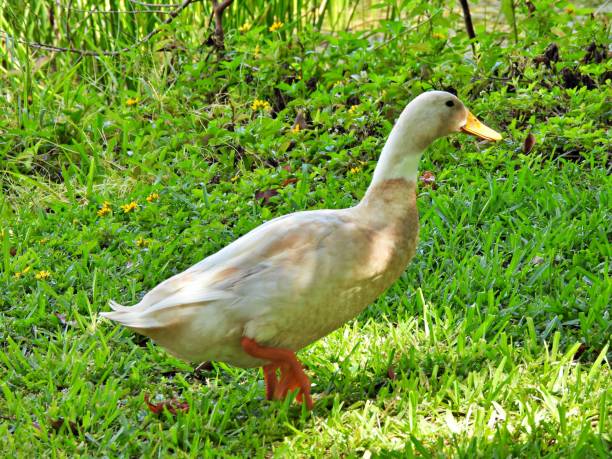
The Fawn & White Runner Duck (often simply called Runner Duck) is a charismatic, semi‑wild waterfowl that occupies a niche between ornamental exhibition birds and productive laying hens. Distinguished by its long, slender neck, upright carriage, and characteristic “running” gait, the breed combines striking visual appeal with respectable egg‑laying ability. While its ancestry traces back to the ancient domestic ducks of Southeast Asia, modern fawn‑and‑white variants have been refined in Europe and North America for both show and small‑scale farm use.
In this guide we will explore every facet of owning, breeding, and caring for the Fawn & White Runner—from anatomy and climate tolerances, to genetics, nutrition, and economic viability—so that both novice hobbyists and seasoned waterfowl keepers can achieve optimum health, productivity, and enjoyment.
2. Other Names & Synonyms
| Common Name | Synonym / Alternate Spelling | Region where used |
|---|---|---|
| Runner Duck | Indian Runner, Asian Runner | United Kingdom, USA |
| Fawn & White Runner | Fawn‑and‑White Indian Runner | Specialty breeder circles |
| Fawn‑pattern Runner | Fawn‑spotted Runner | Europe |
| Runners (General) | “Running Duck” (colloquial) | Global |
When searching literature or online forums, you may encounter these terms interchangeably; they all refer to the same breed type distinguished by the fawn‑white plumage pattern.
3. Primary Breed Purpose
| Purpose | Description |
|---|---|
| Egg Production | 200–250 large eggs per year; eggs are white, with a high yolk‑to‑white ratio. |
| Exhibition / Ornamental | Their upright stance, long neck, and unique gait make them prized in poultry shows. |
| Pest Control | Active foragers that consume slugs, insects, and weed seeds, reducing garden pest pressure. |
| Genetic Resource | Frequently used as a foundation breed in breeding programs for feather color, body size, and “running” locomotion. |
Although not a heavy meat producer, the Runner’s lean carcass is acceptable for small‑scale consumption and provides a secondary revenue stream for niche markets.
4. Physical Characteristics
| Feature | Detail |
|---|---|
| Size | Small‑to‑medium; adult males (drakes) 2.0 – 2.3 kg, females (hens) 1.8 – 2.0 kg. |
| Body Shape | Long, upright torso; narrow, elongated neck (up to 30 cm). |
| Plumage | Predominantly fawn (light tan) with crisp white barring on the breast, belly, and tail. Some birds show a “mottled” pattern where fawn meets white. |
| Bill | Broad, orange‑yellow with a dark tip; smooth and slightly up‑curved. |
| Legs/Feet | Dark gray‑black, slightly longer relative to body, facilitating the “running” gait. |
| Eyes | Dark brown, bright. |
| Sexual Dimorphism | Drakes display a more vivid orange bill and brighter iridescent green head feathering; hens have a duller mahogany head and lighter bill. |
| Tail | Short, carried slightly upward; white with occasional fawn tips. |
| Feather Structure | Soft, close‑lying; water‑repellent oil glands are functional but not as pronounced as in heavy waterbirds. |
The breed’s “running” behavior—where the bird moves with a rapid, stilt‑like stride rather than classic waddling—is a hallmark trait that influences housing design and predator‑avoidance strategies.
5. Weight & Growth Curve
| Age | Approx. Weight (Male) | Approx. Weight (Female) | Remarks |
|---|---|---|---|
| Hatchling (Day 0) | 35‑45 g | 35‑45 g | Downy, eyes closed. |
| 2 weeks | 120 g | 115 g | Begins preening; starter feed introduced. |
| 4 weeks | 300 g | 280 g | Feathering develops; water exposure recommended. |
| 8 weeks | 650 g | 600 g | Transition to grower diet; leg development accelerates. |
| 12 weeks | 1.2 kg | 1.1 kg | Near adult size; sexual maturity approaching. |
| 16 weeks | 1.8 kg | 1.6 kg | Full adult weight; ready for breeding (if desired). |
| 1 year (peak) | 2.0‑2.3 kg | 1.8‑2.0 kg | Stable adult weight; maintain with balanced diet. |
Growth Tips:
- Provide high‑protein starter feed (≥ 22 % protein) for the first 4 weeks.
- Gradually switch to a grower ration (≈ 18 % protein) until 12 weeks.
- Monitor body condition; avoid over‑conditioning, as excess fat impairs the Runner’s characteristic gait and may predispose to fatty liver disease.
6. Climatic Tolerances
| Climate | Adaptations | Management Recommendations |
|---|---|---|
| Temperate (15‑25 °C) | Ideal; plumage provides adequate insulation and cooling. | Maintain dry bedding; provide shallow water for bathing. |
| Cold (≤ 0 °C) | Dense down; ability to tuck neck under body. | Offer wind‑breaks, insulated coop, and heated water dispensers to prevent freezing. |
| Hot (≥ 30 °C) | Thin plumage leads to rapid heat loss; long neck aids heat dissipation. | Ensure shade, misting systems, and ample fresh water; avoid confinement in direct sun. |
| Humid | Susceptible to bacterial skin infections due to moisture retention. | Keep bedding dry; increase ventilation; use sand or grit for foot health. |
| High Altitude | Reduced oxygen may affect egg production. | Gradual acclimatization; increase iron‑rich feed (e.g., dried greens). |
Overall, the Runner thrives in moderate climates but can tolerate extremes with proper husbandry.
7. Reproduction & Egg Production
7.1 Sexual Maturity
- Hens: 5‑6 months (≈ 24‑28 weeks) depending on nutrition.
- Drakes: 6‑7 months, though full breeding vigor peaks at 10‑12 months.
7.2 Egg Laying Performance
| Parameter | Typical Range |
|---|---|
| Annual Egg Count | 200‑250 large eggs (≈ 55 g each) |
| Peak Laying Season | Early spring to early summer (March‑July in Northern Hemisphere) |
| Egg Color | Pure white; may have a faint cream tint |
| Shell Strength | Moderate; thin but not fragile |
| Incubation Period | 28 days (standard for Anas platyrhynchos domesticus) |
7.3 Incubation & Hatchability
- Natural Incubation: Hens will sit on a clutch of 8‑12 eggs; brooding is strong due to upright posture.
- Artificial Incubation: Set incubator to 37.5 °C with 55 % relative humidity for the first 25 days, then increase to 65 % for the final 3 days (hatch window).
- Hatchability: 80‑90 % under optimal conditions; declines sharply if humidity fluctuates.
7.4 Breeding Management
- Ratio: 1 drake per 5‑7 hens encourages natural mating without aggression.
- Lighting: 14‑16 h of light per day stimulates laying; use low‑intensity LED fixtures to mimic dawn/dusk.
- Nesting Boxes: Provide deep, soft‑lined boxes (30 × 30 × 30 cm) filled with straw or shredded paper; locate them elevated (45‑60 cm) to reduce predation risk.
8. Flying Ability
Despite being a “runner” breed, the Fawn & White Runner retains moderate flight capability:
- Wing Span: 55‑60 cm.
- Flight Style: Short, rapid bursts; often used to escape predators or reach higher perches.
- Take‑off: Requires a running start; thus a runway of 1‑2 m is beneficial.
Implications for Housing:
- Secure mesh (1 cm or smaller) on coop doors and run enclosures to prevent escape.
- Provide perches 30‑40 cm off the ground for roosting, but avoid overly tall structures that encourage excessive lofting, which can stress the bird’s leg joints.
9. Breed History & Origin
The Runner Duck’s lineage is ancient, believed to have originated in the Indus Valley and surrounding regions of present‑day Pakistan and India. Early depictions (12th‑13th century) show a tall, long‑necked duck used for egg production.
- 17th Century: Dutch traders introduced the bird to Europe, where they were selectively bred for the upright “running” characteristic.
- 1800s (UK): The breed was formalized by Mrs. Ann L. Houghton and later by John W. Parker, who refined the fawn‑white plumage pattern.
- 20th Century (USA): The American Poultry Association (APA) recognized the Indian Runner in 1938; the fawn‑white variant entered the market through boutique breeders in the 1970s, emphasizing ornamental coloration.
Over centuries, the breed has been a dual‑purpose bird—valued for both egg output and novelty appearance—making it a staple in small‑scale farms, hobbyist collections, and backyard poultry exhibitions worldwide.
10. Life Expectancy
| Life Stage | Approx. Duration |
|---|---|
| Chick → Adult | 6 months |
| Productive Adult (Egg laying) | 2‑3 years (peak) |
| Senior (post‑productive) | 4‑6 years |
| Maximum Recorded | 9 years (under optimal care) |
Factors influencing longevity: nutrition, predator control, disease management, and environmental stress (e.g., extreme temperatures).
11. Common Health Issues
| Condition | Clinical Signs | Prevention / Treatment |
|---|---|---|
| Duck Viral Enteritis (DVE/DPV) | Sudden death, watery diarrhea, lethargy, swollen organs | Biosecurity, vaccination (where available), isolate new birds for 30 days. |
| Bacterial Enteritis (Salmonella, E. coli) | Diarrhea, weight loss, ruffled feathers | Clean water, probiotic supplementation, strict sanitation. |
| Aspergillosis (Respiratory fungal infection) | Nasal discharge, labored breathing, white plaques on air sacs | Dry bedding, adequate ventilation, antifungal therapy (itraconazole). |
| Foot Pad Dermatitis | Red, ulcerated foot pads, lameness | Provide dry, non‑abrasive flooring, regular foot inspection. |
| Fatty Liver Syndrome | Lethargy, enlarged abdomen, sudden death | Controlled diet (avoid excessive grain), monitor body condition, provide foraging opportunities. |
| Mite Infestation (Ceratophyllus gallinae, Knemidokoptes sp.) | Scratching, feather loss, scaly skin | Dust baths, regular acaricide treatment (permethrin spray). |
| Egg Peritonitis (Egg binding) | Swollen abdomen, reluctance to lay, decreased appetite | Prompt veterinary intervention; supportive care and calcium supplementation. |
Routine quarterly health checks, proper vaccination protocols (DVE, Newcastle disease where required), and clean water management markedly reduce disease incidence.
12. Breeding & Genetics – Tips for the Advanced Keeper
12.1 Inheritance of the Fawn‑White Pattern
- The fawn coloration is largely autosomal recessive (ff) while the white pattern is incomplete dominant (W).
- Genotype possibilities:
| Genotype | Phenotype | Interpretation |
|---|---|---|
| ffWW | Fawn with prominent white barring | Desired fawn‑white pattern. |
| ffWw | Fawn with reduced white | Lighter white pattern; may be used to create “fawn‑only” lines. |
| FFWW or FFWw | Pure white (dominant) | Not fawn‑white; useful for cross‑breeding to introduce white traits. |
| ffww | Solid fawn (no white) | Rare; used for back‑crosses. |
Breeding Strategy:
- Establish a true‑breeding line: Pair two ffWW individuals. All offspring will be fawn‑white.
- Introduce new traits (e.g., larger size): Cross ffWW with a larger Runner (e.g., brown‑spotted) and then back‑cross to ffWW to retain plumage while gaining size.
12.2 Managing Inbreeding Depression
- Maintain a minimum effective population size (Ne) of 20‑30 breeding individuals to preserve heterozygosity.
- Use pedigree software (e.g., Pedigree Viewer, BreedMate) to track coefficient of inbreeding (COI). Keep COI below 6 % for optimal vigor.
12.3 Genetic Improvement for Egg Yield
- Selection criteria: egg count > 240 yr, egg weight > 55 g, early onset of laying (< 5 months).
- Marker‑assisted selection (if available): Look for BMP15 and GDF9 alleles linked to higher ovulation rates.
12.4 Hybrid Vigor (Heterosis)
Crossing Runner lines with Aylesbury or Pekin can produce F₁ hybrids that exhibit:
- Increased body weight (up to 10 % larger)
- Higher early‑lay rates
- Improved disease resistance
However, hybrids often lose the Runner’s distinctive gait and may develop a more classic waddling style.
12.5 Cryopreservation & Future Breeding
- Semen cryopreservation: Use glycerol‑based extender; maintain at -196 °C in liquid nitrogen.
- Egg vitrification: Still experimental but promising for preserving rare color lines.
13. Nutritional Requirements
| Nutrient | Requirement (Adult) | Source |
|---|---|---|
| Energy | 2800‑3000 kcal/kg (maintenance) | Corn, wheat, barley |
| Protein | 16‑18 % (laying hens) | Soybean meal, fish meal, peas |
| Calcium | 3.5‑4.0 % (layers) | Limestone, oyster shell |
| Vitamin D₃ | 3000 IU/kg | Sun‑exposed feed, supplementation |
| Vitamin A | 10 000 IU/kg | Carrots, leafy greens |
| Trace Minerals | Zn, Mn, Cu, Se | Mineral premix |
| Fiber | 2‑3 % | Alfalfa hay, wheat bran |
| Water | Ad libitum; clean, fresh | Automatic drinkers, troughs |
Feeding Stages
- Starter (0‑4 weeks) – 22‑24 % protein, 3000 kcal/kg.
- Grower (5‑12 weeks) – 18‑20 % protein, 3000 kcal/kg.
- Layer (≥ 13 weeks) – 16‑18 % protein, 2800 kcal/kg, plus 1 % calcium supplement.
Forage & Enrichment: Offer duckweed, pondweed, earthworms, and insects to supplement protein and stimulate natural foraging behavior.
Special Considerations: In hot climates, increase electrolyte inclusion (e.g., sodium bicarbonate) to prevent heat stress. During molt, raise protein to 20 % and add methionine to support feather regrowth.
14. Housing & Environmental Design
14.1 Coop Layout
| Component | Recommended Specification |
|---|---|
| Flooring | Concrete with rubber mats or deep sawdust (≥ 15 cm) for insulation. |
| Space Allocation | Minimum 0.35 m² per bird inside coop; 0.5 m² per bird in run. |
| Ventilation | Adjustable louvered vents positioned 1 m above floor; cross‑ventilation to prevent ammonia buildup. |
| Lighting | LED panels delivering 14 h light/10 h dark; dimmers for spring transition. |
| Nest Boxes | One box per 4‑5 hens; deep (30 cm) with straw bedding. |
| Perches | Low wooden bars (15‑20 cm high) for roosting; avoid high perches that pressure the long neck. |
| Security | 1 cm hardware cloth; lockable doors; predator‑proof roofing (metal or reinforced mesh). |
14.2 Outdoor Run
- Surface: Grass with occasional sand patches for dust‑bathing.
- Water: Shallow pond (30‑40 cm deep) with gradual slope; water refreshed daily to prevent bacterial growth.
- Shade: Overhead shade cloth (80 % UV‑blocking) or natural trees.
- Enrichment: Logs, floating toys, and low vegetable patches (lettuce, kale).
14.3 Biosecurity Measures
- Footbaths (quaternary ammonium) at entry points.
- All‑in‑all-out approach when introducing new flocks.
- Quarantine for at least 30 days with separate housing.
- Cleaning schedule: Daily removal of manure, weekly deep cleaning with vinegar‑based disinfectant.
15. Behavioral Traits & Enrichment
| Trait | Description | Enrichment Strategies |
|---|---|---|
| Curiosity | Actively explores new objects; enjoys probing water. | Rotate toys weekly; introduce floating “ducks” in pond. |
| Run‑focused locomotion | Prefers short bursts of running; can become stressed in cramped spaces. | Provide long, straight “runways” (2‑3 m) inside coop and run. |
| Social Hierarchy | Establishes a pecking order; dominant ducks may monopolize feed. | Feed in multiple stations; use scatter feeding to reduce competition. |
| Vocalization | Soft “quacking” when content; louder alarm calls when threatened. | Use soft background music (classical) to reduce stress. |
| Broodiness | In rare instances, hens may attempt to incubate eggs. | Provide brood boxes with heat lamps for those wishing to hatch chicks. |
Mental Stimulation: Implement foraging puzzles—e.g., a shallow tray filled with sand and hidden mealworms—to mimic natural search behavior and reduce boredom‑induced feather picking.
16. Economic Considerations
| Cost Element | Approximate Annual Expense (USD) | Notes |
|---|---|---|
| Feed (kg) | 250‑300 kg → $350‑$420 | Based on 3 kg/feed/day for a 10‑bird flock. |
| Housing (initial) | $800‑$1,200 | Includes coop, run, water system. |
| Veterinary/Medications | $120‑$180 | Vaccinations, deworming, occasional treatments. |
| Egg Market Revenue | $0.30/egg → $600‑$750 (200‑250 eggs) | Depends on local market price. |
| Meat Revenue | $5‑$7 per bird (culinary niche) | Small batch for farm‑to‑table. |
| Labor (time) | 5‑7 hrs/week | Personal time investment; not monetary but significant. |
Break‑Even Analysis (10‑bird flock):
- Annual Cost: ≈ $1,200
- Annual Income: ≈ $1,300 (egg + occasional meat)
Result: ≈ $100 profit in the first year, increasing as the flock reaches peak production and as feed costs stabilize.
Scaling Up: Adding 20 more birds roughly doubles revenue while only modestly increasing housing costs (economies of scale). However, predator control and biosecurity expenses rise proportionally.
17. Environmental Impact
- Water Use: Small ponds consume ~ 10 L/day per bird; reclaimed rainwater can offset utility costs.
- Manure Management: Duck droppings are high in nitrogen; can be composted into nutrient‑rich fertilizer for gardens, reducing synthetic fertilizer demand.
- Carbon Footprint: Compared to conventional broiler production, Runners emit ≈ 30 % less CO₂ per kilogram of meat/egg due to slower growth and lower feed conversion ratio.
- Biodiversity Benefits: Their foraging reduces pest populations (slugs, mosquito larvae), supporting integrated pest management (IPM) in organic farms.
Best Practices for Sustainability:
- Integrate duck ponds with aquaponics (e.g., lettuce, herbs).
- Use renewable energy (solar water heaters for winter water).
- Rotate runs across pasture to prevent overgrazing and allow vegetation recovery.
18. Conclusion
The Fawn & White Runner Duck is a versatile, aesthetically compelling, and economically viable breed for the modern small‑scale farmer or hobbyist. Its blend of respectable egg production, unique “running” locomotion, and adaptable temperament makes it an excellent ambassador for sustainable backyard poultry.
Key take‑aways for the aspiring keeper:
- Provide a spacious, well‑ventilated environment with a dedicated running runway.
- Maintain a balanced, high‑quality diet that evolves through life stages.
- Adopt rigorous biosecurity and health monitoring to prevent common diseases.
- Leverage genetics knowledge to preserve the fawn‑white pattern and improve productivity.
- Capitalize on the environmental benefits—from pest control to nutrient recycling—to enhance overall farm sustainability.
By respecting the breed’s natural instincts and meeting its specific husbandry requirements, you will enjoy a flock that not only supplies fresh eggs and occasional meat but also enriches your garden ecosystem and offers endless fascination with its graceful, upright demeanor.
19. Frequently Asked Questions (FAQs)
| Question | Answer |
|---|---|
| 1. How soon can I expect my hens to start laying? | Under optimal nutrition and 14‑hour lighting, hens usually lay their first egg at 5 months of age. |
| 2. Do Runner ducks need a separate water source for swimming? | Yes. While they can bathe in shallow water, a pond or deep‑water trough (30‑40 cm deep) encourages natural behavior and helps keep feathers clean. |
| 3. Can I keep the breed in a fully enclosed indoor system? | It is possible, but the breed thrives on access to outdoor runs for the “running” exercise. Indoor confinement can lead to obesity and decreased egg production. |
| 4. Are Runner ducks prone to feather loss? | Feather loss is often linked to stress, parasites, or nutritional deficiencies. Regular health checks and a balanced diet mitigate the risk. |
| 5. What is the best way to control predators? | Combine secure hardware‑cloth fencing, overhead netting, locked coop doors, and a guard animal (e.g., a dog or livestock guardian goat). |
| 6. How do I increase egg size? | Ensure adequate calcium and vitamin D₃ in the diet, maintain consistent lighting, and select larger‑egg‑laying hens for breeding. |
| 7. Is it legal to sell Runner duck eggs in my area? | Regulations vary; check with your local department of agriculture or food safety authority for licensing, labeling, and inspection requirements. |
| 8. Can I use duck manure as fertilizer for vegetable beds? | Yes, but compost it first to reduce pathogen risk and stabilize nitrogen content. |
| 9. Do Runner ducks molt annually? | They undergo a partial molt in late summer, followed by a full molt (replace all feathers) after the first laying season, usually lasting 4‑6 weeks. |
| 10. How do I prevent my ducks from becoming overweight? | Provide foraging opportunities, limit high‑energy treats, and monitor body condition scores monthly. |
#FawnWhiteRunner #IndianRunnerDuck #BackyardDucks #DuckKeeping #PoultryCare #EggProduction #SustainableFarming #DuckNutrition #DuckHealth #WaterfowlEnthusiasts #DuckBreeding #PoultryGenetics #FarmLife #HomesteadLiving #GardenPestControl #DuckEnrichment #AnimalWelfare #EcoFriendlyFarming #SmallScaleAgriculture #DuckLovers #PoultryShow #DIYDuckCoop #DuckHabitat #OrganicGardening #FarmToTable #DuckHatchery #FreshEggs #DuckVideos #FarmEducation
Add comment