
Feather mites and lice are common external parasites that affect ducks, posing significant health risks to both domestic and wild populations. These microscopic arthropods feed on the feathers, skin, and sometimes blood of their avian hosts, leading to irritation, feather damage, and potential secondary infections. Feather mites, such as Dermanyssus gallinae and Tuyamaea africana, are particularly prevalent in duck populations due to their ability to thrive in dense nesting environments and their close proximity to their hosts. In contrast, lice, including species from the genera Anaticola and Campanulipes, primarily feed on feather debris and are often found on the plumage of ducks, especially in overcrowded or poorly maintained housing conditions.
The presence of these parasites can have serious consequences for duck health and productivity. Untreated mite and lice infestations can lead to a range of physical and behavioral symptoms, from restlessness and feather loss to severe irritation and weakened immune function. Chronically infested ducks may experience weight loss, poor egg production, and increased susceptibility to other diseases due to the stress and damage caused by their constant grooming behaviors. In extreme cases, heavy infestations can even lead to anemia or secondary bacterial infections, particularly if the skin becomes compromised from excessive scratching or self-mutilation.
Moreover, the impact of feather mites and lice is not limited to individual duck health. In commercial duck farming, these parasites can significantly reduce productivity by lowering egg yields, increasing mortality rates, and necessitating frequent treatments. In backyard flocks or wild populations, the spread of these parasites can hinder natural behaviors and lead to population declines. Understanding the causes, symptoms, and management strategies for feather mites and lice is essential for both poultry keepers and wildlife conservationists to ensure the well-being of domestic and wild duck populations.
Causes Behind Feather Mite and Lice Infestations in Ducks
Several factors contribute to the development and spread of feather mite and lice infestations in ducks. One of the primary causes is poor hygiene in duck housing environments. Feather mites and lice thrive in damp, poorly ventilated, or unclean living conditions, particularly when ducks are kept in close proximity to one another. Accumulated bedding material, such as straw or litter, can harbor large populations of mites, which feed on feather debris and sebaceous secretions from the ducks’ skin. Similarly, lice often remain attached to the feathers and can quickly multiply in areas with poor sanitation and stagnant airflow.
Overcrowding is another significant contributor to the spread of these parasites. In commercial duck farms and backyard flocks, ducks housed in tightly packed enclosures are more likely to have frequent physical contact, facilitating mite and lice transmission. Limited space also hinders proper grooming and feather maintenance, making ducks more susceptible to infestations. Additionally, stress from over-crowding can weaken the ducks’ immune systems, further increasing their vulnerability to parasite infestations.
Regular cleaning and maintenance are essential to prevent and control feather mite and lice infestations. Without routine cleaning of duck enclosures, the buildup of organic matter and moisture creates an ideal environment for these parasites to thrive. Water containers, feeding troughs, and nesting areas should be cleaned and disinfected regularly to eliminate any breeding sites for mites and lice. Implementing good biosecurity practices, such as isolating newly acquired ducks before introducing them to the existing flock, can also help prevent the introduction of these parasites. By addressing these environmental and management factors, duck keepers can significantly reduce the risk of mite and lice infestations in their flocks.
Signs and Symptoms of Feather Mite and Lice Infestations in Ducks
Feather mite and lice infestations in ducks can manifest through various physical, behavioral, and health indicators. One of the most noticeable physical signs is excessive preening and grooming. Ducks suffering from these infestations often engage in repetitive scratching and rubbing of their feathers and skin in an attempt to remove the irritants. Feather condition may also deteriorate, with affected ducks exhibiting missing feathers, feather shaft damage, or the presence of small black specks, which are often lice droppings. The presence of lice can be clearly observed as tiny, flat-bodied insects moving along the feather shafts, particularly around the neck, wings, and back of the duck.
Behaviorally, ducks with feather mite and lice infestations may display increased restlessness, frequently shifting positions or attempting to escape from their enclosures. This restlessness is a result of the irritation caused by the parasites’ feeding and movement. Ducks may also become more lethargic, experiencing a decline in activity levels due to the physical discomfort and stress caused by the infestation. In severe cases, the ducks may neglect basic activities such as feeding, leading to weight loss and reduced energy levels.
Health indicators of infestation include a weakened immune system, which makes ducks more susceptible to secondary infections such as bacterial or fungal diseases. The constant irritation from mites and lice can lead to open wounds on the skin, providing an entry point for pathogens. Additionally, chronic stress from these infestations can impair overall health, affecting egg production in laying ducks and reducing growth rates in young birds. If left untreated, these symptoms may worsen over time, leading to severe complications that could even be life-threatening for the affected ducks. Recognizing these signs early is crucial for implementing effective treatment and prevention measures to mitigate the impact of feather mite and lice infestations on duck health.
Duck Breeds at Higher Risk of Feather Mite and Lice Infestations
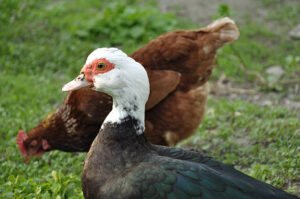
Certain duck breeds are more susceptible to feather mite and lice infestations due to their physical characteristics, living conditions, and other unique factors. One such breed is the Muscovy duck, known for its heavy body and dense plumage. The Muscovy’s underdeveloped preening habits and the structure of its feathers make it particularly vulnerable to mite and lice infestations, as the parasites can easily become trapped within the feather shafts and remain undetected until populations grow. Additionally, the Muscovy duck’s preference for nesting in shaded, humid environments provides an ideal breeding ground for these parasites, increasing the likelihood of infestation.
The Khaki Campbell duck is another breed that faces a higher risk of infestation. Due to its high egg production and frequent laying behavior, the Khaki Campbell duck often experiences stress-related immune suppression, making it more prone to external parasites like feather mites and lice. The close confinement in commercial egg-laying operations exacerbates the risk, as poor ventilation and overcrowding contribute to the rapid spread of these pests. Moreover, the breed’s rapid growth rate may lead to underdeveloped feathers that cannot effectively repel or shed mites and lice, further increasing the likelihood of infestation.
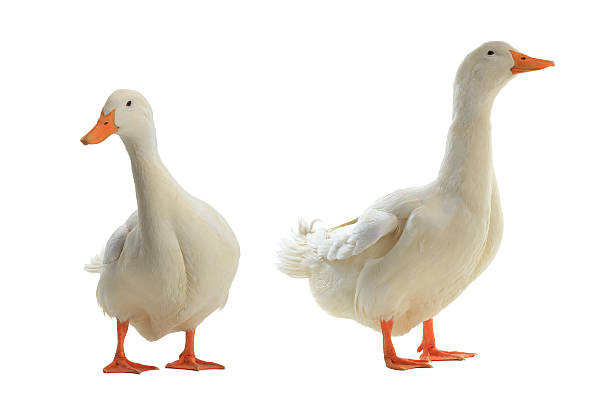
In comparison, the Pekin duck is also at risk, particularly when raised in intensive farming systems. Pekin ducks are typically reared in densely packed environments with minimal space for movement and grooming, which impairs their ability to maintain clean plumage and reduce parasite build-up on their feathers. Additionally, the soft, down-like feathers of young Pekin ducks are highly attractive to feather mites, as they provide an optimal environment for feeding and reproduction. The slow growth rate of some commercial Pekin duck varieties may also contribute to a weakened immune system, making them more susceptible to infestations.
These examples illustrate how different duck breeds can be affected by feather mites and lice due to their physical traits, living conditions, and other environmental factors. Understanding the specific vulnerabilities of each breed is essential for implementing targeted prevention and treatment strategies to mitigate the impact of these parasites on duck health and productivity.
Impact on Different Life Stages of Ducks
Feather mites and lice can affect ducks at all life stages, but the consequences of infestation may vary depending on the duck’s age and biological maturity. Juvenile ducks are particularly vulnerable, as their immune systems are still developing and may struggle to combat the stress and physical irritation caused by these parasites. Infected young ducks may experience stunted growth, delayed maturation, and an increased risk of secondary infections due to compromised skin integrity from excessive grooming. The presence of feather mites and lice can also interfere with the development of a strong plumage, which is essential for thermoregulation and flight preparation. Without proper feather development, ducklings may be less likely to survive harsh environmental conditions and more prone to predation.
In adult ducks, the impact of feather mite and lice infestations extends to reproductive performance and overall productivity. Laying ducks, particularly in commercial egg production, may experience reduced egg yields as a result of stress and energy depletion caused by constant irritation and grooming behaviors. The physical discomfort and nutritional drain from infestation can lead to smaller egg sizes, lower hatching rates, and even complete cessation of egg production in severe cases. For meat ducks, the presence of these parasites can hinder weight gain and feed efficiency, ultimately affecting marketability and profitability. In both scenarios, the decline in productivity due to feather mites and lice infestations can have significant economic implications for duck farmers, highlighting the importance of early detection and treatment.
Diagnosis of Feather Mite and Lice Infestations in Ducks
Accurate diagnosis of feather mite and lice infestations in ducks is essential for implementing effective treatment and prevention strategies. The process typically involves a combination of visual inspections, laboratory tests, and collaboration with veterinary professionals to confirm the presence of these parasites.
Visual inspection is the first step in identifying feather mites and lice in ducks. Close examination of the plumage, particularly around the neck, wings, and vent area, can reveal the presence of moving lice or tiny, embedded mites. Lice are often visible to the naked eye as small, flat-bodied insects, while feather mites may be more difficult to detect due to their minuscule size and cryptic behavior. Ducks affected by infestations may exhibit excessive preening, feather damage, or the presence of small black specks—lice droppings—on their feathers. The appearance of irritation and skin damage can also serve as strong indicators of infestation.
To confirm a diagnosis, laboratory tests may be necessary, particularly for detecting feather mites, which can be challenging to observe without specialized equipment. Microscopy is a common method used to identify mites on duck feathers or within the environment. Collecting combings or washings from infested feathers can provide samples for microscopic analysis, allowing for the identification of mite species and the severity of the infestation. Additionally, environmental testing of bedding materials and nesting areas can help determine the extent of mite or lice presence within a duck house or enclosure.
Given the difficulty in distinguishing certain species of mites and lice, consulting with a veterinary professional is often recommended for accurate diagnosis. Specialists can perform more advanced diagnostic procedures and provide guidance on targeted treatment options. Early detection through these diagnostic methods is crucial for preventing the spread of infestations and ensuring the health and productivity of the duck population.
Treatment Methods for Feather Mite and Lice Infestations in Ducks
Effectively treating feather mite and lice infestations in ducks requires a combination of chemical and non-chemical interventions, tailored to both the individual ducks and their environment. Chemical treatments are often the first line of defense, as they can quickly eliminate existing infestations. Insecticides such as permethrin, pyrethrin, or malathion are widely used to kill lice and mites on infested ducks. These products are available in various forms, including sprays, pour-ons, and dusts, and should be applied carefully according to the manufacturer’s guidelines to avoid toxicity or resistance development. Oral antiparasitic medications like ivermectin may also be administered to ducks with severe infestations, as it can target mites and lice that feed on the skin and feathers.
Spot-on treatments are another effective chemical option for controlling mites and lice in ducks. These formulations, such as fipronil-based spot-ons, are applied directly to the skin at the back of the neck or along the spine, ensuring efficient absorption and long-lasting protection. These products are particularly useful for treating individual ducks within a larger flock, as they do not require full immersion or spraying. For lice specifically, dusting powders containing insecticides can be applied directly to the feathers, ensuring thorough coverage and sustained efficacy.
Non-chemical alternatives are also valuable in managing and preventing reinfestation. Diatomaceous earth, a fine powder made from fossilized remains of diatoms, can be sprinkled into nesting areas and bedding to dehydrate and kill mites and lice. Improving hygiene is essential, as regular cleaning of duck enclosures, removal of contaminated bedding, and proper waste management can significantly reduce mite and lice populations. In addition, applying essential oil-based repellents, such as neem oil or eucalyptus oil, can help deter mites and lice without the use of synthetic chemicals.
Combining these treatment methods with environmental management and regular monitoring ensures comprehensive control of feather mite and lice infestations in ducks.
Prognosis and Complications of Untreated Feather Mite and Lice Infestations in Ducks
The prognosis for ducks infested with feather mites and lice depends on the severity of the infestation and the timeliness of treatment. When identified and addressed early, feather mite and lice infestations can typically be eradicated with appropriate chemical or non-chemical interventions, allowing the ducks to recover without long-term consequences. However, delayed treatment significantly increases the risk of complications, including chronic stress, immunosuppression, and secondary infections. Prolonged exposure to these parasites weakens the ducks’ immune systems, making them more susceptible to bacterial and viral diseases. Additionally, the constant irritation and physical damage to the skin and feathers can lead to open wounds and increased susceptibility to sepsis or fungal infections.
In untreated cases, feather mite and lice infestations can result in significant economic losses for duck keepers and farmers. The distress caused by these parasites often leads to reduced feed intake, lower weight gain, and poor reproductive performance in laying and meat ducks. As a result, commercial duck farms may experience decreased egg yields, stunted growth in meat ducks, and increased culling rates. In severe infestations, ducks may suffer from anemia due to blood loss from lice feeding, further compromising their health and productivity. Additionally, the cost of treating heavily infested flocks—especially when broad-spectrum medications or repeated treatments are necessary—can be substantial.
The long-term consequences of untreated infestations extend beyond individual ducks to entire flocks. If left unchecked, these parasites can establish persistent populations within farming or backyard environments, leading to recurring outbreaks and ongoing health challenges. Implementing early detection and consistent preventive measures is crucial to minimizing the economic and health risks associated with feather mite and lice infestations in ducks.
Prevention Strategies for Feather Mite and Lice Infestations in Ducks
Preventing feather mite and lice infestations in ducks is essential for maintaining their health and productivity. One of the most effective strategies is maintaining high levels of hygiene in duck enclosures. Regular cleaning of bedding, feeding areas, and water sources helps eliminate potential breeding sites for these parasites. Removing contaminated litter and replacing it with clean, dry materials can significantly reduce the risk of infestation. Additionally, proper ventilation in duck houses is crucial, as feather mites and lice thrive in damp, poorly aired environments. Ensuring that enclosures have adequate airflow can help prevent the accumulation of moisture, which is essential for the survival of these pests.
In addition to environmental hygiene, regular inspections of ducks for signs of infestation are critical for early detection and intervention. Farmers and duck keepers should examine their flock at least once a week, particularly around the neck, wings, and vent area, where lice and feather mites are most commonly found. Spotting these parasites in their early stages allows for prompt treatment, reducing the likelihood of a full-blown infestation spreading throughout the flock.
Implementing preventive treatments, such as the application of diatomaceous earth or insecticidal dusts in nesting areas, can help deter mites and lice before an infestation becomes severe. These treatments can be used in conjunction with routine cleaning to provide long-term protection. Additionally, maintaining biosecurity measures, such as isolating new ducks before introducing them to the flock, can prevent the accidental introduction of these parasites. By adhering to these preventive strategies, duck keepers can significantly reduce the risk of feather mite and lice infestations, ensuring a healthier and more productive flock.
Diet and Nutrition in Preventing and Managing Feather Mite and Lice Infestations in Ducks
A well-balanced diet plays a crucial role in preventing and managing feather mite and lice infestations in ducks. Nutrition directly impacts the immune system, skin health, and feather resilience, all of which influence a duck’s susceptibility to these external parasites. Ducks with optimal nutrition are better equipped to resist infestations and recover more quickly if affected.
Feathers, which are primarily composed of keratin, require adequate protein intake for proper growth and maintenance. A diet rich in protein sources such as soybean meal, fish meal, and high-quality grains supports the development of strong, healthy plumage that is less vulnerable to mite and lice infestations. Amino acids like methionine and lysine are particularly important for feather development and the production of keratin, which helps maintain the structural integrity of the feathers and reduces the likelihood of mites and lice finding entry points.
In addition to protein, vitamins and minerals play a vital role in enhancing the ducks’ immune response. Vitamin A, for example, supports skin and mucous membrane health, acting as a barrier against parasitic infestations. Vitamin D and calcium are also essential for maintaining a strong immune system and promoting overall health. Supplementation with vitamin B complex can further improve feather quality and reduce the risk of infestations by supporting proper metabolism and keratinization.
Hydration is another critical factor, as ducks require access to clean, fresh water for optimal health. Dehydration can lead to weakened immune function and increased susceptibility to parasitic infestations. Ensuring that ducks receive a nutritious diet and have constant access to water is essential in reducing their vulnerability to feather mites and lice while promoting long-term health and productivity.
Zoonotic Risk of Feather Mites and Lice in Ducks
The zoonotic transmission potential of feather mites and lice from ducks to humans is an important consideration, particularly for individuals who work closely with these birds. Feather mites, such as Dermanyssus gallinae (the poultry red mite), are known for their ability to parasitize both birds and mammals, including humans. These mites can leave behind biting marks and cause skin irritation in people who have prolonged exposure to infected birds or their living environments. While feather mites do not establish long-term infestations on humans, their bites can lead to allergic reactions and discomfort, especially in individuals with sensitive skin or pre-existing conditions.
Lice, on the other hand, are generally bird-specific parasites and are not considered a direct zoonotic risk. Lice infesting ducks, such as Anaticola anatis, are adapted to avian physiology and typically cannot survive or reproduce on human hosts. However, close contact with heavily infested ducks or their contaminated environments may increase the risk of secondary skin irritation or allergic responses due to the presence of lice debris or droppings. In rare cases, individuals with compromised immune systems may experience more severe reactions to lice infestations, even if the parasites do not establish a direct infestation on the skin.
To minimize the risk of transmission from ducks to humans, it is crucial to maintain proper hygiene practices, including thorough handwashing after handling ducks or cleaning their enclosures. Additionally, wearing protective clothing, such as gloves and long sleeves, when working in duck housing can reduce direct contact with infested birds and their feathers. If symptoms such as skin irritation or persistent itching occur after exposure, it is advisable to seek medical attention and consult with a healthcare professional familiar with zoonotic disease risks. By implementing preventive measures and practicing good personal hygiene, the risk of zoonotic transmission from feather mites and lice in ducks can be effectively mitigated.





Add comment