

Ferrets, with their playful antics, sleek bodies, and inquisitive nature, have captivated the hearts of many pet owners around the globe. Yet, despite their growing popularity, these enchanting mustelids remain shrouded in a thick fog of misinformation and common misconceptions. From their temperament to their hygiene, their dietary needs to their legal status, a plethora of myths continue to circulate, often deterring potential owners or leading to improper care.
This comprehensive guide aims to shine a bright light on the truth, meticulously separating fact from fiction. By debunking these pervasive ferret myths, we hope to foster a deeper understanding, encourage responsible ownership, and celebrate the unique charm of these often-misunderstood creatures. Join us on a journey to uncover the real ferret, dispelling the falsehoods one myth at a time.
Introduction to the World of Ferrets
Before diving into the debunking, let’s briefly appreciate the ferret. Mustela putorius furo, the domestic ferret, is a small, carnivorous mammal belonging to the family Mustelidae, which also includes weasels, badgers, otters, and polecats. They have been domesticated for thousands of years, primarily for hunting rabbits (ferreting) and rodent control. Their long, slender bodies, short legs, and playful personalities make them endlessly fascinating companions. However, it is precisely this unique combination of characteristics, coupled with a history often intertwined with wild relatives, that has fueled many of the enduring myths we are about to dismantle.
The Importance of Accurate Information: Misinformation about any pet can have serious consequences. For ferrets, these consequences can range from inadequate nutrition and preventable health issues to behavioral problems stemming from a lack of understanding. It can also unfairly tarnish their reputation, leading to unwarranted fear or prejudice. By arming ourselves with accurate knowledge, we can ensure ferrets receive the best possible care and are appreciated for the wonderful animals they truly are.
Section 1: General Misconceptions about Ferret Behavior & Personality
Perhaps the most common myths surrounding ferrets pertain to their innate nature and how they interact with the world and their human companions. These misconceptions often paint a picture that is far from reality.
Myth 1: Ferrets are mean, aggressive, or prone to biting.
Debunked: This is one of the most damaging myths and a significant deterrent for many potential owners. While ferrets can bite, particularly when young or untrained, they are not inherently mean or aggressive.
- The Reality of “Nipping”: Young ferrets, much like puppies or kittens, explore the world with their mouths. They “nip” as part of play, testing boundaries. This nipping, while sometimes sharp, is very different from an aggressive bite. With consistent, positive reinforcement training (e.g., scruffing gently, time-outs, bitter apple spray, replacing fingers with appropriate toys), ferrets quickly learn bite inhibition.
- Fear vs. Aggression: An older ferret who bites aggressively is usually doing so out of fear, pain, or prior mistreatment. A well-socialized ferret from a reputable breeder or rescue will typically be curious and friendly.
- Individual Personalities: Like any animal, ferrets have distinct personalities. Some are more laid-back, while others are more energetic. Some are naturally more mouthy, while others are very gentle. Owners who understand these nuances can tailor their training and interaction style accordingly.
- Proper Introduction: When introducing a ferret to new people or pets, it’s crucial to do so calmly and slowly, allowing the ferret to acclimate and feel secure. This minimizes stress and potential defensive behaviors.
Myth 2: Ferrets are rodents or are closely related to rodents.
Debunked: This is a fundamental biological misunderstanding. Ferrets are absolutely not rodents.
- Mustelid Family: As mentioned, ferrets belong to the family Mustelidae, which are carnivores. Their closest wild relatives include polecats, weasels, mink, and stoats.
- Rodent Characteristics: Rodents (like rats, mice, hamsters, guinea pigs) are characterized by continuously growing incisors and a herbivorous or omnivorous diet. Their digestive systems are designed for plant matter.
- Ferrets are Carnivores: Ferrets are obligate carnivores, meaning their diet consists solely of meat. Their digestive system is short and designed to process animal protein and fat, not plant material. A quick look at their sharp, pointed teeth (canines and carnassials) further confirms their predatory nature, entirely distinct from the gnawing teeth of a rodent.
- Appearance: While ferrets have long tails and slender bodies, which might superficially resemble some large rodents, their skull structure, gait, and overall anatomy are entirely different.
Myth 3: Ferrets are solitary animals.
Debunked: While a single ferret can thrive with enough human interaction, ferrets are naturally social animals and often benefit greatly from the companionship of other ferrets.
- “Business” of Ferrets: A group of ferrets is called a “business,” a testament to their social nature. In the wild, polecats (their ancestors) often live in family groups.
- Play and Interaction: Ferrets love to wrestle, chase, and “weasel war dance” with each other. This social play is crucial for their mental and physical well-being. Having a companion can alleviate boredom and loneliness, especially if their human owners are away for extended periods.
- Bonding: Ferrets often form strong bonds with their cage mates, grooming each other and sleeping in intertwined piles.
- Considerations: If you decide to get multiple ferrets, proper introductions are key, and ensuring you have enough space, food bowls, and litter boxes for all is essential. However, many owners happily keep a single ferret who receives ample attention and playtime from their human family.
Myth 4: Ferrets are nocturnal.
Debunked: Ferrets are not strictly nocturnal. They are actually crepuscular, meaning they are most active during dawn and dusk.
- Sleep Patterns: Ferrets sleep a great deal – up to 75% of the day! However, they tend to wake up for bursts of activity when their humans are typically awake (morning and evening).
- Adaptability: They are also quite adaptable. A ferret’s schedule often adjusts to its owner’s routine. If you work during the day and are active in the evenings, your ferret will likely be most active when you are available to play.
- Nighttime Sleep: At night, most ferrets will go to sleep when their environment quiets down, rising again with the morning light. This makes them surprisingly good pets for people with regular work schedules.
Myth 5: Ferrets are destructive.
Debunked: While ferrets are incredibly curious and prone to “getting into things,” this behavior is rooted in their natural instincts, not malicious destructiveness. With proper ferret-proofing and enrichment, they are no more destructive than a curious cat or dog.
- Natural Instincts: Ferrets are burrowing animals by nature. They love to dig, stash, and explore tight spaces. This means they will investigate every nook and cranny in your home.
- Ferreting Out: Their instinct is to “ferret out” prey from burrows. This translates to pushing under furniture, digging in planters, and exploring cabinets.
- Ferret-Proofing is Key: A ferret-proofed home is essential. This involves:
- Blocking off all small openings (under appliances, behind cabinets).
- Securing toxic substances and fragile items.
- Protecting electrical cords (they love to chew on anything).
- Removing foam or rubber items (they can ingest these, leading to intestinal blockages).
- Enrichment: Providing appropriate outlets for their natural behaviors (e.g., digging boxes with rice or shredded paper, tunnels, puzzle toys) can redirect their energy away from potentially destructive activities. A bored ferret is more likely to create mischief.
Myth 6: Ferrets are dumb and untrainable.
Debunked: Ferrets are surprisingly intelligent and can be trained, though their motivation and learning style differ from a dog or cat.
- Litter Training: Ferrets can be litter trained, though they have a unique preference for going in corners. Consistency, positive reinforcement, and strategically placed litter boxes are key. They are generally not as 100% reliable as some cats, but most can be trained to use a box consistently.
- Leash Training: Many ferrets can be harness and leash trained, enjoying walks outdoors.
- Trick Training: With patience and tasty treats (ferret-safe meat paste or salmon oil), ferrets can learn simple tricks like coming when called, sitting up, or even weaving through legs.
- Problem Solvers: Their curiosity often translates into problem-solving skills, whether it’s figuring out how to open a cabinet or escape a seemingly secure enclosure.
- Short Attention Spans: The challenge with ferret training often lies in their short attention spans and independent nature. Training sessions need to be brief, fun, and highly rewarding.
Section 2: Health & Hygiene Myths
Healthcare and cleanliness are areas where many misconceptions about ferrets persist, often leading to inappropriate care practices and unnecessary procedures.
Myth 7: Ferrets are naturally stinky/smelly animals.
Debunked: This myth is perhaps the most persistent and unfairly attributed characteristic of ferrets. While ferrets do have a distinct, somewhat musky scent, it is not inherently “stinky” in a negative way, and often, what people perceive as “stink” is due to poor husbandry or unneutered animals.
- Natural Musk: Ferrets possess sebaceous glands throughout their skin that produce a musky odor. This is a natural scent marker, akin to a dog’s “doggy smell.” This scent is more pronounced in intact (unspayed/unneutered) ferrets, especially males during breeding season. Most pet ferrets in the US are descented and neutered/spayed before sale, which significantly reduces the intensity of this musk.
- Anal Glands: Ferrets have anal glands, just like skunks and dogs. When startled or scared, they can “express” these glands, releasing a pungent, temporary odor. However, descenting surgery (which removes these glands) is largely unnecessary as this is an infrequent occurrence and the odor dissipates quickly. The myth that descenting eliminates all ferret odor is false because the sebaceous glands remain.
- Key Factors Influencing Odor:
- Intact Ferrets: Unneutered males especially have a strong, distinct odor. Spaying/neutering dramatically reduces this. Most pet ferrets are altered before sale.
- Poor Hygiene: Infrequent cleaning of litter boxes, bedding, and cages is the primary source of truly foul odor. Urine and feces smell, regardless of the animal.
- Diet: A poor-quality diet can manifest in skin and coat issues, leading to a stronger, more unpleasant body odor. A high-quality, meat-based diet is essential.
- Ear Wax: Ferrets produce a lot of ear wax, which can be dark and have an unusual odor. Regular ear cleaning is important.
- Dental Health: Like any animal, poor dental hygiene can lead to bad breath.
- Conclusion: A well-cared-for, spayed/neutered ferret with a clean environment and good diet will have a mild, musky scent that most owners find unobtrusive, and many even grow to appreciate. It is rarely the overpowering, unpleasant smell often described in myths.
Myth 8: Descenting removes ferret odor and is a necessary surgery.
Debunked: This is a widespread and harmful myth that leads to unnecessary surgery for ferrets.
- Anal Gland Removal: “Descenting” surgery involves the removal of the ferret’s anal glands, which are the source of the extremely pungent, skunk-like odor released when a ferret is frightened or startled. This scent is typically expressed voluntarily and rarely.
- Musk Remains: Crucially, this surgery does not remove the ferret’s general body odor (musk), which comes from the sebaceous glands in their skin. These glands continue to produce scent regardless of whether the anal glands are present.
- Unnecessary Procedure: For most pet ferrets, descenting is medically unnecessary. The anal gland expression is a defensive mechanism, and the scent dissipates quickly. Many rescue organizations and knowledgeable vets advocate against it unless there’s a specific medical reason (e.g., recurrent impaction or infection of the glands), as it’s an invasive surgery with potential risks.
- Why the Myth Persists: The myth likely persists because most ferrets sold in pet stores in the US are descented and altered (spayed/neutered) at a young age. The combination of spaying/neutering (which does significantly reduce the general musk) and the prior descenting leads people to believe the latter was the primary reason for the reduced smell.
Myth 9: Ferrets don’t need regular veterinary care or vaccinations.
Debunked: This is a dangerous myth that leaves ferrets vulnerable to serious, often fatal, diseases. Ferrets absolutely require specialized veterinary care and vaccinations.
- Annual Vet Visits: Like cats and dogs, ferrets need annual check-ups. Ferret-savvy veterinarians can detect subtle signs of illness early, which is crucial as ferrets are masters at hiding pain and discomfort.
- Vaccinations:
- Canine Distemper Virus: This is a highly contagious and almost always fatal disease in ferrets. Vaccination is absolutely critical and begins when they are kits, followed by boosters.
- Rabies Virus: Rabies is also fatal and can be transmitted to humans. Vaccination is legally required in many areas.
- Common Ferret Diseases: Ferrets are unfortunately prone to several serious health conditions, particularly as they age:
- Adrenal Gland Disease: A very common hormonal imbalance that can cause hair loss, itching, behavioral changes, and muscle wasting. It often requires medical or surgical management.
- Insulinoma: Cancer of the pancreas that leads to dangerously low blood sugar. Symptoms include lethargy, drooling, staring into space, and seizures. It requires lifelong medical management.
- Lymphoma: A common cancer that can affect various organs.
- Dental Disease: Very common and requires professional cleaning.
- Heart Disease: Dilated cardiomyopathy is not uncommon.
- Specialized Vets: It’s crucial to find a veterinarian experienced with ferrets, as their anatomy, physiology, and medication dosages differ significantly from other common pets.
Myth 10: Ferrets can eat any pet food.
Debunked: This is a very harmful myth that can lead to severe nutritional deficiencies and life-threatening health issues. Ferrets have very specific dietary requirements as obligate carnivores.
- Obligate Carnivores: This means their diet must consist almost entirely of animal protein and fat. Their short digestive tract cannot efficiently process plant matter, fiber, or carbohydrates.
- High Protein, High Fat, Low Fiber: The ideal ferret diet should be:
- 30-40% animal protein (not plant protein like corn or soy).
- 18-30% fat.
- Very low fiber (less than 3%).
- Inappropriate Foods: You should never feed a ferret:
- Dog Food: Too low in protein and fat, too high in plant matter.
- Cat Food (most): While some very high-quality kitten foods might be acceptable in a pinch, most adult cat foods are still not ideal due to carbohydrate content.
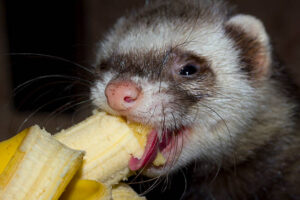
- Fruits and Vegetables: Cannot be digested, can cause blockages (especially sticky, fibrous items).
- Sugary Treats (candy, chocolate): Can lead to dental issues, obesity, and insulinoma.
- Dairy Products: Lactose intolerant.
- Appropriate Foods: The best choices include:
- High-quality commercial ferret kibble: Specifically formulated for ferrets (e.g., Wysong Ferret Epigen 90, Zupreem Ferret Diet, Mazuri Ferret Diet). Read labels carefully to ensure meat is the first ingredient.
- Raw Prey Diet: For experienced owners, a balanced raw diet of whole prey or muscle meat, organ meat, and bone can be excellent, but requires careful research and balancing.
- Meat-based Treats: Small pieces of cooked meat, salmon oil, or meat-based treats designed for ferrets.
- Impact of Poor Diet: A diet lacking proper nutrition can lead to gastrointestinal issues, poor coat quality, weakened immune system, and increased risk of chronic diseases like adrenal disease and insulinoma.
Myth 11: Ferrets need to be bathed frequently.
Debunked: Quite the opposite! Frequent bathing is detrimental to a ferret’s skin and coat health.
- Drying Effect: Bathing a ferret too often strips their skin and coat of essential natural oils.
- Increased Oil Production: When these oils are removed, the ferret’s body compensates by overproducing oil, which paradoxically can make their musk stronger and their skin drier and itchier.
- Stress: Baths can also be stressful for ferrets.
- When to Bathe: Bathe only when absolutely necessary (e.g., they’ve gotten into something truly messy or have a topical medication applied). Even then, use a ferret-specific or mild, tearless puppy shampoo and rinse thoroughly. No more than once a month, preferably less often.
- Alternatives to Bathing:
- Regular cage cleaning.
- Wiping down with a damp cloth if they’re a bit dirty.
- “Dry baths” using cornstarch to absorb excess oil (brush out thoroughly).
- Maintaining a high-quality diet for optimal skin health.
Myth 12: Ferrets live a long time (10+ years).
Debunked: While individual ferrets might occasionally reach 10-12 years, the average lifespan is considerably shorter.
- Average Lifespan: The average lifespan of a domestic ferret is typically 5-8 years.
- Factors Affecting Lifespan:
- Genetics: Genetic predispositions to certain diseases play a large role.
- Diet: A high-quality diet contributes significantly to longevity.
- Veterinary Care: Regular check-ups and early detection/treatment of diseases like adrenal disease, insulinoma, and lymphoma are critical.
- Environment: A safe, stimulating environment reduces stress and promotes well-being.
- Common Diseases Impacting Lifespan: The prevalence of diseases such as adrenal gland disease, insulinoma, and various cancers significantly impacts the average lifespan of ferrets, especially in commercial pet store lines. Many ferrets begin to show signs of these conditions by age 3-5.
- Responsible Breeding: Breeders focused on health and longevity can produce ferrets with a reduced risk of some hereditary conditions, but these diseases are still very common.
Myth 13: Ferrets don’t feel pain or get sick easily, or they show obvious signs of illness.
Debunked: This is a dangerous misconception. Ferrets are incredibly stoic animals and are adept at hiding pain and illness, a survival instinct from their wild ancestors.
- Hiding Illness: In the wild, showing weakness makes an animal vulnerable to predators. Domestic ferrets retain this instinct, often masking symptoms until an illness is advanced or severe.
- Subtle Signs: Owners must be highly observant and vigilant for subtle changes in behavior, appetite, or activity levels.
- Decreased Appetite/Thirst: Even a slight reduction.
- Lethargy: Sleeping more than usual, less interested in play.
- Changes in Stool: Diarrhea, unusual color, odd consistency.
- Changes in Urination: Straining, increased frequency, unusual color.
- Weight Loss: Often subtle but significant.
- Grinding Teeth: A sign of pain.
- Drooling/Pawing at Mouth: Can indicate nausea or dental issues.
- Hair Loss: A classic sign of adrenal disease.
- Difficulty Breathing/Coughing: Suggests respiratory issues.
- Immediate Vet Attention: Any sustained change in a ferret’s normal behavior warrants an immediate visit to a ferret-savvy veterinarian. Delay can be fatal. Ferrets can go downhill very quickly once symptoms become obvious.
Section 3: Legal & Ethical Misconceptions
The legal status and perceived environmental impact of ferrets are often misunderstood, leading to bans or unwarranted fear.
Myth 14: Ferrets are illegal everywhere / they are wild animals.
Debunked: While there are specific regions where ferrets are illegal, they are legal in the vast majority of the United States and many other countries. Furthermore, they are domesticated animals, not wild.
- Legal Status:
- United States: Ferrets are legal to own as pets in most states. Notable exceptions include California and Hawaii, where ownership is banned. Some cities or counties within otherwise legal states may also have bans or require special permits. It is crucial for prospective owners to check local and state regulations.
- International: Legal status varies widely by country. For example, they are generally legal in Canada and most of Europe but restricted or banned in places like Australia and New Zealand due to invasive species concerns (related to historical feral populations, not typically escaped pets).
- Domesticated Animals: Ferrets (Mustela putorius furo) have been domesticated for thousands of years, primarily for hunting (ferreting) and pest control. They are genetically distinct from their wild ancestor, the European polecat (Mustela putorius).
- Behavioral Differences: Domestic ferrets are generally tamer, less wary of humans, and rely on human care for survival. They lack the strong survival instincts and fear of humans that wild polecats possess.
- Appearance Differences: While similar, domestic ferrets exhibit a wider range of coat colors and can be slightly larger and heavier than polecats.
Myth 15: Ferrets are a significant threat to local wildlife if they escape.
Debunked: While any non-native species can pose an ecological threat, a typical escaped domestic ferret is generally not a significant long-term threat to local wildlife in most environments. This myth often conflates escaped pets with historical, established feral populations in specific regions.
- Survival in the Wild: Domestic ferrets are poorly equipped for survival in the wild.
- Lack of Instinct: They often lack the honed hunting instincts and fear of predators that wild mustelids possess.
- Physical Conditioning: Their bodies are accustomed to soft living, not rigorous hunting and extreme weather. They often struggle to find food and shelter.
- Vulnerability: They are highly susceptible to predators (hawks, owls, coyotes, large cats) and often succumb to starvation, dehydration, or traffic.
- Descenting/Neutering: Most pet ferrets are descented and spayed/neutered. These procedures further reduce their ability to survive and reproduce in the wild.
- Invasive Species Context (Historical): The concern about ferrets as an invasive species primarily stems from historical introductions (e.g., in New Zealand and Australia, where they were deliberately introduced in the 19th century to control rabbits). These populations became feral and did have a significant negative impact on native ecosystems, which were highly vulnerable to mammalian predators. This is a very different scenario from a single, domesticated pet escaping into a typical suburban or rural environment.
- Responsible Ownership: The primary concern for an escaped pet ferret should be its own safety and recovery. However, responsible pet ownership always includes preventing escapes to begin primarily.
Section 4: Care & Training Myths
Misconceptions about ferret care often lead to less-than-ideal living conditions or missed opportunities for bonding and training.
Myth 16: Ferrets can be litter trained exactly like cats.
Debunked: While ferrets can be litter trained, their method and reliability differ significantly from cats.
- Corner Preference: Ferrets have a strong instinct to back into a corner to relieve themselves. This means litter boxes need to be placed in corners, and often, multiple boxes are required throughout their living space (both cage and play areas).
- Not 100% Reliable: Ferrets are generally not as fastidious as cats. They might have accidents outside the box (especially when distracted by play or when an area isn’t designated for elimination). Consistency, praise, and gentle redirection are key.
- Litter Type: Dust-free, pelleted litter (paper, wood, or recycled newspaper pellets) is best. Clay litters are dusty and can cause respiratory issues or blockages if ingested.
- Patience and Consistency: Training takes patience. If a ferret has an accident, clean it thoroughly with an enzymatic cleaner to remove the scent, and place a litter box in that spot. Never punish a ferret for an accident; they won’t understand.
Myth 17: Ferrets need very large cages.
Debunked: While a spacious, multi-level cage is beneficial, the size of the cage is less critical than the amount of supervised out-of-cage playtime a ferret receives.
- Sleepers: Ferrets sleep up to 75% of the day. A clean, comfortable, multi-level cage with hammocks, tunnels, and sleeping areas is perfectly adequate for their resting hours.
- Out-of-Cage Time is Essential: What ferrets truly need is several hours a day of supervised play and exploration outside their cage. This provides the mental and physical stimulation they crave.
- Types of Cages: Multi-level “ferret nation” or “critter nation” style cages are popular because they offer space to climb and attach accessories, but the key is that the cage is a safe, enriching base, not their entire world.
- Enrichment within the Cage: Even in a suitable cage, adding tunnels, soft bedding, and rotating toys helps keep them entertained during their awake periods inside.
Myth 18: Ferrets don’t need toys or much enrichment.
Debunked: Ferrets are highly intelligent, curious, and playful animals that require significant mental and physical enrichment to thrive. A lack of stimulation leads to boredom, which can manifest as lethargy, stress, or destructive behaviors.
- Playful Nature: Ferrets are famous for their “weasel war dance” – a joyous, bouncy display of pure exuberance during play. This testifies to their need for fun!
- Types of Enrichment:
- Tunnels and Tubes: Mimic their natural burrowing behavior.
- Digging Boxes: Filled with rice, unpopped popcorn, shredded paper, or fabric strips (ensure materials are safe and non-ingestible).
- Crinkle Toys: Mylar blankets, crinkle balls.
- Soft Toys: Plush toys they can “kill” (ensure they are sturdy and don’t have small parts that can be chewed off and ingested).
- Puzzle Toys: Can hide treats inside.
- Interactive Play: Owners engaging with them using feather wands, laser pointers (with a physical reward at the end), or simply wrestling with hands (gently).
- Rotation: Regularly rotating toys keeps them novel and exciting, preventing boredom.
- Environmental Enrichment: Changing the layout of their play area, introducing safe new objects to explore, and different textures can also provide stimulation.
Myth 19: Ferrets are easy, low-maintenance pets.
Debunked: This is one of the most dangerous myths, as it often leads to neglect or unprepared owners. Ferrets are not low-maintenance pets; they require significant time, commitment, and specialized care.
- Time Commitment:
- Daily Playtime: Several hours of supervised out-of-cage playtime are essential.
- Cage Cleaning: Daily spot cleaning of litter boxes, weekly bedding changes, and regular deep cleaning of the cage are necessary to maintain hygiene and control odor.
- Feeding: Regular feeding and fresh water.
- Financial Commitment:
- Specialized Diet: High-quality ferret kibble is often more expensive than dog or cat food.
- Veterinary Care: Annual check-ups, vaccinations, and potential treatments for common ferret diseases can be costly. Finding an exotics vet may also cost more.
- Supplies: Cages, litter, bedding, hammocks, toys, and treats add up.
- Care Requirements:
- Ferret-Proofing: An absolute necessity for their safety and the integrity of your home.
- Health Vigilance: As discussed, ferrets hide illness well, requiring observant owners.
- Grooming: Regular nail trims, ear cleaning, and occasional bathing.
- Unique Needs: Their specific dietary needs, susceptibility to certain diseases, and social requirements mean they are not comparable to a goldfish or even a typical cat in terms of “easiness.” They are unique and wonderful, but demand dedicated attention.
Conclusion: Embracing the Truth of Ferret Companionship
The world of ferrets, when viewed through the lens of fact rather than fiction, reveals an animal far more complex, intelligent, and endearing than many myths suggest. They are not aggressive rodents, but playful, curious mustelids with distinct personalities. They are not inherently “stinky,” but rather possess a natural musk that, with proper hygiene and care, is easily managed. They are not low-maintenance; they are engaging companions who thrive on interaction, enrichment, and specialized veterinary attention.
By understanding and debunking these common myths, we empower ourselves to become better, more responsible ferret owners and advocates. We can appreciate ferrets for their unique charm – their mischievous curiosity, their joyous “weasel war dances,” their deep, rumbling dooks, and their affectionate cuddles.
Ferrets are a testament to the fact that sometimes, the truth is far more fascinating and rewarding than any fiction. They demand dedication, but in return, they offer an unparalleled connection and endless entertainment that enriches the lives of those willing to look beyond the myths and embrace the genuine wonder of these incredible creatures. If you are considering bringing a ferret into your home, arm yourself with knowledge, seek advice from experienced ferret owners and exotic veterinarians, and prepare for a journey filled with much joy and discovery.
#FerretMythsDebunked, #FerretFacts, #FerretCare, #PetFerrets, #FerretsOfInstagram, #MustelidLove, #ExoticPets, #FerretLife, #KnowYourFerret, #FerretHealth, #FerretCommunity, #FerretsAreNotRodents, #FerretsRule, #PetCareTips, #FerretLove, #FerretsAreAwesome, #MisconceptionsAboutFerrets, #Ferrets101, #ResponsiblePetOwnership, #TruthAboutFerrets



Add comment