
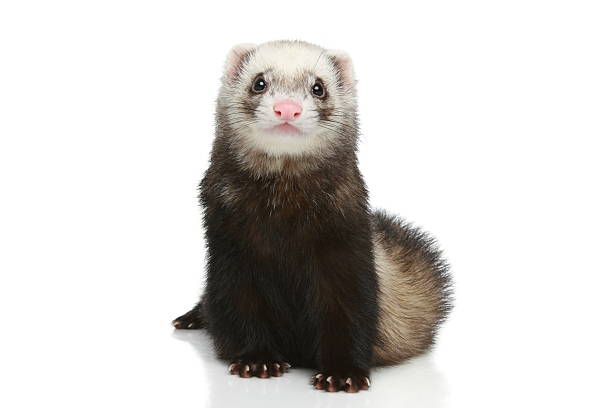
The landscape of Animal-Assisted Therapy (AAT) has historically been dominated by canines and, to a lesser extent, felines. However, as the therapeutic benefits of human-animal interaction become increasingly recognized, there is a growing interest in leveraging the unique temperaments of non-traditional companion animals. Among these unconventional candidates, the domestic ferret (Mustela putorius furo) stands out. Known for their playful curiosity, deep sleeping habits, and quiet demeanor, ferrets possess a distinct set of characteristics that make them surprisingly effective at providing comfort and distraction in clinical settings.
This comprehensive guide delves into the fascinating world of ferrets as therapy animals, meticulously examining their unique potential, the specialized training they require, the profound limitations they face in institutional settings, and the legal hurdles that prevent their widespread use.
I. Introduction to Animal-Assisted Therapy (AAT) and the Mustelid Candidate
Animal-Assisted Therapy (AAT) is a goal-oriented intervention where an animal meeting specific criteria is an integral part of the treatment process, guided by a healthcare professional. A related but less formal category is Animal-Assisted Activities (AAA), which are informal interactions designed purely for enjoyment and quality of life enhancement. Ferrets primarily excel in the AAA space, though their calming presence can contribute significantly to AAT goals.
The Rise of Non-Traditional Therapy Animals
While dogs offer unwavering loyalty and trainability, and cats provide quiet, vibrating comfort, there is a recognized need for smaller, less intimidating animals, particularly for populations who may fear large canines, or who are confined to small spaces. Mustelids, particularly the domestic ferret, offer a bridge between the small simplicity of pocket pets and the interactivity of larger mammals.
Historical Context: Ferrets and Human Interaction
Ferrets were domesticated over 2,500 years ago, primarily for pest control (ferreting). This long history of direct interaction has resulted in an animal that is highly socialized to humans, unlike many other exotic pets. They thrive on interaction, sleep for 75% of the day, and when awake, they are intensely curious—qualities that translate exceptionally well into therapeutic settings.
II. The Ferret’s Unique Suitability: Potential Advantages
The potential of the ferret in AAT is rooted deeply in its unique behavioral and physical attributes, which create specific therapeutic opportunities unavailable with dogs or cats.
1. Portability and Size
Ferrets rarely exceed five pounds and can be comfortably contained in a small carrier or held entirely within the arms of a patient.
- Hospital and Geriatric Settings: Their small size allows them to be easily transported through crowded hospital hallways or nursing home facilities. They can comfortably visit bedside, requiring minimal space, making them ideal for individuals who are bed-bound or in wheelchairs.
- Non-Intrusive Presence: For patients dealing with anxiety, chronic pain, or sensory overload (e.g., certain individuals with Autism Spectrum Disorder), the large size, noise, and energetic demands of a dog can be overwhelming. Ferrets offer a manageable, quiet, and easily observed alternative.
2. Temperament: Playfulness and Profound Sleep
The dual nature of the ferret—periods of intense, acrobatic play followed by deep, almost comatose sleep—is a significant therapeutic advantage.
- The Element of Distraction: The famous “weasel war dance”—a frantic, bobbing, open-mouthed jig—is inherently entertaining. Watching a ferret enthusiastically explore, tunnel, or stash toys provides instant, joyful distraction, invaluable for patients undergoing painful procedures or long-term recovery. This element of unexpected comedy can trigger laughter and temporary relief from stress hormones.
- The Power of Stillness: When ferrets sleep, they sleep deeply. A sleeping ferret is a perfect weighted companion, offering silent, tactile comfort. A patient can simply hold the warm, limp body of a sleeping ferret without worry that the animal will shift, wake easily, or require constant attention. This promotes mindfulness and relaxation.
3. Tactile and Sensory Input
Ferrets provide a rich, multi-sensory experience that is often highly therapeutic.
- Softness and Texture: A ferret’s coat is distinctively soft and smooth. Petting a ferret offers a different tactile experience than a dog or cat, often described as calming.
- Auditory Comfort: Ferrets are generally silent. Their primary vocalizations are soft dooking (a sign of happiness or excitement) or soft hiss-squeaks (when startled). The absence of barking or loud meowing makes them excellent visitors in silent wards or psychiatric units where noise can be detrimental.
- Deep Connection Through Curiosity: Their intense curiosity means they actively investigate their environment, often leading to gentle, investigative nose-pokes or pawing at the patient, fostering a sense of active connection and engagement that can combat feelings of isolation.
III. Specialized Training and Preparation for Therapy Work
A domestic ferret is not inherently ready for therapy work. Due to their specific behavioral instincts (nipping, short attention span), extensive socialization, training, and veterinary oversight are mandatory.
A. Early Socialization and Bite Inhibition
The most critical hurdle for a therapy ferret is mastering bite inhibition. Ferrets naturally “nip” in play, or as a means of communication, which is unacceptable in a clinical setting, especially with vulnerable populations (elderly skin, children).
- The “No-Nip” Protocol: Training must begin in kit-hood (baby ferrets). Methods include the use of bitter apple spray, firm ‘no’s, and time-outs in a carrier immediately following a nip. The ferret must learn that human skin is not a plaything. A successful therapy ferret should tolerate gentle handling, bathing, and nail clipping without attempting to nip, even when startled.
- Environmental Desensitization: Exposure is key. A potential therapy ferret must be accustomed to:
- Loud noises, alarms, and unexpected movements.
- The scent of hand sanitizer, hospital disinfectants, and medications.
- Medical equipment (wheelchairs, walkers, IV poles, oxygen masks).
- Being handled by multiple strangers, often awkwardly (e.g., people with limited mobility or tremors).
B. Hygiene and Handling Training
Therapy animals must be predictable and immaculate.
- Litter Box Reliability: While ferrets can be litter box trained, they are not 100% reliable. In AAT settings, they must be trained to use a litter box immediately upon waking and confined to a carrier with a pad during short visits. Constant vigilance is necessary to prevent accidents.
- Harness and Leash Proficiency: Ferrets must be comfortable wearing a snug H-style harness and walking on a lead, a skill necessary for navigating facility grounds or moving between rooms safely.
- Scent Management: Ferrets possess natural scent glands that contribute to their musky odor. While reputable breeders often spay/neuter and descent ferrets early, the musk remains. Therapy ferrets must be bathed regularly (but not excessively, which causes oil overload) and their bedding meticulously cleaned. The use of specialized, unscented wipes immediately prior to a visit is often required by institutions.
C. Certification and Assessment
Unlike many therapy dogs which can register through national organizations (e.g., Pet Partners), dedicated, widely recognized registration bodies for ferret therapy teams are scarce. Typically, ferret teams must register with organizations willing to accept non-traditional species, often requiring an intensive, one-on-one assessment that gauges:
- Response to stress and startling.
- Tolerance toward being held upside down or gently poked.
- Acceptance of strangers petting their face and tail.
- Reliability of litter training.
IV. Specific Therapeutic Applications
Where ferrets truly shine is in providing targeted relief for specific demographic groups and mental health conditions.
1. Geriatric Care and Dementia Wards
In nursing homes and assisted living facilities, ferrets are highly effective.
- Reminiscence Therapy: For elderly patients, especially those who grew up in agricultural settings or previously owned small pets, interacting with a ferret can trigger positive memories, improving mood and communication.
- Fine Motor Skills: Allowing patients to gently hold or feed a soft treat to a ferret encourages the use of fine motor skills, which can deteriorate rapidly without purpose.
- Low Energy Demand: Ferrets do not require a patient to walk them or throw a ball, making them perfect companions for low-mobility individuals.
2. Pediatric and Adolescent Mental Health
Children are often captivated by the ferrets’ playful nature.
- Focus and Attention: The playful antics serve as a powerful attractor for children struggling with distractibility or behavioral issues, encouraging sustained focus on a gentle interaction.
- Learning Responsibility: Under supervision, children can participate in simple care tasks (offering a supervised treat, arranging a blanket), fostering empathy and responsibility.
3. PTSD and Anxiety Disorders
For individuals suffering from Post-Traumatic Stress Disorder (PTSD) or severe generalized anxiety, the ferret offers a unique therapeutic benefit.
- Grounding Mechanism: The rhythmic breathing and gentle warmth of a deeply sleeping ferret resting on the chest can act as a grounding mechanism during panic or anxiety attacks.
- Sense of Control: Unlike larger animals, the ferret is entirely dependent on its keeper and the patient for safety, giving the handler a profound sense of control and purpose, which is highly beneficial for those who feel their environment is uncontrollable.
V. Critical Limitations and Institutional Hurdles
Despite their potential, ferrets face substantial limitations, which currently restrict their therapy work to niche areas and highly accommodating institutions. These challenges are often behavioral, logistical, or, most significantly, legal.
A. Behavioral and Biological Limitations
- Short Attention Span and Fragility: Ferrets have a naturally brief attention span and sleep cycle. A therapy session must be short (10–15 minutes) and carefully timed around the ferret’s natural waking cycle. Furthermore, their bodies are delicate, and inappropriate handling (squeezing, dropping) can cause serious injury, making their interaction with young children or severely impaired adults high-risk.
- Obligate Carnivores and Dietary Needs: Ferrets require specialized, high-protein diets and cannot be casually fed human foods, or even standard dog/cat treats. This restricts a therapeutic activity often enjoyed with dogs: offering snacks.
- The Odor Factor: While descented, the musky odor persists and is a major deterrent in sterile clinical environments. Many institutions have absolute zero-tolerance policies for animals that carry a noticeable scent, regardless of how faint, requiring exceptional cleanliness protocols that are difficult to guarantee consistently.
B. The Legal and Regulatory Quagmire
The single greatest barrier to widespread ferret therapy integration is their classification as “exotic” or “non-traditional” pets.
- Rabies Vector Status and Vaccination: Though ferrets are legally required to be vaccinated against rabies in most of the US, some jurisdictions still maintain fear or misconceptions regarding their potential as rabies vectors (even though susceptibility is low and they are not free-roaming). Many therapy animal policies require species that pose zero perceived rabies risk, and ferrets often fall into a legal gray area or are explicitly excluded.
- Distinction from Service Animals (ADA): The Americans with Disabilities Act (ADA) strictly protects only dogs (and miniature horses) as Service Animals. Therapy animals, including ferrets, are not protected under the ADA. This means facilities have the absolute right to refuse entry, regardless of the ferret’s training or certification.
- Facility Liability and Insurance: Liability insurance for therapy animal organizations is typically structured around established species (dogs/cats). Expanding coverage to include ferrets often involves higher premiums or outright refusal, due to the perceived risk of nipping, the challenge of proving training standards, and potential zoonotic concerns (see below).
C. Zoonotic and Health Concerns
Any animal used in AAT must pose minimal risk of transmitting illness.
- Influenza and Human Viruses: Ferrets are uniquely susceptible to the human influenza virus and can transmit it back and forth to handlers and patients. This makes their use in high-risk areas (like oncology or infectious disease wards) strictly prohibited, especially during flu season.
- Allergies: While often considered “hypoallergenic” compared to cats, ferrets still shed dander, saliva, and urine proteins that can trigger allergic reactions. Screening patients for ferret allergies is a necessary pre-visit step, adding complexity to scheduling.
VI. Ethical Considerations and Welfare Protocols
The welfare of the therapy ferret must supersede the therapeutic outcome for the patient. Ethical AAT practices place demanding restrictions on the animals involved.
1. Managing Stress and Fatigue
Ferrets are prone to “crashing” (hypoglycemia) if over-exercised or kept awake too long.
- Visit Duration and Frequency: Therapy sessions must be strictly limited in time (typically no more than 60–90 minutes total work time per day) and must include mandatory breaks for rest and hydration.
- Recognizing Stress Signals: Handlers must be experts at reading subtle ferret stress signals (excessive yawning, frantic attempts to retreat into a pocket or sleeve, excessive scratching) and terminate the visit immediately if stress is observed.
2. Veterinary Requirements and Lifespan
Therapy ferrets require specialized, frequent veterinary care.
- Routine Health Screening: In addition to mandatory distemper and rabies vaccinations, therapy ferrets must undergo regular parasite checks and screening for common ferret diseases, such as adrenal disease, insulinoma, and cardiomyopathy, all of which become more common as they age.
- Impact of Short Lifespan: Ferrets have a relatively short average lifespan (5–10 years). This means a therapy program must deal with the frequent “retirement” (or death) of animal partners, leading to necessary, but difficult, therapeutic conversations with long-term patients who bond deeply with the animal.
VII. Case Studies and Anecdotal Success
While formal randomized controlled trials involving ferret AAT are rare compared to canine AAT, anecdotal evidence from organizations specializing in exotic pets strongly supports their unique value in specific settings.
- Hospice Care Companionship: Ferrets have been successfully used in palliative and hospice care. Their ability to sleep heavily for long periods allows them to rest on a patient’s lap or chest for extended periods, offering silent, weighted comfort without demanding interaction—a quality highly valued by terminal patients who lack the energy for active engagement.
- Youth Detention Centers: In programs focusing on behavioral remediation, ferrets have shown an aptitude for teaching empathy. The fragility of the ferret requires careful handling, forcing participants to control their impulses and temper, thereby practicing emotional regulation through gentle interaction.
VIII. The Future Outlook for Ferret Therapy Teams
The growth of ferret therapy depends heavily on two critical developments: legalization parity and established national training standards.
1. Establishing Accreditation Standards
For broader institutional acceptance, organizations must develop standardized protocols for ferret handlers, covering:
- Mandatory “No-Nip” Certification: A pass/fail assessment focused solely on bite reliability in high-stress situations.
- Handler Expertise: Handlers must demonstrate proficiency not only in AAT protocols but also in advanced ferret first aid and disease recognition.
- Scent Protocol Adherence: Strict, measurable standards for scent management and hygiene must be met before every visit.
2. Shifting Perceptions
Societal perception of ferrets remains split—seen as either charming pets or exotic, potential pests. Advocacy is needed to highlight their documented benefits and to push for their inclusion in institutional policies alongside established therapy species, acknowledging them as viable, if unconventional, complements to the current AAT toolkit.
In conclusion, the potential of the ferret as a therapy animal is remarkable, offering unique advantages in size, temperament, and sensory input, particularly for marginalized or low-mobility populations. However, the path to mainstream acceptance is fraught with significant limitations, primarily centered on legal definitions, institutional scent restrictions, and the inherent biological fragility of the species. With rigorous training, strict ethical oversight, and focused advocacy, the playful mustelid may increasingly find its rightful place in providing comfort and joy where it is needed most.
#FerretsAsTherapyAnimals, #TherapyFerrets, #FerretsForGood, #AnimalAssistedTherapy, #AAT, #ExoticTherapyPets, #FerretsOfInstagram, #UnconventionalTherapy, #WeaselWarDance, #Ferrets, #MustelidMagic, #PetTherapy, #MentalHealthMatters, #TherapyAnimalTraining, #FerretsInHospitals




Add comment