
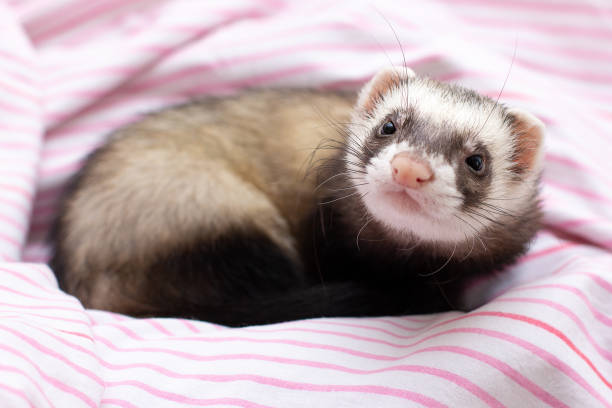
The idea of keeping ferrets in an apartment often conjures images of cramped spaces, unwelcome odors, and incessant noise. However, for the dedicated and well-informed owner, ferrets can be surprisingly well-suited apartment dwellers. Their compact size, extensive sleep cycles, and capacity for deep bonding make them appealing companions, even in urban environments. The key lies not in having an expansive home, but in understanding and meticulously managing their specific needs for space, enrichment, and minimizing disturbances.
This comprehensive guide delves into every facet of housing ferrets in apartments, offering practical strategies to ensure both your ferret’s well-being and your harmonious coexistence with neighbors and landlords. We will explore how to optimize limited space, control natural ferret noises, manage odor, and create a safe, stimulating environment that allows these inquisitive creatures to thrive.
Understanding Ferrets: The Apartment Dweller’s Perspective
Before diving into management strategies, it’s crucial to understand the fundamental nature of ferrets. They are not miniature cats or dogs; they possess unique behaviors and requirements that dictate how they should be accommodated in an apartment setting.
Nature and Behavior: Ferrets are crepuscular, meaning they are most active during dawn and dusk. However, domestic ferrets often adapt their sleep schedule to their human companions, sleeping anywhere from 70% to 80% of the day. This extensive sleep pattern makes them quite adaptable to smaller living spaces, as they spend a significant portion of their time asleep in their cage. When awake, they are bundles of energy, curiosity, and playfulness. They love to explore, burrow, chew, and interact. Their natural instinct is to “ferret out” small spaces, which means apartment living requires diligent ferret-proofing.
Size and Space Requirements: While ferrets are relatively small, easily fitting into tight spaces, this doesn’t mean they require minimal living area. Their need for enrichment and playtime is extensive. A small body houses an incredibly active mind and a need for physical exercise. Confining them to a tiny cage with no out-of-cage time is detrimental to their physical and mental health. Their “space” is not just the cage footprint, but the entire supervised area they get to explore.
Scent Glands and Odor: One of the most common misconceptions about ferrets is their perceived strong odor. While ferrets do have a natural musk, often described as “earthy” or “gamey,” the infamous “ferret smell” is often exaggerated or attributed to poor husbandry. Most pet ferrets in North America have had their anal glands removed (descenting) when spayed or neutered, which eliminates the potent, skunky odor they can produce when frightened. The persistent odor comes from their sebaceous skin glands, and it’s manageable with proper cleaning and diet. Over-bathing can actually exacerbate the problem by stripping natural oils and causing glands to overproduce.
Vocalization: Ferrets are generally quiet pets. Unlike dogs that bark or cats that meow frequently, ferrets have a limited vocal repertoire. Their most common sound is “dooking,” a soft, chattering sound made when they are happy, excited, or playing. They may also hiss when frightened or angry, whimper if in pain or distressed, or emit a high-pitched screech if terrified or severely injured. Cage noise, such as rattling bars or scratching, is often more prominent than their vocalizations.
Space Management in Apartments
The fundamental principle of managing ferrets in an apartment is to maximize their living and play areas, even within limited square footage. This involves both thoughtfully designing their primary habitat (the cage) and meticulously preparing safe free-roam areas.
The Ferret’s Primary Habitat: The Cage
The cage is your ferret’s sanctuary – their sleeping quarters, dining area, and litter box space. It must be a secure, stimulating, and adequately sized environment.
- Minimum Size Recommendations: Forget the small rabbit or guinea pig cages. Ferrets need vertical space. A multi-level cage, such as a Ferret Nation or Critter Nation cage (with ferret-safe bar spacing), is ideal. For a single ferret, the minimum recommended cage size is usually around 24″L x 24″W x 36″H, but larger is always better, especially for multiple ferrets. The more ferrets you have, the exponentially larger the cage needs to be. Multi-level cages allow for separate areas for sleeping, eating, and pottying, mimicking their natural denning instincts.
- Material and Safety:
- Wire Spacing: Bars should be no more than 1″ x 2″ (or smaller for some kits) to prevent escape or injury. Horizontal bars are often preferred as they allow for climbing.
- Secure Latches: Ferrets are notorious escape artists. Locks and latches must be robust and ferret-proof. Carabiners or clips can reinforce standard cage latches.
- Solid Bottoms or Ramps: Wire bottoms can lead to bumblefoot, a painful condition. Ensure all levels have solid surfaces, like plastic trays or covered wire ramps. If ramps are wire, cover them with fabric or plastic.
- Placement in the Apartment: Where you place the cage is critical for both the ferret’s comfort and minimizing neighborly disturbances.
- Temperature and Drafts: Ferrets are sensitive to extreme temperatures. Keep the cage away from direct sunlight, heating vents, air conditioners, and drafty windows. An ideal temperature range is 60-75°F (15-24°C).
- Noise Levels: Avoid placing the cage directly next to loud televisions, stereos, or high-traffic areas like the main entrance, where sudden noises could startle them and disrupt their sleep. A quieter corner of a living room or a designated pet area is often best.
- Visibility: While ferrets enjoy quiet, they also appreciate being part of the family activity. A location where they can see and hear you without being constantly disturbed is ideal.
Cage Furnishings: Creating a Cozy Home
The interior of the cage is just as important as its size and location. Proper furnishings provide comfort, enrichment, and hygiene.
- Bedding: Ferrets love to burrow and sleep in dark, enclosed spaces.
- Hammocks: Multiple hammocks at different levels are a must. They love to tunnel into them. Made from fleece, flannel, or other soft, durable fabrics.
- Sleeping Sacks/Cubes: Provide a sense of security and warmth.
- Blankets/T-shirts: Old, clean cotton t-shirts or small blankets are perfect for burrowing. Avoid anything with loose threads or loops that could snag nails or toes.
- Litter Boxes: Ferrets are relatively easy to litter train for their confined space.
- Type: High-backed corner litter pans are excellent as ferrets prefer to back into a corner to relieve themselves.
- Placement: Place one or more litter boxes in designated corners on each level of the cage. Ferrets often choose a corner and stick to it; observe their habits.
- Litter: Use dust-free, paper-based pellets or recycled newspaper litter. Never use clumping clay litter, cedar, or pine shavings, which are toxic to their respiratory systems.
- Cleaning: Scoop daily, and change all litter every few days or weekly, depending on how many ferrets you have.
- Food and Water Dishes:
- Food Dishes: Heavy ceramic bowls or stainless steel bowls are best, as they are hard to tip over and easy to clean. Place them away from the litter box.
- Water: Heavy ceramic bowls are preferred over sipper bottles. Ferrets need constant access to fresh water, and bottles can get clogged or not provide enough water flow. A bowl allows them to drink more naturally and quickly. Ensure it’s spill-proof.
- Toys: Provide a few safe, stimulating toys within the cage to prevent boredom.
- Safe Materials: Hard plastic toys, metal jingle balls (too large to swallow), durable rubber toys, or designated ferret-safe chew toys. Avoid foam, soft rubber, or small plastic pieces they can ingest.
- Rotation: Rotate toys regularly to keep them interested.
Out-of-Cage Playtime: The Crucial Element
This is where apartment living requires the most dedication. Ferrets must have several hours of supervised free-roam playtime daily. This is non-negotiable for their health and happiness.
- Importance:
- Mental and Physical Stimulation: Prevents boredom, destructive behaviors, and obesity.
- Bonding: Essential for developing a strong bond with their human companions.
- Stress Reduction: Allows them to express natural behaviors like exploring and burrowing.
- Creating a Safe Free-Roam Area: Ferret-Proofing: This is paramount for an apartment. Ferrets are intensely curious and can squeeze through incredibly small gaps (anything their head can fit through, the rest of their body can follow).
- Electrical Wires: Cover or block all electrical cords and outlets. Ferrets love to chew wires, which is deadly. Use cord protectors, hide wires behind furniture, or use child-proof outlet covers.
- Small Gaps and Holes:
- Under Doors: Use draft stoppers or weather stripping.
- Behind Appliances: Block access to behind the refrigerator, stove, washer/dryer. These can be hot, dirty, and have dangerous moving parts.
- Wall Vents/HVAC Ducts: Securely cover all vents.
- Furniture Undersides: Check recliners, sofa springs, hollow legs, and particleboard furniture for gaps. Recliners are death traps for ferrets; never use one in their play area.
- Toxic Plants and Chemicals: Remove all houseplants, cleaning supplies, medications, and human foods (especially chocolate, caffeine, alcohol, artificial sweeteners like xylitol) from ferret access. Any item with a chemical smell should be considered toxic.
- Fragile Items: Put away anything breakable, valuable, or that could fall and injure your ferret.
- Water Hazards: Keep toilet lids down. Block access to sinks and bathtubs filled with water.
- Open Windows/Balconies: Ferrets can climb and are not afraid of heights. Keep windows closed or securely screened. Block all access to balconies.
- Kitchen/Bathroom: These rooms often contain the most hazards (cleaning supplies, small objects, hot surfaces). It’s often best to block them off entirely during unsupervised play or supervise very closely.
- Block Off Hazardous Zones: Use strong pet gates (ensure bar spacing is ferret-proof) or solid barriers to restrict ferrets to one or two ferret-proofed rooms.
- Supervision Levels: Even in a ferret-proofed room, supervision is essential. Ferrets are ingenious; they can find new hazards or create mischief. Active supervision means being in the same room and paying attention.
- Rotating Play Areas: If you have multiple ferret-proofed rooms, rotate their access to provide novelty and keep them engaged. This also helps distribute their enrichment needs across different spaces.
Vertical Space Utilization & Optimizing Small Spaces
In an apartment, every inch counts.
- Vertical Space: While ferrets aren’t natural climbers like cats, they do enjoy elevated platforms, shelves, and climbing structures within a safe, supervised play area. This can be part of a larger playpen or a designated “ferret playground” area. Always ensure soft landings or short drops.
- Modular Cages: Cages like Ferret Nation or Critter Nation are modular, allowing you to add units vertically or horizontally as your space/needs change.
- Clever Storage: Store ferret food, litter, and cleaning supplies in secure, airtight containers that double as seating or tables, or utilize vertical shelving units for supplies.
Noise Management in Apartments
Concerns about noise are valid in apartment living, especially when sharing walls with neighbors. While ferrets aren’t inherently noisy, their activities can generate sound. Understanding these sounds and developing mitigation strategies is key.
Understanding Ferret Noises
- Dooking: This is the primary vocalization of a happy, playful ferret. It’s a soft, clucking, chattering sound. It’s generally not loud or disruptive, but if a ferret is particularly excited during a vigorous play session, the dooking can be quite frequent.
- Hissing/Screeching: These are sounds of fear, pain, or aggression. Well-socialized ferrets rarely hiss unless severely startled or in pain. Screeching is a sign of extreme distress and should prompt immediate investigation. These are thankfully rare.
- Whimpering/Crying: A soft, plaintive sound indicating discomfort, sadness, or a plea for attention.
- Scratching/Digging: Ferrets love to dig. You’ll hear this in their litter box, in their cage bedding, or on carpets/doormats during playtime. This can be quite audible, especially if they’re digging enthusiastically at a hard surface.
- Cage Rattle: The most common source of ferret noise in an apartment. This includes banging against cage bars, rattling toys, dragging bedding, or shaking water/food bowls. Excited ferrets can make a surprising amount of noise by simply moving around their multi-level cage.
- Chewing/Gnawing: While less common for ferrets than rodents, they might gnaw on cage bars or certain toys, which can create a scratching or scraping sound.
Minimizing Ferret-Generated Noise
Proactive measures can significantly reduce the noise output from your ferret and their habitat.
- Cage Noise:
- Secure Cage Components: Regularly check and tighten all screws, bolts, and connectors on the cage. Loose parts vibrate and rattle more. Use zip ties or small bungee cords to secure ramps, shelves, and litter boxes that might shift and bang against the cage.
- Heavy-Bottomed Cages/Mats: Placing the cage on a heavy, non-resonant mat (e.g., a thick rubber mat, a carpet remnant, or anti-vibration mat used for washing machines) can absorb vibrations and dampen sounds. Avoid placing the cage directly on hardwood or laminate floors, which can amplify noise.
- Fabric Bedding Over Hard Plastic: While some plastic shelves are necessary, opt for fabric hammocks and sleeping sacks that absorb sound rather than reflect it. Cover plastic trays with fleece liners or old towels.
- Sturdy Surface: Ensure the cage is on a flat, stable surface. Wobbling cages will naturally be noisier.
- Soundproofing Panels: For particularly noisy ferrets or sensitive neighbors, consider placing sound-dampening panels (acoustic foam, thick blankets) behind the cage against the shared wall. Ensure adequate ventilation.
- Play Noise:
- Supervised Playtime: This is your opportunity to manage noise. If your ferret starts digging assertively at the carpet or a furniture leg, redirect their attention to a designated dig box or a more appropriate toy.
- Soft Toys: Provide soft, fabric toys over hard plastic or noisy toys. Crinkly tunnels are fun but can be loud; use them judiciously.
- Dig Box: A designated dig box (filled with rice, plastic balls, shredded paper, or even soil – under strict supervision) can satisfy their digging instinct without damaging property or making excessive noise on apartment floors.
- Interaction: Active play with you (wrestling, chasing, blanket games) often satisfies their energy better with less noise than undirected destructive play.
- Vocalization:
- Dooking: This is a happy sound and generally not disruptive. If it becomes excessively loud or persistent, it might indicate over-excitement or a call for attention. Engage with your ferret to fulfill their need for interaction.
- Hissing/Screeching/Whimpering: These are alarm signals. Investigate immediately. Addressing the root cause will eliminate the noise.
Managing External Noise (for the Ferret’s Comfort)
Just as you manage your ferret’s noise, consider how external apartment noises affect them.
- Cage Placement: Avoid placing the cage near shared walls where neighbors might be loud, or near windows facing busy streets.
- White Noise Machines: A quiet fan or white noise machine can help mask sudden, jarring noises from outside the apartment, creating a more consistent and calming sound environment for your ferret’s extensive sleep periods.
- Consistent Quiet Periods: Ensure a consistent period of darkness and quiet for your ferret to maintain a healthy sleep cycle.
Communicating with Neighbors
Being proactive and transparent with your neighbors can prevent complaints.
- Proactive Communication: Inform your immediate neighbors that you have ferrets. Explain their nature – quiet, mostly sleeping, and that “dooking” is a happy sound, not distress.
- Address Concerns Promptly: If a neighbor does voice a concern, listen respectfully and take steps to address it. Offer to have them meet your ferret so they can see how calm they are.
- Reassurance: Emphasize that you are a responsible pet owner committed to minimizing any disturbance.
Other Apartment-Specific Considerations
Beyond space and noise, several other factors are critical for successfully keeping ferrets in an apartment.
Odor Control: A Top Priority
Effective odor control is paramount for apartment living, ensuring both your comfort and that of your neighbors. The key is strict cleanliness and a good diet.
- Diet: Feed a high-quality, high-protein (30-40%), high-fat (18-30%), low-fiber kibble specifically formulated for ferrets (or premium kitten kibble if ferret food isn’t available). Poor quality food can lead to smellier waste and a greasier coat. Avoid sugary treats, dairy, or human foods.
- Litter Box Hygiene: This is the single most important factor. Scoop litter boxes daily, even multiple times a day. Perform a full litter change and clean the boxes with a pet-safe cleaner (e.g., diluted white vinegar) at least weekly, or more often for multiple ferrets.
- Cage Cleaning:
- Spot Cleaning: Wipe down dirty surfaces daily.
- Weekly Deep Clean: Remove all bedding, toys, and accessories. Scrub the entire cage (trays, ramps, bars) with a pet-safe cleaner. Rinse thoroughly.
- Bedding: Wash all hammocks, blankets, and sleeping sacks at least weekly. Use a mild, unscented detergent. Have multiple sets of bedding so you can rotate them.
- Air Filtration: A good quality HEPA air purifier (unscented) can help remove airborne particles and odors. Avoid air fresheners, scented candles, or febreeze, as these can irritate ferret respiratory systems.
- Bathing: Bathe ferrets infrequently, only when absolutely necessary (e.g., they’ve rolled in something truly foul). Over-bathing strips their natural skin oils, causing their sebaceous glands to overproduce, which results in a stronger musk. A bath every few months, if at all, is usually sufficient. Use ferret-specific shampoo or a mild, unmedicated kitten shampoo.
- Scent Glands: Most ferrets sold in pet stores are descented during spay/neuter surgery. While this removes the ability to spray a skunky scent, it does not eliminate their natural body musk, which comes from skin glands. This musk is what requires diligent cleaning.
Safety and Ferret-Proofing (Expanded)
Reiterating and expanding on ferret-proofing, as it is the most critical aspect of keeping ferrets safe in an apartment.
- Small Spaces and Crushing Hazards:
- Recliners, Sofa Beds, and Folding Chairs: Absolutely forbidden. Ferrets can easily climb into the mechanisms and be crushed.
- Behind and Under Appliances: Block access to washing machines, dryers, refrigerators, dishwashers, and ovens. They are hot, have moving parts, and can be impossible to rescue a ferret from.
- Wall Vents: Secure all floor, wall, and ceiling vents.
- Open Windows/Balconies: Ferrets are not afraid of heights and can slip through screens or jump from surprisingly low ledges. Always keep windows closed or securely screened with sturdy mesh the ferret cannot chew through or push out. Never allow access to a balcony.
- Doors: Always be aware of where your ferret is before closing doors. Ferrets love to dart through small openings.
- Electrical Hazards: All electrical cords must be covered or inaccessible. Use cord protectors, run cords through PVC piping, or secure them high on walls. Unplug unused appliances.
- Chemicals & Toxins:
- Cleaning Supplies: Store all cleaners, detergents, and disinfectants in high, locked cabinets.
- Medications: Keep all human and pet medications secure.
- Plants: Many common houseplants are toxic to ferrets (e.g., lilies, poinsettias, ivy, philodendrons). Remove all plants from ferret-accessible areas.
- Pesticides/Insecticides: Be extremely cautious if your apartment building uses pest control. Ferrets are highly sensitive.
- Choking Hazards:
- Small Rubber/Plastic Items: Erasers, rubber bands, small toys, tiny plastic bits. Ferrets chew and swallow non-food items, leading to blockages.
- Foam/Sponge Products: Earplugs, insoles, packing foam blocks. These are highly dangerous if ingested.
- Loose Threads/Fabrics: Remove anything with loose threads, string, or small fabric pieces that could be ingested or cause strangulation.
- Water Hazards: Toilet bowls, sinks, and bathtubs filled with water pose a drowning risk. Keep toilet lids down and supervise closely in bathrooms.
Landlord & Lease Agreements
This is often the first hurdle for apartment ferret owners.
- Check Pet Policies: Thoroughly review your lease agreement. Never assume ferrets are permitted, even if other small pets are. They are often classified uniquely.
- Written Permission is Crucial: If pets are allowed, ensure ferrets are explicitly mentioned or you have written permission from the landlord. Verbal agreements are insufficient.
- Pet Deposits/Rent: Be prepared for pet deposits and/or monthly pet rent.
- Educating Landlords: Sometimes, landlords are unfamiliar with ferrets and confuse them with rodents or wild animals. Provide factual information: ferrets are domesticated, quiet (quieter than many dogs), sleep most of the day, are litter-trainable, and spend most of their time in a cage. Offer references from an exotic vet or other ferret owners. Reassure them about odor control and damage prevention.
Veterinary Care
Access to specialized veterinary care is vital.
- Exotics Vet: Find a veterinarian experienced with ferrets before you get one. General practice vets often lack the specific knowledge needed for ferret health.
- Annual Check-ups: Ferrets need annual check-ups, vaccinations (distemper and rabies are crucial), and preventative care.
- Common Ailments: Be aware of common ferret health issues like adrenal disease, insulinoma, and dental problems, which require early detection and specialized treatment.
Socialization
Even in an apartment, ferrets need social interaction.
- Human Interaction: Daily interaction with you is essential for bonding and mental stimulation. Play games, cuddle, and simply hang out with your ferret.
- Other Ferrets: Ferrets are highly social and generally thrive in groups (business of ferrets). If you have the space, two ferrets can entertain each other and often reduce destructive behaviors (though they’ll still need human playtime).
- Outdoor Walks (Supervised): If your apartment complex allows, and if it’s safe (away from dogs, traffic, and pesticides), you can take your ferret for short walks on a harness and leash. This provides new smells and sights but requires immense caution and supervision. Ensure they are fully vaccinated.
The Apartment Ferret’s Daily Schedule
Consistency helps ferrets adapt to apartment life. A typical day for an apartment ferret might look like this:
- Morning (6-8 AM): Wake up, use litter box, eat, drink. Short supervised play session (30-60 minutes) while you get ready.
- Daytime (8 AM – 4 PM): Mostly sleep in their cage. Quiet time.
- Late Afternoon/Evening (4-8 PM): Wake up, use litter box, eat, drink. Main supervised play session (1.5-3 hours). This is their peak activity time.
- Night (8 PM onwards): Wind down, last meal/water, potty, then back to sleep in their cage.
This schedule is flexible and should adapt to your routine, but the consistency of dedicated playtimes and quiet periods is key.
Conclusion
Keeping ferrets in an apartment is entirely feasible and can be a profoundly rewarding experience. Far from being disruptive or difficult, ferrets can be model apartment pets, provided their owners are committed to understanding and meeting their unique needs.
The cornerstone of success lies in diligent space management – ensuring their cage is a comfortable, enriched sanctuary, and that their daily free-roam time occurs in a meticulously ferret-proofed, safe environment. Equally vital is proactive noise management, from securing cage components to communicating openly with neighbors, minimizing potential disturbances. Beyond these, dedicated odor control, strict adherence to safety protocols, and responsible navigation of landlord agreements complete the picture of a harmonious apartment life with these delightful, inquisitive creatures.
With planning, patience, and unwavering dedication, the apartment ferret will not only survive but truly thrive, bringing joy and lively companionship to even the most compact urban dwelling.
#FerretsInApartments, #ApartmentFriendlyPets, #FerretsOfInstagram, #PetCareTips, #SmallPets, #FerretsRule, #UrbanFerrets, #FerretsLife, #FerretProofing, #PetOwnerLife, #ExoticPets, #FerretsDaily, #PetParent, #HappyFerret, #FerretsLove, #AnimalLover, #PetSafety, #NoiseControl, #OdorControl, #ApartmentLivingWithPets




Add comment