
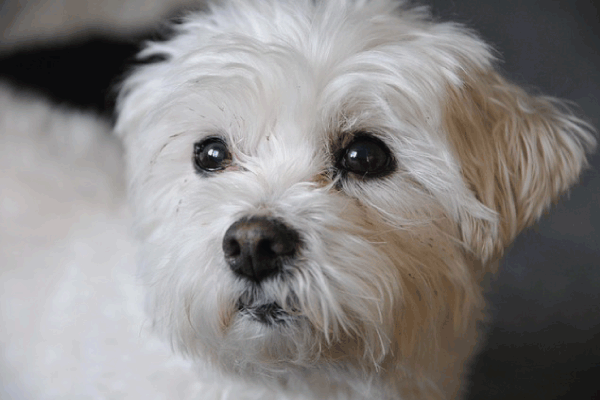
Fine Needle Aspiration (FNA) is a common, minimally invasive diagnostic procedure used in veterinary medicine, particularly in dogs, to collect cells from masses, lumps, or enlarged organs for microscopic examination (cytology).
What is Fine Needle Aspiration (FNA)?
FNA involves using a small-gauge needle (similar to those used for vaccinations) to penetrate a mass or organ and gently withdraw a sample of cells. These cells are then spread onto a glass slide, stained, and examined under a microscope by a veterinarian or a veterinary pathologist. The goal is to determine the nature of the cells – whether they are inflammatory, infectious, benign, or malignant.
Why is FNA Performed in Dogs? (Indications)
FNA is a first-line diagnostic tool for various conditions:
Lumps and Bumps: Any new or changing mass on or under the skin (e.g., lipomas, mast cell tumors, cysts, abscesses, fibrosarcomas).
Enlarged Lymph Nodes: To differentiate between reactive (due to infection/inflammation) and neoplastic (cancerous, e.g., lymphoma) lymph nodes.
Internal Organ Masses: With ultrasound guidance, FNA can be performed on masses in organs like the spleen, liver, kidneys, lungs, or prostate.
Thyroid Gland Enlargement: To evaluate thyroid nodules.
Fluid Accumulations: While often called “centesis” (thoracocentesis, abdominocentesis, arthrocentesis), the aspiration of fluid for cytology follows similar principles to evaluate the cell content.
Pre-surgical Planning: To get an idea of the type of mass before surgery, which can help determine the extent of the surgical margins needed.
Equipment Needed
Needles: Typically 20-25 gauge (22g is very common), 1-1.5 inches long. Smaller gauge for delicate or highly vascular lesions; larger for thicker lesions or fluid.
Syringes: 3 mL, 6 mL, or 12 mL. A 6 mL syringe is often ideal for providing good suction without excessive negative pressure that can damage cells.
Microscope Slides: Frosted-end slides are preferred for labeling.
Clippers & Antiseptic: For aseptic preparation, especially for internal organs or if a sterile field is desired.
Gloves: For the operator.
Stains: Diff-Quik or other Romanowsky-type stains for in-house evaluation.
Slide Container: For submitting samples to a reference laboratory.
Ultrasound Machine: Essential for safely and accurately guiding the needle to internal masses.
Local Anesthetic (e.g., lidocaine) or Sedation: May be used for anxious patients, painful masses, or internal organ aspirations.
How is FNA Performed? (Procedure Steps)
Patient Preparation:
Obtain owner consent and discuss risks/benefits.
Restrain the dog appropriately (conscious, sedated, or anesthetized).
For superficial masses: Often no clipping or extensive scrubbing is needed, just alcohol wiped over the area.
For internal organs or areas prone to infection: Clip fur, perform an aseptic surgical scrub (e.g., chlorhexidine scrub followed by alcohol).
Locate the Mass: Palpate the mass carefully. If internal, use ultrasound guidance.
Perform the Aspiration: There are two main techniques:
Aspiration (Suction) Technique:
Attach a syringe to the needle.
Introduce the needle into the mass.
Apply negative pressure by pulling back on the syringe plunger (usually 2/3 to 3/4 of the way).
While maintaining suction, redirect the needle within the mass 3-5 times in different directions (“fanning” or “woodpecker” motion) without exiting the skin.
Crucially, release the negative pressure on the syringe before withdrawing the needle from the mass. This prevents aspirating the collected sample into the syringe barrel, where it’s harder to retrieve.
Completely withdraw the needle.
Non-Aspiration (Stab/Needle-Only/Woodpecker) Technique:
Attach the needle to a syringe containing air (or no syringe at all).
Introduce the needle into the mass and rapidly make several back-and-forth, jabbing motions (like a woodpecker) within the mass.
The capillary action within the needle lumen collects cells.
Withdraw the needle.
This technique is often preferred for highly vascular masses (reduces blood contamination) or friable tumors.
Prepare the Slides (Smearing):
Detach the needle from the syringe (if used for aspiration).
Draw air into the syringe.
Reattach the needle.
Express the collected material onto the middle of one or two clean glass slides.
“Squash Prep” (most common): Place a second slide flat over the sample, allowing the weight of the slide to gently spread the material. Then, gently slide the top slide horizontally over the bottom slide, creating two separate smears. Avoid excessive pressure, which can rupture cells.
“Line Prep” (for fluid samples): If the sample is very liquid, tilt the slide and pull the fluid behind a second slide drawn across the surface, creating a “line” of cells.
“Starfish Prep” (for very thick or chunky samples): Gently use the tip of the needle to spread the sample into a “starfish” pattern.
Dry the Slides: Allow the slides to air dry completely. This is critical for good staining and cellular preservation.
Stain and Examine:
Either stain the slides in-house using a rapid stain (e.g., Diff-Quik) for preliminary evaluation or send unstained, air-dried slides to a veterinary reference laboratory for cytology by a specialist pathologist.
Label slides clearly with the patient’s name, sample site, and date.
Interpretation of Results
A veterinary pathologist evaluates the slides for:
Cellularity: Is there enough material for diagnosis?
Cell types: Are they inflammatory cells (neutrophils, macrophages, eosinophils, lymphocytes), infectious agents (bacteria, fungi), or neoplastic cells?
Criteria of Malignancy: Nuclear and cytoplasmic abnormalities (e.g., anisokaryosis, prominent nucleoli, mitotic figures, bizarre nuclei).
Tissue Architecture: While FNA cannot assess tissue architecture as well as a biopsy, the patterns of cells can provide clues.
Common diagnoses include:
Inflammation/Infection: Abscess, granuloma.
Benign Neoplasia: Lipoma, sebaceous adenoma, histiocytoma.
Malignant Neoplasia: Mast cell tumor, lymphoma, carcinoma, sarcoma.
Advantages of FNA
Minimally Invasive: Less discomfort and risk compared to surgical biopsy.
Quick: The procedure itself takes only minutes.
Cost-Effective: Generally less expensive than surgical biopsy.
Often Does Not Require Sedation: Especially for superficial masses, many dogs tolerate it well with good restraint.
Rapid Results: In-house cytology can provide a preliminary diagnosis within minutes; reference lab results typically within 1-3 days.
Good for Screening: Helps differentiate between benign, inflammatory, and malignant lesions, guiding further diagnostics or treatment.
Limitations and Disadvantages of FNA
Non-Diagnostic Samples:
Poor Cellularity: If not enough cells are collected.
Blood Contamination (Hemodilution): Excessive blood can obscure diagnostic cells.
Sampling Error: Missing the diagnostic part of a heterogeneous mass.
Poor Smearing/Fixation: Cell rupture or poor staining.
Cannot Assess Tissue Architecture: FNA collects individual cells or small clusters, but cannot show how cells are arranged in relation to each other or invade surrounding tissues, which is crucial for definitive diagnosis and tumor grading in some cases.
Limited Differentiation:
Cannot always differentiate between benign and low-grade malignant tumors.
Cannot always differentiate between reactive lymphoid hyperplasia and some forms of lymphoma without further flow cytometry or PARR testing.
Can diagnose a “sarcoma,” but often cannot specify the exact type (e.g., fibrosarcoma vs. hemangiopericytoma).
Cannot definitively diagnose a lipoma vs. a liposarcoma (requires histopathology).
Risk of Seeding: Very rare, but a theoretical risk of spreading certain aggressive tumor cells (e.g., transitional cell carcinoma of the bladder) along the needle tract.
Requires Expertise: Proper collection technique and interpretation require training and experience.
Conclusion
FNA is an invaluable tool in veterinary diagnostics, offering a quick, relatively inexpensive, and minimally invasive way to gain crucial information about masses and organ changes in dogs. While it has limitations, particularly regarding definitive diagnosis and tumor grading, it serves as an excellent initial screening test that often guides the next steps in a dog’s diagnostic and treatment plan.
#DogFNA, #CanineFNA, #FineNeedleAspiration, #DogCytology, #VetCytology, #VeterinaryCytology, #DogHealth, #PetHealth, #DogLump, #DogBump, #DogMass, #PetWellness, #EarlyDetection, #ProactivePetCare, #VetMed, #VeterinaryMedicine, #AnimalHealth, #PetDiagnosis, #DiagnosticTesting, #AskYourVet, #ResponsiblePetOwner, #PeaceOfMind, #DogCare, #VetCare, #AnimalHospital, #PetParents, #DogsofInstagram, #GetThatLumpChecked, #CanineCare, #HealthyDogs





Add comment