
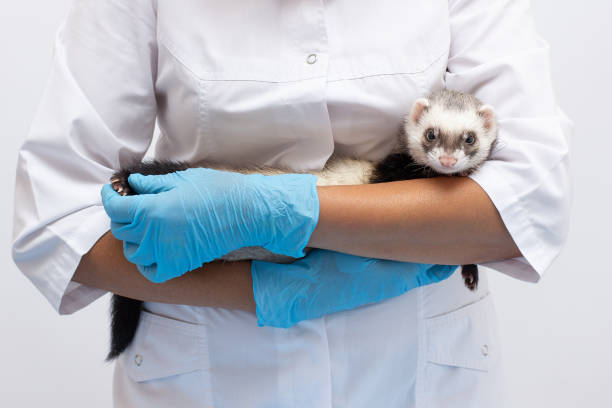
Ferrets (Mustela putorius furo) are curious, high‑energy carnivores with a unique anatomy that predisposes them to a set of emergencies that differ from cats and dogs. Their small size, rapid metabolism, and obligate carnivorous diet mean that time is critical; a few minutes of delayed care can quickly progress to life‑threatening conditions.
A well‑prepared ferret owner can:
- Recognize subtle early signs of distress that owners often overlook.
- Provide stabilising first‑aid measures while en route to a veterinary clinic.
- Reduce the severity of injuries and improve overall survival rates.
This guide consolidates the most frequent ferret emergencies, offering a step‑by‑step home‑care protocol backed by current veterinary literature (up to 2024). Use it as a reference, not a replacement for professional veterinary care.
2. Building a Ferret‑Specific First‑Aid Kit
| Item | Quantity | Why It’s Needed | Notes |
|---|---|---|---|
| Sterile gauze pads (various sizes) | 1–2 packs | Control bleeding, clean wounds | Keep separate for eye vs. general use |
| Non‑adhesive bandage rolls | 1 roll (2‑inch) | Secure gauze, temporary splints | Avoid elastic bandages that may restrict circulation |
| Adhesive tape (medical grade) | 1 roll | Hold gauze, close small wounds | Do not use duct tape |
| Scissors ( blunt‑ended) | 1 pair | Trim fur, cut tape, open dressings | Keep away from ferret’s mouth |
| Tweezers (fine tip) | 1 pair | Remove splinters, foreign bodies | Sterilise before use |
| Digital thermometer (rectal probe, 104°F‑108°F range) | 1 | Detect fever or hypothermia | Use a lubricated disposable sheath |
| Reusable heating pad (low‑setting) or warm water bottle | 1 | Treat hypothermia or heatstroke | Ensure temperature‑controlled |
| Cold pack (gel or instant) wrapped in cloth | 2–3 | Reduce swelling, manage burns | Do not apply directly to skin |
| Hydrogen peroxide (3%) | Small bottle | Induce vomiting (only under vet direction) | Never use if the ferret may have ingested a corrosive substance |
| Syringe (1‑mL and 5‑mL, no needle) | 2 | Administer oral fluids, medication | Use sterile disposable syringes |
| Electrolyte solution (e.g., Pedialyte, unflavoured) | 1 bottle (500 mL) | Rehydrate after vomiting/diarrhea | Dilute to half‑strength for ferrets |
| Glucose gel or dextrose 50% solution | Small tube | Treat hypoglycemia quickly | Store at room temperature |
| Benadryl (diphenhydramine) 12.5 mg/mL oral solution | 1 bottle | Initial treatment for allergic reactions | Dose: 0.5 mg/kg PO, max 1 mg/kg |
| Lidocaine 2% spray or gel | Small bottle | Topical analgesia for minor cuts | Use sparingly; avoid ingestion |
| Pet‑safe antiseptic (e.g., chlorhexidine 0.05%) | 1 bottle | Clean wounds or eye injuries | Do not use hydrogen peroxide on open wounds |
| Veterinary contact card | 1 | Phone numbers, after‑hours clinic | Include nearest emergency clinic’s address |
| Paper towels & disposable gloves | Several | Hygiene, protect from zoonotic agents | Change gloves between patients |
| Flashlight | 1 | Examine dark ear canals, mouth | Prefer LED for long battery life |
Storage tip: Keep the kit in a waterproof container inside a quick‑access drawer. Replace expired items quarterly.
3. Common Ferret Emergencies
Below each emergency is broken into Causes, Signs & Symptoms, Diagnosis (what you can assess at home), First‑Aid Treatment, Prognosis & Complications, and Prevention.
3.1. Traumatic Injuries (Fractures, Lacerations, Amputations)
Causes
- Falls from furniture or cages.
- Rough play with other ferrets or pets.
- Accidental crushing (e.g., a door closing on a limb).
- Bite wounds from aggressive ferrets or other animals.
Signs & Symptoms
- Immediate limping, refusal to bear weight.
- Audible whimper or growl, especially when the area is touched.
- Swelling, bruising, or visible deformity.
- Bleeding or an open wound.
- Pale gums (possible shock).
Home Diagnosis
- Observe gait – Does the ferret favor a leg?
- Palpate gently – Look for crepitus (a crackling feeling) indicating fracture.
- Check for bleeding – Apply pressure with sterile gauze.
First‑Aid Treatment
- Safety first – Wear gloves; keep the ferret calm with a soft voice.
- Control bleeding – Apply direct pressure for 5‑10 min.
- Immobilise – If a limb appears fractured, create a splint using a Popsicle stick or rolled gauze, then wrap with a bandage (not too tight).
- Shock management – Lay the ferret on a soft, warm surface; cover with a blanket. Keep the head slightly elevated to promote blood flow to vital organs.
- Transport – Place the ferret in a carrier lined with a towel, keeping the injured limb immobilised.
Prognosis & Complications
- Simple fractures (non‑displaced) have a good prognosis when splinted promptly and treated surgically within 24‑48 h.
- Open fractures carry a higher infection risk; early antibiotics are essential.
- Amputations may lead to hemorrhagic shock if not controlled quickly.
When to Seek Immediate Veterinary Care
- Uncontrolled bleeding after 10 min of pressure.
- Suspected spinal injury (paralysis, loss of tail movement).
- Severe deformity or exposure of bone.
Prevention
- Provide a ferret‑proofed environment (no high shelves, no open windows).
- Use soft bedding and avoid slippery surfaces.
- Supervise interaction with other pets.
3.2. Respiratory Distress
Causes
- Upper airway obstruction (foreign body, mucus plug).
- Pneumonia (bacterial, viral, or fungal).
- Inflammatory airway disease (Ferret Asthma‑like syndrome, often linked to allergic bronchitis).
- Nasal or sinus tumors (rare, but possible in older ferrets).
Signs & Symptoms
- Rapid, shallow breathing (> 60 breaths/min).
- Open‑mouth breathing (unusual in ferrets).
- Audible wheezing or crackles.
- Cyanotic (bluish) gums or tongue.
- Nasal discharge (clear, yellow, or blood‑tinged).
Home Diagnosis
- Count breaths – Place a hand gently on the chest; normal is 30‑45 breaths/min at rest.
- Listen – Use a flashlight to examine the nostrils and throat; look for visible blockage.
- Check mucous membranes – Pale or blue gums indicate hypoxia.
First‑Aid Treatment
- Airway clearance: If you see a foreign object, attempt gentle removal with tweezers. Do not push it deeper.
- Positioning: Place the ferret on its side, head slightly elevated, to aid drainage and improve airflow.
- Oxygen: If you have access to a small pet oxygen tank or a compressed oxygen canister, deliver oxygen at 1 L/min using a small cannula or mask placed loosely over the nose.
- Cool environment – Overheating worsens distress; keep the room temperate (20‑23 °C).
- Hydration – Offer a few drops of electrolyte solution with a syringe, but do not force feeding if the ferret is gasping.
Prognosis & Complications
- Obstruction resolved quickly → excellent outcome.
- Pneumonia may require antibiotics, nebulisation, and supportive care; mortality can be 30‑40% if untreated.
- Asthma‑like disease often recurs; long‑term inhaled steroids may be required.
When to Seek Veterinary Care
- Persistent open‑mouth breathing > 5 min.
- Blue gums or tongue.
- No improvement after 10 min of airway clearance.
Prevention
- Keep small objects, strings, and toys out of reach.
- Maintain good ventilation and low dust environment.
- Regularly clean cages to limit bacterial load.
3.3. Gastrointestinal Blockage & Obstruction
Causes
- Ingestion of hairballs, plastic, rubber, or small toys.
- Gastric dilation volvulus (GDV) – rare, but lethal if stomach twists.
- Intestinal parasites (e.g., Cystoisospora spp.) causing ileus.
Signs & Symptoms
- Vomiting (often non‑productive at first).
- Regurgitation of food or fur.
- Abdominal distension (especially in GDV).
- Lethargy and decreased appetite.
- Constipation or straining with no feces.
Home Diagnosis
- Palpate abdomen – Gently feel for a hard, immobile mass.
- Observe stool – Check for presence of hair, foreign material.
- Assess hydration – Skin pinch test; if skin stays tented > 2 sec, dehydration is present.
First‑Aid Treatment
- Do NOT induce vomiting unless instructed by a vet (risk of aspiration).
- Hydration: Offer small amounts of electrolyte solution via syringe (0.5 mL every 5 min).
- Warm compress: Apply a warm (not hot) water bottle wrapped in a towel to the abdomen for 10 min to encourage motility.
- Encourage movement – Gently coax the ferret to walk; activity can help dislodge an obstruction.
Prognosis & Complications
- Partial obstruction may resolve with supportive care.
- Complete blockage requires surgical removal; mortality 20‑30% if delayed.
- GDV is an emergency; mortality > 80% without immediate surgery.
When to Seek Veterinary Care
- Persistent vomiting > 2 times in 24 h.
- Significant abdominal swelling.
- No bowel movement for > 12 h.
Prevention
- Provide high‑protein, low‑fiber diet (reduces hairball formation).
- Offer daily grooming to remove loose fur.
- Keep small, chewable toys out of reach.
3.4. Dental Emergencies
Causes
- Fractured incisors (common due to aggressive chewing).
- Periodontal disease (bacterial infection of gums).
- Abscesses from tooth root infection.
- Malocclusion (incorrect bite alignment).
Signs & Symptoms
- Reluctance to eat or chew.
- Drooling, foam around the mouth.
- Swelling around the jaw or cheeks.
- Bad odor from the mouth.
- Pawing at the face.
Home Diagnosis
- Visual inspection – Gently open the mouth with a soft cloth; look for broken teeth or swelling.
- Palpate jaws – Feel for warmth or firm masses.
First‑Aid Treatment
- Soft diet: Offer canned ferret food or wet kitten food (room temperature).
- Ice chips: Provide a few ice cubes to reduce swelling and pain (monitor for choking).
- Analgesia: If prescribed, give buprenorphine (0.01 mg/kg IM) or Meloxicam (0.1 mg/kg PO) – only under vet guidance.
- Antibiotics: If an abscess is suspected, a veterinarian must prescribe; do not self‑medicate.
Prognosis & Complications
- Fractured teeth often require extraction; prognosis good if performed early.
- Periodontal disease can lead to systemic infection (sepsis) if untreated.
Prevention
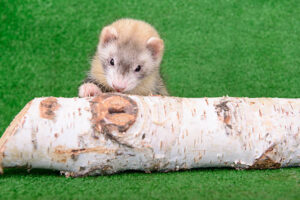
- Provide chew toys specifically designed for ferrets (e.g., natural wood sticks).
- Schedule annual dental exams with the vet.
3.5. Heatstroke & Hyperthermia
Causes
- Exposure to temperatures > 30 °C (86 °F) in a poorly ventilated enclosure.
- Direct sunlight, especially on a hot pavement.
- Over‑exertion during play in warm rooms.
Signs & Symptoms
- Panting (unusual in ferrets).
- Rapid heart rate (> 300 bpm).
- Lethargy, collapse.
- Reddened gums, drooling.
- Vomiting and/or diarrhea.
Home Diagnosis
- Rectal temperature – > 104 °F (40 °C) suggests hyperthermia.
- Observe breathing – Panting is a red flag.
First‑Aid Treatment
- Immediate cooling: Place the ferret on a cool (not icy) surface; fan gently.
- Cold compress: Apply to the paws and inner thighs for 5‑10 min, rotating to avoid frostbite.
- IV fluids (if trained): If you have a veterinary‑grade catheter, give lactated Ringer’s solution at 10 mL/kg over 30 min. Otherwise, give oral electrolyte solution as described earlier.
- Monitor temperature every 5 min until it drops to 101‑103 °F (38‑39 °C).
Prognosis & Complications
- Mild heatstroke: Recovery within 24 h with cooling and hydration.
- Severe heatstroke: Risk of organ failure (renal, hepatic) and disseminated intravascular coagulation (DIC). Mortality up to 50% if not treated promptly.
Prevention
- Keep ambient temperature between 15‑22 °C (60‑72 °F).
- Provide ventilation and shade in the cage.
- Never leave a ferret in a parked car or direct sunlight.
3.6. Hypoglycemia (Low Blood Glucose)
Causes
- Prolonged fasting (especially in kittens).
- Insulinoma (pancreatic tumor) – common in middle‑aged ferrets.
- Sepsis or severe illness that increases metabolic demand.
Signs & Symptoms
- Weakness, tremors, ataxia.
- Seizure‑like activity (muscle twitching).
- Drooling, panting.
- Collapse within minutes.
Home Diagnosis
- Blood glucose meter (small‑animal compatible) – reading < 70 mg/dL (3.9 mmol/L) confirms.
- If you lack a meter, suspect hypoglycemia when the ferret displays sudden weakness after not eating for > 8 h.
First‑Aid Treatment
- Immediate glucose: Offer a 0.5 mL glucose gel (dextrose 50%) orally. If the ferret cannot swallow, apply dextrose 5% to the gums with a syringe (0.2 mL).
- Repeat every 5 min until the ferret regains normal posture.
- Follow‑up feeding: Provide a high‑calorie meal (canned ferret food) within 30 min.
- Veterinary referral: Chronic hypoglycemia warrants diagnostics (ultrasound, blood work).
Prognosis & Complications
- Acute hypoglycemia resolves quickly with glucose administration; mortality < 5% if treated within 10 min.
- Insulinoma carries a guarded prognosis; median survival 6–12 months with medical management (dietary control, diazoxide).
Prevention
- Never fast a ferret longer than 4 h (especially kittens).
- Feed multiple small meals throughout the day.
- Monitor weight and appetite regularly.
3.7. Seizures & Neurologic Crises
Causes
- Idiopathic epilepsy (genetic predisposition).
- Toxin exposure (e.g., organophosphates, rodenticides).
- Metabolic disturbances (hypoglycemia, hepatic lipidosis).
- Brain tumors (rare).
Signs & Symptoms
- Sudden, involuntary muscle jerks (clonic) or stiffening (tonic).
- Loss of consciousness, drooling, urination, or defecation.
- Post‑ictal disorientation lasting minutes.
Home Diagnosis
- Record the duration and type of seizure (e.g., 30 sec clonic).
- Check environment for potential toxins (new cleaning products, plants).
First‑Aid Treatment
- Safety first – Move dangerous objects away; do not restrain the ferret’s head.
- Timing – Note the start time; if a seizure lasts > 2 min, consider it a status epilepticus (emergency).
- Cooling – Place a cool (not cold) damp cloth on the body to prevent overheating.
- Medication: If a veterinarian has prescribed midazolam (0.5 mg/kg IM) for home use, administer.
- Post‑seizure care – Keep the ferret in a quiet, dim area; monitor breathing and temperature.
Prognosis & Complications
- Isolated seizures have a good prognosis when underlying cause is addressed.
- Recurrent seizures may require chronic anticonvulsant therapy (phenobarbital, benzodiazepines).
- Status epilepticus has a high mortality (> 30%) without immediate veterinary intervention.
Prevention
- Eliminate toxin exposure.
- Maintain a consistent diet to avoid metabolic triggers.
- Regular veterinary neurologic examinations for ferrets with a seizure history.
3.8. Acute Vomiting & Diarrhea
Causes
- Dietary indiscretion (eating inappropriate foods).
- Enteritis (bacterial, viral, or parasitic).
- Ferret enteric coronavirus (FECV) or parvovirus.
- Stress (transport, environmental changes).
Signs & Symptoms
- Frequent vomiting or regurgitation.
- Watery, sometimes bloody, diarrhea.
- Dehydration (skin pinch > 2 sec, sunken eyes).
- Lethargy, weight loss.
Home Diagnosis
- Count stool frequency and note consistency and blood.
- Check for fever (rectal temperature > 104 °F).
First‑Aid Treatment
- Withhold food for 12 h but provide water in small frequent drops to avoid dehydration.
- Electrolyte replacement: Offer 1 mL of diluted Pedialyte (½ strength) every 30 min via syringe.
- Probiotics: A small dose of ferret‑specific probiotic (e.g., Enterococcus faecium) can help restore gut flora if approved by a vet.
- Anti‑emetic: If prescribed, give maropitant (Cerenia) 1 mg/kg PO once daily.
- Monitor: If vomiting persists > 12 h or diarrhea > 24 h, seek veterinary care.
Prognosis & Complications
- Mild gastroenteritis resolves within 48 h with supportive care.
- Severe dehydration can lead to renal failure; mortality up to 40% if untreated.
Prevention
- Feed a complete, balanced ferret diet (high protein, low carbohydrate).
- Avoid giving human foods, dairy, or sugary treats.
- Implement regular deworming and vaccination schedules.
3.9. Ocular Injuries
Causes
- Scratches from cage bars or toys.
- Foreign bodies (grass awns, dust).
- Chemical splashes (cleaning agents).
Signs & Symptoms
- Redness, swelling of the eyelids.
- Excessive tearing or discharge (clear, mucoid, or purulent).
- Squinting, rubbing the eye with paws.
- Visible ulcer or opacity on the cornea.
Home Diagnosis
- Visual inspection – Use an LED flashlight to gently illuminate the eye.
- Palpate – Lightly feel the surrounding area for swelling.
First‑Aid Treatment
- Flush the eye with sterile saline (0.9% NaCl) using a syringe without needle; apply 3‑5 mL to dilute any irritant.
- Apply a topical antibiotic (e.g., chloramphenicol ophthalmic ointment) if prescribed by a vet; do not self‑medicate.
- Cover the eye lightly with a clean gauze pad to protect from further trauma.
Prognosis & Complications
- Superficial corneal ulcers heal within 7‑10 days with proper medication.
- Deep ulcers or intra‑ocular infections can lead to phthisis bulbi (shrunken eye) or blindness.
When to Seek Veterinary Care
- Persistent discharge > 12 h.
- Visible white spot or opacity on the cornea.
- Cloudy eye or signs of pain (excessive pawing).
Prevention
- Keep cage bars smooth and use soft bedding.
- Avoid use of strong cleaning chemicals near the enclosure.
3.10. Cardiovascular Crises
Causes
- Heart disease (dilated cardiomyopathy, valvular disease).
- Arrhythmias (often secondary to electrolyte imbalances).
- Toxin‑induced cardiotoxicity (e.g., certain rodenticides).
Signs & Symptoms
- Weakness, lethargy.
- Rapid or irregular heart rate (palpated at the left chest).
- Cyanosis of gums/tongue.
- Ascites (fluid accumulation in abdomen).
Home Diagnosis
- Palpate heart: Place fingers lightly on the left thoracic wall; count beats for 15 seconds and multiply by 4. Normal resting rate 180‑250 bpm.
- Check mucous membranes for color changes.
First‑Aid Treatment
- Stabilise: Keep the ferret calm and warm.
- Oxygen (if available) via a small mask at 1 L/min.
- Fluid therapy: Administer 5 mL/kg of warmed (37 °C) lactated Ringer’s subcutaneously (if you have a catheter and are trained).
- Avoid giving any human cardiac medication without veterinary direction.
Prognosis & Complications
- Acute heart failure has a poor prognosis (< 20% survival) without aggressive veterinary care.
- Chronic cardiomyopathy can be managed with diuretics, ACE inhibitors, and dietary sodium restriction.
Prevention
- Annual cardiac auscultation by a vet.
- Maintain ideal body condition (prevent obesity).
3.11. Allergic Reactions & Anaphylaxis
Causes
- Insect bites (fleas, mosquitoes).
- Vaccination reactions (rare).
- Food allergens (e.g., dairy, soy).
- Environmental allergens (dust, pollen).
Signs & Symptoms
- Swelling of face, ears, or paws.
- Hives or rash.
- Rapid breathing, panting.
- Collapse, weak pulse.
Home Diagnosis
- Visual assessment of swelling and skin changes.
- Check breathing rate and quality.
First‑Aid Treatment
- Antihistamine: Administer Benadryl (diphenhydramine) 0.5 mg/kg PO (max 1 mg/kg).
- Cold compress: Apply to swollen areas for 5 min to reduce edema.
- Oxygen if breathing is laboured.
- Monitoring: If the ferret collapses or shows signs of shock, call emergency veterinary services immediately.
Prognosis & Complications
- Mild allergic reaction resolves within hours with antihistamines.
- Anaphylaxis can be fatal within minutes if not treated with epinephrine (administered only by a vet).
Prevention
- Keep ferret away from known insect vectors; use ferret‑safe flea preventatives.
- Introduce new foods gradually.
3.12. Toxicities (Rodenticides, Plants, Human Medications)
Common Toxic Agents
| Toxic Agent | Typical Source | Clinical Signs |
|---|---|---|
| Brodifacoum, Warfarin (anticoagulant rodenticides) | Ingested bait or contaminated prey | Internal bleeding, pale gums, bruising |
| Zinc phosphide | Poison baits, pest control | Vomiting, seizures, respiratory distress |
| Lilies, Azaleas, Oleander (plants) | Chewed foliage | Cardiac arrhythmias, vomiting, kidney failure |
| Acetaminophen, Ibuprofen | Human medication | Liver toxicity, GI ulceration |
| Essential oils (e.g., tea tree) | Aromatherapy products | Respiratory irritation, dermatitis |
Signs & Symptoms
- Bleeding (nose, gums, rectal).
- Vomiting, diarrhea (often bloody).
- Lethargy, weakness.
- Seizures (especially with zinc phosphide).
Home Diagnosis
- Identify the suspected toxin (bring the container or plant sample).
- Observe for key signs (e.g., bleeding).
First‑Aid Treatment
- Do NOT induce vomiting unless instructed by a veterinarian (some toxins cause more damage when vomited).
- Activated charcoal (if available): Give 1 g/kg orally via syringe (do not force if vomiting).
- IV fluids (if trained) to support kidney function and dilute toxins.
- Vitamin K1 (phytonadione) for anticoagulant rodenticide poisoning – only under vet prescription (dose 0.2 mg/kg SC).
Prognosis & Complications
- Anticoagulant rodenticide: Survival possible with prompt vitamin K1; may require weeks of therapy.
- Zinc phosphide: High mortality (> 60%); aggressive decontamination required.
Prevention
- Store all chemicals, rodent baits, and medications out of reach.
- Keep toxic plants away from the enclosure.
4. General Diagnostic Tools for the Home‑Owner
| Tool | Use | Tips |
|---|---|---|
| Digital rectal thermometer | Assess fever/hypothermia | Lubricate probe; insert 1‑2 cm. |
| Small‑animal glucometer | Detect hypoglycemia | Use fresh lancet; test capillary blood from ear or tail tip. |
| Stethoscope (pediatric) | Auscultate heart/respiratory rate | Listen at the left thorax; count beats for 15 sec. |
| Flashlight | Examine ears, eyes, mouth | Use a soft beam to avoid startling. |
| Syringe (no‑needle) | Administer oral fluids/medication | Use 1 mL for precise dosing. |
| Magnifying glass | Identify tiny foreign bodies | Helpful for eye or ear inspection. |
5. First‑Aid Treatment Protocols (Step‑by‑Step)
Below is a quick‑reference flowchart for the most common emergencies.
5.1. General Stabilisation
- Safety – Wear gloves, keep ferret restrained gently.
- Assess vitals – Temperature, heart rate, respiratory rate.
- Identify the emergency – Choose the appropriate section (trauma, respiratory, etc.).
- Initiate emergency care – Follow specific steps.
- Contact veterinary clinic – Provide details (weight, symptoms, treatment given).
5.2. Example: Respiratory Distress Flow
| Decision Point | Action |
|---|---|
| Is there a visible foreign body? | Attempt gentle removal; if unsuccessful, move to “Airway clearance”. |
| Is the ferret breathing? | If not, open airway, perform gentle head‑tilt‑chin lift, give oxygen. |
| Is cyanosis present? | Provide oxygen, keep temperature moderate, call vet immediately. |
| Improvement after 5 min? | Continue monitoring; if no change, seek vet urgently. |
(Similar flowcharts can be drafted for each emergency; include them as printable PDFs.)
6. Prognosis, Possible Complications & When to Seek Veterinary Care
| Emergency | Good Prognosis (if early care) | Guarded/ Poor Prognosis | Red‑Flag Signs Requiring Immediate Vet |
|---|---|---|---|
| Traumatic fracture | Simple, non‑displaced; splint + surgery | Open fracture, severe soft‑tissue damage | Uncontrolled bleeding, exposed bone |
| Respiratory obstruction | Immediate removal of object | Pneumonia with septicemia | Cyanosis, persistent open‑mouth breathing |
| GI blockage | Partial obstruction, resolves with fluids | Complete obstruction, volvulus | Abdominal distension, vomiting > 2× |
| Dental fracture | Simple extraction | Severe abscess → sepsis | Facial swelling, fever |
| Heatstroke | Mild, rapid cooling | Organ failure, DIC | Temp > 109 °F, collapse |
| Hypoglycemia | Prompt glucose correction | Insulinoma (recurrent) | Seizure, unconsciousness |
| Seizure (single) | No underlying disease | Status epilepticus | Seizure > 2 min, post‑ictal coma |
| Vomiting/diarrhea | Rehydration works | Profound dehydration, electrolyte imbalance | Persistent vomiting > 12 h, bloody stool |
| Ocular injury | Superficial ulcer heals | Deep ulcer → blindness | Cloudy cornea, pain on touch |
| Cardiac crisis | Early fluid therapy | Congestive heart failure | Cyanosis, ascites |
| Allergic reaction | Antihistamine resolves | Anaphylaxis | Collapse, rapid breathing |
| Toxicity (rodenticide) | Vitamin K therapy effective | Zinc phosphide, severe | Bleeding, seizures, vomiting |
Key Takeaway: When in doubt, contact a veterinarian. Even minor‑looking signs can mask life‑threatening conditions.
7. Prevention Strategies for Each Emergency
| Emergency | Preventive Measure |
|---|---|
| Traumatic injuries | Ferret‑proof enclosure, low shelves, soft bedding |
| Respiratory distress | No small toys/strings, regular cage cleaning, monitor humidity |
| GI blockage | Daily grooming, high‑quality diet, avoid high‑fiber treats |
| Dental problems | Provide chew toys, yearly dental check‑ups |
| Heatstroke | Keep ambient temperature < 23 °C, provide shade, never leave in a hot car |
| Hypoglycemia | Feed multiple small meals, avoid long fasting |
| Seizures | Avoid toxins, regular health screens |
| Vomiting/diarrhea | Stable diet, avoid sudden food changes |
| Ocular injuries | Smooth cage bars, keep chemicals away |
| Cardiovascular disease | Maintain ideal weight, yearly cardiac exam |
| Allergic reactions | Use ferret‑safe flea preventives, monitor new foods |
| Toxicities | Store chemicals securely, educate household members |
8. Ferret‑Specific Diet & Nutrition Essentials
| Nutrient | Recommended Daily Amount* | Sources | Why It Matters |
|---|---|---|---|
| Protein | 30‑40 % of kcal | Raw or frozen‑thawed chicken, turkey, duck, rabbit, fish (boneless) | Ferrets are obligate carnivores; protein supports muscle, immune function |
| Fat | 15‑20 % of kcal | Animal fats, fish oil, egg yolk | Provides essential fatty acids, energy, helps absorb fat‑soluble vitamins |
| Carbohydrate | < 5 % of kcal | Minimal; some commercial diets contain rice or corn | Excess carbs can lead to insulinoma, obesity |
| Fiber | 2‑3 % of diet | Small amounts of pumpkin or chicory root (prebiotic) | Aids GI motility; reduces hairball formation |
| Vitamins & Minerals | Balanced via high‑quality commercial ferret food or supplements | Vitamin A (liver), B‑complex (meat), calcium & phosphorus (bone meal ratio 1:1) | Prevents deficiencies (e.g., vitamin E deficiency causes steatitis) |
| Water | Unlimited fresh water | Bottled or filtered | Prevents dehydration, urinary tract disease |
*Based on a 150‑gram adult ferret (approx. 200‑300 kcal/day).
Feeding Guidelines
- Meal Frequency – 3‑4 meals per day (e.g., 8 am, 12 pm, 4 pm, optional night snack).
- Avoid: Milk (lactose intolerance), sugary treats, grapes/raisins, chocolate, caffeine, onions, garlic.
- Treats: Use small pieces of cooked meat (< 5 % of total calories).
- Weight Monitoring – Weigh weekly; ideal body condition score (BCS) 3/5.
Supplements for Specific Conditions
| Condition | Supplement | Dose | Note |
|---|---|---|---|
| Insulinoma prevention | L‑carnitine | 20 mg/kg PO daily | Supports mitochondrial function |
| Skin health | Omega‑3 fatty acids (fish oil) | 100 mg/kg PO daily | Anti‑inflammatory, helps with dry skin |
| Stress reduction | L‑theanine (as recommended by vet) | Small dose | May calm anxious ferrets |
9. Zoonotic Risks – Keeping You and Your Family Safe
Ferrets can harbor or transmit several zoonotic agents. Understanding these risks ensures safe handling, especially for children, the elderly, and immunocompromised individuals.
| Zoonotic Agent | Transmission Route | Typical Human Illness | Prevention |
|---|---|---|---|
| Salmonella spp. | Fecal‑oral (handling contaminated bedding, litter) | Gastroenteritis (fever, diarrhea) | Hand‑wash after cleaning; use gloves; keep ferret’s habitat separate from food prep |
| Campylobacter jejuni | Fecal‑oral | Diarrhea, abdominal cramps | Same as Salmonella |
| Ringworm (Dermatophytes – Microsporum canis) | Direct contact with skin, fur, spores | Circular itchy lesions | Routine grooming, veterinary skin checks; limit close contact if lesions present |
| Encephalitozoon cuniculi (microsporidia) | Inhalation of spores from urine/ feces | Asymptomatic or systemic illness in immunocompromised | Clean cage daily; wear masks when cleaning large volumes of bedding |
| Influenza A (H1N1) | Rare, via close contact with infected ferret | Respiratory symptoms | Keep ferret vaccinations up‑to‑date; avoid exposure to sick humans/animals |
| Parasitic zoonoses (e.g., Echinococcus spp.) | Ingestion of eggs from fur or environment | Cystic echinococcosis | Regular deworming, hygiene |
General Hygiene Recommendations
- Hand hygiene: Wash with soap and warm water for at least 20 seconds after any handling.
- Protective clothing: Disposable gloves and a disposable lab coat or old shirt when cleaning cages.
- Sanitisation: Disinfect cage surfaces weekly with a 1 % diluted bleach solution (10 ml bleach per litre water). Rinse thoroughly to avoid residue.
- Litter management: Change litter daily; avoid using pine shavings (contain aromatic oils harmful to ferrets).
- Veterinary care: Ensure ferret is up‑to‑date on vaccinations (e.g., ferret distemper, rabies where required) and regular health checks.
10. Conclusion & Quick‑Reference Cheat‑Sheet
10.1. At‑Glance Emergency Checklist
| Emergency | Immediate Action (First 5 min) | When to Call Vet |
|---|---|---|
| Trauma (fracture, bleeding) | Apply pressure, immobilise limb, keep warm | Uncontrolled bleed, exposed bone, severe pain |
| Respiratory distress | Open airway, clear obstruction, give oxygen | Cyanosis, laboured breathing > 2 min, no improvement |
| GI blockage | Withhold food, give small electrolyte doses, warm compress | Vomiting > 2 times, abdominal swelling |
| Dental injury | Offer soft food, cold compress, avoid hard chew | Swelling, fever, pus |
| Heatstroke | Ice packs to paws, fan, monitor temperature | Temp > 109 °F, collapse, seizures |
| Hypoglycemia | Give glucose gel/solution, feed high‑calorie meal | Seizure, unconscious |
| Seizure | Keep safe, time duration, give benzo if prescribed | > 2 min, repeated seizures |
| Vomiting/Diarrhea | Offer small electrolyte sips, withhold food 12 h | Persistent vomit > 12 h, bloody stool |
| Eye injury | Flush with saline, apply antibiotic ointment | Cloudy cornea, pain on palpation |
| Heart crisis | Keep calm, give oxygen, sub‑Q fluids if trained | Cyanosis, rapid irregular pulse |
| Allergic reaction | Administer Benadryl, cold compress | Swelling of face, collapse |
| Toxin ingestion | Do not induce vomiting, give activated charcoal if advised | Bleeding, seizures, vomiting |
10.2. Final Tips
- Practice: Familiarise yourself with the first‑aid kit and basic handling techniques before an emergency occurs.
- Record: Keep a small notebook in the kit documenting your ferret’s weight, normal vitals, and any chronic conditions.
- Stay Calm: Ferrets are sensitive to the emotional state of their caretakers; a calm demeanor helps reduce their stress.
#FerretFirstAid, #FerretEmergency, #FerretHealth, #FerretCare, #FerretRescue, #FerretSafety, #FerretLife, #FerretLovers, #FerretOwners, #FerretMedicine, #FerretWellness, #FerretNutrition, #FerretDiet, #FerretTips, #FerretDIYFirstAid, #FerretKit, #FerretVet, #FerretDoctors, #FerretClinic, #FerretLove, #FerretCommunity, #FerretFriends, #FerretWatch, #FerretSupport, #FerretZoonosis, #FerretHygiene, #FerretPrevention, #FerretHomeCare, #FerretGuide, #FerretHelp, #FerretAid



Add comment