
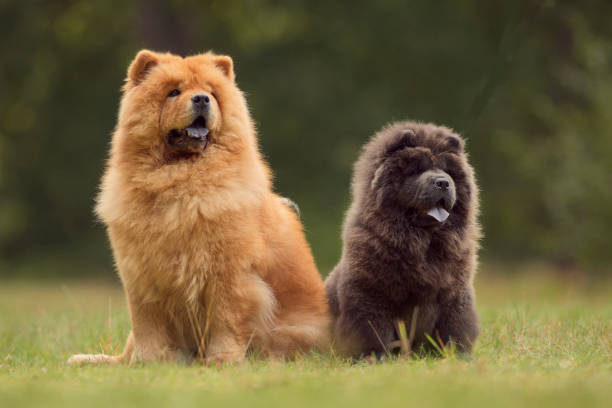
This is is a comprehensive and elaborate guide on the crucial first steps of introducing your puppy to walking on a leash, starting with exercises performed indoors.
This initial training, done in a controlled environment, builds the positive foundation necessary for successful and enjoyable walks outside.
🐾 The Comprehensive Guide to Puppy Leash Training: First Steps Indoors
Part I: Setting the Stage (Preparation and Mindset)
Before you even attach the leash, preparation is key. Puppies learn best when they are happy, slightly hungry (for motivation), and in a low-distraction environment.
1. Necessary Equipment
- Flat Collar or Harness (Recommended): Choose a lightweight, comfortable option. For puppies, a front-clip harness is excellent later for discouraging pulling, but a simple, adjustable harness is ideal for early comfort.
- Leash (4-6 feet): A standard nylon or leather leash. Avoid retractable or bungee leashes for initial training.
- High-Value Treats: These should be small, soft, and irresistible (e.g., small pieces of cheese, cooked chicken, or store-bought training treats).
- Quiet Training Area: A hallway, kitchen, or large living room with the door closed and minimal noise.
2. The Golden Rule: Positive Association
The leash and collar/harness must always be a source of positive feelings, never punishment or frustration. If the puppy feels scared or restricted, you have already lost the battle.
3. Timing
Conduct short, frequent training sessions (5–10 minutes maximum) when your puppy has expended some energy but isn’t overtired.
Part II: Phase 1 – Collar and Harness Acceptance (The Pre-Leash Stage)
The leash is useless if the puppy hates the equipment it’s attached to.
Step 1: Introduction to the Gear
- Show and Treat: Simply show the collar/harness and immediately give a treat. Repeat 5 times (look, treat).
- Handle and Treat: Gently handle the collar/harness, treat.
- The Put-On Game: Bring the collar/harness near the puppy’s body. If the puppy stays calm, treat. Gradually work up to clipping it on.
Step 2: Wearing the Gear
- The Distraction Technique: Once the collar/harness is on, immediately distract the puppy with a fun activity, a favorite toy, or a meal. This prevents them from focusing on the novelty of the gear being on their body.
- Short Periods: Leave the gear on for 5–15 minutes, always supervising. Remove it before the puppy starts excessively scratching or trying to bite it off.
- Ignore the Scratching: If the puppy tries to scratch, redirect them with a toy or a quick treat lure. Do not make a fuss, as attention (even negative) reinforces the behavior.
Goal of Phase 1: The puppy should completely ignore the collar or harness when it is on.
Part III: Phase 2 – Leash Introduction (The Dragging Stage)
Do not hold the leash yet. Let the puppy get used to the feel of the leash.
Step 1: Leash Attachment and Immediate Distraction
- Attach the lightweight leash to the collar/harness.
- Immediately drop treats on the floor or engage in a quick game of fetch. The puppy must learn that the leash being attached means fun things happen.
Step 2: The Dragging Game (Under Supervision)
- Allow the puppy to walk, play, and explore while dragging the leash behind them (ensure the environment is safe—no places where the leash can get seriously snagged).
- If the puppy steps on the leash or is startled by it, calmly approach, toss a treat near the leash, and praise them for staying near it.
- Critical: Never allow the puppy to chew the leash during this phase. If they start chewing, say “Ah-ah!” and redirect them to a chew toy. If chewing persists, end the session.
Goal of Phase 2: The puppy can ignore the leash being attached and dragging behind them, viewing it as a neutral, non-threatening object.
Part IV: Phase 3 – Introducing the Handler (The “Follow Me” Game)
Now, the handler picks up the leash, but the focus is still on the puppy choosing to walk near the owner, not being forced.
Step 1: The “Jiggle and Treat”
- Pick up the leash slack. Hold it gently. Do not apply tension.
- Just hold the leash, give the puppy a treat.
- Gently jiggle the leash (a barely noticeable movement) and immediately treat. This teaches the puppy that small slack movements are not scary.
Step 2: The Lure and Reward (Teaching Momentum)
The goal is to move 3–5 feet without tension on the lead.
- Get Their Attention: Say the puppy’s name and present a high-value treat right at their nose.
- Move Backwards: Take one step backward, keeping the treat glued to their nose. The puppy will follow the treat.
- Reward: As soon as they take 2–3 steps toward you with a loose leash, say “Yes!” and immediately give the treat.
- Repeat: Repeat this process in a short line (e.g., across the kitchen floor).
Step 3: Changing Direction (The Figure-Eight Drill)
Once the puppy consistently follows forward, start practicing turns:
- Use the treat as a lure to encourage the puppy to turn a corner (e.g., around a chair).
- Reward heavily when they complete the turn and continue moving with a loose leash.
- Practice walking in a figure-eight pattern in your quiet area. This builds focus and responsiveness to subtle directional changes.
Part V: Addressing Initial Challenges
| Challenge | Why It Happens | Solution |
|---|---|---|
| The Freeze/Pancake | Fear, feeling restricted, or focusing on the gear. | Do not pull. Kneel down, offer a high-value treat or favorite toy right next to them. If they move even an inch, praise/treat. End on a success, even small. |
| Pulling/Lurching | The puppy is excited or trying to get away from the restriction. | The Stop/Start Method: The moment the puppy hits the end of the leash tension, stop completely. Become a “tree.” Wait until the puppy turns back or slackens the leash, then immediately reward and start walking again. |
| Biting/Attacking the Leash | Frustration, over-excitement, or viewing the leash as a toy. | Redirect immediately. Offer a preferred chew toy instead. If they persist, apply a drop of a bitter apple spray to a small section of the leash (use sparingly). |
| Excessive Sniffing | Puppies explore with their noses, which is natural. | Allow small sniffing breaks, but when training, use the high-value lure to keep their head up. Reward heavily for walking 5 consecutive steps without the nose on the ground. |
Summary Checklist for Indoor Success
Your puppy is ready for Phase 2 (Yard/Quiet Outdoor Walks) when they can consistently meet the following criteria:
- The puppy ignores the collar/harness when it is on.
- The puppy walks 10 consecutive steps with a loose leash (no tension).
- The puppy follows the handler (lure) through a turn or directional change.
- The puppy does not panic or resist when the handler picks up the leash.
- The puppy maintains focus on the handler for the duration of the 5-minute training session.






Add comment