
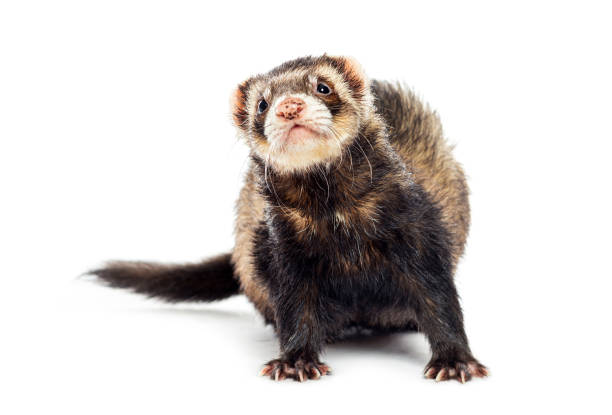
Ferrets (Mustela putorius furo) are increasingly popular as companion animals in North America, Europe, and parts of Asia. Their inquisitive nature and close contact with owners make them vulnerable to ectoparasites that thrive on mammals. While fleas may be most famously associated with cats and dogs, they readily infest ferrets as well. Flea infestations are not merely an annoyance; in ferrets, they can precipitate Flea‑Allergy Dermatitis (FAD)—a hypersensitivity reaction that can rapidly evolve from mild itching to severe, life‑altering skin disease.
Understanding the life cycle of the flea, recognizing early clinical signs, and implementing aggressive control measures are essential for maintaining ferret health, preventing secondary infections, and safeguarding human family members from zoonotic disease. This guide consolidates current scientific knowledge, clinical experience, and practical prevention tactics into a single, detailed resource for veterinarians, ferret breeders, and dedicated owners.
2. The Biology of the Cat & Dog Flea (Ctenocephalides felis)
| Feature | Detail |
|---|---|
| Scientific name | Ctenocephalides felis (primary species infesting ferrets) |
| Morphology | Adult: 2–4 mm, laterally flattened, reddish‑brown. Mouthparts adapted for piercing skin and sucking blood. |
| Life cycle | Egg → Larva (3 instars) → Pupa → Adult. Complete cycle requires 2–3 weeks under optimal conditions (22–26 °C, >70 % RH). |
| Reproductive capacity | Female lays 20–50 eggs per day, up to 2,500 eggs in her lifetime. Eggs are deposited on the host but quickly fall off to the environment. |
| Host‑seeking behavior | Adult fleas are host‑specific only while feeding; they can jump up to 10 cm vertically and 20 cm horizontally, allowing rapid transfer among co‑habiting animals. |
| Survival off‑host | Adults can survive 3–5 days without a blood meal; pupae can endure months within a protective cocoon, emerging only when stimulated by vibrations, heat, or CO₂. |
| Allergenic component | The salivary gland proteins (e.g., Cte f 1, Cte f 2) are the principal allergens that trigger IgE‑mediated responses in susceptible hosts. |
Although the dog flea (C. canis) and the human flea (Pulex irritans) occasionally bite ferrets, C. felis accounts for >95 % of documented ferret infestations worldwide.
3. How Ferrets Acquire Fleas
3.1 Direct Contact with Other Pets
- Co‑habitation: Ferrets kept in the same room as dogs or cats are at the highest risk. Fleas readily jump from a dog’s coat to a ferret’s fur during play or shared sleeping areas.
- Multi‑pet households: Even if the other pet is treated, lapses in monthly dosing can create a “window of vulnerability” during which fleas can transfer.
3.2 Environmental Reservoirs
- Bedding, hideaways, and cages: Flea eggs, larvae, and pupae can accumulate in soft bedding, hammock folds, and nesting material.
- Household carpets and floor coverings: Pupal cocoons often embed within carpet fibers, waiting for a host cue.
3.3 Human‑Mediated Transfer
- Clothing and shoes: A person walking through a flea‑infested yard can inadvertently carry adult fleas into the home, where they may encounter a ferret.
- Visiting friends or relatives: When a ferret visits another household or a veterinary clinic, exposure risk spikes dramatically.
3.4 Seasonal Patterns
- Temperate climates: Flea activity peaks in late spring through early fall when temperature and humidity favor development.
- Indoor‑only ferrets: Although protected from outdoor exposure, indoor ferrets remain vulnerable if the indoor environment provides suitable temperature/humidity (e.g., heated homes, humidifiers).
4. Flea‑Allergy Dermatitis (FAD) – Pathophysiology
4.1 Immunologic Basis
- Sensitization Phase
- A flea bite introduces salivary antigens into the dermis.
- In genetically predisposed ferrets (often those with a history of atopic skin disease), antigen‑presenting cells (Langerhans cells, dendritic cells) process these proteins and present them to Th2‑type CD4⁺ T‑cells.
- Cytokines (IL‑4, IL‑5, IL‑13) stimulate B‑cell class switching to produce IgE specific to flea saliva.
- Effector Phase
- Subsequent flea bites cause cross‑linking of IgE on mast cells and basophils, releasing histamine, prostaglandins, leukotrienes, and cytokines.
- Result: pruritus (itch), vasodilation, edema, and recruitment of eosinophils and neutrophils.
- Chronic Inflammation
- Persistent flea exposure leads to a self‑sustaining inflammatory loop: skin barrier disruption → secondary bacterial colonization → further immune activation.
4.2 Why Ferrets Are Particularly Sensitive
- Ferrets have thin, semi‑dense pelage that allows fleas easy access to the skin.
- Their grooming behavior can exacerbate self‑trauma; scratching and licking intensify dermal damage.
- The species exhibits a high baseline IgE level, predisposing them to allergic dermatoses.
5. Clinical Signs & Symptoms
| System | Typical Findings in Ferrets with Flea Infestation / FAD |
|---|---|
| Dermatologic | • Intense pruritus – ferrets may rub against cage bars, chew at the base of the tail, or exhibit “floppy ears” due to scratching. • Papular eruptions – small raised bumps (1–3 mm) at sites of bite (neck, dorsal thorax, tail base, hind limbs). • Alopecia – patchy hair loss from self‑trauma. • Crusting and scaling – especially on the dorsum and tail. • Excoriations / ulcerations – deep lesions may develop in severe cases. |
| Systemic | • Restlessness / behavioral changes – irritability, reduced appetite. • Anemia – mild to moderate, especially in heavy infestations (>30 fleas). • Weight loss – secondary to chronic inflammation and decreased food intake. |
| Secondary Infections | • Pyoderma – bacterial colonies (often Staphylococcus spp.) produce purulent discharge. • Yeast infection – Malassezia overgrowth in moist, scaly areas. |
| Other | • Flea “sand” – visible black specks (flea feces, digested blood) on the skin or in the bedding. • Flea “cocoons” – tiny white/cream ovals in carpet fibers or cage substrate. |
Note: Not all ferrets with fleas develop FAD. Approximately 10‑30 % are hypersensitive, but the proportion rises in older animals and those with prior atopic dermatitis.
6. Differential Diagnosis
Because pruritic skin disease in ferrets can stem from numerous etiologies, a systematic differential list is essential.
| Condition | Distinguishing Features |
|---|---|
| Atopic Dermatitis (non‑flea) | Seasonal flare, positive intradermal testing to environmental allergens, no flea evidence. |
| Mange (Sarcoptic or Demodectic) | Intense pruritus, burrows, papules on ears, legs; mites identifiable on skin scrapings. |
| Food‑Allergy Dermatitis | Onset after dietary change, improves with hypoallergenic diet; can coexist with FAD. |
| Contact Dermatitis | Localized to areas contacting irritants (e.g., new bedding, cleaning agents). |
| Bacterial/Fungal Folliculitis | Purulent lesions, culture‑positive; often secondary to primary infestation. |
| Neoplastic Skin Lesions (mast cell tumor) | Fixed nodules, non‑pruritic, may ulcerate; confirmed via cytology/histopathology. |
| Escaped Hairball or Gastro‑intestinal Issue (indirect) | Pruritus may be secondary to systemic inflammation; typically absent skin lesions. |
A thorough history, physical exam, and targeted diagnostics will narrow the possibilities.
7. Diagnostic Work‑up
7.1 Physical Examination
- Full‑body inspection with a fine‑toothed flea comb; look for live fleas, flea dirt, and eggs.
- Skin palpation for papules, crusts, and alopecia patterns.
- General health assessment (CBC, serum chemistry) to evaluate anemia, hypoalbuminemia, or systemic disease.
7.2 Laboratory Tests
| Test | Purpose |
|---|---|
| Complete Blood Count (CBC) | Detect anemia, eosinophilia (indicative of allergic response). |
| Serum Chemistry Panel | Assess hepatic and renal function before systemic medications. |
| Serum IgE ELISA (if available) | Quantify flea‑specific IgE; not routine but useful for research or severe cases. |
| Skin Scrapings (potassium hydroxide preparation) | Rule out mites. |
| Cytology of Exudate | Identify bacterial or yeast overgrowth. |
| Flea Identification (microscopic) | Confirm C. felis; differentiate from other ectoparasites. |
7.3 Imaging (Rarely Needed)
- Radiographs may be indicated in severe anemia to evaluate splenic size or detect internal hemorrhage (very uncommon).
7.4 Diagnostic Flowchart (Simplified)
- History of flea exposure? → Yes → Proceed to comb examination.
- Live fleas or flea dirt found? → Yes → Diagnose flea infestation; assess for FAD via clinical signs and eosinophilia.
- No fleas found → Perform skin scrapings, culture, and consider other differentials.
8. Treatment Strategies
Effective management requires instantaneous flea eradication, control of the hypersensitivity reaction, and treatment of secondary complications.
8.1 Immediate Flea Kill & Control
| Product | Recommended Dose for Ferrets | Comments |
|---|---|---|
| Topical fipronil (e.g., Frontline® Spot‑On) | 0.02 mL/kg applied on dorsal neck | Proven safe in ferrets; kills adult fleas within 12 h. |
| Imidacloprid + permethrin (e.g., K9 Advantix®) | 0.1 mL/kg on mid‑back | Avoid use on ferrets with known permethrin sensitivity; observe for neuro‑toxicity. |
| Selamectin (Revolution®) | 6 mg/kg orally or topically every 30 days | Broad‑spectrum; also treats ear mites & heartworms. |
| Oral nitenpyram (Capstar®) | 4 mg/kg single dose, repeat after 24 h if needed | Rapid adulticidal effect (within 30 min); does not affect eggs or larvae. |
| Environmental sprays (e.g., pyrethrin‑based) | Follow label; apply to cage, bedding, room corners | Use with caution; ventilate area and keep ferret removed for 4‑6 h. |
Protocol Example:
- Day 0 – Apply a topical fipronil product.
- Day 0 – Administer oral nitenpyram for immediate adult kill.
- Day 1‑3 – Repeat nitenpyram if flea counts remain >5.
- Day 7 – Begin monthly selamectin to prevent reinfestation.
8.2 Anti‑Inflammatory & Antipruritic Therapy
| Medication | Dose & Route | Duration | Remarks |
|---|---|---|---|
| Prednisone (oral) | 0.5–1 mg/kg q24h | 7‑14 days, taper as signs improve | Primary anti‑inflammatory; watch for immunosuppression. |
| Apoquel® (oclacitinib) | 0.3 mg/kg PO q12h (first 2 days) then q24h | 2‑4 weeks | Targets JAK1, effective for allergic pruritus; off‑label but tolerated. |
| Hydrocortisone 1 % cream | Apply thin layer BID | 7‑10 days | Useful for focal lesions; avoid over‑use. |
| Antihistamines (diphenhydramine) | 1 mg/kg PO q12h | Adjunctive | Limited efficacy alone but helps mild cases. |
8.3 Managing Secondary Infections
- Bacterial pyoderma → Amoxicillin‑clavulanate 20 mg/kg PO q12h for 10‑14 days.
- Staphylococcal infections → Cephalexin 25 mg/kg PO q12h.
- Malassezia dermatitis → Miconazole 2 % shampoo weekly for 3‑4 weeks, plus oral itraconazole 5 mg/kg PO q24h for 2 weeks if severe.
Culture and sensitivity testing is recommended before instituting long‑term antibiotics, especially if lesions persist after flea control.
8.4 Long‑Term Flea‑Prevention Protocol
| Frequency | Product | Rationale |
|---|---|---|
| Monthly | Selamectin (Revolution®) | Continuous adult/flea egg kill, broad‑spectrum protection. |
| Every 3 months | Environmental flea fogger (e.g., diatomaceous earth) | Reduces residual pupae in the environment. |
| Weekly | Vacuuming & laundering bedding at 60 °C | Mechanical removal of eggs/larvae; heat kills pupae. |
| Seasonal “boost” | Spot‑on products during spring/fall peaks | Extra protection when environmental flea pressure rises. |
9. Prognosis & Potential Complications
9.1 Prognosis
- Mild infestations (≤5 fleas, no secondary infection): Excellent prognosis; resolution typically within 2‑3 weeks with proper treatment.
- Moderate to severe FAD (intense pruritus, alopecia, secondary pyoderma): Good to fair prognosis; requires multimodal therapy for 4‑6 weeks.
Key predictors of a favorable outcome: early detection, strict adherence to environmental control, and absence of systemic disease.
9.2 Complications
| Complication | Clinical Impact | Management |
|---|---|---|
| Anemia | Fatigue, pale mucous membranes; may be severe in heavy infestations (>30 fleas). | Whole‑blood transfusion rarely needed; treat underlying flea burden and provide iron‑rich diet. |
| Chronic dermatitis | Persistent pruritus, hyperpigmentation, skin thickening (lichenification). | Long‑term anti‑pruritic meds (e.g., Apoquel®), ongoing flea prophylaxis, skin barrier supplements (omega‑3 fatty acids). |
| Secondary bacterial sepsis | Fever, lethargy, rapid deterioration. | Aggressive antimicrobial therapy; culture‑guided. |
| Allergic sensitization escalation | Development of new allergies (food, environmental). | Re‑evaluate diet, perform intradermal testing if needed. |
| Neurotoxicity from permethrin (if mis‑applied) | Tremors, seizures. | Immediate de‑contamination, supportive care; avoid permethrin in ferrets. |
10. Prevention – The Best Medicine
10.1 Environmental Hygiene
- Cage Management
- Replace or wash all bedding weekly.
- Use low‑pile, washable substrate rather than deep wood shavings.
- Clean cage surfaces with a flea‑safe disinfectant (e.g., 0.1 % benzalkonium chloride).
- Whole‑House Strategies
- Vacuum carpets, rugs, and upholstery daily during flea season. Empty vacuum bags into sealed bags and discard.
- Steam‑clean hard‑floor surfaces; high temperature (>70 °C) kills pupae.
- Apply insect growth regulators (IGRs) such as methoprene or pyriproxyfen to perimeters; these inhibit larval development without toxic effects on mammals.
- Outdoor Control (if applicable)
- Keep lawns mowed short; remove leaf litter.
- Treat dogs/cats with year‑round topical or oral flea products to reduce the “community reservoir.”
10.2 Choosing the Right Preventative Product
- Safety First: Ferrets are highly sensitive to permethrin and organophosphates; avoid these classes.
- Efficacy: Look for products with a dual‑action (adulticide + larvicidal). Selamectin, fipronil, and imidacloprid‑based combos meet this criterion.
- Administration Convenience: Monthly spot‑ons or oral chewables are easier for busy owners; however, ensure the product size is appropriate for the ferret’s body weight (most are formulated for dogs >5 kg, so dose‑adjustment may be necessary).
10.3 Integrated Pest Management (IPM) Model
| Step | Action | Frequency |
|---|---|---|
| 1. Monitoring | Flea trap (sticky or light‑attracted) placed near ferret’s cage. | Weekly |
| 2. Mechanical Control | Vacuuming, washing bedding. | Daily/weekly |
| 3. Chemical Control | Apply approved spot‑on or oral prophylaxis. | Monthly |
| 4. Biological Control | Use Beneficial Nematodes (Steinernema carpocapsae) in outdoor soil to reduce flea larvae (if ferret has outdoor access). | Seasonal |
| 5. Education | Review protocol with all household members. | Quarterly |
11. Diet & Nutrition for a Resilient Immune System
A robust immune response reduces the severity of allergic reactions and promotes faster healing of skin lesions.
11.1 Macronutrients
| Nutrient | Recommended Level (per 100 g of diet) | Role in Skin Health |
|---|---|---|
| Protein | 30–35 g (high‑quality animal sources) | Provides amino acids for keratin synthesis and wound repair. |
| Fat | 12–15 g (incl. ≥3 % omega‑3 fatty acids) | Improves skin barrier, reduces inflammation, supports coat shine. |
| Carbohydrate | 30–35 g (limited; prioritize digestible starches) | Energy source; excessive carbs can predispose to obesity, aggravating pruritus. |
11.2 Micronutrients & Supplements
| Micronutrient | Daily Requirement (approx.) | Dermatologic Benefit |
|---|---|---|
| Zinc | 30 mg | Essential for epidermal integrity; deficiency leads to alopecia. |
| Vitamin E | 30 IU | Antioxidant; mitigates oxidative stress from inflammation. |
| Vitamin A (β‑carotene) | 1,200 IU | Supports epithelial differentiation. |
| Selenium | 0.05 mg | Works synergistically with Vitamin E. |
| Biotin | 0.1 mg | Improves hair coat quality. |
Supplements:
- Fish oil (EPA/DHA 1 % of diet) – reduces pruritus and inflammation.
- Probiotics (Lactobacillus spp.) – enhances gut immunity, indirectly benefiting skin health.
11.3 Feeding Practices
- Meal Frequency – Offer 2–3 small meals per day to maintain stable blood glucose, which can influence itch perception.
- Hydration – Provide fresh water at all times; dehydration impairs skin elasticity.
- Avoid Allergens – If a ferret shows food‑related dermatologic signs, transition to a hydrolyzed protein diet (e.g., novel‑source rabbit or venison) after a 2‑week trial.
12. Zoonotic Risks – Fleas as Vectors to Humans
While ferrets rarely transmit pathogens directly to people, fleas can act as mechanical or biological vectors for several zoonoses:
| Pathogen | Disease in Humans | Transmission Route |
|---|---|---|
| Bartonella henselae | Cat‑scratch disease (fever, lymphadenopathy) | Flea feces contaminating scratches; flea bites. |
| Rickettsia felis | Flea‑borne spotted fever (rash, fever, headache) | Flea bite or contaminated flea feces. |
| Yersinia pestis (plague) | Bubonic plague | Rare; fleas from infected rodents can bite ferrets, then humans. |
| Dipylidium caninum (tapeworm) | Intestinal infection (asymptomatic or mild GI upset) | Ingestion of infected flea → ferret → human (if human ingests flea). |
| Allergic reactions | Contact dermatitis, urticaria | Flea saliva proteins in the environment; indirect exposure. |
Preventive Measures for Humans
- Wear protective gloves when cleaning cages or handling infested bedding.
- Wash hands thoroughly after any contact with ferret or its environment.
- Ensure all household members, especially children, are up‑to‑date on flea control for all pets.
13. Owner‑Education & Practical Checklist
13.1 Immediate Action Plan (First 24 h)
- Inspect ferret with flea comb; collect any fleas for identification.
- Administer a rapid‑acting adulticide (e.g., nitenpyram) and apply a monthly spot‑on (fipronil).
- Begin anti‑pruritic therapy (prednisone or oclacitinib).
- Isolate the ferret in a clean cage with fresh, washed bedding.
13.2 7‑Day Follow‑Up
- Re‑check flea count; repeat nitenpyram if >5 fleas remain.
- Assess skin lesion improvement; start antibiotics if pyoderma evident.
- Initiate selamectin for ongoing prevention.
13.3 30‑Day Review
- Perform complete blood work to confirm resolution of anemia/eosinophilia.
- Evaluate for any lingering alopecia; consider omega‑3 supplementation for skin barrier repair.
- Review environmental cleaning schedule; adjust as needed.
13.4 Annual Maintenance
| Task | Frequency |
|---|---|
| Full flea‑prevention regimen (spot‑on/oral) | Every month |
| Cage deep‑clean & bedding replacement | Every 4 weeks |
| Vacuum & steam‑clean home | Monthly (more often during peaks) |
| Skin check during routine wellness exam | Every 6 months |
| Nutritional review | Annually or when weight changes >10 % |
Key Take‑Home Messages
- Flea infestations, though often under‑recognized, can trigger severe Flea‑Allergy Dermatitis in ferrets.
- Prompt diagnosis (physical exam, flea comb, CBC) and aggressive, multimodal treatment (adulticide, anti‑inflammatory drugs, infection control) are vital.
- Environmental control is as crucial as the pharmacologic approach; fleas can persist in carpet and bedding for months.
- A balanced diet rich in high‑quality protein, omega‑3 fatty acids, and essential micronutrients bolsters the ferret’s skin barrier and immune competence.
- Zoonotic transmission of flea‑borne pathogens underscores the need for household‑wide flea management and proper hygiene.
By integrating vigilant monitoring, evidence‑based therapeutics, and diligent prevention, ferret owners can safeguard their pets from the debilitating consequences of flea infestations and enjoy a healthy, itch‑free companion for years to come.
#FerretHealth, #FleaInfestation, #FleaAllergyDermatitis, #FAD, #FerretCare, #ExoticPetVet, #PetDermatology, #FleaControl, #Ectoparasites, #FerretLife, #FerretLove, #FerretDiet, #ImmuneSupport, #Omega3ForPets, #Zoonosis, #FleaPrevention, #PetSafety, #FerretOwners, #HealthyFerrets, #FleaFreeHome, #IntegratedPestManagement, #VetTips, #FerretWellness, #FleaTreatment, #AllergicDermatitis, #PetNutrition, #FerretCommunity, #FerretEducation, #FleaAwareness, #PetZoonoses.




Add comment