
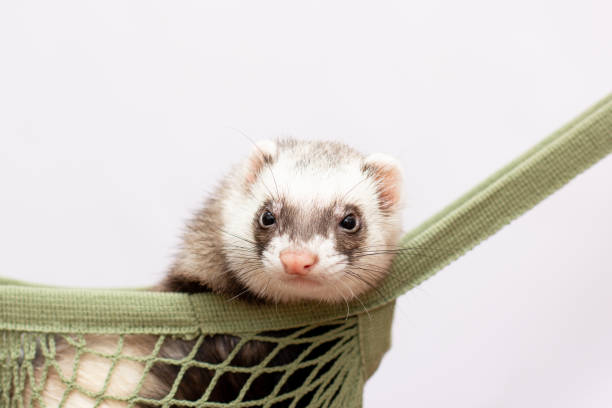
The prospect of flying with a beloved ferret can be daunting for even the most experienced pet owners. While cats and dogs are increasingly common sights in airport terminals and aircraft cabins, ferrets, as exotic pets, present a unique set of challenges and considerations. Their specific needs, susceptibility to stress, and the highly variable nature of airline and international regulations demand meticulous planning and an unwavering commitment to your ferret’s safety and well-being.
This extensive guide aims to equip you with the knowledge and actionable steps necessary to navigate the complex world of air travel with your ferret. We will delve deep into pre-flight preparations, understanding airline policies, ensuring carrier safety, managing the travel day, and providing crucial post-flight care. Please note: airline regulations and international import laws are subject to frequent change. This guide provides comprehensive information, but it is imperative that you verify all details directly with your chosen airline, the relevant government authorities of your destination country, and your veterinarian well in advance of your planned travel date.
Part 1: Pre-Flight Preparation – The Foundation for a Smooth Journey
The success of your ferret’s journey begins long before you even consider booking a ticket. Thorough preparation is not just recommended; it is absolutely essential for their safety and your peace of mind.
1.1 Decision Making: Is Flying Right for Your Ferret?
Before anything else, critically evaluate whether air travel is truly the best option for your ferret. Flying can be a stressful experience for animals, even under ideal conditions.
- Ferrets’ Temperament and Stress Levels: Ferrets are generally curious and adaptable, but they are also creatures of habit. Unfamiliar environments, loud noises, drastic temperature changes, and confinement can induce significant stress. A naturally anxious or timid ferret may suffer more than a calm, well-socialized one. Observe your ferret’s reactions to new situations; if they easily become stressed, consider alternatives.
- Age and Health Considerations:
- Very Young Ferrets (under 16-20 weeks): Are typically too delicate for air travel. Their immune systems are still developing, and they are more susceptible to illness and stress. Many airlines have age restrictions.
- Very Old Ferrets or Those with Chronic Conditions: May have underlying health issues (e.g., insulinoma, adrenal disease, heart conditions, respiratory problems) that could be exacerbated by the stresses of flying. Changes in air pressure, temperature, and confined spaces can be dangerous.
- Brachycephalic Breeds: While ferrets are not typically considered brachycephalic (short-nosed) like some dog breeds, any ferret with pre-existing respiratory issues could be at higher risk.
- Alternatives to Flying:
- Pet Sitters/Boarding Facilities: If your trip is short, leaving your ferret with a trusted sitter or at a reputable ferret-savvy boarding facility might be the least stressful option. Ensure they are experienced with ferrets and understand their specific care needs.
- Road Trips: If your destination is reachable by car, a road trip allows for more control over environment, comfort breaks, and direct interaction with your ferret. This is often a less stressful alternative for ferrets compared to flying.
- Professional Pet Transport Services: For long distances or international moves, consider hiring a specialized pet transport company. These companies handle all logistics, paperwork, and ensure comfort, though they come at a significant cost.
1.2 Health & Veterinary Care: Essential First Steps
A clean bill of health is non-negotiable for air travel. Schedule a comprehensive veterinary visit well in advance, ideally 3-4 weeks before your departure, to allow time for any necessary treatments or paperwork.
- Pre-Travel Vet Check-up: Your veterinarian will perform a thorough physical examination to ensure your ferret is healthy enough to fly. Disclose all travel plans, including your destination, to your vet. Discuss any known health issues your ferret has.
- Vaccinations:
- Rabies: This is almost universally mandatory for pet travel, both domestically (in many regions) and internationally. Ensure your ferret’s rabies vaccination is current and administered by an accredited veterinarian. The vaccination must be given at least 21-30 days prior to travel for it to be considered valid by most authorities, and your ferret must be of a certain age (e.g., 3 months) to receive it.
- Canine Distemper: While not always strictly required for travel, it’s highly recommended that your ferret is up-to-date on its distemper vaccination. This protects them from a serious, often fatal, disease, especially when exposed to new environments and potential pathogens.
- Health Certificate (APHIS Form 7001 or Equivalent): This is perhaps the most critical document.
- Understanding Requirements: A health certificate, issued by a USDA-accredited veterinarian (in the US) or equivalent authority in other countries, attests to your ferret’s health and fitness for travel. It typically states that your ferret is free of infectious diseases and parasites and is cleared for transport.
- Validity Periods: Health certificates have strict validity periods, usually 10 days from the date of issuance to the date of entry into the destination. For international travel, the re-endorsement by a government veterinarian (e.g., USDA endorsement in the US) can shorten this window. Plan your vet appointment carefully to align with these deadlines.
- Endorsement: For international travel, and sometimes for domestic travel, the health certificate may need to be endorsed by a government agency (e.g., the USDA Animal and Plant Health Inspection Service – APHIS in the US). This adds an additional layer of complexity and time.
- Microchipping: Many airlines and countries require a microchip for identification. Ensure your ferret’s microchip is ISO-compliant (15-digit) and that your contact information associated with the chip is current. Scan the chip at your vet to confirm it’s working.
- Parasite Prevention: Discuss internal and external parasite prevention (fleas, ticks, mites, heartworm) with your vet, especially if your destination has different or increased risks.
- Medications:
- Sedatives: Generally, veterinarians strongly discourage sedating ferrets for air travel. Sedatives can interfere with their natural ability to regulate body temperature and blood pressure, potentially leading to respiratory distress, cardiovascular collapse, or disorientation at altitude. If your ferret is extremely anxious, discuss mild anti-anxiety medications or natural calming aids with your vet, but be prepared for them to advise against it.
- Anti-Nausea Medication: If your ferret is prone to motion sickness, your vet might suggest an anti-emetic, but again, this should be used with extreme caution and under veterinary guidance for air travel.
- Prescription Medications: If your ferret is on regular medication, ensure you have an adequate supply, a copy of the prescription, and documentation from your vet explaining its necessity.
1.3 Airline Research & Booking: The Bureaucracy
This is where the real legwork begins. Airline policies regarding exotic pets like ferrets vary dramatically. Do not assume anything.
- Choosing an Airline:
- Which Airlines Allow Ferrets? Many airlines have strict “no exotic pets” policies. Others may allow ferrets only in cargo, and a very limited few might permit them in the cabin (though this is rare and usually restricted by size, number, and destination).
- US Airlines: Major carriers like United, American, and Delta often have well-established pet cargo programs (sometimes referred to as “PetSafe” or “Live Animal” services). However, their in-cabin policies are often species-specific, and ferrets may be excluded or only allowed if they meet stringent size requirements for an under-seat carrier. Southwest Airlines, for example, only allows cats and dogs in the cabin. Alaska Airlines sometimes allows ferrets in cargo, but generally not in the cabin. These policies change, so always check directly.
- International Airlines: Policies are even more diverse. Some European carriers (e.g., Lufthansa, KLM) have robust cargo programs for pets. Others, like British Airways, may not allow ferrets at all, or only under very strict, specific conditions. Some budget airlines do not transport any animals.
- Restrictions: Be aware of potential restrictions:
- Temperature Embargoes: Airlines impose temperature restrictions for animals traveling in cargo. If ground temperatures at departure, layover, or arrival airports are too hot (e.g., above 85°F/29°C) or too cold (e.g., below 20-45°F/-6-7°C, depending on the airline and acclimatization), your ferret will not be allowed to fly in cargo. These embargoes can lead to last-minute cancellations.
- Time of Year/Season: Related to temperature embargoes.
- Number of Pets: There are usually limits to how many pets can travel on a single flight.
- Aircraft Type: Some smaller aircraft may not be equipped to safely transport animals in cargo.
- Booking Process:
- Early Booking is Key: Contact the airline before booking your own ticket to inquire about their specific ferret policy, availability on your desired flight, and to reserve space for your ferret. Pet spaces are often limited.
- Inform the Airline Immediately: Once you have a confirmed flight, notify the airline again that you will be traveling with a ferret. They will need to add your ferret to your booking. Be prepared to provide carrier dimensions, ferret weight, and other details.
- Which Airlines Allow Ferrets? Many airlines have strict “no exotic pets” policies. Others may allow ferrets only in cargo, and a very limited few might permit them in the cabin (though this is rare and usually restricted by size, number, and destination).
- In-Cabin vs. Cargo: This is often the most significant decision for ferret owners.
- In-Cabin (Carry-on):
- Pros: Your ferret remains with you, allowing for direct monitoring and reassurance. They are in a climate-controlled environment, avoiding extreme temperatures. Reduced stress for both you and your ferret.
- Cons: Ferrets are often not allowed in the cabin by many airlines due to “exotic pet” policies, potential odors, or the perception of being a nuisance. If allowed, the carrier must fit under the seat in front of you, meaning strict size and weight limits. Only a small, docile ferret might qualify.
- Cargo/Checked Baggage (Hold):
- Pros: More airlines transport ferrets in cargo. Larger carriers are permitted, allowing more space for your ferret.
- Cons: Your ferret is separated from you for the duration of the flight. The cargo hold is pressurized and temperature-controlled, but it can still be noisier, darker, and subject to more fluctuations than the cabin. There’s an inherent worry for owners about their pet’s well-being. Increased risk of stress, injury, or loss (though rare, it does happen). Long layovers can be particularly stressful.
- Understanding Temperature Restrictions: This is crucial. Airlines have strict guidelines for the ambient temperature where the pet will be handled and held. These are for the animal’s safety. Be prepared for potential flight changes or cancellations due to weather.
- In-Cabin (Carry-on):
- Costs: Flying with a pet is an additional expense.
- Pet Fees: These vary wildly. In-cabin fees are generally lower (e.g., $125-$200 USD each way for domestic flights). Cargo fees are significantly higher, potentially ranging from $200 to $1,000+ USD, depending on the airline, route, and carrier size, especially for international travel.
- Additional Costs: Vet visits, health certificates, government endorsements, specialized carriers, and microchipping all add up.
1.4 Destination Regulations: International & Domestic
Traveling across borders with a ferret can be incredibly complex. Do your research meticulously.
- Quarantine Laws: Many countries (e.g., Australia, New Zealand, Hawaii, Iceland, Japan, the UK) have very strict biosecurity laws and may require lengthy quarantines for ferrets, or even outright prohibit their entry. A quarantine can be months long and expensive, and highly stressful for your ferret.
- Import Permits: Many countries require an import permit issued by their Ministry of Agriculture or equivalent department before your ferret can enter. Obtaining these can take weeks or months.
- Specific Vaccinations/Tests: Beyond rabies and distemper, some countries require additional tests, such as rabies blood titers (FAVN test), which measure the effectiveness of the rabies vaccine. This test often needs to be done months in advance of travel. Other tests for specific parasites might also be required.
- Customs Procedures: Understand the customs process at your destination. Who do you contact upon arrival? What documents do you need to present?
- Researching Your Destination: Contact the embassy or consulate of your destination country well in advance. Visit their official government websites (e.g., USDA APHIS for US, DEFRA for UK, etc.) for the most up-to-date regulations.
Part 2: The Travel Carrier – Your Ferret’s Safe Haven
The carrier is more than just a box; it’s your ferret’s personal space and safety device for the duration of the journey. It must comply with strict regulations and provide comfort.
2.1 IATA Regulations & Airline Specifics
Airlines generally follow the International Air Transport Association (IATA) Live Animal Regulations (LAR), which are the global standard for safe and humane animal transport. However, airlines can have even stricter requirements.
- Size Requirements:
- Under-Seat (In-Cabin): If your ferret is permitted in the cabin, the carrier must fit entirely under the seat in front of you. Airlines provide specific dimensions (e.g., typically 18″ L x 11″ W x 11″ H, though this varies). Soft-sided carriers are often preferred for cabin travel as they can be slightly compressed, but hard-sided might also be allowed if they fit.
- Cargo (Hold): For cargo, carriers must be large enough for your ferret to stand up, turn around, and lie down in a natural position comfortably. Generally, this means the ferret’s head (ears included) should not touch the top of the carrier when standing, and it should be able to turn around without difficulty.
- Construction:
- Material: For cargo travel, hard-sided carriers made of sturdy plastic, metal, or wood are almost universally required. They offer superior protection. Soft-sided carriers are typically not permitted for cargo.
- Ventilation: Paramount for air circulation and preventing overheating. The carrier must have adequate ventilation on at least three sides (preferably four) for cargo travel, with openings that prevent paws or noses from protruding.
- Leak-Proof Bottom: The bottom of the carrier must be solid and leak-proof, lined with absorbent bedding to contain any accidents.
- Secure Latching Mechanisms: The door must have a spring-loaded latch that cannot be opened accidentally by the ferret or airline staff. Securing the door with zip ties or reusable cable ties (but allowing quick release by staff if needed) is often recommended or required by airlines for cargo.
- Food and Water Dishes: Two separate, spill-proof dishes (one for food, one for water) must be securely attached to the inside of the carrier door and accessible from the outside without opening the door. This allows airline personnel to offer food and water during layovers if necessary.
- Labeling:
- “LIVE ANIMAL”: Clearly label the carrier with large, legible “LIVE ANIMAL” stickers on the top and at least two sides.
- “THIS WAY UP” Arrows: Arrows indicating the upright position of the carrier are essential.
- Owner Contact Information: Attach multiple labels with your name, address, phone number, and destination contact information. Include a temporary travel tag with your flight number and destination airport. It’s wise to attach a laminated photo of your ferret as well.
- Feeding Instructions: For cargo travel, attach clear feeding and watering instructions, including the last time your ferret was fed and offered water. If your ferret has specific needs or medications, clearly state this.
2.2 Making the Carrier Comfortable & Safe
Once you have a compliant carrier, focus on making it a comforting space.
- Bedding: Line the carrier with absorbent, familiar bedding. An old t-shirt or blanket with your scent can provide comfort. Avoid shredded paper or anything that can become messy or easily ingested. Absorbent pee pads underneath a soft blanket are ideal.
- Food & Water:
- For cargo, place a small amount of dry kibble in the attached food dish.
- For water, a frozen bottle of water (which slowly melts) or ice cubes in the attached water dish can prevent spills and provide a continuous, fresh water supply, especially important during travel or layovers where temperature control might be less precise.
- For in-cabin, a small spill-proof water bottle can be used, or you can offer water from your hand during quiet moments, though opening the carrier is generally discouraged.
- Toys: Include one or two familiar, non-choking toys (e.g., a small cloth toy, a favorite enrichment item) to provide a sense of normalcy and distraction. Avoid toys with small parts that could break off.
- Carrier Acclimatization: Start crate training your ferret weeks or even months before the flight. Make the carrier a positive, safe space. Put treats and familiar bedding inside. Let your ferret sleep and play in it regularly. This reduces novelty stress on travel day.
Part 3: The Day of Travel – Minimizing Stress and Maximizing Safety
Despite all planning, travel day will be hectic. A calm, organized approach is key.
3.1 Pre-Flight Routine
- Exercise and Playtime: Allow your ferret ample playtime and exercise before crating them for the flight. A tired ferret is generally a calmer ferret.
- Last Potty Break: Before going to the airport, ensure your ferret has a final opportunity to relieve themselves. This might mean gently holding them over a litter box or designated area.
- Food Restrictions: Offer a light meal 4-6 hours before your scheduled departure. Avoid heavy meals close to flight time, as this can lead to an upset stomach or airsickness.
- Water: Offer water freely right up until it’s time to put your ferret in the carrier. For cargo, ensure the attached water dish is filled with ice cubes or a frozen water bottle just before check-in.
- Documents: Gather all essential documents in an easily accessible folder: health certificate, vaccination records, import permits, airline booking confirmations, your vet’s contact info, and contact info for a vet at your destination. Attach copies to the carrier.
3.2 At the Airport
- Check-in: Arrive at the airport significantly earlier than recommended for human passengers (typically 3-4 hours for domestic with pets, even more for international). This allows ample time for pet check-in procedures, which can be lengthy.
- Security Checkpoint (TSA/Equivalent): This is a critical point.
- Ferrets Must Be Removed: According to TSA rules (and similar regulations internationally), you must remove your ferret from their carrier at the security checkpoint. The empty carrier will go through the X-ray machine.
- Handling Your Ferret: You will either carry your ferret through the metal detector in your arms or walk them through on a leash and harness.
- Nervous Ferrets: If your ferret is particularly nervous or prone to escaping, ensure they are securely harnessed and leashed. Some owners use a small, clear plastic bag (like a large Ziploc bag) with air holes to temporarily contain a very squirmy ferret during this process, allowing them to remain visible without being completely free. Inform the TSA agent you are traveling with an exotic pet. You can ask for a private screening room if you’re concerned about your ferret escaping or reacting poorly in a crowded, noisy environment.
- Boarding (for In-Cabin Pets): Once through security, proceed to your gate. Keep your ferret in its carrier under the seat. Avoid opening the carrier during the flight.
- Last-Minute Checks (for Cargo Pets): Before your ferret is taken to cargo, make one final check: is the water dish full (with ice/frozen water)? Is the food dish accessible from outside? Are all labels securely attached? Are the zip ties on the door secure?
3.3 During the Flight
- In-Cabin:
- Under the Seat: Your ferret’s carrier must remain stowed under the seat in front of you for the entire flight.
- Monitoring: Periodically reach down and gently reassure your ferret through the carrier mesh. Observe any signs of distress without opening the carrier.
- Potty Breaks: Potty breaks are generally not possible in-flight. Ensure your carrier has absorbent bedding.
- Cargo:
- Trust the Airline: Once your ferret is taken to the cargo hold, you must trust the airline staff to follow their protocols. The cargo hold is pressurized and temperature-controlled.
- Request Updates: While not always possible, you can sometimes ask flight attendants at various points if they can check on the cargo area’s status or if there have been any reports. However, direct interaction with your pet is impossible.
3.4 Sedation & Calming Aids
- Veterinary Advice is Crucial: As mentioned, most veterinarians strongly advise against sedating ferrets for air travel. The primary reasons include:
- Respiratory and Cardiovascular Risks: Sedatives can depress the respiratory and cardiovascular systems, which can be dangerous at altitude where oxygen levels are slightly reduced.
- Temperature Regulation: Sedation impairs an animal’s ability to regulate its body temperature, increasing the risk of overheating or hypothermia.
- Disorientation: A sedated animal may be unable to brace itself during turbulence, leading to injury, and can experience disorientation upon waking, increasing stress.
- Natural Calming Aids: If your vet deems it safe, mild calming aids might be considered:
- Familiar Scents: Placing familiar bedding with your scent in the carrier can be comforting.
- Pheromone Sprays: While specific ferret pheromone products are not widely available, some general pet calming sprays (like Feliway, though primarily for cats) might be suggested by a vet, but their efficacy for ferrets is not well-established. Always consult your vet before using any product.
- Herbal Remedies: Some herbal calming remedies exist, but their safety and efficacy for ferrets during air travel are generally not supported by scientific evidence. Never administer any supplement or medication without explicit veterinary approval.
3.5 Emergency Preparedness
- Ferrets First-Aid Kit: Carry a small first-aid kit for your ferret with essential items: non-stick bandages, antiseptic wipes, sterile saline solution for eye flushing, blood stop powder (for nail trimming accidents), small clippers, and any prescribed medications.
- Emergency Contact Information: Have your regular vet’s number, the airline’s pet desk number, and the contact information for a ferret-savvy vet at your destination readily available.
Part 4: Arrival and Post-Flight Care – Settling In
The journey doesn’t end when the plane lands. Your ferret will need careful attention upon arrival.
4.1 Retrieval
- In-Cabin: Simply retrieve your ferret’s carrier from under the seat and proceed as normal.
- Cargo: For cargo pets, you will typically need to go to a designated cargo area or a specific baggage claim carousel for live animals, which might be separate from general baggage claim. This can take some time.
- Inspection: Once you have your ferret, immediately inspect the carrier for any damage and, more importantly, carefully inspect your ferret for any signs of injury, illness, or severe distress. Check for wetness (from spills or urine), any obvious wounds, and observe their breathing and demeanor.
4.2 Immediate Post-Flight Care
- Offer Water: The first priority is to offer fresh water. Your ferret may be dehydrated after the flight.
- Potty Break: If safe and appropriate, find a quiet, secure restroom or outdoor area (away from other animals) for a potty break. If this isn’t immediately feasible, they will have to rely on their carrier bedding.
- Small, Familiar Meal: Offer a small amount of their regular food. Don’t overfeed, as they might have an upset stomach.
- Check for Signs of Stress or Illness: Monitor your ferret closely for the next 24-48 hours. Look for:
- Lethargy, extreme weakness
- Vomiting or diarrhea
- Labored or rapid breathing
- Loss of appetite or thirst
- Unusual disinterest in surroundings
- Swelling or limping
- If you observe any concerning symptoms, contact a local veterinarian immediately.
4.3 Adjusting to New Environment
- Quiet, Secure Space: Upon arriving at your final destination, provide your ferret with a quiet, secure, and familiar space where they can decompress. Set up their regular cage, bedding, litter box, food, and water.
- Maintain Routine: Try to maintain their normal feeding and sleeping routine as much as possible to help them adjust.
- Monitor Health: Continue to monitor their health and behavior for several days. Stress can sometimes manifest as illness a few days after the event.
- Locate a Local Vet: Prior to travel, research and identify a ferret-savvy veterinarian at your destination, just in case.
4.4 Quarantine (if applicable)
- If your ferret is subject to quarantine, ensure you understand the entire process, including:
- Duration: How long will they be quarantined?
- Location: Where will they be housed?
- Visiting Rights: Will you be allowed to visit?
- Costs: What are the associated fees?
- Release Procedures: What steps are needed for their release?
- Prepare for this to be a stressful and potentially lengthy separation for both you and your ferret.
Part 5: Specific Airline Policies and International Considerations
While specific airline policies are constantly evolving, understanding general trends and common obstacles can help set expectations.
5.1 General Trends in Major Airlines (US & International)
- US Airlines:
- Generally, ferrets are not allowed in the cabin. Exceptions are rare and typically involve very small carriers that fit under the seat, but even then, many airlines classify ferrets as “exotic” and exclude them from in-cabin travel.
- Cargo is the more common option. Airlines like United (PetSafe), American (American Airlines Cargo), and Delta (Delta Cargo) operate dedicated pet cargo services. These services adhere to strict IATA guidelines, including detailed temperature controls, specialized handling, and a separate booking process from passenger tickets. However, they are also more expensive and subject to weather embargoes.
- It is crucial to call the specific cargo department, not just general customer service, as their policies and booking procedures differ significantly.
- International Airlines:
- Highly Variable: Policies range from outright bans to highly specialized cargo services.
- Cargo Dominates: For international travel, ferrets are almost exclusively transported in the cargo hold.
- Examples:
- Lufthansa/KLM: Often considered pet-friendly, with robust cargo facilities and experienced staff, adhering strictly to IATA regulations. They often have dedicated animal handling facilities at their hub airports.
- British Airways: Generally does not accept ferrets or other exotic pets, even in cargo, unless they are service animals. This is a common policy among some European and Asian carriers.
- Qantas/Air New Zealand: Very strict due to Australia and New Zealand’s biosecurity laws, often requiring extensive quarantine or outright prohibiting entry for ferrets.
- Always check the specific airline’s cargo or live animal policy page, then call to confirm.
5.2 Countries with Strict Import Regulations
Certain countries and regions have exceptionally stringent biosecurity laws to protect their native ecosystems from invasive species and diseases. Bringing a ferret into these areas is often difficult, expensive, and may involve lengthy quarantines or be prohibited entirely.
- Australia & New Zealand: These countries have some of the strictest biosecurity laws in the world. Importation of ferrets is generally not permitted from most countries, if at all, due to concerns about their potential impact on native wildlife and disease transmission. Any exceptions would involve extremely long and costly quarantine periods.
- Hawaii (USA): Despite being a US state, Hawaii has strict quarantine laws for all incoming non-native animals, including ferrets, to protect its unique ecosystem. Long quarantines are typically mandated.
- Iceland: Similarly, Iceland has very strict animal import regulations, often banning ferrets or requiring extensive quarantine.
- Japan: Requires specific health checks, vaccinations, and potentially quarantine. Advanced planning (months to a year) is essential.
- United Kingdom: Requires specific health certification, microchipping, rabies vaccination, and a waiting period. While not always a direct quarantine facility like Australia, the process is detailed and requires strict adherence.
- Schengen Area (EU): While generally more unified, individual EU countries may have specific rules for ferrets. The EU Pet Passport scheme primarily covers dogs, cats, and ferrets, but specific member states can impose additional requirements.
Key Takeaway: For international travel, you must contact two entities:
- The specific airline you intend to use and discuss their live animal cargo policy for ferrets.
- The embassy or consulate of your destination country (and any transit countries) to understand their exact import laws, required documents, tests, and quarantine policies. Do this months in advance.
Conclusion
Flying with a ferret is a complex undertaking that demands meticulous planning, extensive research, and a deep understanding of your ferret’s individual needs. While it is possible, it is never without risk. The decision to transport your ferret by air should not be taken lightly. Always prioritize your ferret’s health and well-being over convenience.
By following the guidelines outlined in this comprehensive guide, working closely with your veterinarian, and diligently communicating with airlines and relevant authorities, you can significantly mitigate risks and prepare for the safest possible journey for your furry companion. Remember, flexibility and patience are your greatest assets when navigating the intricate world of exotic pet air travel. Safe travels to you and your precious ferret!
#FlyingWithFerrets, #FerretsOnAPlane, #FerretsWhoTravel, #PetTravelTips, #FerretsOfInstagram, #AirlinePetPolicy, #FerretsRule, #ExoticPetTravel, #PetSafety, #TravelWithPets, #FerretsAdventures, #FerretsDaily, #PetCare, #FerretsAreAwesome, #AirlineRegulations, #FurFamilyTravel, #WeaselWednesday, #FerretsLife, #PetFriendlyTravel, #TravelGuideFerrets, #FerretsTraveling, #AirTravelWithFerrets, #FerretsAbroad, #FerretsAndTravel, #PetAirTravel.






Add comment