
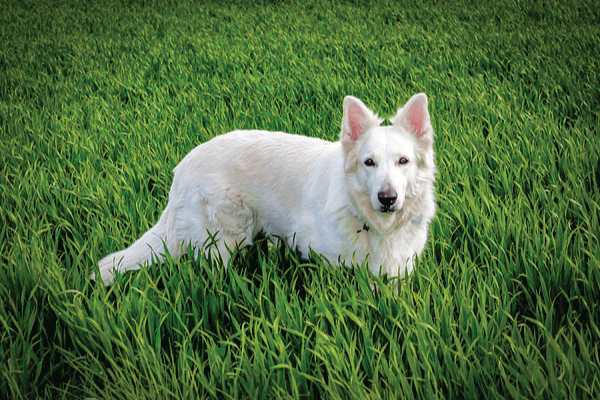
The bond we share with our canine companions is profound, and ensuring their health and well-being is a top priority for any devoted pet parent. In recent years, an increasing number of dog owners have become aware of, and concerned about, adverse food reactions in their beloved pets. What often begins as an unexplained itch, a persistent upset stomach, or recurrent ear infections can, in many cases, trace its roots back to what’s in their food bowl. Understanding the nuances of food allergies and intolerances in dogs is crucial for accurate diagnosis, effective management, and ultimately, a significantly improved quality of life for affected animals.
This comprehensive guide aims to demystify canine food sensitivities, distinguishing between true food allergies (immune-mediated) and food intolerances (non-immune mediated adverse reactions). We will delve into their causes, explore the myriad of symptoms they can present, detail the definitive diagnostic process, and outline long-term management strategies, all designed to empower dog owners with the knowledge to navigate this often-challenging aspect of pet care.
Chapter 1: Understanding the Basics – Food Allergy vs. Food Intolerance
While often used interchangeably by the general public, “food allergy” and “food intolerance” describe two distinct types of adverse reactions to food in dogs, each with different underlying mechanisms and implications. Grasping this fundamental difference is the first, and arguably most important, step in addressing your dog’s symptoms.
1.1. Food Allergy (Adverse Food Reaction with Immunological Basis)
A true food allergy, also known as a food hypersensitivity, is an adverse reaction to a food antigen (typically a protein) that involves the immune system. The dog’s immune system mistakenly identifies a harmless food protein as a threat, mounting an exaggerated response. This immune response can be immediate or delayed, and its severity can range from mild discomfort to, in very rare cases, life-threatening anaphylaxis.
Key Characteristics of a Food Allergy:
- Immune System Involvement: The defining feature. The body produces antibodies (primarily IgE, but also IgG, IgA or involves cell-mediated responses) or activates immune cells against specific food proteins.
- Small Amounts Trigger Reaction: Even a tiny trace of the offending ingredient can elicit a significant immune response.
- Develops Over Time: Allergies usually develop after repeated exposure to a food ingredient. A dog is not typically born allergic but develops it over months or years of consuming a particular protein.
- Symptoms: Can affect multiple body systems, most commonly the skin (pruritus, recurrent infections, hot spots) and gastrointestinal tract (vomiting, diarrhea), but rarely respiratory.
- Genetic Predisposition: Certain breeds are more prone to developing food allergies, suggesting a genetic component.
The Pathophysiology of a Food Allergy:
When a dog develops a food allergy, their gastrointestinal tract (which is a major immunological organ) or other immune tissues become sensitized to a specific protein. Upon subsequent exposure, the immune system launches an attack:
- Sensitization Phase: Initial exposure to a food protein (allergen) causes the immune system to produce specific IgE antibodies. These IgE antibodies then attach to mast cells, which are immune cells abundant in tissues like the skin, respiratory tract, and gastrointestinal tract.
- Elicitation Phase: Upon re-exposure to the same allergen, the allergen binds to the IgE antibodies on the mast cells. This binding triggers the mast cells to release potent inflammatory mediators (e.g., histamine, prostaglandins, leukotrienes, cytokines).
- Symptom Manifestation: These mediators lead to the clinical signs associated with allergic reactions, such as itching, inflammation, swelling, and gastrointestinal upset. While IgE-mediated reactions are often discussed, non-IgE mediated or cell-mediated reactions also play a significant role in chronic food allergies in dogs, leading to delayed onset of symptoms.
1.2. Food Intolerance (Adverse Food Reaction NOT Immunological)
A food intolerance is an adverse response to a food or food additive that does not involve the immune system. Instead, it typically stems from issues within the digestive system, metabolic processes, or due to a pharmacological reaction to certain food components. While uncomfortable and capable of causing significant distress, food intolerances are generally not life-threatening.
Key Characteristics of a Food Intolerance:
- No Immune System Involvement: The body reacts to a food, but the immune system is not activated.
- Dose-Dependent: Often, a larger amount of the offending food is required to trigger symptoms, unlike allergies where even a trace can react. Small amounts might be tolerated without issue.
- Symptoms Primarily Gastrointestinal: Most commonly include vomiting, diarrhea, gas, and abdominal discomfort. Skin symptoms are less common and typically less severe than with allergies.
- Mechanism Varies: Can be metabolic, pharmacological, or related to food quality.
Types of Food Intolerances:
- Metabolic Intolerances: These occur when a dog lacks the necessary enzymes to properly digest certain food components. The classic example is lactose intolerance, where a dog lacks sufficient lactase enzyme to break down lactose (milk sugar). Undigested lactose ferments in the colon, leading to gas, bloating, diarrhea, and cramps. Another example is sensitivity to certain carbohydrates or fats.
- Pharmacological Intolerances: Some food components contain naturally occurring chemicals that can mimic drugs and cause reactions in sensitive individuals. Examples include biogenic amines (histamine, tyramine) found in aged cheeses, fermented foods, or certain fish. Caffeine, theobromine (in chocolate), and certain food additives can also cause pharmacological reactions in susceptible dogs.
- Toxin-Mediated Intolerances: Ingestion of spoiled food, food contaminated with bacteria or their toxins (e.g., salmonella, E. coli), or naturally occurring plant toxins can cause acute gastrointestinal upset. This is more of a food poisoning scenario but is technically an intolerance if the body reacts directly to the toxin without an immune response to the food itself.
- Idiosyncratic Reactions: These are unpredictable reactions that don’t fit into metabolic or pharmacological categories. They are individual and unique to the dog, with no clear mechanism identified.
In summary: The critical distinction lies in the immune system’s role. An allergy triggers an immune response to a harmless protein, while an intolerance reflects a difficulty in processing or digesting food components. Both can cause significant discomfort, but their diagnostic and management approaches differ starting from understanding this fundamental difference.
Chapter 2: Causes and Risk Factors for Food Sensitivities
While the exact mechanisms that trigger the development of food allergies and intolerances are complex and not fully understood, a combination of genetic, environmental, and dietary factors are believed to play significant roles.
2.1. Genetic Predisposition
Genetics are a strong underlying factor, particularly for true food allergies. Certain breeds consistently appear on lists of those predisposed to developing food allergies, suggesting a hereditary component to immune system reactivity. This suggests that some dogs inherit a tendency for their immune systems to be more reactive or to have a compromised gut barrier.
Breeds Commonly Affected by Food Allergies:
- West Highland White Terriers: Known for skin issues, including food allergies.
- Labrador Retrievers & Golden Retrievers: Often prone to various allergies, including food.
- German Shepherds: Can be susceptible to both skin and gastrointestinal sensitivities.
- Cocker Spaniels: Frequently seen with dermatological manifestations.
- Boxers & Bulldogs (English & French): Known for sensitive skin and guts.
- Shar Peis: Their unique skin folds can exacerbate allergic skin reactions.
- Dachshunds: Can have a predisposition to chronic gastrointestinal issues.
- Setters (Irish & English): Another group prone to allergies.
- Pugs, Terriers (various types), Samoyeds, Rhodesian Ridgebacks.
It’s important to note that while some breeds are genetically predisposed, any dog, regardless of breed or mix, can develop a food allergy or intolerance.
2.2. Common Food Ingredients as Allergens
Contrary to popular belief, food allergies in dogs are rarely due to grains. The vast majority of canine food allergies are reactions to proteins, specifically those that dogs are most commonly and consistently fed throughout their lives. This continuous exposure can lead to the immune system becoming sensitized.
Top Food Protein Allergens in Dogs:
- Beef: Consistently one of the most common allergens.
- Dairy Products (Cow’s Milk): Often a culprit for both allergies and lactose intolerance.
- Chicken: Widely used in commercial dog foods, thus high exposure.
- Wheat: A common protein source in many kibbles; often mistaken as a grain allergy when it’s the gluten protein component.
- Soy: Used in some dog foods as a protein filler or binder.
- Lamb: Once considered a “novel” protein, its increased use has led to it becoming a more common allergen.
- Fish (various types): While often used in hypoallergenic diets, some dogs can be allergic.
- Eggs: Another common protein source.
- Corn: Less common than wheat, but the protein component can be an allergen.
- Pork, Rabbit, Venison: While often used in “novel protein” diets, dogs can develop allergies to these with sufficient exposure.
It’s crucial to understand that a dog isn’t allergic to “food” in general, but to specific protein molecules within certain ingredients.
2.3. Age of Onset
Food allergies can develop at any age, from puppyhood to senior years. However, they most commonly manifest in dogs between one and six years of age. An allergy typically develops after prolonged exposure to a particular food protein, meaning a dog can develop an allergy to an ingredient it has been eating happily for years. This is why suddenly changing a dog’s food is not a prerequisite for developing an allergy, nor does it necessarily prevent it.
2.4. Gut Health and Microbiome Imbalance (Dysbiosis)
The digestive tract plays a central role in immune function, with about 70% of the dog’s immune system residing in the gut. A healthy gut barrier and a balanced microbiome (the community of microorganisms living in the gut) are essential for immune tolerance and preventing immune overreactions.
- Leaky Gut Syndrome (Increased Intestinal Permeability): When the intestinal lining becomes compromised or “leaky,” larger, undigested food particles and bacterial toxins can pass through into the bloodstream. This can trigger an immune response, leading to sensitization and allergy development.
- Dysbiosis: An imbalance in the gut microbiome (too many harmful bacteria, not enough beneficial ones) can impair gut barrier function and immune regulation, potentially contributing to the development of allergies and intolerances. Factors like diet, antibiotic use, stress, and illness can contribute to dysbiosis.
2.5. Environmental Factors and Concurrent Allergies
Dogs with atopic dermatitis (environmental allergies, e.g., to pollen, dust mites) are often more susceptible to developing food allergies. The underlying genetic predisposition that makes a dog allergic to environmental triggers can also make them more prone to reacting to food proteins. Managing concurrent environmental allergies is essential, as their symptoms can overlap and complicate diagnosis. Poor parasite control (e.g., fleas, intestinal worms) can also exacerbate skin itchiness and gut inflammation, making it harder to pinpoint food as the sole cause.
2.6. Food Processing and Additives
While less common as primary allergens compared to proteins, certain aspects of food processing and various additives can contribute to adverse reactions, particularly intolerances:
- Food Additives: Artificial colors, flavors, preservatives (e.g., BHA, BHT, ethoxyquin), and emulsifiers can sometimes trigger idiosyncratic reactions or sensitivities in susceptible dogs.
- Contaminants: Molds, bacteria, or pesticide residues in ingredients can cause intolerance-like symptoms.
- Ingredient Quality: Lower quality ingredients or those handled improperly can lead to digestive upset.
Understanding these contributing factors is essential for both prevention and for forming a comprehensive diagnostic strategy with your veterinarian.
Chapter 3: Recognizing the Signs and Symptoms
Identifying food allergies and intolerances can be challenging because their symptoms often mimic those of other conditions, such as environmental allergies, parasitic infestations, or gastrointestinal diseases. However, recognizing patterns and the specific presentation of symptoms is key.
3.1. Dermatological (Skin-Related) Symptoms – The Most Common Manifestation of Food Allergies
For true food allergies, skin issues are overwhelmingly the most common clinical sign, accounting for approximately 80% of cases. The itching (pruritus) is typically non-seasonal, meaning it persists year-round, unlike many environmental allergies which can have seasonal flares.
- Pruritus (Itching): This is the hallmark symptom. Dogs will excessively lick, chew, or scratch specific areas of their body.
- Commonly Affected Areas: Paws (especially the tops and between the pads), ears (leading to recurrent infections), muzzle/face (around the eyes and mouth), groin, armpits, and around the anus.
- Paw Licking/Chewing: Can lead to red, irritated, moist, or stained fur (from saliva).
- Recurrent Otitis Externa (Ear Infections): Often one or both ears, characterized by redness, odor, discharge (yeast or bacterial), and constant scratching or head shaking. This is a very common and often overlooked sign of food allergy.
- Skin Inflammation (Dermatitis): Redness (erythema), rash, papules (small bumps), and pustules (pus-filled bumps).
- Hot Spots (Acute Moist Dermatitis): Localized areas of severe inflammation, oozing, and pain, often triggered by intense licking or scratching.
- Secondary Skin Infections: The damaged skin barrier and constant scratching create an ideal environment for secondary bacterial (pyoderma) and yeast (Malassezia) infections, which further exacerbate itching and discomfort. These may require separate treatment with antibiotics or antifungals.
- Hair Loss (Alopecia): Due to excessive licking, scratching, or chronic inflammation.
- Lichenification & Hyperpigmentation: Over time, chronic inflammation and rubbing can lead to the skin becoming thickened, leathery, and darker in color.
3.2. Gastrointestinal (GI) Symptoms – Common for Both Allergies and Intolerances
While less common than dermatological signs for allergies, GI symptoms can be the primary or sole manifestation for both allergies and most intolerances.
- Chronic Vomiting: Often intermittent, not necessarily immediately after eating. Can be regurgitation or true vomiting.
- Chronic Diarrhea: Soft, unformed stools, often with mucus, sometimes small amounts of fresh blood (hematochezia). Can fluctuate in severity.
- Frequent or Urgent Defecation: Straining or needing to go out frequently.
- Flatulence (Excessive Gas): Can be very odorous and frequent.
- Abdominal Pain & Bloating: Dog may appear uncomfortable, hunch their back, or be reluctant to be touched on the abdomen.
- Poor Appetite or Increased Appetite with Weight Loss: Some dogs may eat well but fail to gain weight or even lose weight due to malabsorption. Others may experience nausea and have a reduced appetite.
- Regurgitation: Passive expulsion of undigested food, often occurring shortly after eating.
- Licking Lips, Grass Eating, Gulping: These can be signs of nausea or acid reflux.
3.3. Other, Less Common Signs
While the vast majority of symptoms relate to the skin or GI tract, other signs can occasionally be observed:
- Respiratory Issues (Rare): Chronic coughing, wheezing, sneezing, or asthma-like symptoms have been reported but are very uncommon as sole signs of food allergy.
- Ocular Issues: Conjunctivitis (red, irritated eyes) or watery eyes.
- Behavioral Changes: Lethargy, irritability, restlessness, or depression due to chronic discomfort and poor sleep.
- Poor Coat Quality: Dull, brittle coat, excessive shedding.
- Anaphylaxis (Extremely Rare): Unlike humans, severe, life-threatening anaphylactic reactions to food are exceedingly rare in dogs but are theoretically possible. Signs would include sudden collapse, severe difficulty breathing, severe vomiting/diarrhea, and shock.
Important Note on Symptom Overlap: The critical challenge in diagnosing food sensitivities lies in the non-specific nature of the symptoms. For example, itchy skin can be caused by fleas, mites, environmental allergies (atopy), bacterial/yeast infections, or even hormonal imbalances. Vomiting and diarrhea can be due to parasites, infections, stress, pancreatitis, or inflammatory bowel disease (IBD). This overlap underscores the necessity of a thorough diagnostic workup by a veterinarian to rule out other potential causes.
Chapter 4: Diagnosis – The Definitive Path: The Elimination Diet Trial
Diagnosing food allergies and intolerances is a process of elimination and requires significant commitment from the pet owner. There is no quick blood test or skin test that can definitively diagnose a food allergy in dogs. The gold standard for diagnosis remains the elimination diet trial, followed by a food challenge.
4.1. Initial Veterinary Consultation and Ruling Out Other Conditions
Before embarking on an elimination diet, your veterinarian will conduct a thorough examination and series of tests to rule out other common causes of your dog’s symptoms. This step is crucial to avoid unnecessarily restricting your dog’s diet.
- Detailed History Taking: Be prepared to provide comprehensive information, including:
- Diet History: Every food, treat, chew, and supplement your dog has consumed throughout its life, including brands, flavors, and duration.
- Symptom Onset and Progression: When did symptoms start? Are they seasonal? How frequent? What’s the severity?
- Environmental Factors: Exposure to other pets, garden chemicals, cleaning products, travel history.
- Medication History: Any medications, including preventative ones (flea/tick, heartworm).
- Response to Previous Treatments: What has been tried, and did it help?
- Complete Physical Examination: To assess overall health and identify specific lesions or abnormalities.
- Diagnostic Tests to Rule Out Other Conditions:
- Parasite Checks: Fecal tests for intestinal parasites, skin scrapings for mites (e.g., Demodex, Sarcoptes), flea comb for fleas. Flea Allergy Dermatitis (FAD) is a very common cause of itching.
- Cytology/Cultures: Skin and ear swabs to identify secondary bacterial and yeast infections, which often accompany allergies and need to be treated concurrently for comfort.
- Blood Work: Complete Blood Count (CBC) and Chemistry Panel to check for systemic diseases, organ dysfunction, or specific markers of inflammation.
- Urinalysis: To rule out urinary tract infections or other systemic issues.
- Imaging (e.g., X-rays, ultrasound): If gastrointestinal signs are dominant, to rule out foreign bodies, tumors, or other structural abnormalities.
- Trial Therapy for Environmental Allergies: In some cases, if environmental allergies are suspected, a trial with anti-inflammatory medications may be considered, but this can complicate interpretation if a food trial is also needed.
4.2. The Gold Standard: The Elimination Diet Trial (Food Elimination Diet)
Once other conditions have been ruled out or managed, the veterinarian will recommend an elimination diet trial. This is the only scientifically validated method to diagnose food allergies and intolerances.
Principle: The goal is to completely remove all potential allergens and feed a novel, easily digestible diet for a strict period. If the symptoms resolve, it indicates that dietary components were the cause.
Duration: A strict elimination diet must be fed for a minimum of 8 weeks, but often 10-12 weeks is required, especially for chronic skin conditions, for the body to fully clear the old dietary components and for symptoms to resolve. It can take up to 4 weeks for GI symptoms to resolve and longer for skin issues.
Choosing the Right Diet for the Trial:
There are two primary types of diets used for elimination trials:
- Novel Protein and Novel Carbohydrate Diets:
- Concept: This diet uses protein and carbohydrate sources that the dog has never eaten before. The key is “novelty” – what’s novel for one dog might be common for another.
- Common Novel Proteins: Venison, duck, kangaroo, rabbit, alligator, insect protein.
- Common Novel Carbohydrates: Potato, sweet potato, green pea, tapioca.
- Selection: Your veterinarian will help you select ingredients your dog has truly never been exposed to. This requires a very accurate diet history.
- Options:
- Commercial Prescription Novel Protein Diets: These are formulated by veterinary nutritionists, are complete and balanced, and undergo rigorous processing to minimize cross-contamination. Examples include Royal Canin Selected Protein (e.g., PR – Potato & Rabbit, PD – Potato & Duck), Purina Pro Plan Veterinary Diets HA Hydrolyzed, Hill’s Prescription Diet d/d (e.g., Duck & Potato, Salmon & Potato).
- Home-Cooked Novel Protein Diets: Prepared at home using a single novel protein and a single novel carbohydrate source. While highly customizable, they require strict adherence to a veterinary nutritionist’s recipe to ensure nutritional completeness and avoid deficiencies during the trial period. This is often an excellent choice if commercial novel protein options are limited or if the dog has reacted to multiple ingredients.
- Hydrolyzed Protein Diets:
- Concept: These diets contain proteins that have been chemically broken down (hydrolyzed) into very small peptides and amino acids. These fragments are so small that the dog’s immune system does not recognize them as proteins, thus avoiding an allergic reaction.
- Advantages: Generally highly effective, as the immune system is unlikely to react to the minute protein fragments. They are also typically highly digestible.
- Examples: Hill’s Prescription Diet z/d, Royal Canin Hydrolyzed Protein, Purina Pro Plan Veterinary Diets HA Hydrolyzed.
- Disadvantages: Can be more expensive and some dogs may not find them palatable.
Strict Adherence is PARAMOUNT:
The success of an elimination diet hinges entirely on strict adherence. Even the smallest deviation can invalidate the trial.
- No Chewy Treats, Table Scraps, or Flavored Medicaions: These are major culprits for hidden allergens. Only use single-ingredient novel treats (e.g., dehydrated novel protein) or treats specifically formulated for elimination diets.
- No Flavored Toys: Many chewable toys contain flavorings that can trigger reactions.
- Water Only: No dental chews, flavored toothpaste, or supplements unless approved by your vet.
- Separate Bowls/Feeding Area: If there are multiple pets in the household, ensure the allergic dog cannot access other pets’ food.
- Inform Everyone: Ensure all family members, pet sitters, groomers, and anyone who interacts with your dog understands the strict dietary restrictions.
Monitoring and Reassessment:
During the trial, keep a detailed log of your dog’s symptoms. Note any changes in itching, skin condition, ear health, bowel movements, vomiting frequency, and overall energy levels. A significant improvement or complete resolution of symptoms strongly suggests a food allergy or intolerance.
4.3. The Food Challenge (Provocation)
If symptoms resolve during the elimination diet, the next step is the food challenge, which confirms the diagnosis and identifies the specific offending ingredients.
Procedure:
- Introduce One Ingredient at a Time: While maintaining the successful elimination diet, reintroduce one suspect ingredient (e.g., chicken, beef, dairy) at a time.
- Monitor Closely: Feed the chosen ingredient for 1-2 weeks or until symptoms recur.
- Observe for Symptom Recurrence: If symptoms reappear (typically within hours to a few days), that ingredient is identified as a trigger.
- Return to Elimination Diet: Once a trigger is identified, immediately return to the successful elimination diet until symptoms resolve again.
- Repeat for Other Ingredients: Repeat the process with other suspect ingredients to identify all problematic foods.
This methodical challenge phase helps create a precise list of ingredients to avoid for the rest of the dog’s life.
4.4. Limitations of Other Diagnostic Tests
It’s vital to address the common misconceptions surrounding other “allergy tests”:
- Blood Tests (IgE/IgG Serology): While some labs offer blood tests to detect antibodies against various food ingredients, these tests are not reliable for diagnosing food allergies in dogs. They frequently yield false positives (showing an allergy to a food the dog tolerates) and false negatives (missing a true allergy). The presence of antibodies simply indicates exposure to an antigen, not necessarily an adverse reaction. These tests are generally not recommended by veterinary dermatologists for diagnosing food allergies.
- Saliva or Hair Sample Tests: These tests, often marketed directly to consumers, have no scientific validity and are not supported by any reputable veterinary or scientific organizations. They should be avoided as they provide misleading results and can delay appropriate diagnosis and treatment.
- Intradermal Skin Testing: This involves injecting small amounts of food extracts into the skin. While useful for diagnosing environmental allergies, its reliability for food allergies in dogs is poor, and it is rarely performed for this purpose.
- Endoscopy and Biopsy: While these procedures can help diagnose inflammatory bowel disease (IBD) and assess the degree of gut inflammation, they cannot identify specific food allergens. They may be used in conjunction with a food trial if GI symptoms are severe, but not as a primary diagnostic for food allergy.
In conclusion, while the elimination diet trial is time-consuming and demands discipline, it remains the most accurate and reliable method for diagnosing food allergies and intolerances in dogs, allowing for targeted and effective long-term management.
Chapter 5: Management and Long-Term Care
Once a food allergy or intolerance has been definitively diagnosed and specific triggers identified, the focus shifts to lifelong management. The primary goal is strict avoidance of the offending ingredients, coupled with supportive therapies to maintain gut health and address any residual symptoms.
5.1. Dietary Management: The Cornerstone of Care
Strict dietary management is the most critical component of long-term care. There are several options, and the best choice will depend on the dog’s specific allergens, owner’s lifestyle, and veterinarian’s recommendation.
- Strict Avoidance of Identified Allergens: This is paramount. Even small amounts of the trigger ingredient can cause a relapse of symptoms.
- Maintenance Diets:
- Commercial Limited Ingredient Diets (LID):
- Concept: These diets are formulated with a reduced number of ingredients, often featuring a single novel protein and single carbohydrate source.
- Pros: Convenient, readily available (though some are prescription-only), and generally complete and balanced.
- Cons: Not all LIDs are truly “limited” or free from cross-contamination (especially over-the-counter brands). Label reading is crucial, as ingredient lists can be misleading. Some “grain-free” diets are marketed as allergy diets but may still contain common protein allergens.
- Recommendation: Always choose a reputable brand, ideally a veterinary therapeutic diet, and consult with your vet about specific formulations.
- Commercial Hydrolyzed Protein Diets:
- Concept: As discussed in diagnosis, these diets contain proteins broken down into fragments too small to trigger an immune response.
- Pros: Highly effective, very low risk of allergic reaction, highly digestible, nutritionally complete. Can be very helpful for dogs with multiple allergies or severe sensitivities, or when a precise list of allergens cannot be identified definitively.
- Cons: Can be expensive and may not be palatable to all dogs.
- Recommendation: Often a good choice for lifelong management, especially if cross-contamination is a concern or if the owner prefers convenience.
- Home-cooked Diets:
- Concept: Preparing meals at home using specific, controlled ingredients.
- Pros: Allows for ultimate control over ingredients, guaranteeing novelty and avoiding specific allergens. Can be very palatable for picky eaters.
- Cons: Requires consultation with a board-certified veterinary nutritionist. Without expert guidance, home-cooked diets are very difficult to balance nutritionally and can lead to severe deficiencies or excesses over time. This is not a task for casual recipe searching online. It is time-consuming and requires meticulous preparation.
- Recommendation: A viable option for dogs with very specific or numerous allergies, or those who don’t tolerate commercial options, but only with proper nutritional guidance.
- Raw/BARF (Biologically Appropriate Raw Food) Diets:
- Concept: Feeding uncooked meat, bones, organs, and sometimes fruits/vegetables.
- Pros: Proponents claim improved digestion, coat, and energy.
- Cons: Highly controversial. Significant risks include nutritional imbalances (if not formulated correctly by an expert), bacterial contamination (Salmonella, E. coli, Listeria), and potential for bone fragments causing internal injury. Finding truly novel and allergen-free raw ingredients can be challenging.
- Recommendation: Due to the risks, particularly for immunodeficient or allergic dogs, most veterinarians advise against raw feeding. If pursued, it must be done with extreme caution and under the strict guidance of a veterinary nutritionist specializing in raw diets, and with a full understanding of the associated risks. It is generally not recommended for managing food allergies due to the difficulty in ensuring consistent ingredient quality and safety from cross-contamination.
- Commercial Limited Ingredient Diets (LID):
5.2. Supplementary Therapies
While diet is central, certain supplements can support overall health, especially gut and skin health, in dogs with food sensitivities.
- Omega-3 Fatty Acids (EPA & DHA):
- Mechanism: Have powerful anti-inflammatory properties, benefiting both skin and gut health. They can help reduce itching, improve skin barrier function, and decrease gut inflammation.
- Sources: Fish oil (sardine, anchovy, mackerel), krill oil, algal oil (for vegan options).
- Dosing: Ensure appropriate veterinary-recommended doses, as excessive amounts can have adverse effects.
- Probiotics and Prebiotics:
- Mechanism: Probiotics are beneficial live microorganisms, and prebiotics are non-digestible fibers that feed them. Together, they help restore a healthy gut microbiome, improve gut barrier function, and modulate the immune system.
- Benefits: Can aid digestion, reduce gastrointestinal upset, and potentially improve immune tolerance to food antigens.
- Sources: Veterinary-specific probiotic supplements.
- Digestive Enzymes:
- Mechanism: Can help dogs with food intolerances that stem from enzymatic deficiencies (e.g., pancreatic enzymes for maldigestion).
- Benefits: Improves digestion and nutrient absorption, reducing GI symptoms.
- Antioxidants: Vitamins E and C, selenium can help reduce oxidative stress associated with chronic inflammation.
5.3. Symptomatic Treatment for Flare-Ups
Even with strict dietary management, occasional flare-ups can occur due to accidental exposure or if concurrent environmental allergies are present.
- Anti-inflammatory Medications:
- Corticosteroids (e.g., Prednisone): Can rapidly reduce severe itching and inflammation. Used short-term to provide relief during severe flares or while diagnosing. Long-term use has significant side effects.
- Oclacitinib (Apoquel) or Lokivetmab (Cytopoint): These are targeted anti-itch medications often used for allergic dermatitis (including food and environmental allergies) to provide relief without the systemic side effects of steroids.
- Antihistamines: Generally have very limited efficacy for canine pruritus, especially for food allergies.
- Antibiotics/Antifungals: Crucial for treating secondary bacterial (pyoderma) and yeast (Malassezia) infections that often complicate allergic skin disease. Medicated shampoos, mousses, and wipes can also be very helpful.
- Topical Therapies: Medicated shampoos, sprays, and spot treatments can relieve localized itching and inflammation.
5.4. Preventing Cross-Contamination
Maintaining a truly allergen-free environment for an allergic dog requires vigilance:
- Separate Bowls: Use dedicated food and water bowls that are washed frequently.
- Food Storage: Store the dog’s special diet in separate, clearly labeled containers, away from other pet foods.
- Treats: Only use approved treats (single-ingredient novel protein or specific prescription treats) and ensure no one gives unauthorized treats.
- Kitchen Habits: If preparing home-cooked meals, use separate cutting boards and utensils.
- Other Pets: If other pets are in the home, ensure the allergic dog cannot access their food or treats. Consider feeding pets in separate rooms or at separate times.
- Inform Others: Educate family members, friends, pet sitters, and dog walkers about the dog’s dietary restrictions. Provide clear written instructions for boarding kennels or groomers.
5.5. Monitoring and Regular Check-ups
- Ongoing Symptom Tracking: Continue to monitor your dog for any returning or new symptoms.
- Regular Veterinary Visits: Schedule periodic check-ups to assess the dog’s overall health, skin and coat condition, weight, and energy levels. Adjust the management plan as needed.
- Watch for New Allergies: It is possible for dogs to develop new allergies or intolerances over time, even to previously novel ingredients.
Living with a dog with food allergies or intolerances requires dedication and patience. However, with a proper diagnosis and strict adherence to a tailored management plan, most dogs can lead happy, itch-free, and comfortable lives.
Chapter 6: Living with a Dog with Food Allergies/Intolerances – Practical Advice
Successfully managing a dog with food allergies or intolerances is a long-term commitment that impacts daily routines and decision-making. Here’s practical advice for pet parents to navigate this journey:
6.1. Patience and Persistence
The diagnostic process, particularly the elimination diet, is lengthy and demanding. There will be times when you feel frustrated or disheartened. Remember that finding the right solution takes time, and consistency is key. Documenting progress, even small improvements, can provide motivation.
6.2. Diligent Label Reading
Becoming an expert label reader is essential. Food labels can be confusing, and manufacturers often use different names for the same ingredient (e.g., “poultry meal” for chicken).
- “Hypoallergenic” vs. Truly Allergen-Free: The term “hypoallergenic” is largely unregulated and doesn’t guarantee a diet is free from common allergens or suitable for your specific dog. Always check the ingredient list.
- Hidden Ingredients: Be wary of terms like “natural flavors,” “animal digest,” or vague protein sources that could contain your dog’s triggers.
- Cross-Contamination Warnings: Some labels may state “manufactured in a facility that processes [allergen]” or “may contain trace amounts of…” This is important for highly sensitive dogs.
- Ingredient Changes: Manufacturers sometimes change formulations without much fanfare. Periodically re-check the ingredient list of your dog’s food and treats.
6.3. Careful Treat and Chew Selection
Treats are often forgotten culprits in an elimination diet or long-term management.
- Single-Ingredient Treats: Look for treats that contain only one ingredient, preferably a novel protein source that your dog tolerates (e.g., dehydrated venison, sweet potato chews, freeze-dried duck).
- Prescription Treats: Many veterinary diet brands offer specific treats designed to complement their therapeutic diets.
- Homemade Treats: If you’re confident in your dog’s safe ingredients, you can bake or dehydrate simple, single-ingredient treats at home.
- Chews: Avoid rawhides or other processed chews that often contain hidden ingredients, flavorings, or preservatives. Opt for antler chews (if appropriate for your dog’s chewing style) or designated safe chew toys.
- Dental Care: Be mindful that many dental chews and even some toothpastes contain flavorings (e.g., chicken, beef) that can trigger reactions. Discuss alternative dental hygiene methods with your vet.
6.4. Training and Socialization Considerations
Food is often a primary motivator in dog training and socialization.
- Training Rewards: Use approved treats, or consider non-food rewards like praise, toys, or a favorite game.
- Dog Parks/Daycare: Be extremely vigilant about preventing your dog from scavenging food dropped by others or accepting treats from strangers. Inform staff at daycare or boarding facilities about your dog’s strict dietary needs. Consider muzzling your dog if scavenging is a significant risk.
- Children and Guests: Educate everyone who interacts with your dog about the importance of not feeding them anything outside of their approved diet.
6.5. Travel and Boarding
Planning ahead is critical when traveling or boarding your allergic dog.
- Pre-pack Food: Bring ample amounts of your dog’s specific food, portioned for each meal, if possible, to avoid accidental contamination.
- Clear Instructions: Provide detailed written instructions to kennels, pet sitters, or family members who will care for your dog. Include a list of forbidden foods and contact information for your veterinarian.
- Medication: If your dog is on any medications for flare-ups, bring them with clear dosing instructions.
6.6. Financial Considerations
Managing food allergies and intolerances can be more expensive than feeding a healthy dog.
- Prescription Diets: Veterinary therapeutic diets (hydrolyzed or novel protein) are often more costly than over-the-counter foods due to specialized ingredients, rigorous quality control, and testing.
- Veterinary Visits: The diagnostic journey can involve multiple vet visits, tests, and follow-ups.
- Medications: Treatments for secondary infections or flare-ups (antibiotics, antifungals, anti-itch medications) add to the cost.
Budgeting for these expenses and discussing cost-effective options with your veterinarian is important. Pet insurance can sometimes help offset some of these costs.
6.7. Advocating for Your Dog
You are your dog’s best advocate. Don’t hesitate to ask questions, seek clarification from your veterinarian, or request referrals to specialists (e.g., a veterinary dermatologist or nutritionist) if you feel your dog’s condition is not improving or if you need specialized dietary advice.
Chapter 7: Emerging Research and Future Directions
The field of veterinary nutrition and dermatology is constantly evolving. Research into canine food allergies and intolerances is ongoing, offering hope for more advanced diagnostic tools and treatment options in the future.
7.1. Advanced Diagnostic Methods
- Improved Blood Tests: Researchers are working on developing more accurate and reliable blood tests that can better correlate with clinical signs of food allergy. While current tests are limited, future advancements in allergy biomarkers could offer less invasive diagnostic options.
- Molecular Diagnostics: Techniques like quantitative polymerase chain reaction (qPCR) for identifying specific bacterial populations in the gut (microbiome analysis) are becoming more accessible. While not diagnostic for specific allergens, they can help identify dysbiosis that might contribute to gut permeability and inflammation, potentially guiding probiotic or dietary interventions.
7.2. Immunomodulatory Therapies
- Oral Immunotherapy (OIT): Similar to allergy shots for environmental allergies, research is exploring if controlled, gradual exposure to small amounts of food allergens could desensitize the immune system over time, potentially allowing dogs to tolerate previously problematic foods. This is still largely experimental for food allergies in dogs.
- Targeted Biological Therapies: As our understanding of the immune pathways involved in allergic reactions grows, more specific medications that target key inflammatory mediators (beyond current anti-itch drugs) may become available.
7.3. Microbiome Manipulation
- Fecal Microbiota Transplantation (FMT): For dogs with severe dysbiosis and chronic gastrointestinal issues, FMT involves transferring fecal matter (and thus beneficial microbes) from a healthy donor to the recipient. This highly specialized procedure aims to reset the gut microbiome and could potentially improve gut health and reduce inflammation in some allergic dogs.
- Advanced Probiotic/Prebiotic Formulations: Future probiotics may be tailored to specific microbiome deficiencies or incorporate multiple strains with known immunomodulatory effects, offering more targeted support for gut health in allergic animals.
7.4. Personalized Nutrition
- Genetic Testing for Predisposition: While not yet able to identify specific allergens, genetic tests might eventually help identify breeds or individual dogs with a higher genetic risk for developing allergies, allowing for early intervention or preventative dietary strategies.
- Tailored Diets: As canine nutrition science advances, the concept of personalized diets based on an individual dog’s genetics, microbiome profile, and specific health needs could become more feasible, offering highly customized food solutions.
These emerging areas of research offer exciting possibilities for future improvements in the diagnosis and management of food allergies and intolerances, promising a more precise and effective approach to canine health and well-being.
Conclusion
Food allergies and intolerances represent a significant challenge for many dog owners and their veterinarians. From persistent itching and recurrent ear infections to chronic vomiting and diarrhea, these adverse food reactions can severely diminish a dog’s quality of life. The journey from recognizing symptoms to achieving effective, long-term management requires a deep understanding of the underlying mechanisms, a methodical diagnostic approach, and unwavering commitment from the pet parent.
The critical distinction between immune-mediated food allergies and non-immune-mediated food intolerances guides the diagnostic strategy. While many “quick fix” tests are marketed, the gold standard remains the rigorous elimination diet trial followed by a food challenge. This process, though demanding of time and discipline, provides the only definitive path to identifying specific dietary triggers.
Once identified, lifelong management revolves around strict avoidance of the offending ingredients. This may involve transitioning to carefully selected commercial novel protein or hydrolyzed diets, or, under the strict guidance of a veterinary nutritionist, meticulously prepared home-cooked meals. Supportive therapies, including omega-3 fatty acids and probiotics, can further bolster gut and skin health.
Living with a dog with food sensitivities requires vigilance, meticulous label reading, careful treat selection, and clear communication with everyone involved in your dog’s care. It’s a journey that underscores the profound impact of diet on a dog’s overall health and happiness.
Ultimately, by collaborating closely with your veterinarian, embracing patience, and committing to the recommended management strategies, you can significantly improve your dog’s comfort, alleviate their symptoms, and ensure they lead a vibrant, full life. Your dedication to understanding and addressing their dietary needs is an invaluable act of love for your canine companion.
#DogFoodAllergy #DogFoodIntolerance #CanineAllergies #PetHealth #DogHealthGuide #ItchyDog #DogSkinProblems #RecurrentEarInfections #DogDigestiveIssues #EliminationDiet #NovelProteinDiet #HydrolyzedProtein #DogFoodSensitivity #PetNutrition #DogCareTips #HealthyDogHappyDog #VetMed #DogMomLife #DogDadLife #AllergiesInDogs #DogGutHealth #Pruritus #DogWellness #AskAVet #DogParents #FoodAllergyDog #SensitiveStomachDog #DogDiet #LoveYourDog







Add comment