
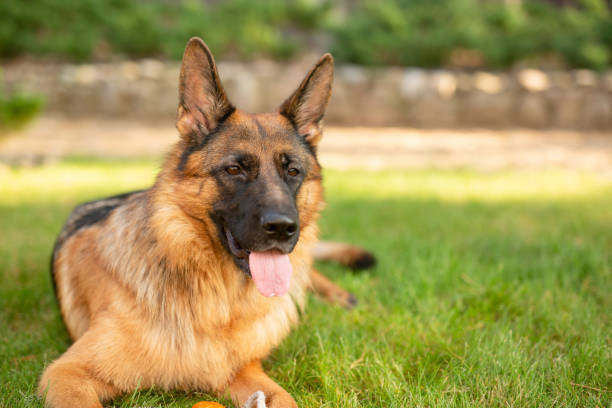
The German Shepherd Dog (GSD) is renowned for its intelligence, loyalty, and versatility, making it a popular choice for families, service work, and protection. However, beneath their rugged exterior and tireless work ethic, GSDs can be prone to a variety of health issues, including specific dermatological conditions that affect their paws and footpads. Footpad disorders in German Shepherds can range from minor irritations to debilitating chronic conditions, significantly impacting their quality of life, mobility, and ability to perform their duties. Understanding these conditions – their causes, symptoms, diagnosis, treatment, and prevention – is crucial for any GSD owner or enthusiast.
Footpads are complex structures, acting as crucial shock absorbers, traction providers, and sensory organs for a dog. They consist of highly specialized, thick, keratinized skin, adipose tissue (fat), and numerous nerve endings and sweat glands (though sweat glands in paws primarily aid in cooling and scent marking, not general thermoregulation). When these vital structures are compromised, dogs experience pain, lameness, and susceptibility to further injury or infection. German Shepherds, due to their genetic predispositions, active lifestyles, and specific immune responses, can be particularly vulnerable to certain footpad disorders.
This guide aims to provide an exhaustive resource on footpad disorders in German Shepherds, covering a spectrum of conditions from autoimmune diseases to environmental injuries, and offering insights into their management and prevention.
Understanding Footpad Anatomy and Function
Before delving into disorders, it’s important to appreciate the intricate design of a dog’s paw. Each paw typically has one large central metacarpal or metatarsal pad (the ‘palm’ or ‘sole’), and four smaller digital pads beneath each toe. Additionally, most dogs have a carpal pad higher up on their front legs, which assists in stopping and climbing.
These pads are uniquely adapted for a dog’s lifestyle:
- Thick Keratinized Epidermis: The outermost layer is incredibly tough, designed to withstand abrasion and provide a protective barrier.
- Adipose Tissue: A cushion of fat beneath the epidermis provides shock absorption, protecting bones and joints from impact during running and jumping.
- Elastic Fibers: These allow for flexibility and expansion of the pads.
- Pigmentation: Melanin in the pads offers some protection against UV radiation and contributes to their overall resilience.
- Sensory Receptors: A high density of nerve endings allows dogs to feel surfaces, temperature, and pressure, aiding in proprioception and navigation.
- Exocrine Glands: Eccrine sweat glands on the pads help cool the dog and leave scent markers.
Any disruption to these components can lead to compromised paw health and function, profoundly affecting a German Shepherd’s well-being.
Causes of Footpad Disorders in German Shepherds
Footpad disorders in German Shepherds can arise from a diverse range of factors, broadly categorized into genetic, autoimmune, environmental, infectious, and nutritional causes. GSDs often have a genetic predisposition to certain conditions, making them more susceptible than other breeds.
- Autoimmune Diseases: These are particularly significant in German Shepherds, where the immune system mistakenly attacks healthy body tissues.
- Pemphigus Foliaceus (PF): This is one of the most common autoimmune skin diseases in dogs and frequently affects GSDs. In PF, the immune system targets desmosomes (structures that hold skin cells together) in the superficial layers of the epidermis. This leads to the formation of vesicles and pustules that quickly rupture, forming crusts and erosions, particularly on the footpads, face (especially the bridge of the nose, around the eyes, and pinnae), and sometimes the entire body. Footpad lesions can cause hyperkeratosis (excessive thickening), cracking, and severe pain, making walking incredibly difficult.
- Systemic Lupus Erythematosus (SLE): While less common than PF, SLE is a multi-system autoimmune disease that can manifest with various clinical signs, including skin lesions on the footpads. These can appear as erosions, ulcerations, hyperkeratosis, and loss of pigmentation. SLE can also affect joints, kidneys, and other organs.
- Symmetrical Lupoid Onychodystrophy (SLO): Although primarily affecting the nail beds, severe SLO can lead to secondary changes in the digital pads due to chronic inflammation, pain, and abnormal nail growth that impacts the underlying pad tissue. It causes painful sloughing of nails on multiple digits.
- Vogt-Koyanagi-Harada (VKH)-like Syndrome (Uveodermatologic Syndrome): While rarer, some GSDs may be affected. This condition involves immune-mediated destruction of melanocytes (pigment-producing cells), leading to depigmentation of the skin (including footpads and nose), uveitis (eye inflammation), and sometimes neurological signs. Footpads may become depigmented, thickened, and prone to cracking or ulceration.
- Genetic/Hereditary Conditions:
- Hereditary Footpad Hyperkeratosis (Corny Feet): A condition characterized by the excessive production of keratin on the footpads and sometimes the nose. While this can affect various breeds, severe forms can be debilitating for GSDs. The pads become thick, hard, dry, and prone to cracking, fissuring, and secondary infections, leading to pain and lameness. This condition is often noticeable in young dogs, typically between 6 months and 1 year of age.
- Zinc-Responsive Dermatosis: While not strictly footpad-specific, zinc deficiency or impaired zinc absorption (common in some Nordic breeds and GSDs) can lead to characteristic skin lesions, including hyperkeratosis and crusting around the eyes, mouth, ears, and significantly, on the footpads. The pads become thick, dry, and fissured, often with secondary bacterial or fungal infections. GSDs can have a genetic predisposition to malabsorption of zinc even with adequate dietary intake.
- Environmental and Traumatic Injuries: Due to their active nature and often working roles, GSDs are highly susceptible to acute footpad injuries.
- Abrasions and Lacerations: Running on rough surfaces (asphalt, concrete, gravel), sharp objects (glass, metal, thorns), or excessive friction can cause cuts, scrapes, and tears in the pads.
- Burns: Contact with hot surfaces (pavements in summer), chemicals, or extreme friction can lead to painful burns, blistering, and sloughing of pad tissue.
- Frostbite: Prolonged exposure to extreme cold can damage pad tissue, leading to numbness, discoloration, and eventual tissue death.
- Chemical Irritation: Exposure to harsh cleaning agents, road salts (de-icers), fertilizers, or other chemicals can cause contact dermatitis, leading to redness, swelling, burning, and ulceration of the pads.
- Foreign Bodies: Thorns, burrs, splinters, or grass awns can penetrate the pads, causing inflammation, pain, swelling, and abscess formation if not removed promptly.
- Infectious Causes:
- Bacterial Pododermatitis: Secondary bacterial infections are very common in any compromised pad. Staphylococcus species are frequent culprits. They can arise from wounds, allergies, autoimmune conditions, or foreign bodies, leading to pus, swelling, redness, pain, and foul odor. Deep pyoderma of the paws (“interdigital cysts” or furunculosis) is a particularly challenging condition, often seen in GSDs, where deep bacterial infections occur between the toes and can cause recurring painful nodules and draining tracts.
- Fungal Infections (Dermatophytosis/Ringworm): While less common on the pads themselves, fungal infections can affect the skin around the pads and nails, causing scaling, crusting, and inflammation. Malassezia yeast infections can also occur, especially in conjunction with allergies, leading to greasy, reddish, itchy, and sometimes darkly pigmented skin between the toes and on the pads.
- Parasitic Infestations:
- Demodectic Mange (Demodicosis): Demodex canis mites are normal inhabitants of canine skin, but an overgrowth (often due to an immature or suppressed immune system) can cause hair loss, redness, scaling, and sometimes deep skin infections. Pododemodicosis (mange affecting the paws) is particularly stubborn and can cause significant swelling, pain, and secondary bacterial infections within the pads and between the toes. GSDs can be predisposed to generalized demodicosis.
- Hookworms: In rare cases, severe hookworm infestations can lead to footpad lesions, particularly in young dogs, known as “ground itch” from larvae penetrating the skin.
- Ticks and Mites: While ticks are more commonly found between the toes, their bites can cause localized irritation and inflammation. Chiggers (harvest mites) can also cause intensely itchy, red lesions between the toes and on the pads.
- Allergies:
- Atopic Dermatitis (Environmental Allergies): GSDs are prone to environmental allergies, and one of the most common manifestations is pruritus (itching) of the paws. Dogs will excessively lick, chew, and sometimes scratch their paws, leading to redness, inflammation, swelling, hair loss, and secondary bacterial or yeast infections. Chronic licking can also lead to thickened, hyperpigmented pads.
- Food Allergies: Similarly, adverse food reactions can cause intense paw pruritus and inflammation, identical in presentation to environmental allergies.
- Neoplasia (Cancers):
- While less frequent, various tumors can affect the footpads, including squamous cell carcinoma, melanoma, mast cell tumors, and fibrosarcomas. These can appear as sores that don’t heal, lumps, discolored areas, or areas of thickened skin. Squamous cell carcinoma, in particular, can be aggressive and locally invasive.
Signs and Symptoms of Footpad Disorders
Recognizing the signs of footpad problems early is vital for effective treatment and preventing complications. German Shepherds are stoic animals, so subtle changes should not be ignored.
General Signs:
- Lameness or Limping: Often the first and most obvious sign. The dog may favor one paw, refuse to put weight on it, or walk stiffly.
- Excessive Licking, Chewing, or Biting of Paws: This indicates itchiness, pain, or irritation. It can also exacerbate existing problems and lead to secondary infections.
- Reluctance to Walk, Run, or Play: Reduced activity levels and avoiding usual routines.
- Sensitivity to Touch: The dog may withdraw or vocalize when paws are touched.
- Change in Gait: Walking gingerly, “tiptoeing,” or struggling on certain surfaces.
Specific Visual and Tactile Signs on the Footpads:
- Redness (Erythema): Inflammation of the pads or skin between the toes.
- Swelling (Edema): Puffy or enlarged pads, often indicating inflammation, infection, or trauma.
- Crusting and Scaling: Dry, flaky skin, often yellow or brown, due to inflammation or infection. Common in Pemphigus, Zinc-Responsive Dermatosis, and Hereditary Hyperkeratosis.
- Fissures and Cracks: Deep splits in the pads, which can be extremely painful and prone to bleeding and infection. Characteristic of hyperkeratosis, burns, contact dermatitis, and autoimmune diseases.
- Erosions and Ulcerations: Open sores where layers of skin have been lost, often bleeding or oozing. Severe cases can be debilitating.
- Pustules and Vesicles: Small, pus-filled or fluid-filled blisters. Pustules are hallmarks of Pemphigus and bacterial infections.
- Hyperkeratosis: Thickening and hardening of the footpads, making them rough and sometimes horn-like. Seen in hereditary hyperkeratosis, chronic irritation, and some autoimmune conditions.
- Loss of Pigmentation (Depigmentation): Pads losing their natural dark color and turning pink or white. Can be seen in VKH-like syndrome or chronic inflammation.
- Hair Loss (Alopecia) between Toes: Often due to chronic licking or inflammation.
- Odor: A foul smell indicates bacterial or yeast infection.
- Draining Tracts/Nodules: Especially between the toes, suggesting deep bacterial infection (furunculosis or “interdigital cysts”) or foreign bodies.
- Bleeding: From cracks, cuts, or ulcerations.
- Discharge: Pus (bacterial infection) or clear fluid (serosanguinous from trauma/inflammation).
- Changes in Nail Beds: Though not strictly footpad, nail issues (brittleness, pain, shedding) can occur concurrently and affect pad health (e.g., SLO).
Dog Breeds at Risk (with paragraph explanation)
While this guide focuses on German Shepherds, several other breeds also exhibit a predisposition to specific footpad disorders, often due to genetic factors or unique physiological traits. Understanding these allows for broader comparative knowledge.
- Akitas and Siberian Huskies: These breeds are notably predisposed to Vogt-Koyanagi-Harada (VKH)-like Syndrome and Zinc-Responsive Dermatosis. VKH-like syndrome in Akitas causes depigmentation of the skin, including the nose and footpads, along with severe eye inflammation. Zinc-responsive dermatosis, common in Siberian Huskies and Malamutes and also seen in GSDs, results from either a dietary zinc deficiency or a genetic inability to absorb zinc properly. This leads to hyperkeratosis, crusting, and fissures, particularly around mucocutaneous junctions (eyes, mouth, genitalia) and on the footpads, causing significant discomfort and susceptibility to secondary infections.
- Labrador Retrievers and English Bulldogs: These breeds are highly susceptible to interdigital furunculosis (often colloquially called “interdigital cysts” but are truly deep bacterial infections). Their short, stiff hair shafts can be forced back into the hair follicles, creating foreign body reactions and providing a pathway for deep bacterial infections, especially with their heavy body weight putting pressure on the sensitive interdigital spaces. Allergies (atopy, food allergies) often exacerbate this condition.
- Standard Poodles, Black Russian Terriers, and Kerry Blue Terriers: These breeds are more prone to Symmetrical Lupoid Onychodystrophy (SLO), an immune-mediated disease primarily affecting the nail beds. Although the primary lesions are on the nails (causing them to become brittle, shed, and grow abnormally), the chronic pain, inflammation, and abnormal nail growth can secondarily affect the adjacent digital pads, causing discomfort and altered gait.
- Dachshunds, Basset Hounds, and other short-legged breeds: While not a specific disease, their body conformation means their paws are closer to the ground, increasing their exposure to irritants, allergens, and trauma. They can be more susceptible to contact dermatitis on their pads and interdigital spaces from environmental factors like wet grass, chemicals, or rough terrain simply due to proximity and chronic exposure.
- Bull Terriers and Irish Setters: These breeds have a higher incidence of Lethal Acrodermatitis (Zinc-Related Acrodermatitis), a severe, inherited immune deficiency that also affects zinc metabolism. It causes stunted growth, immune dysfunction, and severe skin lesions, including hyperkeratosis and skin infections on the paws and around orifices, often leading to a fatal outcome in affected puppies. Though rare, it highlights genetic predispositions to metabolic issues affecting paw health.
- Doberman Pinschers and Rottweilers: Can be predisposed to Canine Distemper Virus-associated Hyperkeratosis (hard pad disease), though vaccination has made this rare. In unvaccinated dogs, the virus can cause neurological signs and severe hyperkeratosis of the nose and footpads, making them hard, cracked, and painful. While less common now, it’s a historical example of a systemic illness manifesting strongly on the pads.
Affects Puppy or Adult or Older Dogs
Footpad disorders can affect German Shepherds at any stage of life, though certain conditions tend to manifest more commonly at specific ages.
- Puppies (Under 1 year):
- Hereditary Footpad Hyperkeratosis: Often becomes apparent in young dogs, typically between 3 months to 1 year of age, as the pads begin to thicken excessively.
- Zinc-Responsive Dermatosis (Type I): Can manifest in puppies or young adults if genetic malabsorption is present or if they are fed diets that are low in zinc or have components that interfere with zinc absorption (e.g., high phytic acid, excessive calcium).
- Pododemodicosis (Localized or Generalized Demodectic Mange): Puppies often have immature immune systems and are more susceptible to an overgrowth of Demodex mites, leading to paw involvement.
- Traumatic Injuries: Active puppies exploring their environment are prone to cuts, abrasions, and chemical burns.
- Puppy Strangles (Juvenile Cellulitis): While primarily affecting the face, this immune-mediated condition in young puppies can sometimes involve the paws, causing swelling and tenderness.
- Adult Dogs (1-7 years):
- Autoimmune Diseases (Pemphigus Foliaceus, SLE): Most commonly diagnosed in adult dogs, typically between 2 to 7 years of age.
- Allergies (Atopic Dermatitis, Food Allergies): Usually begin to show clinical signs in young adult dogs (1-3 years old) and can persist throughout life. Paw licking and inflammation are classic signs.
- Interdigital Furunculosis: Often chronic and recurrent in adult dogs, particularly those with underlying allergies or specific paw conformation.
- Traumatic Injuries: Highly active adult GSDs, especially working dogs, are at constant risk of paw injuries from terrain, work environments, or accidents.
- Foreign Bodies: Again, an active lifestyle increases the risk of splinters, thorns, or grass awns embedded in the pads.
- Older/Senior Dogs (7+ years):
- Neoplasia (Cancers): The risk of developing various forms of cancer, including those affecting the footpads (e.g., squamous cell carcinoma, melanoma), generally increases with age.
- Chronic Arthritis/Degenerative Joint Disease: While not a footpad disorder itself, chronic pain from arthritis can alter a dog’s gait, leading to abnormal pressure distribution on the pads, making them more susceptible to wear, cracks, and secondary injuries or infections.
- Worsening of Chronic Conditions: Existing allergic pruritus, autoimmune diseases, or hyperkeratosis may become more challenging to manage as a dog ages and their immune system changes.
- Slower Healing: Older dogs generally have a reduced capacity for tissue repair, meaning footpad injuries or conditions may take longer to heal.
Diagnosis of Footpad Disorders
Accurate diagnosis is paramount for effective treatment. A veterinarian will typically follow a systematic approach:
- Thorough History Taking:
- When did symptoms start?
- Which paws are affected? Is it one, multiple, or all?
- Is there lameness, licking, or sensitivity?
- What is the dog’s environment like (indoor/outdoor, type of terrain)?
- Any exposure to chemicals, extreme temperatures, or rough surfaces?
- Diet, supplements, and current medications.
- Vaccination status.
- Any other systemic signs (fever, lethargy, loss of appetite)?
- Previous medical history or similar episodes.
- Comprehensive Physical Examination:
- General Assessment: Evaluate the dog’s overall health, body condition, temperature, and lymph nodes.
- Gait Analysis: Observe how the dog walks to identify lameness, pain, or altered weight bearing.
- Paw Examination: A meticulous inspection of each pad, the skin between the toes, and the nails. The vet will look for redness, swelling, cracks, ulcers, crusts, foreign bodies, pustules, pigment changes, and any abnormal masses. Palpation of the paws to check for pain, heat, and swelling is also crucial.
- Diagnostic Tests (Selected based on suspicion):
- Skin Scrapes: Deep and superficial skin scrapes are essential for identifying parasitic mites, such as Demodex. Samples are viewed under a microscope.
- Cytology: Impression smears or tape strips from affected areas (pustules, crusts, draining tracts, skin folds) are stained and examined microscopically to identify bacteria (cocci, rods), yeast (Malassezia), and inflammatory cells (neutrophils, eosinophils). This helps differentiate bacterial from yeast infections and guides antibiotic/antifungal choice.
- Bacterial Culture and Sensitivity: If deep pyoderma, abscesses, or non-responsive bacterial infections are suspected, a bacterial culture (taken from inside a pustule, draining tract, or deep tissue biopsy) will identify the specific bacteria and determine which antibiotics will be most effective.
- Fungal Culture (Dermatophyte Culture): For suspected ringworm, hair and skin scales can be cultured on a specialized medium (DTM) to confirm fungal growth.
- Biopsy (Histopathology): This is often the definitive diagnostic tool for autoimmune diseases, chronic hyperkeratosis, and neoplasia. Small tissue samples are surgically removed from the affected pad, preserved, and sent to a veterinary pathologist for microscopic examination. This can distinguish conditions like Pemphigus, Lupus, or identify tumor types. Special stains (e.g., direct immunofluorescence for Pemphigus) may be used.
- Blood Tests:
- Complete Blood Count (CBC) and Biochemistry Profile: To assess overall health, check for signs of systemic infection, inflammation, or organ dysfunction, which can be associated with certain autoimmune diseases (e.g., SLE) or severe infections.
- Zinc Levels: Blood zinc levels can be measured if Zinc-Responsive Dermatosis is suspected, though clinical response to supplementation often guides diagnosis.
- Allergy Testing: Intradermal skin testing or serum IgE testing can help identify environmental or food allergens if allergies are suspected as the underlying cause of paw pruritus.
- Radiography (X-rays): May be used if bone involvement is suspected (e.g., osteomyelitis from deep infection, foreign body reaction) or to rule out orthopedic issues causing lameness that mimic paw pain.
- Electromyography (EMG) and Nerve Conduction Studies: Rarely, if neurological causes of paw issues are suspected (e.g., nerve damage), these specialized tests might be considered.
Treatment of Footpad Disorders
Treatment strategies are highly dependent on the underlying cause and severity of the condition. A multi-modal approach is often necessary.
- Addressing the Underlying Cause:
- Autoimmune Diseases (Pemphigus, SLE, VKH-like Syndrome):
- Immunosuppressive Therapy: Oral corticosteroids (e.g., Prednisone, Prednisolone) are the cornerstone of treatment, often at high initial doses, tapered down to the lowest effective maintenance dose.
- Adjuvant Immunosuppressants: Other drugs may be used in conjunction with corticosteroids to reduce their side effects or achieve better control, such as Azathioprine, Cyclosporine, Mycophenolate, or Chlorambucil.
- Topical Steroids: For localized lesions, topical corticosteroid creams or ointments can be applied.
- Hereditary Footpad Hyperkeratosis:
- Regular Trimming/Softening: Careful trimming of excess keratin by a vet or skilled groomer.
- Topical Keratolytics/Moisturizers: Gels or ointments containing salicylic acid, urea, or lactic acid can help soften and reduce keratin buildup. Daily application of paw balms or moisturizers (e.g., containing Vitamin E, aloe vera) is crucial to prevent cracking.
- Protective Boots: To prevent further trauma and infection to cracked pads.
- Zinc-Responsive Dermatosis:
- Zinc Supplementation: Oral zinc methionine, zinc sulfate, or zinc gluconate supplements are given daily. This is typically a lifelong therapy.
- Dietary Adjustments: Ensuring a high-quality, balanced diet and avoiding excessive calcium or phytates which can interfere with zinc absorption.
- Allergies (Atopic Dermatitis, Food Allergies):
- Identification and Avoidance: For food allergies, a strict elimination diet trial followed by sequential food challenges. For environmental allergies, reducing exposure to identified allergens if possible.
- Allergen-Specific Immunotherapy (ASIT): Desensitization injections or oral drops for environmental allergies. This is the only treatment that can potentially alter the disease course.
- Anti-Pruritic Medications: Oral medications like Oclacitinib (Apoquel), Lokivetmab (Cytopoint), or corticosteroids can help control itching.
- Antihistamines: Less effective for severe canine allergies but can be tried for mild cases.
- Topical Washes/Soaks: Medicated shampoos (e.g., chlorhexidine, miconazole) or paw soaks can reduce microbial overgrowth and soothe inflammation.
- Infections:
- Bacterial: Systemic antibiotics (e.g., cephalexin, clindamycin, doxycycline, enrofloxacin) based on culture and sensitivity results, often for prolonged courses (4-8 weeks or longer for deep pyoderma). Topical antibiotics (mupirocin) and antiseptic soaks/shampoos (chlorhexidine) are also vital.
- Fungal (Dermatophytosis/Ringworm): Oral antifungals (e.g., Itraconazole, Fluconazole, Terbinafine) and topical antifungal creams/shampoos.
- Yeast (Malassezia): Oral antifungals (e.g., Ketoconazole, Itraconazole) and topical antifungal shampoos/wipes (e.g., miconazole, chlorhexidine).
- Parasitic (Demodex): Oral isoxazolines (e.g., Bravecto, NexGard, Simparica, Credelio) are highly effective. Older treatments included Ivermectin, Milbemycin, or Amitraz dips. Treatment typically continues until two consecutive negative skin scrapes.
- Traumatic Injuries/Foreign Bodies:
- Cleaning and Wound Care: Thorough cleaning with antiseptic solutions.
- Foreign Body Removal: Surgical removal of embedded objects.
- Suturing: For deep lacerations.
- Bandaging: To protect the wound, absorb exudate, and promote healing.
- Pain Management: NSAIDs and sometimes opioids.
- Antibiotics: To prevent or treat secondary bacterial infections.
- Neoplasia:
- Surgical Excision: Removal of the tumor is often the preferred treatment. Amputation of a toe or even part of the paw may be necessary for aggressive tumors.
- Chemotherapy/Radiation Therapy: May be recommended depending on the type and stage of cancer.
- Autoimmune Diseases (Pemphigus, SLE, VKH-like Syndrome):
- Symptomatic and Supportive Care:
- Pain Management: Non-steroidal anti-inflammatory drugs (NSAIDs) such as Carprofen, Meloxicam, or Galliprant are commonly used. Gabapentin can be added for neuropathic pain or as an adjunct. Opioid analgesics may be necessary for severe pain.
- Protective Footwear: Dog boots or booties are essential for protecting injured or sensitive pads from further trauma, chemicals, or extreme temperatures, and to keep topical medications in place.
- Paw Soaks: Warm water soaks with Epsom salts or diluted antiseptic solutions (e.g., Betadine, chlorhexidine) can soothe inflamed paws, reduce swelling, and help with wound cleaning.
- E-collar (Elizabethan Collar): To prevent the dog from licking, chewing, or biting affected paws, which can worsen inflammation and infection.
- Moisturizers and Emollients: For dry, cracked pads, applying veterinary-approved paw balms, moisturizers, or specialized lotions regularly can improve elasticity and prevent fissuring.
- Environmental Management: Avoiding hot pavement, rough terrain, icy surfaces, and chemicals. Keeping the dog’s living area clean and dry.
Prognosis & Complications
The prognosis for footpad disorders in German Shepherds varies widely depending on the specific condition, its severity, and how promptly and effectively it is treated.
Prognosis:
- Good to Excellent: For acute traumatic injuries (cuts, abrasions, mild burns) if treated promptly and properly. Most bacterial/yeast infections and parasitic infestations also have a good prognosis with appropriate medication.
- Fair to Guarded: For chronic conditions like severe interdigital furunculosis, hereditary hyperkeratosis, or autoimmune diseases. These often require lifelong management, and while symptoms can be controlled, complete “cure” is rare. Flare-ups are common, and treatment can be costly and demanding. Sustained remission, however, is achievable for many.
- Guarded to Poor: For aggressive forms of neoplasia (cancer) affecting the pads, especially if diagnosed late or if metastasis has occurred. Lethal Acrodermatitis in Bull Terriers, for example, has a poor prognosis.
Potential Complications:
- Chronic Pain and Lameness: Persistent pain can severely impact a GSD’s quality of life, leading to unwillingness to exercise, behavioral changes, and muscle atrophy.
- Secondary Infections: Open sores, cracks, and inflamed skin are prime entry points for bacteria and yeast, leading to recurrent or deep infections that are difficult to clear.
- Scarring and Fibrosis: Chronic inflammation, especially from deep infections (like furunculosis) or severe autoimmune disease, can lead to permanent scarring, thickening, and distortion of the paw architecture, further impairing function.
- Loss of Function/Amputation: In severe cases of untreatable infection, aggressive cancer, or profound tissue damage, toe or paw amputation may be the only option to save the dog’s life or alleviate intractable pain.
- Side Effects of Long-Term Medication: Lifelong use of immunosuppressants (like corticosteroids) for autoimmune diseases or high-dose antibiotics can lead to significant side effects (e.g., increased thirst/urination, weight gain, weakened immune system, gastrointestinal upset, organ damage). Regular monitoring is crucial.
- Development of Other Systemic Issues: Some footpad disorders are part of broader systemic diseases (e.g., SLE affecting kidneys, joints), and complications can arise from these other affected organs.
- Recurrence: Many chronic footpad disorders, especially those with allergic or autoimmune bases, are prone to recurrence. Owners must be prepared for ongoing management.
Prevention of Footpad Disorders
Prevention focuses on minimizing risk factors and maintaining overall paw health.
- Environmental Management & Protection:
- Avoid Extreme Surfaces: Keep your GSD off hot pavements in summer, icy or salted roads in winter, and extremely rough terrain.
- Inspect Walking Paths: Remove sharp objects (glass, thorns) from areas where your dog walks.
- Use Protective Boots: Consider using dog boots for walks on challenging surfaces, in extreme weather, or during recovery from an injury.
- Clean Paws Regularly: After walks, especially in areas with chemicals (road salt, pesticides) or allergens, wipe your GSD’s paws with a damp cloth or rinse them with water.
- Minimize Chemical Exposure: Use pet-safe cleaning products and avoid walking in areas recently treated with fertilizers or pesticides.
- Regular Paw Care and Inspection:
- Daily or Weekly Checks: Regularly examine your GSD’s paws, including between the toes and around the nails, for any signs of redness, swelling, cuts, foreign bodies, or unusual growths.
- Trim Nails Regularly: Overly long nails can alter gait, put strain on paw pads, and lead to injury.
- Trim Interdigital Hair: For breeds prone to interdigital issues, keeping the hair between the toes trimmed can reduce moisture retention and prevent matting or foreign body entrapment.
- Moisturize Pads: For dogs prone to dry or cracked pads, apply a veterinary-approved paw balm or moisturizer regularly, especially in dry climates.
- Diet and Nutrition (See detailed section below):
- Feed a high-quality, balanced diet appropriate for your GSD’s age and activity level.
- Ensure adequate intake of essential fatty acids (Omega-3s) and zinc.
- For suspected food allergies, conduct a proper elimination diet trial.
- Health Management:
- Regular Veterinary Check-ups: Ensure your GSD has routine veterinary exams to catch issues early.
- Vaccinations and Parasite Control: Keep vaccinations up to date (especially for diseases like Distemper) and maintain strict flea, tick, and mite prevention.
- Manage Underlying Conditions: Promptly address any allergies or systemic health issues that could predispose to paw problems.
- Appropriate Exercise: Ensure regular, appropriate exercise to maintain muscle tone and joint health, but avoid overexertion on harsh surfaces that could cause injury.
Diet and Nutrition for Footpad Health
Nutrition plays a significant role in maintaining healthy skin and sturdy footpads. A well-balanced diet can support the integrity of the skin barrier, boost the immune system, and provide the building blocks for healthy tissue.
- High-Quality, Balanced Diet:
- Complete and Balanced: Ensure your GSD is fed a commercial dog food that meets AAFCO (Association of American Feed Control Officials) standards and is appropriate for their life stage (puppy, adult, senior, or all life stages). A high-quality diet provides all essential nutrients without deficiencies.
- Easily Digestible Ingredients: Opt for foods with highly digestible protein sources (e.g., chicken, lamb, fish) and carbohydrates.
- Essential Fatty Acids (EFAs):
- Omega-3 and Omega-6 Fatty Acids: These are crucial for skin barrier function and reducing inflammation.
- Omega-3s (EPA and DHA): Found in fish oil (salmon, sardine, anchovy), flaxseed oil, and green-lipped mussel. They have potent anti-inflammatory properties, benefiting conditions like allergies and autoimmune diseases.
- Omega-6s (Linoleic Acid): Found in vegetable oils (sunflower, safflower, corn) and poultry fat. Important for maintaining skin integrity.
- Supplementation: Many commercial diets contain EFAs, but for dogs with skin conditions, additional supplementation with high-quality fish oil is often recommended. Always consult your vet for appropriate dosages, as excessive amounts can lead to imbalances or other issues.
- Omega-3 and Omega-6 Fatty Acids: These are crucial for skin barrier function and reducing inflammation.
- Zinc:
- Crucial for Skin Health: Zinc is essential for cell growth, immune function, and maintaining skin and paw pad integrity.
- Zinc-Responsive Dermatosis: As mentioned, GSDs can be genetically predisposed to this. Ensuring adequate dietary zinc or supplementing (under veterinary guidance) is crucial. Foods rich in zinc include red meat, poultry, fish, and certain legumes.
- Caution: Zinc toxicity can occur with excessive supplementation, so always follow veterinary recommendations.
- Vitamins (Especially A, E, and B-Complex):
- Vitamin A: Important for healthy skin cell turnover and maintenance of epithelial tissues.
- Vitamin E: An antioxidant that supports skin health and immune function, often beneficial for inflammatory skin conditions.
- B-Complex Vitamins (Biotin): Biotin, in particular, is known for its role in skin and coat health and can be beneficial for strengthening keratin structures like paw pads and nails.
- Antioxidants: Vitamins C and E, along with other antioxidants, help protect cells from damage and support the immune system.
- Addressing Food Allergies:
- If a food allergy is suspected as the cause of paw pruritus, a strict elimination diet trial is necessary. This involves feeding a novel protein and carbohydrate source (one the dog has never eaten before) or a hydrolyzed protein diet for 8-12 weeks. No other treats, table scraps, or flavored medications should be given during this period.
- After the trial, if symptoms improve, specific ingredients are reintroduced one by one to identify the culprit allergen. This process should always be supervised by a veterinarian or veterinary nutritionist.
- Probiotics and Prebiotics:
- A healthy gut microbiome is increasingly recognized as important for overall health, including immune function and skin health. Probiotics (beneficial bacteria) and prebiotics (food for beneficial bacteria) can support gut health and potentially reduce systemic inflammation, which may indirectly benefit skin conditions.
Zoonotic Risk
The vast majority of footpad disorders in German Shepherds are not zoonotic, meaning they cannot be transmitted to humans. However, there are a few exceptions and specific considerations:
- Dermatophytosis (Ringworm): This is a fungal infection that is zoonotic. If your GSD has ringworm on their paws or elsewhere, it can easily spread to humans, causing itchy, red, circular lesions on the skin. Good hygiene, wearing gloves when handling infected areas, and thorough disinfection of the environment are essential.
- Sarcoptic Mange (Scabies): While Demodex mites (common in GSDs) are species-specific and not zoonotic, Sarcoptes scabiei mites are highly contagious and zoonotic. If a GSD contracts sarcoptic mange (often from wildlife or other infected dogs), it can cause intense itching and skin lesions in humans, though the mites usually cannot complete their life cycle on human hosts.
- Bacterial Infections: While most canine bacterial skin infections are not directly transmissible to humans, some bacteria like Staphylococcus pseudointermedius (a common cause of pyoderma) can, in rare instances, cause skin infections in immunocompromised individuals or those with open wounds who have close contact with an infected dog. Proper wound care and hygiene are always recommended.
- MRSA (Methicillin-Resistant Staphylococcus aureus): While less common in dogs than in humans, MRSA can be present in canine infections. It can be transmitted between humans and animals. This is a concern due to antibiotic resistance.
In summary, for most footpad disorders like autoimmune diseases, hyperkeratosis, allergies, and traumatic injuries, there is no zoonotic risk. Owners should be particularly cautious with suspected or diagnosed fungal infections (ringworm) and parasitic infestations (sarcoptic mange) and practice good hygiene to prevent transmission.
Conclusion
Footpad disorders in German Shepherds represent a complex array of conditions, ranging from environmental injuries to serious autoimmune diseases. Given the GSD’s active nature and genetic predispositions, their paws are particularly vulnerable. Early recognition of signs and symptoms, coupled with a thorough veterinary diagnosis, is critical for effective management.
Treatment often requires a multifaceted approach, addressing the underlying cause with specific medications, providing symptomatic relief for pain and inflammation, and implementing meticulous supportive care. Prognosis varies, but with dedicated owner commitment and continuous veterinary guidance, the majority of GSDs can achieve a good quality of life, even with chronic conditions.
Prevention, through responsible environmental management, consistent paw hygiene, appropriate nutrition, and regular veterinary check-ups, forms the cornerstone of maintaining healthy paws. Understanding the specific risks common to German Shepherds empowers owners to be proactive advocates for their beloved companions’ health, ensuring their GSDs can continue to walk, run, and work comfortably for years to come.
#GermanShepherdHealth, #GSDPaws, #FootpadDisorder, #DogPawCare, #CanineHealth, #GermanShepherdLove, #VeterinaryDermatology, #DogSkinIssues, #PemphigusFoliaceus, #Hyperkeratosis, #ZincResponsiveDermatosis, #DogPawProblems, #PetHealth, #GSDLife, #PawProtection, #DogWellness, #HappyPaws, #AskAVet, #DogMom, #DogDad, #PetCareTips, #WorkingDogHealth, #PawWarrior, #HealthyPawsHappyDog






Add comment