
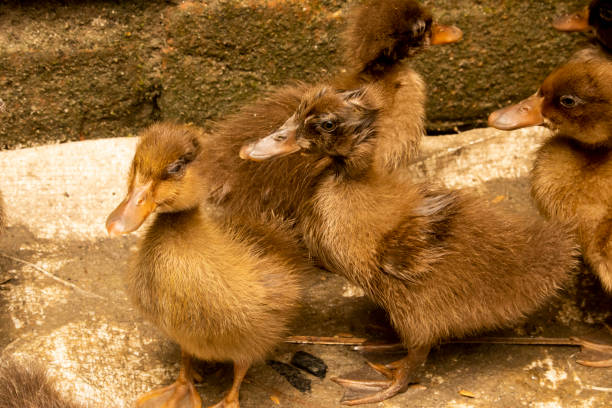
Fowl cholera, scientifically known as avian pasteurellosis, is a highly contagious and often fatal bacterial disease affecting ducks and other poultry species worldwide. Caused by the gram-negative bacterium Pasteurella multocida, this disease has significant economic implications due to high mortality rates, reduced egg production, and compromised meat quality. Ducks, being waterfowl, are particularly susceptible due to their natural behavior and immune response variations. Among the most common and devastating bacterial infections in duck flocks, fowl cholera poses a serious threat to commercial duck farming, backyard flocks, and even wild duck populations. This comprehensive guide explores all aspects of fowl cholera in ducks, including its causes, clinical signs, vulnerable duck breeds, life stages affected, diagnostic methods, treatment options, prognosis, complications, preventive strategies, dietary considerations, and zoonotic potential. A thorough understanding of this disease is paramount for early detection, effective management, and prevention.
Causes of Fowl Cholera in Ducks
The primary causative agent of fowl cholera is the bacterial species Pasteurella multocida, a small, non-motile, gram-negative coccobacillus. This organism can survive in the environment for extended periods, particularly in soil, water, and carcasses, serving as a persistent source of infection. Over 16 serotypes of P. multocida have been identified, with serotypes A, D, and F being most commonly associated with avian infections, including in ducks. The bacteria are primarily spread through direct contact with infected birds, contaminated feed or water, and inhalation or ingestion of aerosolized particles. Wild birds—especially waterfowl such as wild ducks, geese, and shorebirds—often act as asymptomatic carriers, introducing the pathogen into domestic flocks. Rodents, flies, and contaminated equipment can also serve as mechanical vectors.
Stressful conditions significantly weaken the immune system of ducks, making them more susceptible to infection. Stressors include overcrowding, poor ventilation, nutritional deficiencies, concurrent diseases, and rapid environmental changes such as extreme temperatures or transportation. Once introduced into a flock, the bacteria rapidly multiply in the bloodstream (septicemia), leading to acute systemic infection. The organism can also establish chronic infections in joints, respiratory tracts, or reproductive organs, resulting in long-term carriers that intermittently shed the bacteria, posing a constant risk to uninfected birds. The disease spreads quickly in high-density duck operations, where biosecurity may be suboptimal.
Clinical Signs and Symptoms in Ducks
Fowl cholera in ducks can manifest in acute, subacute, and chronic forms, each with distinct clinical presentations.
Acute Form
The acute form is the most severe and commonly observed, especially in young or stressed flocks. Affected ducks may die suddenly without prior clinical signs, particularly when infection occurs via inhalation or ingestion of high bacterial loads. When symptoms do appear, they include:
- High fever (up to 108°F or 42°C)
- Loss of appetite and depression
- Ruffled feathers and huddling behavior
- Excessive thirst and increased water consumption
- Mucoid or foamy discharge from the mouth and nostrils
- Greenish or yellowish diarrhea
- Dyspnea (difficulty breathing) and gasping
- Cyanosis (bluish discoloration) of the skin, especially around the head and wattles
- Swollen, purple-tinged comb and wattles (in duck breeds with combs)
- Nasal discharge with a foul odor
- Neurological signs such as incoordination, tremors, and convulsions in terminal stages
Sudden death is common, with mortality rates reaching up to 50% or higher in naïve flocks within a few days of outbreak.
Subacute Form
In the subacute phase, ducks may survive longer but exhibit prolonged illness. Symptoms include:
- Moderate depression and lethargy
- Persistent coughing or nasal discharge
- Reduced egg production in laying ducks
- Gradual weight loss and poor growth
- Mild fever
- Reduced activity and social isolation
This form can transition into chronic disease if not properly treated.
Chronic Form
The chronic form is characterized by localized infections, often involving:
- Swollen joints and lameness (arthritis)
- Swelling of the wattles, sinuses, and eyelids
- Chronic respiratory distress due to sinusitis
- Abscess formation in the hocks, footpads, and wing joints
- Poor feathering and emaciation
- Reproductive dysfunction: oviduct infections, infertile eggs, or internal egg retention
Chronic carriers may appear healthy but continuously shed bacteria, posing a risk to the rest of the flock.
Duck Breeds at Risk (With Paragraph Explanation)
While Pasteurella multocida can infect any duck breed, certain breeds are more susceptible due to genetic predispositions, immune system variation, or management practices. The most vulnerable breeds include Pekin ducks, Muscovy ducks, Khaki Campbells, and Rouens.
Pekin ducks, the most commonly farmed breed worldwide for both meat and egg production, are highly susceptible to fowl cholera. Their intensive rearing conditions—often in high-density, confined spaces—make them prone to rapid disease spread. Pekins have a shorter immune response time compared to some more hardy breeds, which increases their vulnerability during outbreaks. Additionally, their high metabolic rate and rapid growth can lead to nutritional stress, further weakening immune defenses.
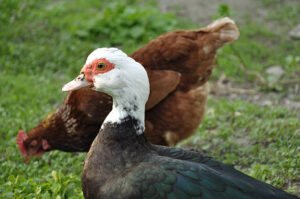
Muscovy ducks, while known for their hardiness and disease resistance in some aspects, are particularly prone to respiratory infections, making them targets for the inhalation route of P. multocida. Their native tropical habitat and behavior of roosting in trees or sheltered areas can lead to close proximity with wild birds that carry the bacteria. Muscovies are also frequently raised alongside other poultry, increasing cross-species transmission risks.
Khaki Campbell ducks, prized for their prolific egg-laying capacity, undergo significant metabolic stress during laying cycles. This constant demand on their bodies can compromise immune function, making them more susceptible to bacterial challenges such as fowl cholera. Moreover, their high activity levels and foraging behavior increase exposure to contaminated water and soil.
Rouen ducks, a heavy breed similar to Pekins, face similar issues: dense rearing conditions, high nutritional demands, and limited genetic diversity due to selective breeding. Their size and slower movement may also hinder effective escape from stressful or contaminated environments.
Backyard and small-scale flocks often mix multiple breeds, increasing the risk of transmission between susceptible individuals. Landrace and heritage breeds may show variable resistance due to broader genetic pools, but they are not immune. Overall, breed susceptibility is influenced not only by genetics but also by environmental stress, hygiene practices, and exposure risk from wildlife.
Affects Life Stage
Fowl cholera can affect ducks at any life stage, but certain age groups are more vulnerable.
Young Ducklings (0–8 weeks): Ducklings are particularly susceptible due to their immature immune systems. Maternal antibodies, if present from vaccinated breeder ducks, offer only partial and short-term protection. Outbreaks in ducklings often result in high mortality, especially if exposed early. Signs include sudden death, lethargy, poor growth, and respiratory distress. Poor brooding conditions—such as inadequate heat, damp bedding, or unclean water—exacerbate the risk.
Growing Ducks (8–20 weeks): Also known as the “grower” stage, ducks in this category are at moderate risk. While their immune systems are more developed, rapid skeletal and muscle growth increases metabolic demands. Stress from relocation, mixed-sex grouping, or dietary changes can trigger outbreaks. Subacute forms may persist in this group, leading to chronic joint issues and reduced weight gain.
Adult Ducks (20+ weeks and laying ducks): Adult ducks, particularly layers and breeders, are at significant risk due to reproductive stress. Egg-laying imposes high energy and nutrient demands, weakening immune responses. Chronic fowl cholera in adults often manifests as sinusitis, joint swelling, or reproductive tract infections. Infected hens may lay fewer eggs, produce misshapen eggs, or experience internal laying (eggs deposited in the abdominal cavity). Breeder males may suffer from infertility due to testicular involvement. Culling of chronic carriers is essential in breeder flocks to prevent vertical transmission, although P. multocida is not typically transmitted through eggs.
All life stages benefit from early vaccination, proper nutrition, and stringent biosecurity. However, young and high-producing adult ducks are the most vulnerable and require the most intensive management.
Diagnosis of Fowl Cholera in Ducks
Accurate diagnosis is critical to implementing timely control measures. Diagnosis involves a combination of clinical signs, post-mortem examination, laboratory testing, and epidemiological investigation.
Clinical and Epidemiological Assessment
A sudden increase in mortality, especially in ducks showing respiratory signs or green diarrhea, raises suspicion. A history of exposure to wild birds, recent flock introductions, or poor biosecurity supports the diagnosis. Affected flocks often show clustering of cases in pens or age groups.
Necropsy (Post-Mortem Examination)
Gross lesions in acutely infected ducks include:
- Hemorrhages on internal organs (heart, liver, spleen, abdominal fat)
- Enlarged and friable liver with a copper-colored appearance and necrotic foci
- Enlarged spleen (splenomegaly)
- Petechial and ecchymotic hemorrhages on the serosal surfaces
- Fibrinous pericarditis (inflammation of the heart sac)
- Perihepatitis (fibrinous coating on the liver)
- Congestion and hemorrhage in the lungs and air sacs
In chronic cases, suppurative arthritis (pus-filled joints), caseous abscesses in wattles or sinuses, and oviduct inflammation are common.
Laboratory Confirmation
Definitive diagnosis requires isolating P. multocida from tissues such as liver, spleen, or blood. Methods include:
- Bacterial culture: Growth on blood agar, producing small, smooth, non-hemolytic colonies. On MacConkey agar, it does not grow (as it is a non-lactose fermenter).
- Gram staining: Reveals gram-negative coccobacilli.
- Biochemical tests: Positive for oxidase, catalase, and indole production.
- PCR (Polymerase Chain Reaction): Detects P. multocida DNA rapidly and accurately, allowing early intervention.
- Serotyping: Helps identify the strain and determine vaccine compatibility.
- Antibiotic sensitivity testing: Guides appropriate treatment.
Differential diagnosis includes other septicemic diseases such as Salmonellosis, Colibacillosis, Avian Influenza, and Newcastle Disease. Histopathology may reveal necrotic foci in organs, confirming systemic bacterial invasion.
Treatment of Fowl Cholera in Ducks
Prompt treatment is essential in controlling outbreaks, but it should be combined with isolation, supportive care, and biosecurity improvements.
Antibiotic Therapy
Antibiotics are effective in treating acute and subacute cases, but less so in chronic infections due to tissue penetration issues. Commonly used antibiotics include:
- Tetracyclines (e.g., oxytetracycline, chlortetracycline): Broad-spectrum, effective for early cases; often administered in water.
- Sulfonamides (e.g., sulfadimethoxine, sulfathiazole): Used in combination with trimethoprim for synergistic effect.
- Fluoroquinolones (e.g., enrofloxacin): Highly effective but regulated in many countries due to resistance concerns.
- Penicillins and Aminoglycosides (e.g., ampicillin, gentamicin): Useful for severe systemic infections, especially in individual treatment.
Treatment should be based on antibiotic sensitivity testing to avoid resistance development. Medication duration is typically 5–7 days, with longer courses for chronic cases. However, antibiotics do not eliminate carriers and should not replace biosecurity or vaccination in long-term control.
Supportive Care
- Provide clean, fresh water supplemented with electrolytes and vitamins (especially Vitamin A and E) to support immune function.
- Ensure access to a balanced diet to prevent nutritional deficiencies.
- Isolate sick ducks to prevent spread.
- Maintain optimal temperature and ventilation in housing.
- Reduce stress by minimizing noise, overcrowding, and disturbances.
Flock Management During Outbreak
- Cull severely affected or non-responsive birds to prevent suffering and contamination.
- Implement strict quarantine of the affected house or area.
- Disinfect equipment, feeders, and waterers daily with approved disinfectants (e.g., quaternary ammonium compounds, iodophores).
- Restrict human and vehicle movement between units.
Antibiotic withdrawal periods must be observed before duck products (meat or eggs) enter the human food chain. In many countries, eggs from treated laying ducks should not be consumed during and for a specified time after treatment.
Prognosis and Complications
The prognosis for fowl cholera in ducks depends on the form of the disease, stage at intervention, and management quality.
- Acute cases: Without early antibiotic treatment, mortality is high, and death may occur within 6–24 hours. Early detection and intervention can improve survival, but recovered ducks may remain carriers.
- Subacute cases: With appropriate treatment, recovery is possible, but birds may experience stunted growth or reduced productivity.
- Chronic cases: Prognosis is guarded. Joint damage or respiratory scarring may lead to permanent lameness or poor performance. Chronic carriers pose a continuous risk.
Complications include:
- High mortality and economic loss due to sudden death and culling.
- Reduced egg production and hatchability in breeding flocks.
- Poor weight gain in meat ducks, leading to lower market value.
- Secondary infections such as aspergillosis or viral diseases due to immunosuppression.
- Antibiotic resistance from improper or prolonged use.
- Persistent infection in the flock due to undetected carriers.
- Contamination of the environment, making future flock introduction risky without thorough decontamination.
Even after recovery, ducks may harbor the bacteria in tonsils or sinuses, reactivating under stress—a phenomenon known as the “carrier state.”
Prevention of Fowl Cholera in Ducks
Prevention is far more effective and economical than treatment. A multi-pronged approach is essential.
Vaccination
Vaccination is a cornerstone of prevention, especially in high-risk areas or commercial operations.
- Live attenuated vaccines: Provide strong immunity but carry a slight risk of reversion to virulence.
- Killed (inactivated) bacterins: Safer, requiring booster doses. Commonly used in breeder and layer ducks.
- Autogenous vaccines can be developed from farm-specific isolates for targeted protection.
Vaccination schedules typically begin at 6–8 weeks of age, with boosters every 3–6 months. Breeder ducks should be vaccinated before the laying season.
Biosecurity Measures
- Prevent contact with wild birds by using netting, covered ponds, or indoor housing.
- Quarantine new birds for 30 days before introducing them to the flock.
- Control rodents and insects—they can mechanically transmit P. multocida.
- Disinfect footwear, vehicles, and equipment entering the farm.
- Implement all-in/all-out flock management to prevent pathogen buildup.
Sanitation and Hygiene
- Clean and disinfect housing between flocks.
- Provide clean, chlorinated, or filtered water.
- Avoid water stagnation—change water frequently to reduce bacterial load.
- Remove dead birds immediately and dispose of them safely (incineration or deep burial).
Stress Reduction
- Avoid overcrowding.
- Ensure proper ventilation and temperature control.
- Minimize handling and transportation stress.
- Implement consistent feeding and lighting schedules.
Culling and Monitoring
- Regularly monitor the flock for signs of illness.
- Cull chronic carriers and repeat offenders.
- Conduct periodic health checks and post-mortem examinations.
Control of concurrent diseases (e.g., duck viral hepatitis, aspergillosis) reduces overall stress and susceptibility.
Diet and Nutrition in Fowl Cholera Management
Nutrition plays a pivotal role in immune defense and recovery from bacterial infections like fowl cholera.
Key Nutrients for Immune Support
- Protein: Essential for antibody production and tissue repair. Ducks require 16–20% crude protein depending on age.
- Vitamin A: Maintains mucosal integrity in respiratory and gastrointestinal tracts. Deficiency increases susceptibility to respiratory infections.
- Vitamin E and Selenium: Act as antioxidants, protecting immune cells from oxidative damage. Enhance resistance to bacterial pathogens.
- Vitamin D: Regulates immune responses and calcium metabolism.
- B-complex vitamins: Support energy metabolism and stress resilience.
- Zinc and Copper: Critical for enzyme function and immune cell activity.
- Omega-3 fatty acids: Reduce inflammation and support recovery.
Feeding Strategies During and After Outbreak
- Offer highly palatable, easily digestible feeds during illness.
- Supplement water with electrolytes (sodium, potassium, glucose) to prevent dehydration.
- Provide probiotics to restore gut flora, especially after antibiotic use.
- Avoid moldy or contaminated feed, which suppresses immunity.
Preventive Nutrition
- Formulate balanced diets meeting breed-specific requirements.
- Use feed additives such as prebiotics, organic acids, or phytogenics to enhance gut health and reduce pathogen load.
- Ensure constant access to clean water—ducks drink large volumes, and contaminated water is a major transmission route.
Overfeeding or underfeeding should be avoided, as both can impair immune function. During stress periods (e.g., molting, temperature extremes), increasing nutrient density can support immune resilience.
Zoonotic Risk of Fowl Cholera
While fowl cholera is primarily an animal disease, Pasteurella multocida poses a zoonotic risk to humans.
Humans can become infected through:
- Direct contact with infected birds, especially via bites, scratches, or handling tissues during necropsy.
- Exposure to secretions (nasal, oral, fecal) from sick ducks.
- Inhalation of aerosolized droplets during cleaning or processing.
At-risk individuals include:
- Poultry farmers
- Veterinarians
- Slaughterhouse workers
- Backyard flock owners
Common manifestations in humans:
- Localized skin infections (cellulitis, abscesses) at the site of injury
- Wound infections progressing to septicemia
- Respiratory infections in immunocompromised individuals
- Rare cases of meningitis, endocarditis, or septic arthritis
Immunocompromised persons (e.g., those with diabetes, cancer, or HIV) are at higher risk of severe disease.
Prevention of Zoonotic Transmission:
- Wear gloves, masks, and protective clothing when handling sick or dead birds.
- Practice strict hand hygiene after contact with ducks.
- Disinfect tools and work areas after use.
- Seek medical attention promptly if symptoms develop after exposure.
- Report suspected human cases to public health authorities.
Although human cases are rare, they can be serious. Awareness and protective measures are essential.
Conclusion
Fowl cholera (pasteurellosis) remains a significant threat to duck health and the poultry industry. Caused by Pasteurella multocida, this disease spreads rapidly through flocks, causing high morbidity and mortality in acute cases and chronic productivity losses in surviving birds. Pekin, Muscovy, Khaki Campbell, and Rouen ducks are particularly vulnerable, especially during high-stress life stages such as early growth and egg-laying. Clinical signs range from sudden death to respiratory distress, diarrhea, and joint swelling. Diagnosis relies on necropsy findings and laboratory confirmation through culture or PCR.
Treatment with antibiotics can be effective if initiated early, but prevention through vaccination, biosecurity, and stress reduction is more sustainable. Chronic carriers and environmental persistence make eradication challenging. Proper nutrition enhances immune function, supporting recovery and resilience. Finally, while zoonotic transmission is rare, it is possible, necessitating protective measures for at-risk individuals.
A holistic approach—combining veterinary oversight, farm management, biosecurity, and public health awareness—is essential to protect duck flocks and ensure food safety. With knowledge and proactive measures, fowl cholera can be effectively controlled, reducing its impact on duck farming worldwide.
#FowlCholera, #DuckDiseases, #Pasteurellosis, #DuckHealth, #PoultryFarming, #DuckCare, #BackyardDucks, #DuckFarmers, #AvianHealth, #PasteurellaMultocida, #DuckVaccination, #BiosecurityTips, #PoultryVet, #DuckNutrition, #FarmManagement, #ZoonoticDiseases, #DuckFarmingTips, #PoultryHealth, #DiseasePrevention, #SustainableFarming, #DuckWelfare, #FlockHealth, #AnimalHealth, #VeterinaryCare, #DuckBreeds, #PekinDucks, #MuscovyDucks, #KhakiCampbell, #RouenDucks, #AntibioticUse, #OrganicDuckFarming, #HealthyDucks, #PoultryScience, #FarmBiosecurity, #DuckDiagnosis, #DuckTreatment, #DiseaseOutbreak, #PoultryIndustry, #DuckEggs, #MeatDucks, #DuckHygiene






Add comment