
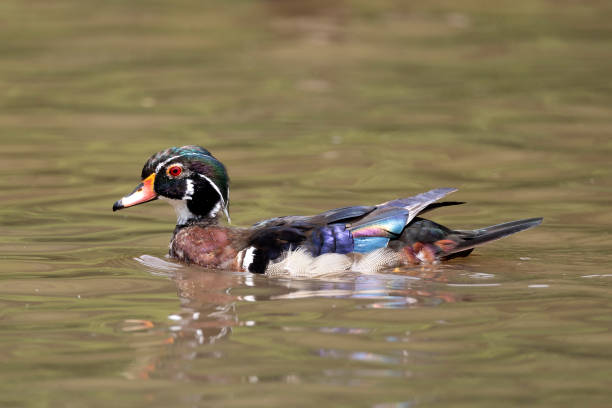
Fowl pox is a highly contagious viral disease affecting various avian species, including chickens, turkeys, and ducks. Although ducks are less commonly affected than chickens, fowl pox can still cause significant economic losses in duck farming due to reduced egg production, poor growth, decreased feed efficiency, and increased mortality—especially when secondary bacterial infections complicate the disease. Caused by the Avipoxvirus, a member of the Poxviridae family, fowl pox manifests in two primary forms: the dry (cutaneous) form and the wet (diphtheritic) form. The disease spreads through direct contact with infected birds, contaminated equipment, or via blood-sucking arthropods such as mosquitoes and mites. This guide provides an in-depth exploration of fowl pox in ducks, covering all critical aspects including etiology, clinical signs, high-risk breeds, affected life stages, diagnostic methods, treatment strategies, prognosis, preventive protocols, dietary management, zoonotic potential, and biosecurity measures essential for effective disease control.
Causes of Fowl Pox in Ducks
Fowl pox in ducks is caused by the Avipoxvirus, specifically strains within the genus Avipoxvirus of the family Poxviridae. These viruses are large, complex, double-stranded DNA viruses with an affinity for epithelial cells of the skin and mucous membranes. The virus is highly stable in the environment and can persist in dried scabs for months or even years, making decontamination a critical challenge in poultry production.
Transmission primarily occurs through two main routes: mechanical transmission by biting insects (especially mosquitoes) and direct or indirect contact with infected birds. Mosquitoes act as biological vectors, picking up the virus from infected birds during blood meals and transmitting it to healthy birds during subsequent bites. This vector-borne mode makes fowl pox more prevalent in warm, humid climates and during mosquito season.
Additionally, the virus can spread through inhalation of contaminated dust or aerosols containing virus-laden skin particles or scabs. Contaminated equipment, feeders, waterers, housing structures, and personnel clothing and footwear also serve as fomites—objects or materials that carry infection. The virus can enter the body through abrasions on the skin or mucous membranes of the eyes, mouth, or respiratory tract.
While ducks are generally considered less susceptible to fowl pox compared to chickens, certain management practices—especially overcrowding, poor sanitation, and high-stress environments—can increase vulnerability. Wild birds such as pigeons, doves, and passerines can introduce the virus into domestic flocks, especially in free-range or outdoor systems where biosecurity is compromised.
There are several strains of avipoxvirus, some of which are host-specific, but cross-infection between poultry species can occur. Duck pox (DPV) is a strain more specifically adapted to ducks; however, chickens infected with fowl pox can potentially transmit certain strains to ducks under close contact. The virus replicates in the cytoplasm of infected cells, causing characteristic inclusion bodies known as Bollinger bodies, a hallmark of poxvirus infection observed under histopathology.
Environmental persistence is a major contributing factor to outbreaks. The virus is resistant to many standard disinfectants and can survive in shaded, dry areas for extended periods. This makes disinfection of duck houses, nests, and perches particularly challenging without rigorous sterilization protocols.
Understanding the etiology and transmission is crucial for prevention. Without proper biosecurity and vector control, the recurrence of fowl pox in duck populations is likely, especially in tropical and subtropical regions where mosquito activity is high. Addressing both direct and indirect transmission pathways is key to minimizing the incidence and impact of this viral disease.
Signs and Symptoms of Fowl Pox in Ducks
Clinical presentation of fowl pox in ducks depends on the form of the disease: cutaneous (dry) form or diphtheritic (wet) form. The incubation period typically lasts 4 to 10 days, after which symptoms begin to appear.
1. Cutaneous (Dry) Form
This is the most common manifestation seen in ducks. The dry form is characterized by the appearance of pale yellow raised lesions on non-feathered areas of the body. These lesions progress through several stages:
- Initial Stage: Small, whitish or yellowish papules (bumps) appear on the skin, especially around the eyes, beak, comb, wattles (if present), legs, and feet.
- Progression: Papules enlarge and coalesce into wart-like, crusty scabs. These scabs are thick, brown, and often referred to as “pox scabs.”
- Healing Phase: The scabs eventually dry up and fall off after 3 to 6 weeks, leaving behind depigmented or scarred skin.
Lesions around the eyes are particularly problematic, as swelling can lead to partial or complete blindness, impairing the duck’s ability to feed and avoid predators. Scabs on the beak can interfere with feeding and preening. In severe cases, lameness may occur if lesions develop on the feet and legs, making walking painful.
2. Diphtheritic (Wet) Form
The wet form is less common in ducks but more dangerous. It affects mucous membranes of the oral cavity, pharynx, larynx, trachea, and occasionally the upper digestive and respiratory tracts. Lesions begin as yellowish plaques that erode the mucosa and form thick, yellow, cheese-like pseudomembranes.
Ducks with the wet form may exhibit:
- Difficulty in breathing (dyspnea)
- Noisy respiration (rattling or gasping)
- Excessive salivation or mucus discharge
- Reduced feed and water intake
- Coughing, sneezing, or gaping
- Swelling and discoloration of the oral cavity
In severe infections, the pseudomembranes can obstruct the airway, leading to asphyxiation and sudden death. This form has a higher mortality rate compared to the dry form.
3. General Systemic Signs
In addition to localized lesions, infected ducks may show:
- Lethargy and depression
- Reduced appetite and weight loss
- Poor growth in ducklings
- Decreased egg production and poor eggshell quality in laying ducks
- Ruffled feathers
- Increased water consumption
- Low-grade fever
Mortality rates vary depending on the form of the disease, age and immune status of the birds, and secondary infections. In uncomplicated dry form cases, mortality is usually low (1–5%), but in wet form or when complicated by bacterial infections (e.g., E. coli, Staphylococcus, or Ornithobacterium), mortality can reach 30–50% in severe outbreaks.
Young ducklings are particularly vulnerable due to their underdeveloped immune systems. The appearance of pox lesions is a clear indicator of infection, but clinical signs must be correlated with flock history and laboratory diagnostics to confirm fowl pox and rule out other diseases like avian influenza, duck plague (duck virus enteritis), or mycotic infections.
Duck Breeds at Risk
While fowl pox can affect all duck breeds, some are more susceptible than others due to genetic predisposition, management practices, or environmental exposure. Breeds commonly raised in extensive or free-range systems are at higher risk due to increased exposure to insect vectors and wild birds.
Pekin ducks, the most commercially farmed breed worldwide, are highly susceptible despite their robust growth and productivity. Their white skin and lack of feather coverage on facial and leg regions provide easy access points for mosquito bites and virus entry. Additionally, intensive housing in large operations can facilitate rapid spread if one bird becomes infected.
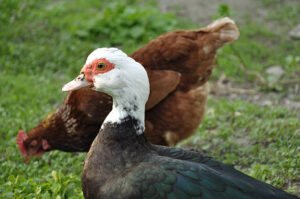
Rouen and Muscovy ducks also show moderate to high susceptibility. Muscovy ducks, though often considered hardier, are prone to severe forms of the disease, particularly the diphtheritic form, due to their anatomical structure—such as broader beaks and deeper oral cavities—which may harbor larger lesions. Their close genetic relationship to wild waterfowl may also expose them to a broader range of pathogens.
Khaki Campbell and Indian Runner ducks, popular for egg production, are at elevated risk due to prolonged outdoor access and long laying cycles. Reduced immunity during peak egg production can make these birds more vulnerable to infection and complications.
Heritage and backyard duck breeds, such as Call ducks, Cayuga, and Welsh Harlequin, often lack routine vaccination and are reared in less biosecure environments, increasing their infection risk. Smallholder farmers may not recognize early symptoms, allowing the disease to spread before control measures are implemented.
Ducks raised in tropical and subtropical regions—including Southeast Asia, Sub-Saharan Africa, and parts of South America—are at heightened risk due to year-round mosquito activity and warm, humid climates conducive to virus survival. In these areas, outbreaks often coincide with rainy seasons when mosquito populations surge.
Genetic resistance to fowl pox has not been widely documented in ducks, unlike in some chicken breeds. Therefore, susceptibility remains largely dependent on management and environmental factors rather than innate immunity. Breeds with minimal skin pigmentation or sparse feathering around the eyes and beak are more likely to develop cutaneous lesions.
Understanding breed-specific risks is essential for targeted prevention programs. High-risk breeds should be prioritized for vaccination, vector control, and improved biosecurity measures.
Affected Life Stages
Fowl pox can affect ducks at any life stage, but the severity and outcomes vary significantly depending on age and immune status.
Ducklings (0–4 weeks)
Ducklings are particularly vulnerable due to their immature immune systems. Infection at this stage can be devastating, especially if it leads to the wet form. Respiratory obstruction from diphtheritic lesions can cause rapid death. Surviving ducklings often suffer from stunted growth, poor feather development, and weakened immune responses, making them prone to secondary infections.
Early exposure before maternal antibodies wane (typically 1–2 weeks of age) increases susceptibility. Maternal antibodies passed through the yolk may offer transient protection, but this is short-lived and not always sufficient.
Growing Ducks (5–16 weeks)
This stage includes ducks raised for meat or those maturing for egg-laying. The dry form is more common here. While most survive, lesions on the feet or eyes can impair mobility and feeding, leading to reduced weight gain and poor feed conversion ratios. Outbreaks in growing flocks can delay market readiness and increase production costs.
Laying Ducks (17+ weeks)
Adult laying ducks experience a significant drop in egg production—often by 10–40%—during fowl pox outbreaks. Egg quality may also decline, with thin, misshapen shells or reduced internal quality. The stress of infection diverts energy from reproduction to immune response. Prolonged illness can lead to partial or complete cessation of laying, with recovery taking weeks.
Older or immunocompromised ducks with chronic conditions are at higher risk of severe outcomes. However, survivors develop strong immunity, making reinfection rare.
Regardless of age, ducks with concurrent infections (e.g., Mycoplasma, avian influenza, or parasites) face worse prognoses. Therefore, holistic flock health management is vital for minimizing impact across all life stages.
Diagnosis of Fowl Pox in Ducks
Accurate diagnosis of fowl pox requires a combination of clinical signs, flock history, post-mortem examination, and laboratory tests.
1. Clinical and Epidemiological Evaluation
Veterinarians begin with a thorough history: presence of mosquitoes, recent flock introductions, biosecurity lapses, vaccination status, and onset of symptoms. The appearance of pustular skin lesions or diphtheritic membranes in multiple birds is highly suggestive of fowl pox.
2. Gross Lesion Examination
Cutaneous pox lesions are visually distinctive. Biopsy of fresh scabs or mucosal plaques can reveal intracytoplasmic inclusion bodies (Bollinger bodies) under light microscopy—a key diagnostic feature.
3. Histopathology
Tissue samples (skin, trachea, or oral mucosa) are fixed in formalin and stained (e.g., H&E). Histology shows ballooning degeneration of epithelial cells, multinucleated giant cells, and large eosinophilic inclusion bodies within the cytoplasm.
4. Virus Isolation
The virus can be isolated by inoculating lesion material into embryonated chicken eggs (chorioallantoic membrane route) or cell cultures. Poxvirus growth produces characteristic pock lesions on the membrane.
5. Polymerase Chain Reaction (PCR)
PCR is the most sensitive and specific method. It amplifies avipoxvirus DNA from clinical samples and can differentiate between strains (e.g., fowl pox vs. pigeon pox). Real-time PCR allows rapid detection and quantification.
6. Serology
Enzyme-linked immunosorbent assay (ELISA) can detect antibodies in serum, indicating past or recent infection. However, serology is less useful during acute outbreaks, as antibody development takes 1–2 weeks.
Differential Diagnoses
Fowl pox must be differentiated from:
- Avian influenza (respiratory signs, high mortality)
- Duck virus enteritis (DVE) (sudden death, hemorrhages)
- Aspergillosis (respiratory distress, fungal plaques)
- Ulcerative enteritis
- Marek’s disease (neurological signs, tumors)
- Vitamin deficiencies (skin lesions)
Misdiagnosis can lead to inappropriate treatment and disease spread. Therefore, laboratory confirmation is strongly recommended, especially in first-time outbreaks.
Treatment of Fowl Pox in Ducks
There is no specific antiviral treatment for fowl pox in ducks. Management is primarily supportive and preventive of secondary complications.
Supportive Care
- Isolate infected birds to prevent spread.
- Provide soft, easily accessible feed and water. For ducks with oral lesions, liquid or mashed feed may be necessary.
- Ensure clean, stress-free housing with adequate ventilation but no drafts.
- Supplement with electrolytes and vitamins (especially A, D, and E) to support immune function and epithelial repair.
Wound and Lesion Management
- Gently clean skin lesions with diluted antiseptic solutions (e.g., povidone-iodine).
- Apply topical antibiotic ointments (e.g., neomycin) to prevent bacterial infection of scabs.
- Avoid forcibly removing scabs, as this can delay healing and increase scarring.
Control of Secondary Infections
Since bacterial infections (e.g., E. coli, Staphylococcus) commonly complicate fowl pox, broad-spectrum antibiotics may be administered under veterinary guidance. Options include:
- Oxytetracycline
- Enrofloxacin (where permitted)
- Amoxicillin
Note: Antibiotics do not affect the virus but help control secondary invaders.
Pain Management
In severe cases, particularly with ocular or oral involvement, analgesics may be considered, though poultry-specific pain relief options are limited.
Limitations of Treatment
Without antivirals, recovery depends on the duck’s immune response. Treatment focuses on increasing survival rates and minimizing production losses rather than curing the infection. In large flocks, culling severely affected individuals may be necessary to reduce suffering and prevent disease spread.
Prognosis and Complications
The prognosis for ducks with fowl pox varies widely based on the disease form, age, immune status, and management.
Prognosis
- Dry form: Generally favorable. Most ducks recover within 4–6 weeks with minimal intervention. Scarring may occur, but long-term immunity develops.
- Wet form: Guarded to poor. Mortality can be high, especially in ducklings or poorly managed flocks. Breathing difficulties and anorexia increase fatality risk.
- Young ducks: Higher mortality due to underdeveloped immunity.
- Adults: Better survival, but egg production may be reduced for several weeks.
Complications
- Secondary Bacterial Infections: Common due to skin and mucosal breaches.
- Blindness: From corneal involvement or eyelid scarring.
- Dehydration and Starvation: Due to difficulty eating and drinking.
- Reduced Growth and Productivity: Especially in meat and egg-producing flocks.
- Scarring and Deformities: Beak or foot lesions may impair function permanently.
- Cannibalism: Healthy birds may peck at scabs, worsening lesions.
Ducks that survive develop lifelong immunity to the infecting strain, but reinfection with different avipoxvirus strains is possible.
Prevention and Control Strategies
Prevention is the cornerstone of fowl pox management, as treatment options are limited.
1. Vaccination
- Live attenuated vaccines (e.g., pigeon pox or fowl pox vaccine) are commonly used in chickens and can offer cross-protection in ducks.
- Vaccination is typically administered via wing-web stab using a bifurcated needle.
- Timing: Vaccinate at 6–8 weeks of age, or earlier in high-risk areas.
- Booster doses may be needed depending on exposure risk.
- Note: Vaccine virus can cause mild local lesions, which are normal.
Vaccination is highly effective but must be done correctly. Improper administration may lead to vaccine failure.
2. Vector Control
- Mosquito abatement is critical. Eliminate stagnant water, use larvicides, and install fine-mesh netting on poultry houses.
- Insect growth regulators and organic sprays (e.g., neem oil) can reduce vector populations.
- Fans and air curtains help deter flying insects.
3. Biosecurity Measures
- Quarantine new birds for at least 30 days.
- Disinfect equipment, boots, and vehicles entering the farm.
- Limit visitor access and enforce strict hygiene protocols.
- Wild bird control: Use nets, scare devices, and covered runs to prevent contact.
4. Sanitation and Hygiene
- Clean and disinfect housing regularly using virucidal disinfectants (e.g., sodium hypochlorite, iodophors, or peroxygen compounds).
- Remove and safely dispose of scabs and contaminated litter.
- Dry and sun-expose equipment and housing between flocks.
5. Management Practices
- Avoid overcrowding.
- Provide balanced nutrition to support immune function.
- Reduce stressors (e.g., temperature fluctuations, poor ventilation).
Effective prevention integrates vaccination, vector control, and biosecurity—forming a robust defense against fowl pox outbreaks.
Diet and Nutrition in Fowl Pox Management
Nutrition plays a critical role in supporting immune response and recovery during fowl pox infection.
Key Nutrients for Immune Support
- Vitamin A: Essential for maintaining epithelial integrity of skin and mucous membranes. Deficiency increases susceptibility to viral infections.
- Vitamin E and Selenium: Powerful antioxidants that enhance immune cell function and reduce oxidative stress.
- Vitamin D: Modulates immune responses and supports antimicrobial peptide production.
- B-Complex Vitamins: Aid in energy metabolism and tissue repair.
- Zinc and Copper: Important for skin health and enzyme function.
Dietary Recommendations
- Provide high-quality commercial feed formulated for ducks at each life stage.
- Supplement with multivitamin-electrolyte solutions in drinking water during outbreaks.
- Include probiotics and prebiotics to support gut health and overall immunity.
- Ensure free access to clean water—hydrated ducks recover faster.
For ducks with oral lesions, offer soaked pellets, mashed feed, or liquid diets to facilitate consumption.
Avoid moldy or contaminated feed, as mycotoxins can suppress immunity and worsen outcomes.
A nutritionally robust diet enhances vaccine efficacy and reduces disease severity.
Zoonotic Risk of Fowl Pox
The zoonotic potential of fowl pox is extremely low. Avipoxviruses are generally host-specific and do not infect humans under normal circumstances.
However, rare cases of human infection have been reported, typically in individuals with compromised immune systems or extensive, direct exposure to infected birds (e.g., veterinarians, poultry workers with cuts or abrasions). These cases usually present as a single, self-limiting skin lesion on the hand or finger—often mistaken for a wart or insect bite.
The human-infecting strain is typically canarypox or pigeonpox, not fowl pox from ducks. No human-to-human transmission has been documented.
Precautionary measures for handlers include:
- Wearing gloves and protective clothing when handling sick birds.
- Practicing good hand hygiene after contact.
- Avoiding touching eyes or face while working with infected flocks.
Overall, fowl pox poses minimal public health risk, and proper biosecurity effectively eliminates any potential zoonotic threat.
Conclusion
Fowl pox in ducks is a significant viral disease with economic and welfare implications for duck producers. While less common than in chickens, it can still cause substantial losses due to reduced productivity, poor growth, and increased mortality—especially in the wet form. Understanding the causes, recognizing early signs, and implementing timely control measures are essential for mitigating impact.
Prevention through vaccination, vector control, and strict biosecurity is far more effective than treatment. Supportive care, good nutrition, and management of secondary infections improve recovery rates. Duck owners, particularly those raising high-risk breeds or operating in endemic regions, must remain vigilant and proactive.
With proper knowledge and preparedness, fowl pox can be effectively controlled, ensuring healthy ducks and sustainable production.
#FowlPox, #DuckHealth, #PoultryDiseases, #AvianPox, #DuckFarming, #BackyardDucks, #FowlPoxInDucks, #DuckCare, #PoultryHealth, #DuckVaccination, #FowlPoxPrevention, #DuckDiseases, #PoultryFarmers, #DuckVirus, #WaterfowlHealth, #PekinDucks, #MuscovyDucks, #FreeRangeDucks, #DuckBreeds, #FowlPoxSymptoms, #FowlPoxTreatment, #PoultryTips, #FarmBiosecurity, #DuckEggProduction, #Ducklings, #BackyardPoultry, #AnimalHealth, #VeterinaryCare, #DuckNutrition, #MosquitoControl, #PoultryVaccination, #FarmManagement, #SustainableFarming, #RaisingDucks, #PoultryScience, #DuckFarm, #AvianVirus, #PoultryProduction, #FarmLife, #DuckWelfare, #FowlPoxAwareness


Add comment