
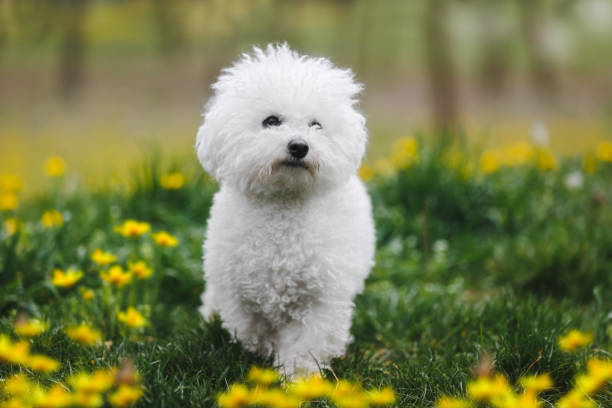
Dog obedience training, at its core, establishes a clear line of communication and a foundation of control, ensuring a well-behaved and safe companion. However, for many dog owners, the journey extends beyond the basic “sit” and “stay.” They seek a deeper engagement, a more vibrant partnership, and a way to truly celebrate their dog’s intelligence and personality. This is where the captivating world of Freestyle/Musical Obedience emerges – an art form that transforms standard commands into dynamic, expressive routines by seamlessly weaving in an array of impressive tricks.
This comprehensive guide delves into the philosophy, methodology, and practical application of integrating dazzling tricks into foundational obedience, creating a harmonious blend of discipline and creativity. Whether your goal is to enhance your bond, mentally stimulate your dog, or even step into the competitive arena, mastering this fusion will unlock a new dimension of dog training.
1. Introduction: The Art of Canine Choreography
Freestyle, often synonymous with Musical Canine Freestyle or Heelwork to Music, is a dog sport where a dog and handler perform a choreographed routine set to music. It requires an extraordinary level of teamwork, precision, and artistry. However, the principles of freestyle – the integration of engaging behaviours, tricks, and fluid transitions – can be applied to any dog’s training, regardless of competitive aspirations.
The essence lies in taking standard obedience commands (like Sit, Down, Stay, Heel, Come) and enriching them with a diverse repertoire of tricks (Spins, Weaves, Bows, Play Dead, retrieving specific items, etc.). This isn’t just about showing off; it’s about elevating the training experience, fostering mental agility, enhancing problem-solving skills, and profoundly deepening the bond between dog and handler. It transforms repetitive drills into an exciting dialogue, turning every training session into an opportunity for joyful interaction and shared accomplishment.
Why incorporate tricks into standard commands?
- Enhanced Engagement: Tricks add novelty and excitement, keeping dogs mentally stimulated and eager to learn.
- Stronger Bond: Working collaboratively on complex sequences builds trust, respect, and a profound partnership.
- Increased Confidence: Successfully performing a variety of behaviors boosts a dog’s self-assurance and willingness to try new things.
- Mental & Physical Exercise: Combining commands and tricks provides a holistic workout, challenging both brain and body.
- Proofing & Generalization: Practicing standard commands within trick sequences in varied environments strengthens their reliability under distraction.
- Creative Outlet: For handlers, it’s an opportunity to express creativity and showcase their dog’s unique talents.
- Fun! Ultimately, it makes the training journey more enjoyable and rewarding for both ends of the leash.
2. The Unshakeable Foundation: Mastering Basic Obedience
Before embarking on the flamboyant world of tricks, it is paramount that your dog possesses a rock-solid foundation in basic obedience. Think of it as constructing a magnificent building; without a deep, stable foundation, the structure will eventually crumble. Attempting to layer complex tricks onto unreliable basic commands will only lead to frustration, confusion, and a breakdown in communication.
Essential Foundational Commands:
- Sit: The dog immediately places its hindquarters on the ground.
- Down: The dog immediately lies down on its belly.
- Stay: The dog remains in position (sit, down, or stand) until released, regardless of duration or distance.
- Come/Recall: The dog promptly and enthusiastically returns to the handler when called, even amidst distractions.
- Heel: The dog walks politely beside the handler, maintaining position and pace, whether on or off-leash.
- Stand: The dog stands squarely on all four paws, often used for grooming, vet exams, or transitions in freestyle.
Key Principles for Foundation Building:
- Reliability: Each command should be executable on a single cue, consistently, in various environments, and under increasing levels of distraction.
- Duration: The dog should be able to hold positions for extended periods.
- Distance: The dog should respond accurately even when the handler is several feet away.
- Distraction: Practice in progressively more distracting environments (parks, busy streets, with other dogs) to proof the behaviors.
- Positive Reinforcement: Utilize methods that build enthusiasm and willingness, primarily through positive reinforcement (rewards like food, toys, praise).
- Clear Communication: Use consistent verbal cues and hand signals.
These core commands are not just preliminary steps; they are the bedrock upon which all subsequent advanced training and trick integration will be built. A dog that struggles with a basic “stay” will be easily overwhelmed when asked to “stay” while you move away to initiate a “weave” maneuver.
3. Understanding Dog Learning and Motivation: The Canine Mind
To effectively teach and integrate complex behaviors, you must understand how dogs learn. This understanding forms the backbone of any successful training program.
Core Learning Principles:
- Operant Conditioning: This is the primary mechanism for teaching new behaviors. It involves modifying behavior through consequences.
- Positive Reinforcement (R+): Adding something desirable to increase the likelihood of a behavior (e.g., giving a treat for a “sit”). This is the cornerstone of freestyle training.
- Negative Punishment (P-): Removing something desirable to decrease the likelihood of a behavior (e.g., turning away when a dog jumps for attention).
- While Positive Punishment (P+) and Negative Reinforcement (R-) exist, they are generally avoided in modern, positive-based freestyle training due to their potential to suppress initiative and damage the bond.
- Classical Conditioning: Associating a neutral stimulus with a significant one (e.g., the sound of a clicker becoming associated with a treat). This is crucial for using markers effectively.
- Generalization: The ability to perform a learned behavior in different environments, with different people, and under varying conditions.
- Discrimination: The ability to differentiate between cues and perform the correct behavior for each specific cue.
Motivation: The Fuel for Learning: Every dog is motivated by different things. Identifying your dog’s primary motivators is critical for successful training.
- Food Rewards: High-value treats are often the most effective initial motivator. Vary them to keep things interesting.
- Toy Rewards: Tug, fetch, or squeaky toys can be powerful motivators, especially for high-drive dogs.
- Praise & Affection: Enthusiastic verbal praise (“Good dog!”) and gentle petting can reinforce behavior, especially when paired with other rewards.
- Life Rewards: Anything the dog naturally wants to do (e.g., going for a walk, getting to chase a ball, sniffing a specific spot) can be used as a reward.
- Understanding Breed & Individual Traits: A Border Collie will likely thrive on complex sequences and mental challenges, whereas a Basset Hound might prefer a slower pace and more food-based rewards. Tailor your training to your dog’s unique personality, energy levels, and physical capabilities.
4. Selecting Appropriate Tricks: Tailoring to Your Canine Partner
The world of dog tricks is vast and exciting. However, not every trick is suitable for every dog. Careful selection ensures success, safety, and continued enthusiasm.
Considerations for Trick Selection:
- Physical Capabilities:
- Age: Puppies need gentler tricks to protect developing joints. Senior dogs might have mobility issues.
- Health: Dogs with orthopedic issues (e.g., hip dysplasia, arthritis) should avoid high-impact jumps, excessive spinning, or sustained upright stances. Consult your vet if unsure.
- Breed: Some breeds are naturally more agile, others more powerful. A small terrier might easily learn to weave through legs, but a large Mastiff might find it awkward.
- Enthusiasm & Temperament: Some dogs are naturally playful and eager to learn new movements, while others are more reserved and might prefer less physically demanding tricks. Observe what your dog enjoys.
- Difficulty Level: Start with simple, easily achievable tricks to build confidence before progressing to more complex ones.
Categories of Tricks & Examples:
- Basic/Beginner-Friendly:
- Paw/Shake: Lifting a paw.
- High Five: Lifting a paw to meet the handler’s hand.
- Spin/Twirl: Turning in a circle.
- Bow: Lowering the front end while keeping the hindquarters up.
- Weave (through legs): Passing between the handler’s legs.
- Targeting: Touching a nose or paw to an object or hand.
- Go to Mat/Place: Going to and staying on a designated spot.
- Intermediate Tricks:
- Play Dead/Bang: Rolling onto the side and staying still.
- Roll Over: Rolling from one side to the other.
- Crawl: Moving forward while staying in a down position.
- Figure Eight (around cones or legs): Weaving in an “8” pattern.
- Back Up: Moving backwards several steps.
- Retrieve Specific Item: Fetching a named object.
- Jump Over/Through: Going over a low obstacle or through a hoop.
- Advanced/Complex Tricks:
- Leg Weaves (complex patterns): Intricate weaving sequences.
- Sending to a Distance: Performing behaviors far from the handler.
- Object Manipulation: Pushing a cart, closing a door, turning on a light.
- Retrieve & Deliver: Picking up an item and bringing it to a specific person or place.
- Multiple Hops/Jumps: Consecutive jumps or hops.
- Balance Tricks: Walking on a low balance beam, balancing an object on the nose.
- Complex Sequences: Chaining several intermediate tricks together seamlessly.
The key is to select tricks that are physically safe, enjoyable for your dog, and can be broken down into small, achievable steps.
5. Integrating Tricks into Standard Commands: The Core of Freestyle
This is where the magic happens – transforming isolated commands and tricks into a dynamic, flowing performance. It’s about more than just doing a “sit” followed by a “spin”; it’s about creating a smooth, almost lyrical transition that elevates the entire experience.
The “Why”: Beyond Basic Obedience Integrating tricks isn’t just about adding flair; it serves several crucial purposes:
- Enrichment: It prevents boredom and keeps the dog mentally alert and engaged.
- Fluidity: It teaches the dog to respond to cues in various contexts and positions, making the behaviors more robust.
- Expressiveness: It allows for a greater range of movement and interaction, showcasing the dog’s personality.
- Preparation for Competition: For those interested in Canine Freestyle, this is the fundamental skill required.
The “How”: Steps to Seamless Integration
5.1. Preparation: Master Each Element Individually Before you can integrate, each standard command and each trick must be mastered independently.
- Work on each “sit,” “down,” “stay,” “heel,” “spin,” “bow,” etc., until your dog performs it reliably on a single cue, in various settings, and with enthusiasm.
- Ensure your cues (verbal and hand signals) are distinct for each behavior.
5.2. Laminating / Linking: Building Bridges Between Behaviors This is the critical step. It involves teaching the dog to transition smoothly from one behavior to the next without pausing or needing a restart.
- Start Simple (A to B): Choose one standard command and one trick.
- Example: “Sit” -> “Spin”
- Cue “Sit.” Reward.
- Immediately after the sit, cue “Spin.” Reward.
- Repeat this sequence. The dog learns that “Sit” leads to “Spin.”
- Example: “Sit” -> “Spin”
- Building a String (A to B to C): Once A to B is smooth, add a third behavior.
- Example: “Sit” -> “Spin” -> “Stay”
- “Sit.” Reward.
- “Spin.” Reward.
- “Stay” (while in the spin-finished position). Reward for holding.
- Gradually fade the individual rewards, rewarding the completion of the entire sequence more heavily.
- Example: “Sit” -> “Spin” -> “Stay”
- Adding Complexity (A to B, then B to A): Teach transitions in both directions.
- Example: “Heel” -> “Weave” -> “Heel”
- Practice “Heel” until solid.
- Practice “Weave” (through legs) until solid.
- Start heeling, then cue “Weave.” As the dog finishes the weave, immediately cue “Heel” again and continue heeling. Reward the seamless flow.
- Example: “Heel” -> “Weave” -> “Heel”
5.3. Cueing: Clarity is King
- Distinct Cues: Each command and trick needs a unique verbal cue and/or hand signal. Avoid similar-sounding words or ambiguous gestures.
- Body Language: Your body language is a powerful cue. In freestyle, subtle shifts in weight, turns of the shoulder, or even eye gaze can guide your dog. Practice being deliberate with your movements.
- Fading Lures: If you used luring to teach a trick, progressively fade the lure until the dog responds solely to the verbal or hand signal.
5.4. Rhythm & Flow: The Unseen Choreographer Even without music, think about the rhythm and flow of your routine.
- Pace: Vary the speed of your movements and your dog’s actions to keep the routine engaging.
- Timing: Your cues should be delivered precisely when your dog is in a position to execute the next behavior. Rewards should be delivered immediately upon successful completion.
- Transitions: Strive for seamless, graceful transitions. Avoid abrupt stops or awkward pauses. Practice moving smoothly from one position to another, even as you cue your dog.
- Visual Appeal: Imagine what your sequence looks like from an audience’s perspective. Is it interesting? Does it tell a story?
5.5. Building Sequences: From Simple Chains to Complex Routines
- Start with 2-3 behaviors: Master short chains before adding more.
- Gradual Increase: Slowly add one new command or trick to the existing chain.
- Varying Entry/Exit Points: Don’t always start a sequence from a “sit.” Experiment with initiating it from a heel, a stand, or a down.
- Repetition: Practice the sequences repeatedly, but keep sessions short and fun to avoid burnout.
- Randomization: Once a sequence is learned, practice parts of it out of order to ensure the dog isn’t just memorizing the sequence but is responding to individual cues.
6. The Role of Music: Adding a New Dimension (Musical Freestyle Specifics)
For those pursuing Musical Canine Freestyle, music is not just background noise; it’s an integral partner in the performance.
Choosing the Right Music:
- Tempo: Match the music’s tempo to your dog’s natural pace and energy level. A fast-paced Border Collie might suit upbeat, quick music, while a Basset Hound might be better suited to a slower, more deliberate piece.
- Mood & Theme: The music should evoke a feeling or tell a story that complements your routine and your dog’s tricks.
- Duration: Most competitive routines are 1:30 to 4:00 minutes long. Start with shorter pieces for practice.
- Personal Preference: You and your dog need to enjoy the music!
Choreography: Syncing Movement and Sound:
- Rhythm & Beat: Learn to move with the music’s rhythm. Your steps, turns, and even the timing of your cues should align with the beat.
- Phrasing: Identify musical phrases (sections of music that sound complete). Design your sequences to fit within these phrases, ending a movement or starting a new one as the music changes.
- Highlights: Use strong musical accents or dramatic changes to emphasize impressive tricks or movements.
- Practice with Music: Once you have a basic sequence, start practicing it with your chosen music. You’ll quickly see where adjustments are needed in timing or movement. This helps you and your dog become accustomed to the music as part of the routine.
- Storytelling: Consider how the music and your movements combined can tell a story, making the performance more engaging for an audience.
7. Training Methodologies & Tools for Success
Effective training relies on consistent, clear, and positive methods.
- Clicker Training: The clicker is a powerful “marker” signal. It precisely marks the exact moment your dog performs the desired behavior, followed immediately by a reward. This speed and precision accelerate learning significantly.
- Verbal Marker: If a clicker isn’t preferred, a clear, consistent verbal marker like “Yes!” or “Good!” can serve a similar purpose, though it might lack the clicker’s unique, distinct sound.
- Shaping: This technique involves rewarding successive approximations of a desired behavior. You reward tiny steps towards the goal until the full behavior is achieved. For example, to teach “spin,” you might first reward a head turn, then a step, then a half-circle, then a full circle.
- Luring: Using a food treat to guide your dog into position. Once the dog understands the movement, fade the lure quickly so the dog doesn’t become dependent on it.
- Targeting: Teaching your dog to touch a specific object (e.g., a target stick, your hand) with their nose or paw. This is invaluable for guiding dogs into complex positions or through sequences, especially at a distance.
- Proofing & Generalization: Once a trick or sequence is learned, practice it in different locations, with varying distractions, and at different times of day. This ensures the behavior is reliable, not just context-dependent.
- Record Keeping: A simple training journal can track what you worked on, how your dog responded, what rewards were effective, and what challenges you faced. This helps you identify patterns and plan future sessions.
8. Common Challenges and Troubleshooting
Every training journey has its bumps. Anticipating and addressing common issues can keep you on track.
- Dog Getting Confused Between Commands:
- Solution: Ensure cues are distinct. Go back to basics for each individual command/trick. Practice discrimination drills (e.g., ask for “sit,” then “down,” then “sit” again rapidly, rewarding only correct responses). Reduce the complexity of sequences.
- Lack of Motivation/Boredom:
- Solution: Vary rewards (food, toys, praise, novel “life rewards”). Keep sessions short, fun, and end on a high note. Introduce new tricks or variations. Take a break. Ensure the dog isn’t physically uncomfortable or over-tired.
- Physical Limitations/Discomfort:
- Solution: Immediately stop any behavior causing discomfort. Consult a vet or canine physical therapist. Modify or choose different tricks that are safe for your dog. Never push a dog through pain.
- Handler Frustration:
- Solution: Take a break! Frustration is contagious and counterproductive. Re-evaluate your expectations. Break down behaviors into smaller steps. Seek guidance from a qualified trainer. Remember to have fun.
- Distractions:
- Solution: Start training in a quiet, low-distraction environment. Gradually introduce distractions, always setting your dog up for success. Reward heavily for focus amidst distractions.
- Flat Performance/Lack of Enthusiasm:
- Solution: Increase the value of rewards. Inject more energy and enthusiasm into your own cues and praise. Practice in front of a mirror to observe your own body language. Make the routine more playful.
9. Designing a Training Program: Structure for Success
A well-structured training program provides direction and helps you achieve your goals efficiently.
- Setting Achievable Goals:
- Short-term goals: “Teach ‘spin’ this week.” “Link ‘sit’ and ‘bow’.”
- Long-term goals: “Create a 60-second freestyle sequence.” “Perform a full routine to music.”
- Goals should be SMART (Specific, Measurable, Achievable, Relevant, Time-bound).
- Session Length and Frequency:
- Dogs: Short, frequent sessions (5-10 minutes, 2-4 times a day) are far more effective than one long, exhausting session.
- Puppies/Young Dogs: Even shorter sessions (2-5 minutes).
- Advanced Dogs: Can handle slightly longer sessions (15-20 minutes) if still engaged.
- Warm-up and Cool-down:
- Warm-up: Start with simple, familiar commands (sit, down, heel) and gentle stretches to prepare the dog’s body and mind.
- Cool-down: End with calming exercises, a relaxing walk, or gentle massage.
- Gradual Progression: Always build upon success. Don’t jump from basic “sit” to complex “weave” without mastering the steps in between.
- Consistency: Train regularly, and ensure all family members are on board with cues and methods.
- Fun: The most important “rule” is that training sessions should be enjoyable for both you and your dog. If it stops being fun, take a break.
10. Advanced Concepts & Performance: Unleashing Creative Potential
Once you’ve mastered the basics of integration, you can explore the more artistic and expressive aspects of freestyle.
- Creative Expression: Freestyle is an art form. Think about how you can use movements, props, and music to tell a story or convey an emotion.
- Storytelling: Can your routine depict a day at the beach, a trip to the circus, or a daring adventure? Visual narratives enhance audience engagement.
- Fluidity and Grace: Work on making all transitions seamless and aesthetically pleasing. Avoid jerky movements or awkward pauses. Practice moving together as a unified team.
- Ambidexterity: Train your dog to perform tricks and commands equally well on both your left and right sides, and moving in both clockwise and counter-clockwise directions. This opens up many more choreographic possibilities.
- Distance Work: Teaching your dog to perform behaviors at a distance from you adds visual appeal and demonstrates a high level of control and communication. Use targeting to guide them.
- Preparing for Competition (if desired):
- Understand Rules: Familiarize yourself with the specific rules and judging criteria of the freestyle organization you’re interested in (e.g., KC Rally-O Freestyle, WCFO, MDSA).
- Practice in a “Ring” Environment: Simulate competition conditions (e.g., in a rented hall, with an audience).
- Develop a Routine: Create a structured routine with a clear beginning, middle, and end, fitting within the time limits.
- Showmanship: Learn how to present yourself and your dog confidently and engagingly to an audience and judges.
11. Benefits Beyond the Ring: A Deeper Connection
The rewards of incorporating tricks into standard obedience extend far beyond any competition arena or audience applause.
- Enhanced Communication: You learn to “read” your dog’s body language better, and your dog learns to understand your subtle cues. This deepens your overall communication.
- Stronger Bond: The shared experience of learning, problem-solving, and achieving together forges an incredibly powerful, trust-based bond between you and your dog.
- Increased Confidence in the Dog: Dogs that regularly learn new things and succeed become more confident, resilient, and adaptable. They are less prone to anxiety and more ready to face new challenges.
- Mental and Physical Exercise: This type of training provides an unparalleled combination of mental stimulation and physical activity, vital for a dog’s overall well-being. It can channel excess energy productively.
- Problem-Solving Skills: Both handler and dog learn to problem-solve during training, which translates into better adaptability in everyday life.
- Socialization: Practicing in different environments and around various people helps to socialize dogs in a positive, goal-oriented way.
- Infinite Fun: Ultimately, it’s an incredibly enriching and joyful activity that brings endless smiles, laughter, and a sense of shared accomplishment.
12. Conclusion: The Journey of Canine Artistry
Freestyle/Musical Obedience, or indeed, any training that creatively blends tricks with standard commands, is a testament to the incredible potential of the dog-human partnership. It challenges us to move beyond rote memorization and embrace a more dynamic, communicative approach to training.
By prioritizing a solid foundation of basic obedience, understanding how your dog learns, carefully selecting appropriate tricks, and diligently practicing seamless transitions, you can transform your dog’s training into a vibrant display of intelligence, agility, and joy. Whether you aspire to compete under the spotlight or simply wish to enjoy a richer, more engaging life with your beloved companion, the journey of canine artistry is one of profound discovery, laughter, and an unbreakable bond forged in shared movement and mutual understanding. So, step onto the floor, put on some music, and let the dance begin!
#DogObedienceTraining, #FreestyleObedience, #MusicalCanineFreestyle, #DogTricks, #TrickTraining, #CanineChoreography, #PositiveReinforcement, #ClickerTraining, #DogCommands, #BasicObedience, #AdvancedDogTraining, #DogBehavior, #DogLearning, #DogMotivation, #ShapingTraining, #LuringDogs, #TargetingTraining, #ProofingDogBehavior, #GeneralizationInDogs, #DogTrainingSequences, #DogHandlerBond, #MentalStimulationForDogs, #PhysicalExerciseForDogs, #DogChoreography, #DogSports, #HeelworkToMusic, #CanineArtistry, #DogAgility, #CanineConfidence, #DogTrainingProgram, #DogProblemSolving, #DogEnrichment, #CompetitiveObedience





Add comment