
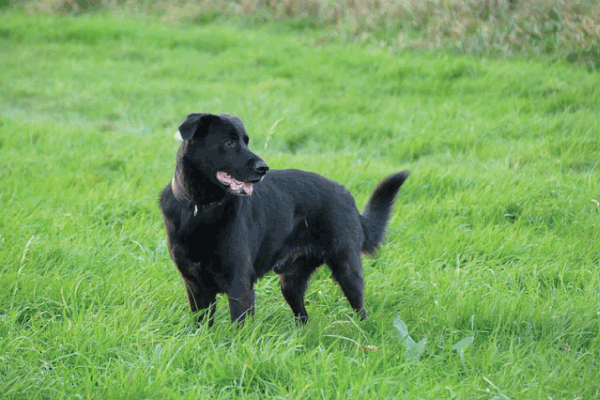
The pitter-patter of tiny human feet is a joyous occasion, but for the furry member of your family, it can be a time of big change and potential uncertainty. Your dog has been the center of your universe, and suddenly, a new creature is demanding all your attention, time, and space. This transition, while natural, requires careful planning, patience, and a deep understanding of your dog’s needs.
This guide is designed to equip you with the knowledge and strategies to make the introduction of your baby or child to your dog a smooth, safe, and ultimately, a positive experience for everyone involved, from the newest human to your beloved fur baby.
Part 1: Preparing Your Dog (Before Baby Arrives)
This is the most crucial stage. Proactive preparation sets the foundation for a successful integration.
1. Reinforce Basic Obedience and Good Manners:
- “Leave It” and “Drop It”: Essential for preventing your dog from snatching baby items or food.
- “Stay” and “Wait”: Crucial for controlled introductions and preventing overly boisterous greetings.
- Crate Training/Safe Space: Ensure your dog is comfortable and happy in their crate or a designated “safe room.” This will be their sanctuary when they need a break from the baby’s presence.
- Place Training: Teach your dog to go to a specific mat or bed and stay there. This is invaluable for managing interactions.
- Bite Inhibition: While hopefully never tested, it’s important that your dog has learned to control their bite pressure through play since puppyhood.
2. Establish New Routines and Boundaries:
- Reduce Dog-Centric Attention Gradually: Start phasing out some of the constant one-on-one attention your dog currently receives. This isn’t about neglecting them, but about preparing them for a shift in your focus. Spend more time with them when you’re not actively engaged with them (e.g., reading a book with them at your feet).
- Introduce Baby-Related Items Gradually:
- Stroller: Let your dog sniff and investigate the stroller while it’s stationary. Take it for short walks without the baby first, so your dog associates it with positive outings.
- Baby Furniture: Let your dog explore the crib, changing table, and bassinets before the baby arrives. Don’t let them sleep or chew on these items, but allow gentle investigation.
- Baby Scents: Bring home a blanket or onesie that smells like the baby from the hospital before bringing the baby home. Let your dog sniff it under controlled circumstances.
- Practice Baby Care Scenarios:
- Simulate Crying: Play recordings of baby cries at a low volume while your dog is relaxed. Gradually increase the volume if they remain calm. Reward their good behavior.
- Practice Holding a Doll: Carry a doll around, practice rocking it, and holding it while interacting with your dog. Get them used to this new object being in your arms.
- Reinforce Positive Associations with Baby Items: When your dog is calm and relaxed around baby gear, offer praise and treats.
3. Address Any Existing Behavioral Issues:
- Resource Guarding: If your dog guards toys, food, or even attention, this needs to be addressed urgently before the baby arrives. Consult a certified professional dog trainer or veterinary behaviorist.
- Excessive Jumping or Nipping: Address these behaviors with consistent training.
- Anxiety or Fear: If your dog suffers from separation anxiety or general nervousness, work with a professional to build their confidence and coping mechanisms.
4. Consider Scent Introduction:
- Hospital Blanket: As mentioned, bringing home a blanket or clothing item that carries the baby’s scent from the hospital is a great first introduction. Present it to your dog to sniff, then put it away. Don’t force interaction.
- Controlled Sniffing: Allow your dog to sniff the blanket while you are present and calm. Reward their curiosity with gentle praise.
5. Enlist Support:
- Partner/Family Member: Practice having someone else take over some of your dog’s care, walks, or feeding. This helps your dog adjust to you being less available.
Part 2: The Grand Introduction (Baby Comes Home)
This is the moment of truth. Keep it calm, controlled, and positive.
1. The First Meeting:
- Keep it Low-Key: When you first arrive home, have someone else take your dog for a walk or keep them occupied in another room. This allows you to settle in with the baby without immediate pressure on your dog.
- Controlled Scent First: Once you’ve settled in, have your partner bring the baby into the room where the dog is.
- Dog on Leash (Initially): This provides immediate control if needed.
- Baby in Carrier/Car Seat: This keeps the baby safe and contained.
- Calm and Relaxed Demeanor: Your energy will influence your dog. Speak in a soft, soothing voice.
- Allow Sniffing (Controlled): Let your dog sniff the baby’s feet or bottom of the carrier. Never let them sniff the baby’s face.
- Positive Reinforcement: If your dog is calm and curious, offer gentle praise and a high-value treat.
- Short and Sweet: Keep the first meeting very brief. End on a positive note before your dog becomes overwhelmed or overexcited.
2. Gradual Integration into Daily Life:
- Supervision is Key: Never leave your dog and baby unsupervised, even for a second, regardless of how well-behaved your dog is. This is a non-negotiable rule.
- Controlled Interactions:
- Baby on the Floor: When the baby is on a playmat, let your dog lie down nearby under supervision. Reward calm behavior.
- Baby in Your Arms: Practice holding the baby while interacting with your dog.
- Stroller Walks: Integrate your dog into stroller walks. Start with short outings and gradually increase distance and duration. Ensure your dog walks calmly beside the stroller.
- Maintain Dog’s Routine:
- Feeding: Feed your dog at their usual times, preferably when the baby is not actively needing your attention.
- Walks: Continue regular walks, even if they are shorter. Consider hiring a dog walker if your time is severely limited.
- Playtime: Dedicate short, focused periods for your dog’s playtime. This keeps them mentally stimulated and reduces frustration.
- Separate Spaces:
- Crate/Safe Room: Use your dog’s crate or safe room as a place of refuge when they need a break, or when you need to focus solely on the baby. Ensure it’s a positive space filled with their favorite toys and bedding.
- Baby-Proofing (for the Dog’s Sake): Keep baby items out of your dog’s reach to prevent accidental ingestion or damage, which can lead to punishment for your dog.
3. Establishing Boundaries for the Dog (and the Baby):
- No Jumping on Furniture (if the baby is there): If your dog is allowed on the couch, and the baby is also there, your dog needs to understand to be calm and not jump up.
- No Licking Baby’s Face: This can spread germs and is generally not a good habit.
- Respect Baby’s Space: Teach your dog to give the baby space, especially when the baby is sleeping or playing.
- No Food Distractions: Never feed your dog from the baby’s high chair or when the baby is eating.
Part 3: Living Together: Ongoing Management and Safety
The introduction is just the beginning. Long-term success requires ongoing effort.
1. Observe and Understand Dog Body Language:
- Signs of Stress/Discomfort: Learn to recognize yawning, lip licking, whale eye (showing whites of the eyes), tucked tail, stiffness, and panting. If you see these signs, create distance between your dog and the baby.
- Signs of Relaxation: Soft eyes, relaxed body, gentle tail wags, and play bows indicate your dog is comfortable.
2. Create Positive Associations:
- Reward Calmness: Consistently reward your dog with praise and treats when they are calm and respectful of the baby.
- “Baby is Here, Good Things Happen”: Ensure your dog associates the baby’s presence with positive experiences like treats, petting, and attention.
- Feeding During Baby Care: If your dog is very calm, you can give them a long-lasting chew toy or a stuffed Kong while you are feeding or changing the baby.
3. Managing Toddlers and Older Children:
- Education is Paramount: Teach your child how to interact with the dog safely and respectfully.
- Gentle Petting: Show them how to pet the dog’s back and sides, avoiding ears and tail.
- No Rough Play: Explain that pulling tails, hugging too tightly, or disturbing the dog while it’s eating or sleeping is not allowed.
- Respect “Dog’s Space”: Teach them that if the dog goes to their bed or crate, they should leave them alone.
- Never Tease: Emphasize that teasing the dog is never acceptable.
- Supervision Remains Crucial: Even with educated children, constant supervision is essential.
- Dog-Friendly Zones: Designate areas where the dog can retreat and be left alone without interruption.
4. Addressing Potential Issues:
- Jealousy: If your dog shows signs of jealousy (e.g., nudging for attention, blocking access), redirect their behavior positively and ensure they are getting enough quality interaction.
- Fear/Anxiety: If your dog becomes fearful or anxious, create more distance, go back to basic positive reinforcement, and consider professional help.
- Resource Guarding: If resource guarding reappears, address it immediately with professional guidance.
5. Prioritize Your Dog’s Needs:
- Mental and Physical Stimulation: Don’t let your dog become a “couch potato.” Regular walks, puzzle toys, and short training sessions are vital for their well-being.
- Socialization: If possible, continue controlled socialization with other calm, vaccinated dogs.
- Your Relationship: Make time for your dog, even if it’s just 10-15 minutes of focused petting or play each day. This reinforces your bond.
When to Seek Professional Help:
Don’t hesitate to consult a:
- Certified Professional Dog Trainer (CPDT-KA/SA): For general obedience, socialization, and behavior modification.
- Veterinary Behaviorist (DACVB): For complex behavioral issues, anxiety, aggression, or fear-based problems.
Key Takeaways for a Smooth Transition:
- Preparation is Everything: Start early and be thorough.
- Patience and Consistency: This is a marathon, not a sprint.
- Supervision is Non-Negotiable: Never leave your dog and baby alone.
- Positive Reinforcement is Your Best Tool: Reward good behavior.
- Understand Dog Body Language: Be your dog’s advocate.
- Create Safe Spaces: For both your dog and your baby.
- Educate Your Children: Teach them respect and safety.
- Prioritize Your Dog’s Well-being: A happy dog is a safe dog.
Bringing a new baby into a home with a dog can be one of the most rewarding experiences. With careful planning, consistent effort, and a deep understanding of your canine companion, you can foster a loving and harmonious relationship between your fur baby and your human baby, creating a truly complete and happy family.
petandbaby, newbaby, petowner, furrbaby, doglover, catlover, petlife, babyarrival, familygoals, petparent, babyanddog, babyandcat, petprep, animalsafety, petbehavior, familytransition, expectingparents, newparent, petfriendly, petfriendlyhome, babyprep, parentingtips, petcare, animalbehavior, joyfultransition, furryfamily, babycomingsoon






Add comment