
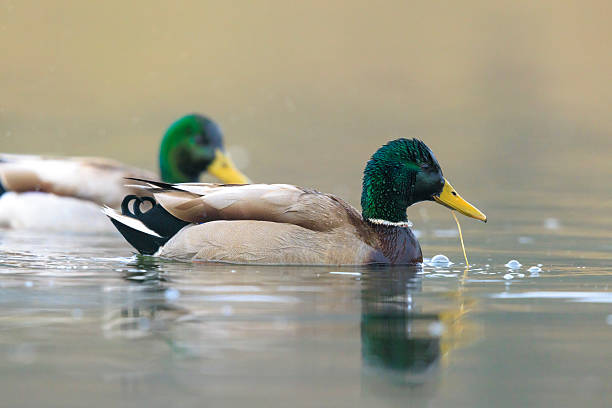
Ducks (family Anatidae) have been companions to humans for millennia. From the serene ponds of ancient Chinese gardens to the bustling barns of modern hobby farms, domestic ducks now occupy a unique niche that blends ornamental, agricultural, and companion‑animal roles. This guide explores the evolutionary trajectory that transformed wild waterfowl into the diverse domestic breeds we know today, and then pivots to the health considerations that accompany this domestication. By linking the past to present‑day husbandry, we aim to provide a holistic perspective for breeders, veterinarians, hobbyists, and anyone fascinated by these charismatic birds.
2. The Evolutionary Pathway: How Wild Ducks Became Domestic Breeds
2.1 Early Human‑Duck Interactions
- Archaeological Evidence: The earliest confirmed domestication of ducks dates to ≈ 4 000 BCE in the Yangtze River basin (China). Pottery shards bear impressions of duck footprints, and carbon‑dated bone fragments show cut marks consistent with human processing.
- Motivations: Early societies valued ducks for meat, eggs, down, and cultural symbolism (e.g., fertility). Their ability to thrive in marshy, low‑input environments made them ideal for rice‑paddy adjuncts.
2.2 The Genetic Bottleneck and Selective Breeding
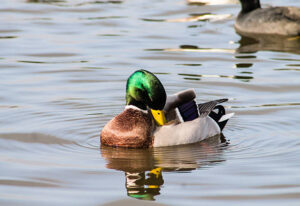
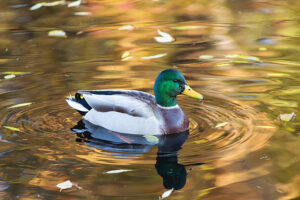
- Founder Effect: Domestication began with a small subset of the Mallard (Anas platyrhynchos) gene pool. This bottleneck fixed alleles for tameness, rapid growth, and increased egg production.
- Selective Pressures:
- Tamability – Birds that were less flighty and tolerated human handling were retained.
- Reproductive Output – Individuals laying ≥ 300 eggs / year were preferentially bred.
- Feather Quality – Ducks with dense, soft down were selected for luxury textiles.
- Molecular Insights: Modern whole‑genome sequencing shows selection signatures in the TCF4 and FOXP2 regions (linked to social behavior), and in the IGF1 pathway (growth regulation).
2.3 Major Domestic Breeds and Their Wild Progenitors
| Domestic Breed | Primary Wild Ancestor | Distinguishing Traits | Typical Use(s) |
|---|---|---|---|
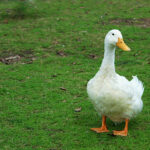
| Pekin | Mallard (A. platyrhynchos) | White plumage, rapid growth, broad body | Meat (industrial) |
| Khaki Campbell | Mallard | Prolific egg layer (≈ 300 eggs / yr), khaki‑brown feathering | Egg production |
| Rouen | Mallard | Large size, striking iridescent plumage | Ornamental, meat |
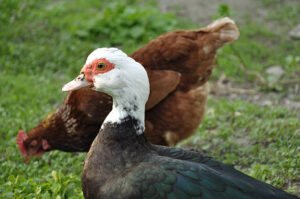
| Muscovy (Cairina moschata) | Distinct species (not a Mallard) | Dark feathering, turkey‑like head, low egg output | Meat, ornamental |
| Call Duck | Mallard (miniature) | Diminutive size (≈ 1 kg), vocal “call” | Pet, exhibition |
| Aylesbury | Mallard | Pure white, long bill, high carcass yield | Traditional English meat duck |
| Magpie | Mallard | Black and white pattern, good foragers | Free‑range egg/meat |
Note: While most domestic ducks derive from the Mallard, the Muscovy duck is an exception, belonging to a separate lineage that diverged ~ 30 Mya. This phylogenetic distance explains its unique pathogen susceptibility (e.g., higher resistance to certain avian influenza subtypes).
3. Causes Driving Domestication and Breed Development
| Cause | Impact on Evolution | Example |
|---|---|---|
| Human Food Demand | Selection for fast‑growing, high‑yield birds | Pekin’s meat‑focused breeding |
| Climate & Habitat Modification | Ducks adapted to rice paddies, ponds, and indoor housing | Khaki Campbell’s ability to thrive on dry feed |
| Cultural & Aesthetic Preferences | Emphasis on plumage color, size, or behavior | Rouen’s show‑bird status |
| Economic Incentives | Development of breeds that can be raised on inexpensive feed | Aylesbury’s efficient feed‑conversion ratio |
| Disease Pressures | Breeding for resistance to endemic pathogens (e.g., duck virus hepatitis) | Muscovy’s natural resistance to certain influenza strains |
These drivers collectively shaped the phenotypic and genotypic landscape of modern domestic ducks, creating a mosaic of breeds each suited to specific human needs.
4. Health Overview – Why Understanding Disease is Critical for Domestic Ducks
Domestication has reduced genetic diversity, making many breeds more vulnerable to infectious, nutritional, and environmental diseases. While wild ducks often possess robust immune defenses honed by natural selection, domestic lines can display cryptic susceptibility to ailments that manifest as subtle clinical signs.
4.1 Common Clinical Signs and Symptoms
| Sign / Symptom | Potential Underlying Issue | Notes for Observation |
|---|---|---|
| Anorexia / Decreased Feed Intake | Bacterial infections (e.g., Salmonella), parasitism, hepatic disease, stress | Monitor daily feed consumption; note any abrupt changes. |
| Lethargy / Hunched Posture | Respiratory disease (e.g., Pasteurella multocida), metabolic disorders, heat stress | Observe flock behavior; isolate affected birds. |
| Wet, Discolored Droppings | Coccidiosis, duck virus hepatitis, enteritis | Perform fecal floatation and PCR diagnostics. |
| Nasal Discharge / Conjunctivitis | Duck influenza, Muscovy duck virus (MDV), mycoplasma | Evaluate for secondary bacterial infection. |
| Feather Loss / Poor Molt | Nutritional deficiency (e.g., methionine, zinc), ectoparasites | Check feed balance and perform feather scoring. |
| Swollen Abdomen / Ascites | Liver disease, heart failure, high‑protein diets | Use ultrasound or necropsy for definitive diagnosis. |
| Egg Abnormalities (thin shells, reduced production) | Calcium deficiency, vitamin D3 shortage, stress | Conduct egg‑shell quality testing and dietary review. |
Early recognition of these signs can drastically improve therapeutic outcomes and limit spread within a flock.
5. Duck Breeds at Risk – Vulnerability to Specific Health Challenges
Paragraph Explanation
While all domestic ducks can contract common avian diseases, certain breeds display heightened susceptibility due to their genetic makeup, body conformation, or production focus.
- Pekin ducks, bred for rapid meat gain and large body mass, often suffer from metabolic disorders such as hepatic lipidosis and ascites. Their high feed conversion ratio predisposes them to obesity‑related conditions, especially when housed on high‑energy diets without adequate exercise.
- Khaki Campbell ducks, the world’s most prolific egg layers, are prone to reproductive tract infections (e.g., peritonitis) and egg‑related calcium depletion, leading to brittle shells and osteodystrophy if dietary calcium is insufficient.
- Muscovy ducks, though genetically distant, display a relative resistance to highly pathogenic avian influenza (HPAI); however, they are more vulnerable to bacterial septicemia caused by Escherichia coli due to their comparatively weaker humoral immunity. Their unique preen gland secretions can also predispose them to dermatological conditions, especially in humid indoor environments.
- Call Ducks, owing to their miniature stature and low body reserves, are especially sensitive to hypothermia and nutrient imbalances. Even minor fluctuations in ambient temperature or feed composition can precipitate rapid health decline.
Understanding breed‑specific vulnerabilities enables targeted preventive measures—diet formulation, housing design, and health‑monitoring protocols—that mitigate disease incidence.
6. Life‑Stage Specific Effects – From Hatchling to Senior Duck
| Life Stage | Key Physiological Changes | Common Health Issues | Management Tips |
|---|---|---|---|
| Embryo (Day 0‑28) | Organogenesis; development of immune system (maternal antibodies transferred via yolk) | Embryonic mortality from incubation temperature fluctuations, shell malformations | Maintain incubation temperature at 37.5 °C and humidity 55 % for first 18 d, then 65 %. |
| Duckling (Day 1‑4 weeks) | Rapid growth; gut colonization with Lactobacillus spp.; feathering begins | Coccidiosis, Pseudomonas septicemia, Nutritional deficiencies (vitamin A, D) | Provide starter crumble (20 % protein), clean water, and a brooder temperature of 32 °C decreasing 2 °C weekly. |
| Pullet (4‑12 weeks) | Onset of egg‑producing system in females, feather maturation | Marek’s disease (rare in ducks), Footpad dermatitis, External parasites | Conduct footpad scoring, apply acaricides as needed, and transition to grower diet (16 % protein). |
| Adult (12 weeks‑2 years) | Full reproductive capacity (egg‑laying females); peak meat yield for males | Duck virus hepatitis (DVH), Avian influenza, Egg‑shell softening | Vaccinate against DVH, implement biosecurity, monitor egg‑shell strength with a shell quality meter. |
| Senior (> 2 years) | Decreased metabolic rate; immune senescence | Osteoarthritis, Fatty liver disease, Reduced fertility | Reduce energy density of diet, incorporate joint supplements (glucosamine), and provide low‑stress environment. |
7. Diagnosis – Tools and Techniques for Accurate Health Assessment
- Physical Examination
- Inspection: plumage condition, body condition score (BCS), posture.
- Palpation: liver size, abdominal distension, joint swelling.
- Laboratory Diagnostics
- Complete Blood Count (CBC): evaluates leukocytosis (bacterial infection) vs. lymphocytosis (viral).
- Serum Biochemistry: liver enzymes (AST, ALT), kidney markers (creatinine, uric acid), electrolytes.
- Fecal Floatation & Parasite Identification: detection of coccidia oocysts, nematodes.
- PCR Panels: rapid detection of Duck Influenza A (H5/H7), Duck Viral Hepatitis, Muscovy Duck Reovirus.
- Imaging
- Radiography: assess skeletal fractures, air sac disease.
- Ultrasound: liver echogenicity (fatty infiltration), gallbladder anomalies, reproductive organ evaluation.
- Post‑mortem (Necropsy)
- Reserved for unexplained mortality; systematic organ inspection, histopathology, and microbiological cultures.
Diagnostic workflow: Clinical sign → Physical exam → Targeted lab testing. Early sampling (within 24 h of symptom onset) increases pathogen detection sensitivity.
8. Treatment – Evidence‑Based Therapeutic Strategies
| Condition | First‑Line Treatment | Adjunctive Care | Duration | Prognosis |
|---|---|---|---|---|
| Bacterial Septicemia (E. coli, Salmonella) | Enrofloxacin 5 mg/kg IM q24 h or Ceftiofur 2 mg/kg IM q12 h | Fluid therapy (Lactated Ringer’s, 20 mL/kg SC q6 h), NSAIDs (Meloxicam 0.2 mg/kg PO q24 h) | 5‑7 days | Good if started early; high mortality if delayed |
| Coccidiosis | Toltrazuril 5 mg/kg PO single dose | Clean litter, de‑contaminate water; probiotic support (Lactobacillus acidophilus) | 3 days | Excellent; recurrence prevented by sanitation |
| Duck Virus Hepatitis (DVH) | Supportive: fluid therapy, vitamin K (to control hemorrhage) | Reduce stress, isolate affected birds; monitor liver enzymes | 7‑10 days | Variable; mortality 30‑70% in young ducklings |
| Mild Respiratory Infection (Mycoplasma) | Tilmicosin 10 mg/kg PO q24 h | Nebulized saline, environmental dust control | 5‑7 days | Fair to good; chronic carriers may persist |
| Nutritional Deficiency (Calcium/Vit D) | Dietary correction: add ground limestone 2 % of feed + vitamin D3 5 000 IU/kg | Supplements (calciferol drops) for laying females | 2‑4 weeks to normalize shells | Excellent once diet balanced |
| Dermatitis (Muscovy preen gland) | Topical antiseptic (chlorhexidine 0.05 %); systemic antibiotics if secondary infection | Improve ventilation, reduce humidity | 7‑10 days | Good; recurrence prevented by environmental management |
Important: Antimicrobials must be administered in accordance with local veterinary regulations and withdrawal periods for meat‑producing ducks.
9. Prognosis & Complications – What to Expect After Intervention
- Successful Recovery: Most acute bacterial and parasitic infections resolve within 1‑2 weeks, with full return to normal production metrics (egg count, weight gain).
- Chronic Sequelae:
- Hepatic fibrosis after severe DVH may reduce growth rate.
- Osteoporosis from prolonged calcium deficiency can cause leg fractures in older layers.
- Carrier State: Certain Mycoplasma and Avian Influenza strains can persist subclinically, leading to periodic flare‑ups especially under stress.
- Mortality Factors: Delay in treatment, co‑infection (e.g., viral + bacterial), and poor biosecurity dramatically increase fatality rates.
- Production Impact: Even sub‑lethal disease episodes can cause a 10‑30 % dip in egg production and a 5‑15 % reduction in feed‑conversion efficiency for meat breeds.
Monitoring: Post‑treatment, conduct weekly weight checks, egg‑shell quality assessments, and repeat CBC where indicated to confirm resolution.
10. Prevention – Best‑Practice Management to Keep Ducks Healthy
- Biosecurity Protocols
- Footbaths at entry points (10 % bleach solution).
- Dedicated equipment per flock; disinfect with quaternary ammonium compounds.
- Quarantine new arrivals for at least 30 days with health screening.
- Environmental Management
- Dry, well‑ventilated housing; maintain relative humidity 50‑60 %.
- Water quality: chlorinate or UV‑treat water daily; avoid stagnant pools.
- Vaccination Programs (where available)
- Duck virus hepatitis (inactivated vaccine) at 2 weeks and booster at 6 weeks.
- Muscovy duck reovirus (if regionally prevalent).
- Avian influenza (inactivated) for high‑risk commercial operations.
- Nutrition & Feed Hygiene
- Feed storage: airtight containers, temperature ≤ 20 °C to prevent mold.
- Balanced rations: protein 16‑20 % for growers, 18‑22 % for layers; calcium 3.5‑4 % for egg‑laying females.
- Regular Health Surveillance
- Monthly flock inspections; record mortalities, egg output, feed consumption.
- Fecal sampling quarterly for parasites.
- Genetic Diversity Maintenance
- Incorporate outcrossing every 3‑5 years to reduce inbreeding depression and bolster disease resistance.
Implementing these layers of prevention creates a resilient flock capable of thriving despite the pressures of modern production.
11. Diet & Nutrition – Feeding the Modern Domestic Duck
| Nutrient | Recommended Level | Function | Sources |
|---|---|---|---|
| Crude Protein | 16‑20 % (growers), 18‑22 % (layers) | Muscle growth, egg‑white production | Soybean meal, fishmeal, peas |
| Metabolizable Energy | 2 800‑3 200 kcal/kg | Supports rapid growth and egg formation | Corn, barley, milled wheat |
| Calcium | 2.5‑3 % (meat ducks), 3.5‑4 % (layers) | Shell formation, bone health | Limestone, oyster shell, bone meal |
| Phosphorus | 0.5‑0.7 % (available) | Energy metabolism, skeletal development | Dicalcium phosphate, meat‑bone meal |
| Vitamin D3 | 3 000‑5 000 IU/kg | Calcium absorption, immunity | Fish oil, synthetic D3 premix |
| Vitamin A | 10 000‑15 000 IU/kg | Vision, mucosal integrity | Carotenoids (marigold), synthetic premix |
| Methionine | 0.6‑0.9 % | Feather keratin, antioxidant balance | DL‑Methionine, soy products |
| Trace Minerals (Zn, Cu, Mn, Se) | 60‑80 ppm (Zn) etc. | Enzyme co‑factors, immunity | Mineral premix, zinc sulfate |
Feeding Strategies
- Starter Phase (0‑4 weeks): Highly digestible, crumble form to minimize aspiration. Include probiotic blends to accelerate gut flora development.
- Grower Phase (5‑12 weeks): Transition to pelleted feed (3‑5 mm) to improve feed efficiency and reduce waste.
- Layer Phase (≥ 12 weeks, females): Introduce layer mash with higher calcium and vitamin D3; provide free‑choice oyster shells for supplemental calcium.
- Breeder & Meat Phase: Adjust energy up‑wards (up to 3 500 kcal/kg) to support rapid weight gain; limit protein to prevent excessive fat deposition.
Water & Accessory Feeding
- Water: Must be clean, fresh, and accessible at all times. Ducks require water for preening and thermoregulation; inadequate water leads to skin lesions and egg‑shell defects.
- Foraging: Allow grazing on grass or safe aquatic vegetation to provide natural vitamins (e.g., β‑carotene) and mental stimulation.
12. Zoonotic Risk – When Ducks Pose a Threat to Human Health
| Zoonotic Agent | Potential Human Disease | Transmission Route | Risk Level (Domestic Ducks) |
|---|---|---|---|
| Campylobacter jejuni | Campylobacteriosis (gastroenteritis) | Fecal–oral (contaminated water/food) | Moderate – common in free‑range flocks |
| Salmonella enterica | Salmonellosis | Same as Campylobacter; egg consumption | Moderate‑High – especially in hatcheries |
| Avian Influenza A (H5/H7) | Severe respiratory disease (potential pandemic) | Aerosols, direct contact | Low‑to‑moderate (depends on regional outbreaks) |
| Duck Virus Hepatitis (DVH) | Rare human hepatitis (experimental) | Theoretical; no confirmed cases | Negligible |
| Cryptosporidium spp. | Cryptosporidiosis (diarrhea) | Fecal–oral (contaminated water) | Low‑moderate |
| Mycobacterium avium complex | Pulmonary infections (immunocompromised) | Inhalation of aerosolized droppings | Low |
Mitigation Measures
- Hand Hygiene – Wash hands with soap after handling ducks, eggs, or equipment.
- Egg Handling – Cook eggs thoroughly; avoid raw egg consumption from backyard flocks.
- Water Treatment – Use UV or chlorination for water intended for human consumption if sourced from duck ponds.
- Protective Apparel – Wear gloves and disposable boots when cleaning bird houses, especially during outbreak periods.
- Vaccination & Surveillance – Participate in regional avian influenza monitoring programs; report any unusual mortality.
By integrating standard One Health practices, owners can enjoy the benefits of domestic ducks while safeguarding public health.
13. Conclusion – Integrating Evolutionary Insight with Modern Husbandry
The transformation of wild Mallards and Muscovy ducks into the myriad domestic breeds we cherish today is a testament to human ingenuity and the remarkable plasticity of waterfowl genetics. However, the same forces that sculpted their phenotypes have also narrowed their immune repertoire, making targeted health management indispensable.
Key Takeaways
- Evolutionary history informs breed‑specific strengths and weaknesses; knowledge of ancestry helps anticipate health challenges.
- Early detection of clinical signs, coupled with precise diagnostics, maximizes treatment success.
- Preventive husbandry—biosecurity, balanced nutrition, and routine vaccination—remains the most cost‑effective disease‑control strategy.
- Zoonotic vigilance protects both owners and the broader community, ensuring that the human‑duck relationship remains mutually beneficial.
By honoring the past and applying rigorous modern science, duck keepers can sustain thriving flocks that honor both heritage and well‑being for generations to come.
#DuckEvolution, #DomesticDucks, #WildToDomestic, #WaterfowlBreeds, #PekinDuck, #KhakiCampbell, #MuscovyDuck, #DuckHealth, #AvianInfluenza, #ZoonoticRisk, #DuckNutrition, #OneHealth, #DuckBreeding, #EggProduction, #MeatDucks, #PetDucks, #DuckCare, #FarmAnimals, #BirdVeterinary, #EcoFriendlyFarming, #SustainableLivestock
Add comment