
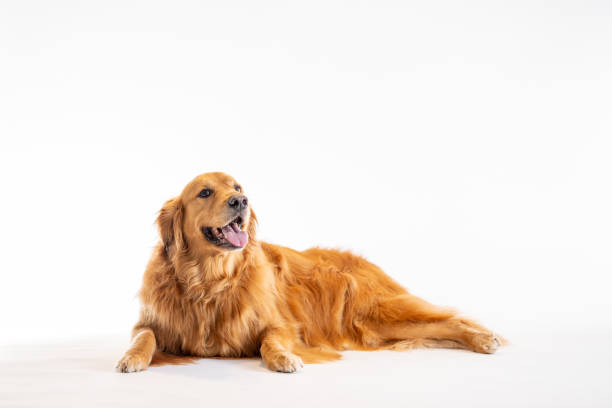
The Golden Retriever is not just America’s beloved family pet; they are a study in joyous energy, unwavering loyalty, and formidable athleticism. Bred originally for retrieving game from land and water, the Golden possesses a unique combination of intelligence (ranking 4th in Stanley Coren’s list of dog intelligence), a high prey drive, and the definitive “soft mouth.”
To truly enrich the life of a Golden Retriever, owners must move beyond simple daily walks. A Golden needs to work, to think, and to exercise both body and mind. Failure to provide adequate mental and physical stimulation can lead to boredom, manifesting as destructive chewing, excessive barking, or anxiety.
This comprehensive guide delves into a vast array of activities—from classic games to competitive sports and therapeutic ventures—designed to satisfy the physical, mental, and emotional needs of the magnificent Golden Retriever.
I. The Golden Imperative: Understanding Their Need for Engagement
Golden Retrievers thrive on being useful. Their eagerness to please (ETP) makes them highly trainable, but their high energy levels demand consistency in routine and novelty in play. Activities must be tailored to their life stage—a boisterous 8-month-old puppy requires different engagement than a steady 10-year-old senior, though the core need for companionship remains constant.
Key Drivers and Temperament:
- The Retrieve Drive: This is fundamental. If it can be carried in their mouth, they will retrieve it. This drive transcends simple play; it is a profound fulfillment of their biological purpose.
- The Water Affinity: Goldens possess a thick, water-repellent double coat and webbed feet, making them natural, powerful swimmers.
- The Social Drive: They bond deeply with their families and often enjoy the company of other dogs. Activities that incorporate social interaction are highly beneficial.
II. Classic & Core Activities: The Foundations of Golden Fun (Physical Fulfillment)
These activities satisfy the Golden’s fundamental need for vigorous exercise and retrieving practice.
A. Mastering the Perfect Game of Fetch
Fetch is the Golden Retriever’s birthright. However, simple throwing becomes monotonous for both parties. Elevating the game enhances satisfaction and prevents injuries.
1. Advanced Fetch Techniques:
- Distance and Terrain Variability: Utilize long-line launchers or throw balls up a slight incline to maximize cardiovascular workout. Introduce fetch in varied environments—a grassy field, a sandy beach, or even a shallow stream. The uneven terrain forces them to concentrate and use different muscle groups.
- The Two-Ball Method: This is crucial for Goldens who struggle to return the ball fully or drop it just out of reach. Throw the second ball only when the first is dropped. This uses their ETP drive to ensure a clean return, teaching them that releasing the current prize leads to the next adventure immediately.
- Retrieval Safety and Warm-up: Before intense sprinting sessions, incorporate a 5-minute warm-up of brisk walking and soft-toss fetch. Goldens are prone to conditions like elbow and hip dysplasia; cold muscle sprinters are at risk. Always ensure a soft landing surface, avoiding overly hard asphalt or concrete.
2. Specialized Retrieving Equipment:
While tennis balls are common, heavy canvas dummies or specialized floating retrieval toys (often scented) are preferred. These mimic the weight and texture of the original game fowl they were bred to fetch, offering a deeper sensory experience.
B. The Joy of Swimming and Water Work
If a Golden has access to safe water, they should be in it. Swimming is the ideal, low-impact, high-intensity exercise, perfect for senior dogs or those managing joint issues.
1. Safety Protocols and Introduction:
Never throw a dog into the water. Ensure their first experiences are positive, starting with shallow edges of a lake or a kiddie pool. Always supervise, and be aware of strong currents in rivers or high waves at the ocean. A life vest, particularly one with a rescue handle, is recommended for large bodies of water or long swimming sessions, assisting both flotation and easy retrieval.
2. Advanced Water Retrieval:
Throw floating dummies specifically designed to look like ducks or fish far out. Use hand signals combined with verbal commands (“Back!” or “Over!”) to direct them to the target, training them not just to swim, but to search. This integrates mental work into the physical activity.
C. Hiking and Trail Exploration
The Golden’s robust build makes them excellent hiking companions. They possess the stamina for long trails but must be conditioned properly.
1. Gear and Etiquette:
- Leash Selection: A hands-free waist leash is excellent for maintaining control while allowing the owner stability. On trails requiring close control, a shorter 4-foot leash is best.
- Paw Protection: In hot or rocky terrain, protective paw wax or doggie boots are essential to prevent abrasion and burns.
- The Golden as a Pack Animal: Once fully grown (after 18–24 months), Goldens can carry their own supplies in a specialized dog backpack (saddlebag). Start with an empty pack, slowly adding weight (water and collapsible bowls) over several weeks, never exceeding 10–15% of the dog’s body weight.
2. Trail Games:
Use the trail environment for simple training tests. Practice “wait” before crossing bridges or rushing streams, and utilize natural obstacles as impromptu agility equipment (stepping over downed logs or weaving through thickets).
III. Mind & Brain Games: Mental Stimulation and Enrichment (The Intelligent Activity)
Goldens are highly intelligent and require mental challenges to prevent boredom. These activities engage their cognitive abilities and foundational senses.
A. The Power of Scent Work (The Nose Knows)
Scent work (or ‘Nose Work’) is arguably the most satisfying mental exercise for a dog. It draws directly upon their primary sense and fulfills their seeking behavior. It is also an excellent activity for rainy days or limited mobility.
1. Introduction to the Game:
- High-Value Treat Searches: Start by hiding high-value, smelly treats in plain sight (under a towel, behind a sofa cushion). Use a command like “Find it!” As they succeed, increase the difficulty: hiding treats in a grid of boxes, requiring them to differentiate between the empty and the scented box.
- Advanced Scent Discrimination: Progress to using professional odor detection kits (e.g., birch, anise, clove essential oils). The dog learns to associate a specific odor (not food) with a reward. This deepens the mental focus significantly.
2. Hide and Seek with Humans:
This is a favorite bonding game. Have one family member hide while another distracts the dog. Use an excited release command (“Go find Daddy!”). This reinforces recall and strengthens the dog’s reliance on their sense of smell to locate their pack.
B. Puzzle Toys and Food Dispensing Games
The Golden’s food motivation makes puzzle toys highly effective tools for mental engagement.
- Snuffle Mats: These fleece mats require the dog to root through fabric strips to find kibble, mimicking foraging behavior.
- Kongs and Fillable Toys: Stuffing a Kong or other durable rubber toy with peanut butter, yogurt, or wet food and freezing it provides 20–40 minutes of quiet, focused work, perfect for crate time or winding down.
- Interactive Dispensing Toys: Toys that require pushing, rolling, or manipulation to release kibble (e.g., treat balls) turn mealtime into a productive game, slowing down rapid eaters and engaging their problem-solving skills.
C. Core Concept Training Games
Training should be seen as a continuous loop of interactive games, not a chore. Goldens excel at learning complex chains of behavior.
1. The “Clean Up” Game:
Teach your Golden to pick up specific toys and deposit them into a basket. This is trained by shaping: rewarding them for touching the toy, then picking it up, then taking a step toward the basket, and finally, dropping it in. This reinforces multiple commands (take, drop, target) and provides functional assistance.
2. Advanced Command Chains:
Challenge your Golden to execute a series of commands in order before receiving a reward (e.g., “Sit, Down, Roll Over, Touch, Stay”). This requires intense focus and memory recall, significantly taxing their brainpower.
IV. Competitive & Structured Sports: Harnessing Golden Athleticism
For the high-energy Golden, formalized dog sports offer structure, continuous challenge, and an excellent outlet for their athleticism.
A. Agility Trials
Agility is a high-octane sport where the handler directs the dog through an obstacle course (tunnels, jumps, weave poles, dog walks) against the clock.
1. Why Goldens Excel:
Their combination of speed, muscular power, and the ETP mindset makes them fantastic agility competitors. They are rarely timid around the equipment and respond instantly to the handler’s non-verbal cues.
2. Training Focus:
Initial training focuses on confidence building (making tunnels fun, walking slowly over the contact obstacles). As they advance, training revolves around “reading” the handler’s body language and perfecting the notoriously difficult weave poles, which require balance and rhythmic movement.
B. Dock Diving (The Splash Sport)
Dock diving requires the dog to run down a dock and jump for distance or height into a pool of water, usually chasing a thrown toy.
1. The Golden Advantage:
Given their natural love for water and retrieving drive, Goldens are born for this. The sight of a toy flying over the water triggers an immediate, powerful launch.
2. Tips for Success:
Start by ensuring your Golden will jump into the water after a toy from the edge of a dock or pool (never force it). The key to maximizing distance is the “running start” and ensuring the dog doesn’t leap too early or too late relative to the toy’s trajectory.
C. Obedience and Rally Trials
While Goldens are naturally obedient, structured trials demand precision, speed, and reliability under distraction.
1. Competitive Obedience:
This requires flawless execution of formal commands (heeling, recall, retrieving a specific dumbbell, scent discrimination). It focuses on the minute details—the dog must maintain a perfect heel position and execute crisp, fast sits and downs without creeping.
2. Rally Obedience:
Rally is more relaxed than formal obedience. The dog and handler move through a course of stations, performing the instruction posted at each station (e.g., “Figure-Eight Weave,” “Stop-Sit-Down”). It involves continuous communication and is excellent for building teamwork in a fun, fast-paced environment.
D. Flyball
Flyball is a high-energy relay race where teams of four dogs race over a series of hurdles to retrieve a tennis ball dispensed from a spring-loaded box, before returning the ball to the start.
- Required Skills: Speed, precise jumping, quick turns (the “swimmer’s turn” at the box), and tolerance for other dogs running in close proximity. This sport channels the high-energy nature of the breed perfectly.
V. Water-Based Fun: Beyond Simple Swimming (The Aquatic Athlete)
The Golden’s webbed feet and water-loving coat lend themselves to activities that transcend simple play.
A. Paddleboarding and Kayaking
Taking your Golden on the water provides excellent bonding time and low-impact core exercise (maintaining balance).
1. Board Training:
Start the dog on the board/kayak on land, rewarding them for sitting calmly. Move to shallow, calm water. Use a steady command (“Place” or “Find your spot”) and encourage them to either sit or lie down, stabilizing their weight near the center of the craft.
2. Safety Equipment:
A comfortable, high-quality life vest is non-negotiable. It aids flotation if they fall off and provides a handle for easy lift-back onto the board.
B. Canine Hydrotherapy (For Health and Fitness)
For conditioning athletes or rehabilitating senior dogs, specialized aquatic centers offer treadmills submerged in water.
- Benefits: The buoyancy of the water provides resistance without the stress of weight-bearing impact, helping to build muscle strength and endurance safely. This is an invaluable tool for maintaining mobility in aging Goldens.
VI. Bonding & Therapeutic Activities: Connection and Calm
The Golden Retriever’s gentle nature makes them exceptional candidates for activities centered on human connection and emotional support.
A. The Therapeutic Companion
Goldens often possess the calm, stable temperament required for formal therapy dog work.
1. Preparation and Certification:
This requires rigorous training encompassing advanced obedience, reliability under extreme distraction (loud noises, medical equipment), and a non-reactive response to novel stimuli. Organizations like Therapy Dogs International (TDI) or Alliance of Therapy Dogs (ATD) offer certifications.
2. The Work:
Visiting hospitals, nursing homes, schools, or libraries (where they participate in “Read to a Dog” programs). This meaningful work provides deep fulfillment to the Golden, as their purpose is translated into comforting others.
B. Massage and Passive Bonding
Goldens are deeply affectionate and enjoy physical closeness. Incorporating formal canine massage into your routine provides health benefits alongside emotional bonding.
1. Techniques:
Learn basic TTouch (Tellington TTouch) or simple Swedish massage techniques. Focus on large muscle groups (shoulders, thighs) and areas prone to stress (base of the tail, neck). This helps identify any muscle soreness or stiffness early, crucial for a large breed.
2. The Ritual:
Make grooming and massage a quiet, predictable ritual. This lowers the dog’s blood pressure, strengthens trust, and provides a necessary counterbalance to their high-energy activities.
VII. Seasonal and Environmental Specific Activities
Adapting activities to the weather and environment ensures year-round engagement.
A. Winter Wonderland Fun
Goldens are well-suited for cold weather due to their dense double coat.
- Snow Retrieval: Snow provides a soft landing and adds a layer of difficulty to scent work, as the scent clings differently to the cold, wet ground. Throwing toys into deep snow forces them to use their noses to locate the object.
- Skijoring/Canicross: For the exceptionally fit Golden, these sports involve the dog pulling the owner (who is on skis or running) via a specialized harness and towline. This is a high-intensity, structured pulling activity, often done in cold conditions.
B. Beach Exploration
Beaches offer a superior environment for Goldens, combining sand, water, and vast space.
- Sand Digging Games: Allow them supervised time to dig. This is a natural, de-stressing activity. Hide toys lightly beneath the sand and encourage them to unearth them.
- Wave Jumping: Goldens often love challenging mild waves, jumping over them as they crash. Ensure the beach is dog-friendly and check for rip currents.
C. Urban Scavenger Hunts
For Goldens living in city environments, enrichment must be created artificially.
- The Parkour Challenge: Use safe urban furniture (low benches, steps, wide planters) to practice body awareness. Teach them to jump onto and off things, or walk along a low wall (always safely controlled by a leash) to build confidence and coordination.
VIII. Safety, Hydration, and Life Stage Considerations
The intensity of activities must always be balanced by safety precautions and tailored to the dog’s age.
A. Protecting the Growing Golden (0–24 Months)
The growth plates in a Golden are not fully closed until around 18–24 months. High-impact activity (long-distance running, excessive jumping, agility weave poles) must be strictly limited during this time to prevent permanent joint damage. Focus on swimming, short-duration low-impact games, and extensive intellectual training.
B. Heat Safety for the Double-Coated Dog
Goldens are highly susceptible to heat stroke due to their dense coat and high activity level.
- Timing: Schedule intense exercise for the cool hours (early morning or dusk).
- Hydration: Always carry more water than you think you need. Invest in a portable, collapsible water bowl.
- Cooling Techniques: Bring a cooling wet towel or vest for transport home. Never leave a Golden in a car, even with windows cracked, in temperatures above 70°F (21°C).
C. The Senior Golden (8+ Years)
While the energy level decreases, the need for mental stimulation and companionship does not.
- Activity Adjustment: Switch high-impact fetch to low-impact scent work, gentle walks, and warm water swimming. Continue training by learning new, simple tricks (e.g., “Sneeze” on command or “Bow”) to keep the brain sharp without straining the body.
- Joint Supplements and Veterinary Care: Ensure regular vet checks and discuss maintenance supplements (glucosamine, omega fatty acids) to keep them comfortable during walks and moderate play.
IX. Conclusion: The Golden Promise
The activities available for a Golden Retriever are as vast and varied as their enthusiastic personalities. They are canine polymaths—excelling in the water, in the field, in the competition ring, and most importantly, in the comfort of your home.
Engaging your Golden Retriever in a deliberate, varied routine of physical rigor and mental challenge is not merely about managing their energy; it is about honoring their heritage and deepening the bond that makes this breed so extraordinary. When a Golden’s mind and body are fully utilized, their inherent joy radiates, making them not just a pet, but a fulfilled, happy, and invaluable member of the family.
By viewing every interaction as an opportunity for training, play, and mutual enrichment, you ensure that your Golden Retriever lives a life as rich and golden as its coat.
#GoldenRetrieverLife, #DogActivities, #FetchMaster, #WaterDog, #CanineSports, #GoldenLover, #NoseWork, #DogTrainingTips, #HappyGolden, #DogEnrichment, #AgilityDog, #DockDiving, #TherapyDog, #ActiveDogLife, #GoldenMoments, #DogAdventure, #Retrieving, #PupPlay, #GoldenRetrieverWorld, #DogFitness






Add comment