
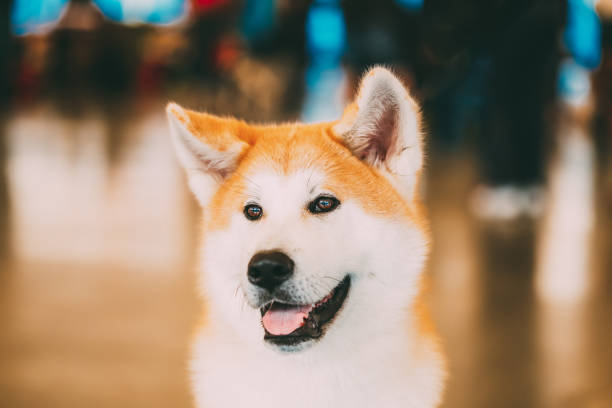
The Japanese Akita Inu is a magnificent and majestic breed, renowned for its loyalty, dignity, and striking appearance. Originating from the mountainous regions of northern Japan, these dogs were historically bred for hunting bear, boar, and deer, which imbued them with an impressive blend of strength, intelligence, and an independent spirit. Owning an Akita is a unique journey, one that requires a deep understanding of their distinctive temperament and energy levels. They are not a breed for the faint of heart or the inexperienced owner; their independence can sometimes be mistaken for stubbornness, and their guarding instincts require careful socialization and consistent training.
More than just a companion, an Akita forms an incredibly strong bond with its family, often showcasing a sensitive and affectionate side to those they trust. However, this deep devotion comes with a need for engagement. A bored Akita is a destructive Akita, and an unexercised Akita is an unhappy Akita. Their powerful minds and bodies crave purposeful activity, making it essential for owners to provide a rich and varied environment that caters to both their physical prowess and their keen intellect.
This comprehensive guide will delve into a myriad of fun and enriching activities designed to strengthen the bond between you and your Akita, keep them physically fit, and provide the mental stimulation crucial for their well-being. From high-energy physical exertions to intricate mind games and social engagements, we’ll explore how to unlock the full potential of your Akita Inu, ensuring a happy, healthy, and harmoniously integrated member of your family.
Understanding the Akita Inu: The Foundation for Activity Planning
Before diving into specific activities, it’s vital to grasp the core characteristics of the Akita Inu that influence their suitability for various engagements:
- Intelligence & Independence: Akitas are intelligent and capable of learning complex commands, but they are also independent thinkers. They often question commands and will decide if cooperation is worthwhile. This means activities need to be engaging, rewarding, and consistently presented in a positive manner. Rote repetition without purpose can quickly lead to boredom and disengagement.
- Moderate Energy Levels, High Stamina: While Akitas might not be hyperactive like some working breeds, they possess remarkable stamina. They need consistent, moderate-to-vigorous exercise daily. A short walk around the block won’t cut it. Their muscular build and dense coat make them well-suited for cooler climates and longer treks.
- Strong Prey Drive: Bred for hunting, Akitas often have a significant prey drive. This instinct means caution is needed around small animals, and secure, leashed environments are paramount for outdoor activities. Activities that safely channel this natural instinct, like flirt poles or scent work, can be highly satisfying for them.
- Stoicism & Scent-Driven Nature: Akitas can be stoic and might not always show exaggerated enthusiasm, but their focused attention indicates engagement. They also have an excellent sense of smell, making nose-work activities particularly rewarding.
- Socialization Needs: While loyal to their family, Akitas can be reserved or even dominant with other dogs, especially those of the same sex. Their socialization needs are lifelong. Activities need to consider their comfort levels with other animals and people, focusing on quality over sheer quantity of interaction.
- Physical Robustness: Their sturdy build means they can handle rugged terrain and various weather conditions, particularly cold. However, vigilance regarding joint health (especially as they age) and overheating in warm climates is crucial.
Understanding these traits forms the bedrock of choosing and conducting activities that will not only be fun but also safe, productive, and truly enriching for your Akita.
Core Principles for Engaging Your Akita
To maximize the enjoyment and effectiveness of any activity with your Akita, adhere to these fundamental principles:
- Consistency & Routine: Akitas thrive on routine. Regular exercise and training schedules help them understand expectations and feel secure.
- Positive Reinforcement: Harsh methods are counterproductive for Akitas. They respond best to praise, treats, and toys. Keep sessions fun and upbeat.
- Mental Stimulation is Key: Physical exercise alone is insufficient. Akitas need challenges for their intelligent minds to prevent boredom and destructive behaviors.
- Safety First: Always prioritize your Akita’s safety and the safety of others. This includes proper leashing, awareness of weather, assessing their physical condition, and ensuring a secure environment.
- Varying Activities: Prevent boredom by rotating activities. Introduce new challenges and revisit old favorites.
- Respecting Their Boundaries: Akitas are not always “yes-dogs.” If your Akita is clearly not enjoying an activity, don’t force it. Find something else they prefer.
- Short, Engaging Sessions: For training, multiple short sessions (5-10 minutes) throughout the day are often more effective than one long, tedious one.
Category 1: Physical Activities (Body & Endurance)
These activities cater to your Akita’s impressive physical capabilities, helping them burn off energy, maintain a healthy weight, and strengthen their muscles.
1. Walking & Hiking: Exploring the World
Structured walks and hikes are fundamental for an Akita’s well-being. It’s not just about physical exertion, but also about mental enrichment through exposure to new sights, sounds, and smells.
- Structured Daily Walks: Akitas need at least 60-90 minutes of brisk walking daily, ideally split into two or three sessions. Focus on proper leash manners from a young age. A front-clip harness or a head halter can be useful tools for managing their strength, but consistent training is key. Vary your routes to keep things interesting. Explore urban parks, quiet residential streets, and open fields.
- Hiking Adventures: Akitas excel on trails. Their robust build and stamina make them ideal hiking partners.
- Terrain & Duration: Start with shorter, easier trails and gradually increase duration and difficulty. Look for varied terrain – inclines, declines, rocky paths – to engage different muscle groups.
- Gear: Invest in a sturdy, comfortable harness, a hands-free leash (can be great for balance), a collapsible water bowl, and plenty of water for both of you. Consider a dog backpack for your Akita to carry their own supplies, adding a physical and mental challenge. Ensure the weight is appropriate and evenly distributed.
- Safety: Always keep your Akita on a leash, especially in areas with wildlife or other hikers/dogs. Be aware of local leash laws. Carry a first-aid kit for dogs. Check for ticks and inspect paws after every hike. Avoid hiking in extreme heat.
2. Running & Jogging: Paced Endurance
For Akitas that enjoy it and are physically mature (typically after 18-24 months to protect growing joints), jogging can be an excellent form of exercise.
- Cautions: Consult your vet before starting a running program to ensure your Akita’s joints and heart are healthy. Avoid running on hard surfaces like asphalt for long periods; softer trails are better.
- Pacing: Akitas are sprinters, not marathoners, but they can maintain a steady pace. Start with short intervals of jogging interspersed with walking, gradually increasing the jogging duration. Always allow for warm-up and cool-down walks.
- Canicross: For truly athletic Akitas and owners, canicross (cross-country running with a dog pulling in front) can be an option. This requires specific training and equipment (a specialized harness that distributes pull evenly) to prevent injury and ensure comfort. It also helps channel their natural desire to pull.
3. Fetch & Ball Play: The Akita Twist
While many dogs are obsessive about fetch, Akitas often have their own unique, dignified approach. They might retrieve the item, but then bring it near you, expecting you to pick it up, or simply guard it.
- Variations: Instead of expecting a perfect retrieve, make it a game of “find the ball.” Hide a toy and encourage them to locate it. Use multiple balls or toys to keep their interest.
- Frisbee: Some Akitas enjoy chasing a frisbee, but avoid high jumps and hard landings that can stress joints. Always use soft, dog-specific frisbees.
- Flirt Pole: This is an excellent tool (discussed more in mental stimulation) that combines the chase of fetch with controlled movement, safely engaging their prey drive without requiring a full retrieve.
4. Swimming: A Refreshing Dip
While Akitas are not naturally water dogs like Labradors, some enjoy a splash, especially on hot days.
- Safety First: Never force an Akita into the water. Introduce them gradually. A life vest is highly recommended for safety, regardless of their swimming ability, especially in open water.
- Supervision: Always supervise your Akita near water. Choose calm, clean bodies of water. Lakes or slow-moving rivers are often preferable to strong currents.
- Cooling Down: Swimming is a fantastic way to cool down during summer months and provides a low-impact workout.
5. Agility (Modified): Fun, Not Competition
Competitive agility might be too intense for some Akitas due to their independent nature and size, but a modified, fun-focused version in your backyard or a class can be highly beneficial.
- Backyard Agility: Set up simple obstacles like low jumps (made from PVC pipes or brooms), tunnels (collapsible dog tunnels), weave poles (even just 3-4 poles), and a pause table.
- Focus on Fun: Don’t stress about speed or perfection. The goal is to build confidence, improve coordination, and provide mental and physical stimulation. Use positive reinforcement lavishly.
- Mental Engagement: Agility requires focus, problem-solving, and following a sequence of commands, making it a fantastic mental workout alongside the physical.
6. Tug-of-War (Controlled): Building Bond and Manners
When played correctly, tug-of-war can be a great bonding activity and an outlet for their strength and prey drive.
- Rules: Establish clear rules: the game starts and stops on your command (“take it,” “drop it”). If your Akita’s teeth touch your skin, the game immediately ends. You should always initiate and end the game.
- Building Bond: This interactive game allows your Akita to engage their natural drive in a controlled manner, reinforcing the idea that playing with you is fun and rewarding.
Category 2: Mental Stimulation & Training (Mind Games)
Akitas are intelligent and can become bored easily if their minds aren’t challenged. These activities tap into their problem-solving abilities and natural instincts.
1. Obedience Training (Advanced): Beyond the Basics
Building on basic obedience, advanced training keeps their minds sharp and strengthens your communication.
- Advanced Commands: Teach complex commands like “stay” with distractions and distance, a rock-solid “recall” (especially crucial for Akitas), “heel” off-leash in secure areas, or “place.”
- Trick Training: Akitas enjoy learning tricks when presented positively. Teach them to spin, weave through your legs, bow, play dead, retrieve specific items by name, or even close doors. Trick training is excellent for mental agility and building confidence.
- Shaping Behaviors: Instead of luring, use shaping to teach complex behaviors. This involves rewarding successive approximations of the desired action, encouraging your Akita to think and figure things out.
2. Puzzle Toys & Treat Dispensers: Food for Thought
These toys are excellent for solo play and can keep an Akita engaged for extended periods, especially when you’re busy.
- Level of Difficulty: Start with easier puzzles and gradually introduce more complex ones. Kongs stuffed with peanut butter or wet food (and frozen) are classics. Lick mats also offer calming, sustained engagement.
- Interactive Puzzles: Look for puzzle toys where your Akita has to manipulate parts to get treats. Brands like Nina Ottosson offer a wide range.
- DIY Puzzles: Create your own. Hide treats in cardboard boxes, under upturned plastic cups, or wrapped in towels.
3. Scent Work & Nose Games: Tapping into Natural Instincts
Akitas have excellent noses, and scent work is an incredibly satisfying and mentally exhausting activity for them. It’s often calming and builds confidence.
- “Find It!” Games: Start simple. Show your Akita a high-value treat, then hide it in plain sight and say “find it!” Gradually increase the difficulty by hiding it in other rooms, under blankets, or in outdoor environments.
- Hide and Seek (People/Toys): Have one family member hide while another distracts the Akita. Then, say “find [person’s name]!” This is a great bonding activity. Similarly, hide their favorite toy and encourage them to find it.
- Tracking: Simple backyard tracking involves laying a short trail of treats for your Akita to follow. As they get better, you can extend the trail and make it more complex, leading to a “find” at the end (a person, toy, or food bowl).
- Nosework Classes: Consider enrolling in a local nosework or K9 detection class. Here, dogs learn to identify and locate specific target odors (like birch, anise, or clove). This is highly engaging and allows Akitas to use their natural sniffing abilities in a structured way.
4. Interactive Games: More Than Just Play
Games that involve interaction and problem-solving enhance your Akita’s cognitive skills.
- Shell Game: Use three opaque cups. Show your Akita a treat, place it under one cup, then shuffle the cups slowly. Encourage them to choose the correct cup.
- Name Recognition: Teach your Akita the names of their toys. Start with two distinct toys. Ask them to “get the [toy name].” When they consistently get the right one, introduce a third. This expands their vocabulary and thinking.
- “Go Touch”: Teach them to touch specific objects with their nose or paw on command. This can be extended to “go touch the couch,” “go touch the door,” etc.
5. Flirt Pole: Controlled Prey Drive Outlet
A flirt pole is a long pole with a rope and a lure (toy) attached to the end. It simulates prey movement, engaging your Akita’s natural chase drive without the risks of chasing real animals.
- Mechanism: You drag the lure on the ground, making it dart and change direction, mimicking a small animal. Your Akita chases it, pounces, and “catches” it.
- Benefits: It provides intense bursts of physical exercise and mental focus. It’s excellent for impulse control if you teach “leave it” and “drop it” commands during play. It’s safer than uncontrolled chasing, as you dictate the movement and pace. This is especially good for Akitas with high prey drive who struggle with off-leash play.
Category 3: Social & Bonding Activities (Heart & Soul)
While Akitas are known for their reserved nature, especially towards strangers and other dogs, structured social interactions and bonding activities are vital for their emotional well-being and integration into family life.
1. Structured Playdates: Quality Over Quantity
Many Akitas are not naturally dog-park candidates. Their size, strength, and potential for dominance require careful management of dog-dog interactions.
- Careful Selection: If your Akita enjoys the company of other dogs, choose playmates carefully. Look for dogs with a calm, balanced temperament, similar play style (or a more submissive one), and appropriate size.
- Supervision: All playdates should be heavily supervised. Interrupt any escalating tension immediately.
- Neutral Territory: Introduce dogs in a neutral, securely fenced area.
- Focus on Training: Use playdates as an opportunity to reinforce “come” and “leave it” commands in a distracting environment.
- Respect Boundaries: If your Akita consistently shows discomfort or aggression, stop forced dog-dog interactions. It’s okay for them to prefer human company.
2. Therapy Dog Work (If Suitable): Giving Back
A calm, well-socialized, and friendly Akita (which is not every Akita) might excel as a therapy dog. This requires a very specific temperament: unwavering calm, tolerance of strangers, and a gentle demeanor.
- Temperament Assessment: Be brutally honest about your Akita’s temperament. If they are reserved, wary, or easily stressed by new people or environments, this is not a suitable path.
- Training & Certification: Therapy dog organizations require specific training, evaluations (like the Canine Good Citizen test, or CGC, as a prerequisite), and typically have age requirements.
- Benefits: For the right Akita, therapy work can be incredibly rewarding, providing meaningful interaction, mental stimulation, and a unique way to bond while bringing comfort to others.
3. Canine Good Citizen (CGC) & Advanced Titles: Recognizable Manners
The AKC Canine Good Citizen (CGC) program and its advanced levels (CGCA, CGCU, Trick Dog titles) offer structured goals for polite public behavior.
- Structured Goals: These programs provide clear benchmarks for your Akita’s manners and obedience in various situations, from walking through a crowd to being left alone briefly.
- Reinforcing Good Manners: Preparing for these tests sharpens your Akita’s obedience skills and helps them become a well-adjusted member of society.
- Community Recognition: Earning titles can open doors to pet-friendly venues and activities.
4. Car Rides & Outings: Expanding Horizons
Regular outings to pet-friendly locations provide novel experiences and crucial desensitization.
- Safe Travel: Always ensure your Akita is safely secured in the car, either in a crash-tested crate or with a dog-specific seatbelt harness.
- Pet-Friendly Destinations: Visit pet stores, hardware stores, outdoor cafes, or dog parks (for leashed walks, if not for off-leash play). The goal is exposure to different environments, sounds, and people in a controlled manner.
- Observation: These outings are excellent opportunities for your Akita to observe the world around them, engaging their minds without direct, overwhelming interaction.
5. Grooming & Massage: The Art of Touch
Grooming, while a necessity for Akitas (especially during shedding season), can also be a profound bonding ritual.
- Trust Building: Regular brushing, nail trims, and ear cleaning, when done gently and positively, build trust and reinforce your leadership in a nurturing way.
- Massage: Learn basic canine massage techniques. A gentle massage can relax muscles, improve circulation, and deepen the emotional connection between you and your Akita. Pay attention to areas they enjoy being touched, and respect their boundaries.
- Health Checks: Grooming sessions are also perfect opportunities to perform routine health checks: inspect their skin for lumps or parasites, check their teeth, and examine their paws.
Category 4: Seasonal & Special Activities
Tailoring activities to the season and incorporating special events adds variety and ensures your Akita remains engaged year-round.
1. Winter Fun: Embracing the Cold
Akitas, with their dense double coats, are built for cold weather and often thrive in snowy conditions.
- Snowshoeing/Winter Hiking: If you enjoy snowshoeing, consider taking your Akita with you on trails. Their stamina and love for snow make them excellent companions. Ensure their paws are protected from ice and salt if needed.
- Skijoring: For experienced owners and highly athletic Akitas, skijoring (being pulled by your dog while on skis) can be an exhilarating activity. This requires specific training, a proper skijoring harness, and strong communication.
- Snow Play: Simple joy like digging in the snow, rolling, and pouncing on snow drifts can provide immense excitement. Hide treats in the snow for them to sniff out.
- Ice Safety: Always be vigilant around frozen bodies of water; never allow your Akita on thin ice.
2. Summer Safety & Activities: Beating the Heat
Heatstroke is a serious concern for Akitas due to their dense coats. Adjust activities accordingly.
- Water Activities: As mentioned, swimming (with a life vest) can be a great way to cool down. Many Akitas enjoy wading in shallow water.
- Early Morning/Late Evening Walks: Schedule walks and strenuous activities during the coolest parts of the day.
- Cooling Mats & Frozen Treats: Provide cooling mats for rest and offer frozen Kongs or ice cube “broth-sicles” to help keep them hydrated and cool.
- Indoor Mental Games: On very hot days, shift focus to indoor puzzle toys, training sessions, and scent games.
3. Holiday & Themed Activities: Adding Special Touches
Incorporating your Akita into celebrations can be fun and provide novel experiences.
- Costumes (If Tolerated): If your Akita is comfortable, a simple bandana or a cute, non-restrictive costume for holidays (like Halloween or Christmas) can be a fun photo opportunity. Never force them into something they dislike.
- Special Treats & Toys: Mark special occasions with a new, exciting toy or a healthy, dog-safe treat (e.g., pumpkin for Thanksgiving, a small piece of cooked turkey).
- Festive Photo Shoots: Capture memories with themed photo shoots.
- “Gift Opening”: Wrap a new toy or treats in tissue paper and let your Akita “unwrap” it (under supervision).
Important Considerations & Safety
No matter the activity, your Akita’s health, safety, and well-being should always be the priority.
- Health Checks Before Strenuous Activities: Consult your veterinarian before starting any new, intensive exercise regimen, especially for puppies or senior Akitas. Regular check-ups are crucial to rule out underlying health issues that could be exacerbated by exercise.
- Weather Awareness:
- Heat: Akitas are prone to overheating. Be mindful of warm weather, humidity, and pavement temperature (if it’s too hot for your hand, it’s too hot for their paws). Provide ample water and shade.
- Cold: While built for cold, extreme temperatures can still pose risks. Protect paws from ice and salt.
- Equipment:
- Leashes & Harnesses: Use sturdy, reliable equipment. A well-fitting harness (front-clip or Y-harness) is often preferred over a neck collar for walks to prevent tracheal damage and provide better control.
- Muzzles: While not for daily use, muzzle training is a valuable life skill for any dog, especially Akitas. It can be crucial for vet visits, emergencies, or if required by specific public spaces. A well-fitted basket muzzle allows panting and drinking.
- Training & Boundaries are Non-Negotiable: An Akita’s independent nature means training is a lifelong commitment. A solid recall, reliable “leave it,” and exemplary leash manners are paramount for their safety and the safety of others in various activity settings. Consistency reinforces your role as a benevolent leader.
- Reading Your Akita: Learn to recognize your Akita’s body language. Signs of enjoyment (loose body, wagging tail, engaged eyes), stress (lip licking, yawning, tail tucked, rigid body, averted gaze), or boredom (disinterest, wandering off, destructive behavior) are critical cues. Always adjust the activity based on their feedback.
- Environmental Safety: Before engaging in any outdoor activity, assess the environment. Are there loose dogs? Is there potential wildlife? Are there any obvious hazards? Always keep your Akita on a leash in unfenced public areas. Be aware of poisonous plants on trails.
- Nutrition & Hydration: Fuel your active Akita with a high-quality, balanced diet appropriate for their age and activity level. Ensure they have constant access to fresh water, especially during and after exercise. Consider bringing portable water bowls on outings.
Conclusion
Engaging in a diverse range of activities with your Japanese Akita Inu is not just about keeping them busy; it’s about honoring their heritage, stimulating their powerful minds, and nurturing the profound bond you share. From challenging hikes that test their endurance to intricate scent games that awaken their ancestral instincts, and from structured training that hones their intellect to gentle grooming sessions that build trust, every shared experience contributes to a richer, more fulfilling life for both of you.
Remember that each Akita is an individual. What one Akita loves, another might tolerate, and a third might genuinely dislike. The key lies in observation, patience, and a willingness to explore different avenues. Embrace their unique independence, celebrate their loyalty, and approach every activity with positive reinforcement and unwavering consistency. By providing a rich tapestry of physical, mental, and social engagement, you will not only prevent boredom and undesirable behaviors but also forge an unbreakable partnership with your majestic Akita Inu, transforming them into a well-adjusted, confident, and cherished member of your family and community. The journey of discovering what truly sparks joy in your Akita is an adventure in itself—one that promises years of incredible memories and an unparalleled companionship.
#AkitaInu #JapaneseAkita #AkitaAdventures #DogActivities #AkitaLife #AkitaLove #DogTraining #MentalStimulation #PhysicalExercise #AkitaFun #DogGames #AkitaOwners #LargeBreedDog #DogHiking #Nosework #AkitaPuppy #CanineFitness #DogBonding #AkitaBehavior #PetEnrichment #DogPlayTime #HappyAkita #AkitaCommunity #WorkingDog #DogLover #AkitaPower #ExploreWithAkita #AdventureDog #SmartDog #IndependentDog #AkitaHealth #DogEnrichmentIdeas #AkitaFunFacts #AkitaTips #DogsofInstagram #AkitaFamily #TrainingGoals #PlaytimeGoals #AkitaCare #WinterDog #SummerDog #FlirtPoleFun #ScentWorkDog #ObedienceTraining #TrickDog #AkitaCompanion






Add comment