
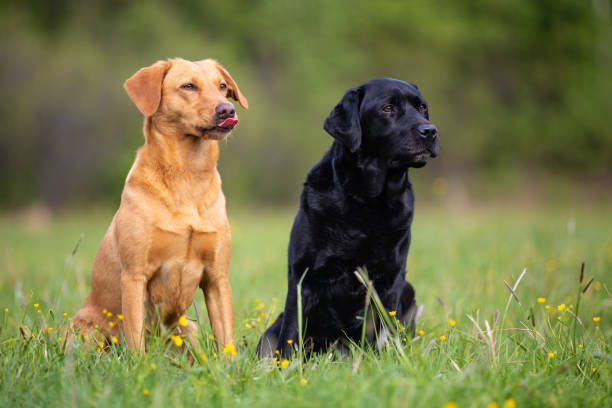
Labrador Retrievers, with their boundless energy, unwavering loyalty, keen intelligence, and insatiable desire to please, are more than just pets; they are spirited companions eager to share every adventure with their human families. Renowned for their friendly disposition, adaptability, and iconic love for water and retrieving, Labs thrive when their minds and bodies are actively engaged. Neglecting their need for physical exercise and mental stimulation can lead to boredom, destructive behaviors, and a less fulfilled canine companion.
This comprehensive guide delves into a rich tapestry of activities perfectly suited for the Labrador Retriever, aiming to inspire owners to deepen their bond, enhance their dog’s well-being, and discover the sheer joy of living an active life alongside these magnificent creatures. From classic water sports to intricate scent games, competitive dog sports, and serene nature explorations, we will explore a myriad of ways to enrich your Labrador’s life, ensuring they remain happy, healthy, and a vibrant part of your family for years to come.
The Labrador Psyche: Why Activities Are Essential
Before we dive into specific activities, it’s crucial to understand the very essence of a Labrador Retriever. Bred as working dogs, primarily for retrieving game from land and water, their genetic makeup predisposes them to:
- High Energy Levels: Labs, especially in their younger years, possess incredible stamina and need significant outlets for their physical energy.
- Intelligence & Trainability: They are smart dogs eager to learn and respond well to positive reinforcement. Mental challenges are just as important as physical ones.
- Strong Prey Drive & Retrieving Instinct: The desire to carry things in their mouth and bring them back is deeply ingrained.
- Love for Water: Their “otter tails” and webbed feet are biological adaptations for swimming, making water activities a natural fit.
- Sociability: Labs generally love people and other dogs, making social activities particularly rewarding.
- Oral Fixation: Their desire to hold things in their mouth can translate into chewing if not appropriately channeled through toys and activities.
Engaging your Labrador in fun activities isn’t just about burning off energy; it’s about fulfilling their innate drives, preventing behavioral issues, building confidence, and, most importantly, forging an unbreakable bond rooted in shared experiences and mutual understanding.
Section 1: Classic Labrador Activities – Water & Retrieving at Their Best
These activities tap directly into the Labrador’s historical purpose and natural inclinations, often bringing out their most joyful and enthusiastic selves.
1. Swimming: The Ultimate Aquatic Adventure
No discussion about Labrador activities can begin without celebrating their inherent love for water. A Lab in water is a Lab in its element – graceful, powerful, and utterly joyous. Their double coat provides insulation, and their webbed paws make them incredibly efficient swimmers.
- Why Labs Love It: It’s cooling on hot days, low impact on joints, and incredibly stimulating. The sensation of buoyancy and the challenge of navigating water engage both body and mind.
- Getting Started:
- Safe Entry: Introduce puppies or hesitant Labs to calm, shallow water first, like a kiddie pool or a gently sloping lake shore. Never force them.
- Positive Reinforcement: Use favorite floating toys or treats to encourage them into the water. Stand in the water yourself to show them it’s safe.
- Life Vest: For beginners, older Labs, or in open/choppy water, a dog life vest (with a handle for assistance) is a wise investment, providing buoyancy and visibility.
- Types of Water Fun:
- Fetch in Water: Throw floating toys (balls, bumpers) into the water for them to retrieve. Start close to shore and gradually increase distance.
- Swimming for Exercise: Simply swimming laps can be a fantastic, full-body workout.
- Sprinklers/Hoses: On a hot day, a simple sprinkler can provide immense fun and a cooling relief.
- Dock Diving (Introduction): Even if not competing, practicing jumping off a dock into water can be exhilarating.
- Safety Tips for Swimming:
- Supervision is Key: Always supervise your Lab in or near water.
- Avoid Strong Currents: Lakes and calm rivers are generally safer than fast-flowing rivers or ocean with strong undertows.
- Water Quality: Don’t let your dog drink stagnant pond water or water that might contain harmful algae (blue-green algae is toxic).
- Ear Cleaning: After swimming, thoroughly clean and dry your Lab’s ears to prevent ear infections, which are common in dogs with floppy ears.
- Rinse Off: If swimming in chlorinated pools or saltwater, rinse their coat thoroughly afterward to prevent skin irritation.
- Watch for Fatigue: While Labs have stamina, they can get tired. Ensure they have easy exits from the water.
2. Fetch & Retrieving: The Quintessential Labrador Game
Retrieving is more than just a game for a Labrador; it’s an instinctual dance. This activity directly taps into their breed name and their inherent desire to bring things back to you.
- Why Labs Love It: It satisfies their prey drive in a constructive way, burns energy, and fosters cooperation with their human. The act of carrying a prize and delivering it is deeply satisfying for them.
- Getting Started:
- The Right Toy: Use durable, dog-safe toys like tennis balls (ensure they are dog-specific to avoid choking hazards from standard tennis balls), rubber balls, canvas dummies, or soft frisbees.
- “Go Get It” & “Bring It”: Start in a confined area. Toss the toy a short distance, encourage them with “Go get it!”, and then “Bring it!” or “Come!” as they pick it up.
- “Drop It”: This is crucial. Exchange the toy for a high-value treat when they drop it, or gently take it while praising. Practice this repeatedly.
- Advanced Retrieving:
- Blind Retrieves: Have them retrieve a toy they didn’t see you throw, using hand signals and verbal cues (e.g., “Back!”).
- Multiple Retrieves: Throw several dummies and send them to retrieve them one by one, based on your direction.
- Scent Retrieves: Hide a retrieve dummy and have them use their nose to find it. This combines scent work with their retrieving drive.
- Water Retrieves: Combine fetching with swimming for the ultimate Lab workout.
- Benefits: Excellent physical exercise, reinforces obedience commands, builds focus, and strengthens the dog-owner bond through teamwork.
- Considerations: Be mindful of surfaces (avoid hot pavement), and ensure toys are appropriate for their mouth size and are not easily destroyed and ingested. Vary the throwing arm to prevent repetitive strain injuries.
Section 2: High-Energy & Athletic Pursuits
For the high-drive Labrador, these activities offer intense physical challenges and opportunities to showcase their athleticism and agility.
3. Running & Jogging: Pounding the Pavement or Trail
Labs make excellent running partners once they are fully grown and conditioned. This is a fantastic way to burn off substantial energy and for you both to stay fit.
- When to Start: Wait until your Labrador is at least 12-18 months old, and ideally cleared by a vet, to ensure their growth plates have closed. High-impact exercise before this can damage developing joints.
- Pacing & Distance: Start with short distances and slow paces, gradually increasing. Labs have stamina, but avoid pushing them too hard, especially in hot weather.
- Gear: A comfortable harness (front-clip or Y-harness) is better than a collar for running, preventing neck strain. A hands-free running leash (waist belt) is ideal.
- Hydration: Always carry water for both of you, especially on longer runs.
- Paw Protection: Check their paw pads regularly for abrasions. Consider paw balm or booties for rough terrain or extreme temperatures.
- Trail Running: If available, off-road trails offer varied terrain, softer ground, and new smells, making the experience more mentally stimulating.
- Safety: Stick to safe routes, be visible (reflective gear), and be aware of other people, dogs, and wildlife.
4. Hiking & Backpacking: Exploring the Wilderness
Hiking is a natural extension of a Lab’s love for exploration and physical activity, offering novel scents, varied terrain, and quality time in nature.
- Benefits: Excellent endurance building, mental stimulation from new environments, and a wonderful way to bond outside of daily routines.
- Preparation:
- Obedience: A solid “come,” “leave it,” and leash manners are non-negotiable for safety.
- Trail Etiquette: Know and follow leash laws. Always pick up after your dog. Be respectful of wildlife and other hikers.
- Gear: Sturdy leash, comfortable harness, collapsible water bowl, first-aid kit for dogs, and enough water and snacks for both.
- Dog Backpack: For experienced hiking Labs, a dog backpack allows them to carry their own water or treats, giving them a “job” and further tiring them out. Ensure it’s properly fitted and not overloaded.
- Path Selection: Start with shorter, easier trails and gradually increase difficulty and length. Avoid trails that are too rocky or steep for your dog’s capabilities.
- Environmental Awareness: Be mindful of weather changes, poisonous plants (e.g., poison ivy, hemlock), ticks, snakes, and other wildlife.
5. Agility: The Obstacle Course Challenge
Agility is a fast-paced, mentally stimulating sport that involves guiding your dog through an obstacle course (jumps, tunnels, weave poles, teeter-totters) with speed and accuracy.
- Why Labs Excel: Their intelligence, athleticism, and eagerness to please make them excellent agility candidates. It’s a fantastic way to channel their energy and build focus.
- Getting Started:
- Basic Obedience: A strong foundation in “stay,” “come,” and “send away” is helpful.
- Home Practice: Start with simple DIY obstacles: low jumps (broomstick over two chairs), tunnels (cardboard boxes or blankets draped over furniture), and weave poles (PVC pipes or garden stakes).
- Classes: Enrolling in an agility class is highly recommended. Instructors provide proper technique, ensure safety, and help build confidence for both handler and dog.
- Benefits: Improves coordination, builds confidence, enhances problem-solving skills, and deepens the communication between dog and owner. It’s an incredible mental and physical workout.
6. Flyball: The Relay Race for Dogs
Flyball is a high-octane team sport where four dogs race over a series of hurdles, trigger a box to release a tennis ball, retrieve the ball, and race back over the hurdles.
- Why Labs Love It: It combines their love for retrieving, jumping, and speed in a highly social team environment. The barking, excitement, and competition are incredibly stimulating.
- How It Works: Dogs run in a relay format. It requires speed, agility, and a strong retrieve.
- Getting Started: Look for local flyball clubs. They often offer introductory classes to teach the basics and get dogs accustomed to the equipment and noise.
- Benefits: Unparalleled energy outlet, excellent muscle building, fantastic socialization with other dogs and people, and builds incredible focus and drive.
7. Disc Dog (Frisbee): Leaping and Catching
While not as naturally suited as some herding breeds due to their build, many athletic Labs absolutely love leaping and catching flying discs (frisbees).
- Considerations: Use dog-specific frisbees (flexible, durable plastic or rubber, not hard plastic human frisbees that can shatter and injure mouths). Be mindful of their joint health, especially when teaching high jumps.
- Getting Started:
- Roll it: Start by rolling the disc on the ground to encourage chasing and picking it up.
- Short Tosses: Begin with low, short tosses to build confidence and coordination.
- “Catch” & “Drop It”: Reinforce these commands during play.
- Benefits: Enhances coordination, jumping ability, speed, and focus. It’s an impressive display of athleticism and a great way to bond.
- Safety: Avoid hard landings on concrete. Warm up and cool down properly. Don’t overdo the jumping, especially with younger or older Labs.
Section 3: Mental Stimulation & Scent Work – Engaging the Labrador Brain
Labradors are intelligent and perceptive. Mental exercise is just as crucial as physical activity to prevent boredom and ensure a well-rounded, happy dog. Their legendary sense of smell is a superpower waiting to be harnessed.
8. Nose Work / Scent Detection: Unleashing Their Superpower
Canine nose work is a sport and an activity that capitalizes on a dog’s natural ability to hunt and detect specific odors. It’s incredibly enriching and tiring for Labs, as using their brain to solve puzzles is a great workout.
- Why Labs Love It: Taps into their primal hunting instincts, builds confidence, and tires them out mentally more effectively than physical exercise alone. Their excellent noses make them natural experts.
- Getting Started:
- Hide-and-Seek (Treats/Toys): Start simple. Let your Lab watch you hide a high-value treat or favorite toy in plain sight, then encourage them to “Find it!” Gradually increase difficulty by hiding it out of sight, in different rooms, or under objects.
- Snuffle Mats: These mats have fabric strips where you can hide kibble or treats, making mealtime a fun search game.
- Box Games: Place treats in one of several open boxes, let your dog sniff, and reward them for choosing the correct one.
- Advanced Scent Work: Consider joining a nose work class where dogs learn to identify specific target odors (like essential oils used in sport detection) and indicate their location. This can be done in various environments (interiors, exteriors, vehicles, containers).
- Benefits: Builds focus, independence, and confidence, especially for shy or insecure dogs. It’s low-impact, making it suitable for dogs of all ages and physical abilities. It channels their natural curiosity and desire to investigate smells in a structured way.
9. Puzzle Toys & Treat Dispensers: Solo Brain Games
Puzzle toys provide independent mental stimulation, forcing your Lab to problem-solve to get a reward.
- Types:
- Kong Toys: Fill with peanut butter, yogurt, kibble, or specialized pastes and freeze for a long-lasting challenge.
- Snuffle Mats: As mentioned, great for slowing down eating and engaging their nose.
- Wobblers/Dispensers: Toys that dispense kibble or treats as the dog nudges or rolls them.
- Interactive Puzzles: Wooden or plastic puzzles with sliding parts, lids, or drawers that the dog must manipulate to access treats.
- Introducing Puzzles: Start with easier puzzles to prevent frustration. Show them how it works a few times.
- Benefits: Prevents boredom, reduces destructive chewing, promotes independent play, and provides mental exercise, especially useful when you need quiet time or when leaving them alone.
10. Obedience Training (Fun & Advanced Tricks): Learning Is Bonding
Beyond basic commands, engaging in advanced obedience or trick training is a fantastic mental workout and a powerful bonding experience.
- Why Labs Enjoy It: They love to please and excel at learning new behaviors. The positive reinforcement associated with training makes it highly rewarding.
- Beyond Basics:
- Advanced Obedience: Heel off-leash, long-distance recalls, hand signals only, stand for examination.
- Tricks: “Spin,” “bow,” “weave through legs,” “play dead,” “fetch a specific item” (e.g., “get your leash,” “find my keys”), “open/close doors.”
- Canine Good Citizen (CGC): A great standard to achieve, demonstrating good manners and obedience in various situations.
- Training Style: Keep sessions short, fun, and positive. Use clicker training, treats, and enthusiastic praise.
- Benefits: Reinforces your role as leader, builds communication, boosts your dog’s confidence, and provides valuable mental engagement. A well-trained Lab is a joy to be around and can participate in more activities safely.
11. Canine Freestyle / Dog Dancing: Art in Motion
Canine freestyle is a truly creative outlet where dog and handler perform a routine to music, incorporating various obedience moves and tricks.
- What it Involves: Choreographed moves like weaves, spins, pivots, backing up, and walking on two legs, all seamlessly integrated into a dance routine.
- Getting Started: Requires a solid foundation in obedience and several tricks. You can learn from online tutorials, workshops, or dedicated classes.
- Benefits: An incredible display of teamwork and partnership, enhancing precision, coordination, and creativity. It’s profoundly bonding and impressive to watch.
Section 4: Social & Community Activities
Labradors are generally social creatures who thrive on interaction with both humans and other dogs. These activities cater to their gregarious nature.
12. Dog Parks: Supervised Off-Leash Play
For many Labs, a well-managed dog park is a slice of heaven, offering ample space for running, playing, and socializing with canine friends.
- Considerations:
- Temperament: Ensure your Lab is well-socialized and has good manners around other dogs. Not all dogs enjoy dog parks, and that’s okay.
- Supervision: Always supervise intensely. Be aware of your dog’s body language and that of others. Intervene if play gets too rough.
- Vaccinations: Ensure your dog is up-to-date on all vaccinations.
- Etiquette: Pick up after your dog. Don’t bring toys that could cause conflict.
- Benefits: Excellent physical exercise, crucial socialization opportunities, and a chance for Labs to engage in natural dog behaviors like chasing and wrestling.
13. Doggy Play Dates: Controlled Socialization
Arranging play dates with one or two known, friendly dogs in a controlled environment (like a private yard or a quiet park) can be less overwhelming than a dog park.
- Benefits: Allows for deeper, more relaxed social interaction without the unpredictability of many unknown dogs. Builds solid friendships for your Lab.
14. Therapy Dog Work: Spreading Joy
Labradors’ calm, gentle, and affectionate nature makes them ideal candidates for therapy dog work, bringing comfort and joy to people in hospitals, nursing homes, schools, and disaster zones.
- Requirements: Requires exceptional temperament (unflappable, gentle, patient), advanced obedience, and passing specific certification tests administered by therapy dog organizations.
- Benefits: Immensely rewarding for both dog and handler, providing a profound sense of purpose and allowing your Lab to share their unconditional love with those who need it most. It showcases the very best of the breed.
15. Dock Diving (Competitive): The Big Splash
While mentioned briefly with swimming, dock diving is a full-fledged competitive sport where dogs run down a dock and leap into a pool of water, competing for distance (Big Air), height (Extreme Vertical), or speed (Speed Retrieve).
- Why Labs Excel: Combines their love for water, retrieving, and their powerful hindquarters for jumping. They are often top competitors in this sport.
- Getting Started: Many events offer “Try It” sessions. All you need is a dog that loves water and a floating toy. Professional training can help refine technique.
- Benefits: High-energy, spectator-friendly sport, builds incredible muscle and stamina, and offers an exciting competitive outlet for your Lab’s natural talents.
Section 5: Companion & Chill Activities – Shared Moments
Not every activity needs to be high-octane. Sometimes, the most rewarding moments are the quiet ones spent together, simply enjoying each other’s company.
16. Car Rides & Errands: Exploring the World Beyond Home
For many Labs, a car ride is an adventure in itself, especially if it leads to a fun destination. Even short errands can be an exciting sensory experience.
- Safety First: Always secure your dog in a car with a crash-tested harness and seatbelt, or in a well-ventilated crate. Never let them ride with their head out the window (debris can cause serious injury).
- Destination Planning: Seek out dog-friendly establishments like pet stores, hardware stores, drive-thrus for a plain pup cup, or visit friends’ houses.
- Benefits: Mental stimulation from new sights and smells, practice with public manners, and strengthens the routine of being a valued family member.
17. Camping & Backpacking: Extended Outdoor Living
Taking your Lab on a camping trip elevates hiking and outdoor exploration to an extended adventure.
- Preparation:
- Research: Ensure the campground or trail is dog-friendly and understand their specific rules (leash laws, waste disposal).
- Gear: Dog-specific sleeping bag or pad, extra food and water, portable bowls, long tether for camp, first-aid kit.
- Training: A reliable recall and “stay” are crucial, as is practice with being tethered.
- Benefits: Immersive experience in nature, extended bonding time, teaches adaptability, and provides continuous mental and physical stimulation in a new environment.
18. Beach Trips: Sun, Sand, and Surf
A trip to a dog-friendly beach offers an unparalleled combination of swimming, fetch, running on sand, and exploring new smells.
- Considerations:
- Leash Laws: Check local regulations, as many beaches have restricted hours or areas for dogs.
- Tides & Currents: Be aware of tides and potential rip currents.
- Heat & Hydration: Sand can get very hot. Provide shade and plenty of fresh water.
- Saltwater Intake: Don’t let your dog drink too much saltwater, as it can cause dehydration and diarrhea.
- Rinse Off: Rinse thoroughly after swimming to remove salt and sand from their coat and paws.
- Benefits: Combines many of a Lab’s favorite activities in one exciting location, offering a massive sensory experience and a full-body workout.
19. Simply Hanging Out: The Art of Companionship
Sometimes, the best activity is simply being together. Labs are affectionate dogs who cherish quiet companionship.
- Examples: Cuddling on the couch, gentle grooming sessions, reading or working while they nap at your feet, sharing a quiet moment in the yard.
- Benefits: Deepens the emotional bond, reinforces trust, and allows for moments of calm connection that are just as vital as high-energy play. It reminds your Lab that they are loved and an integral part of your family.
Important Considerations for ALL Activities: Ensuring Safety and Success
Before embarking on any activity with your Labrador, keep these crucial points in mind to ensure safety, maximize enjoyment, and guarantee their long-term health.
- Age and Health Appropriateness:
- Puppies (under 12-18 months): Their bones and joints are still developing. Avoid high-impact activities like intense running, jumping, and long hikes. Focus on short play sessions, basic obedience, and controlled swimming.
- Adults (2-7 years): This is their prime. Most activities listed are suitable, but always assess their individual fitness level.
- Seniors (8+ years): Modify activities to be low-impact and shorter in duration. Focus on mental stimulation and gentle exercise like short walks, swimming, and nose work. Consult your vet about joint supplements or pain management.
- Veterinarian Check-up: Always get a vet’s clearance before starting any new strenuous activity, especially for dogs with pre-existing conditions like hip/elbow dysplasia, heart issues, or arthritis.
- Weather Conditions:
- Heat: Labs can overheat quickly due to their double coat. Avoid exercise during the hottest parts of the day. Provide ample shade and water. Watch for signs of heatstroke (excessive panting, lethargy, drooling, staggering).
- Cold: While their double coat helps, prolonged exposure to extreme cold can still be dangerous. Be mindful of ice, salt on pavements (can burn paws), and hypothermia. Some Labs may benefit from a coat in very cold weather.
- Humidity: High humidity makes it harder for dogs to cool themselves, increasing heatstroke risk even at moderate temperatures.
- Hydration is Non-Negotiable:
- Always carry fresh water and a portable bowl, regardless of the activity or duration. Offer water frequently.
- Be cautious of letting your dog drink from stagnant ponds, puddles, or fast-flowing rivers which may contain bacteria, parasites, or harmful chemicals.
- Appropriate Gear:
- Leashes & Harnesses: Use a comfortable, well-fitting harness (not just a collar) for active pursuits to protect their neck and spine. A hands-free leash can be great for running or hiking.
- Toys: Opt for durable, dog-safe toys appropriate for their size and chewing habits. Avoid toys that can be easily ingested or contain harmful chemicals.
- Safety Vest: A bright, reflective vest for visibility during low light conditions, and a dog life vest for water activities, are highly recommended.
- Paw Protection: Consider paw balm for dryness or hot surfaces, and booties for extreme cold, rough terrain, or sensitive paws.
- Positive Reinforcement & Fun:
- Keep all activities positive and rewarding. Use treats, praise, and favorite toys generously.
- Never force your dog into an activity they seem hesitant or fearful about. Build confidence gradually.
- The goal is to have fun together, not to achieve perfection. Celebrate small successes.
- Start Slow and Build Up:
- Introduce new activities gradually. Keep initial sessions short to prevent overexertion or frustration.
- Increase duration, intensity, or difficulty incrementally as your Labrador builds stamina and skill.
- Vary Activities:
- Just like humans, dogs can get bored with the same routine. Varying activities provides different physical challenges, mental stimulation, and keeps life exciting.
- It also works different muscle groups and prevents repetitive strain injuries.
- Listen to Your Dog:
- Pay close attention to your Lab’s body language. Signs of fatigue include excessive panting, lagging behind, reluctance to continue, limping, or seeking shade.
- Know when to take a break or end an activity. It’s better to end on a positive note, even if it’s shorter than planned.
- Basic Obedience is the Foundation:
- A reliable recall (“come”), “stay,” “leave it,” and good leash manners are absolutely essential for safety and control in almost every activity, especially off-leash in public spaces.
- Nutritional Support:
- Ensure your active Labrador is on a high-quality diet appropriate for their energy levels. Consult your vet about any dietary supplements for joint health, especially as they age.
Conclusion: A Life Fully Lived with Your Labrador
The Labrador Retriever is a gift – a bundle of joy, energy, and unwavering devotion. By understanding their inherent drives and providing ample opportunities for physical and mental engagement, we not only prevent behavioral issues but unlock their full potential and build an unparalleled bond.
Whether you’re splashing in a lake, tearing across a field with a frisbee, navigating an agility course, or simply sharing a quiet moment on a hike, every activity you undertake with your Labrador Retriever is an investment in their happiness, health, and your shared connection. These aren’t just “fun things to do”; they are essential components of a well-rounded and fulfilling life for a breed that thrives on purpose and companionship. Embrace the adventure, celebrate every wagging tail, and cherish the extraordinary journey of life with your incredible Labrador.
#LabradorLife #FunWithLabs #LabradorActivities #ActiveDog #DogAdventures #LabradorRetriever #DogSports #WaterDog #FetchLife #HikingDogs #DogAgility #NoseWork #HappyDog #DogTraining #DogFitness #LabradorLove #OutdoorDog #DogFriendly #CanineCompanion #PetActivities #DogEnrichment #LabradorFun #DogWorkout #PlaytimeWithPup #BestDogEver







Add comment