
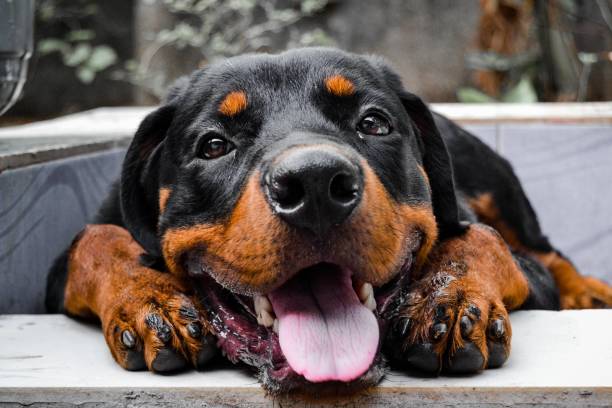
I. Introduction: Understanding the Rottweiler Imperative
The Rottweiler, a breed steeped in history as a cattle driver, cart puller, and guardian, is one of the world’s most impressive canine athletes and thinkers. Often misunderstood due to their powerful physique and deep protective instincts, the truth is that the Rottweiler is a sensitive, highly intelligent, and relentlessly loyal working dog.
These dogs are built for purpose. Their immense physical strength (derived from their robust bone structure and powerful musculature) is paralleled only by their mental acuity. A Rottweiler who is merely a ‘backyard dog’ is an unhappy and potentially destructive Rottweiler. Boredom, lack of structure, and insufficient physical and cognitive exhaustion are the root causes of most behavioral issues in this breed.
This elaborate guide serves as a playbook for responsible owners, detailing activities that not only fulfill the physical demands of the Rottie but critically engage their complex working drive, ensuring a balanced, happy, and well-adjusted companion. We emphasize that every activity, particularly those involving physical exertion, must be approached with an understanding of large-breed canine health and mandatory pre-requisite obedience training.
II. Foundation and Safety: The Non-Negotiable Pre-Requisites
Before engaging in any high-level sport or rigorous activity, three pillars must be firmly in place, especially given the Rottweiler’s size and propensity for joint issues (hip and elbow dysplasia):
A. Health Clearance and Conditioning
- Growth Plate Maturity: Rottweilers are slow to mature, often reaching skeletal maturity around 18 to 24 months. Crucially, high-impact activities (like aggressive jumping, agility weaving, or competitive running) must be strictly limited until the dog is medically cleared, typically after 18 months, to prevent irreversible damage to growing joints.
- Veterinary Check-Ups: Annual checks, including joint and cardiac screenings, are essential.
- Warm-Ups and Cool-Downs: Just like human athletes, a Rottweiler must have 5-10 minutes of light jogging or stretching before intense work and a structured cool-down afterward to prevent muscle soreness and injury.
B. Obedience and Control (The Prerequisite for Freedom)
A Rottweiler’s power necessitates foolproof control. Every activity mentioned below assumes the dog has mastered foundation skills:
- Reliable Recall (Come): Essential for off-leash safety.
- Solid Sit/Down/Stay: Necessary for structure, focus, and safety, particularly in public settings or during complex training drills.
- Leash Manners (Heel): Crucial for navigating populated areas with a powerful dog.
III. Powerhouse Physical Activities (The Athletic Drive)
Rottweilers require activities that allow them to utilize their strength and sustained stamina, not just quick bursts of energy.
1. Harness Work and Drafting (Tapping into Ancestry)
Rottweilers were historically used to pull carts and shepherd livestock, making pulling sports deeply ingrained and immensely satisfying.
- Carting/Drafting: This involves properly fitting a harness (specifically a drafting harness, not a standard walking harness) to a cart or wagon. Start light, perhaps just a few water bottles, and slowly increase the load as the dog builds muscle and confidence. This activity builds immense respect for the owner as the leader and provides structured, sustained physical exertion without high impact.
- Elaboration: Training requires teaching the dog directional commands (“Gee” for right, “Haw” for left) and a reliable stop command. The weight should be evenly distributed and never exceed recommended guidelines for the dog’s health and training level.
- Weight Pull (Controlled): While intense competitive weight pull can be hard on the joints, controlled, moderate weight pulling in cold weather (when overheating is less of a risk) is a fantastic muscle builder and mental challenge. This must be supervised by an experienced trainer.
2. Swimming and Water Retrieval (Low-Impact Stamina)
Swimming is perhaps the best full-body conditioning activity for a Rottweiler, as it is zero-impact on the joints. While some Rottweilers naturally love water, others need careful introduction.
- Introduction Strategy: Start in shallow water where they can touch the bottom. Use high-value floating toys as motivation. Always use a high-quality, buoyant life vest, even for strong swimmers, especially in open water, to conserve energy and provide a handle for emergencies.
- Structured Water Retrieval: Use heavy, sinking or partially buoyant retrieving bumpers to challenge their strength and focus in the water.
- Safety Caveat: Due to their deep chest, Rottweilers can tire quickly and sink easily. Monitor closely and prevent overexertion. Always rinse and dry the ear canals thoroughly post-swim to prevent ear infections.
3. Jogging and Bike Joring (Endurance and Pacing)
Rottweilers have the stamina for long-distance cruising, making them excellent running partners, provided they are fully mature.
- Pacing is Key: Rottweilers are powerful trotters, not natural sprinters. A consistent, moderate jog is better than sporadic, high-speed sprints. Maintain a pace the dog can comfortably maintain without excessive panting or lagging.
- Bike Joring (Controlled Pulling): This involves the dog pulling the owner who is riding a bicycle. Specialized equipment (a waist belt, a pull line with a bungee section, and a heavy-duty bike attachment) is mandatory for safety. This satisfies the natural desire to pull while providing effective exercise for both human and dog.
- Requirement: Impeccable “Leave It” and “Stop” commands are critical, as the dog is pulling the pace.
4. Fetch Modification (The Game of Boundaries)
Simple fetch can quickly turn into a high-impact, joint-jarring activity with sudden stops. Modify the game to maximize control and safety.
- The Controlled Retrieve: Instead of continuous, chaotic throwing, teach the Rottie to retrieve one item and stay in the “down” position while you throw the next. This teaches patience, retrieval skills, and minimizes aggressive, injury-prone stops.
- Tug-of-War (Structured): Properly played tug (teaching “Off” or “Drop It” on command) is an excellent strength builder and bond enhancer. It must always be initiated and ended by the owner to maintain appropriate hierarchy and control.
IV. Mental Stimulation and Cognitive Challenges (The Intelligent Guardian)
A physically tired Rottweiler is only half-satisfied. They need complex, sustained mental work to use their problem-solving and focus capabilities. Mental work often tires a dog more effectively than pure physical running.
1. Scent Work (The Nose Knows)
Scent work utilizes the dog’s powerful olfactory system, providing incredible mental focus and reducing anxiety. This is low-impact and accessible to dogs of any age.
- Basic Hide-and-Seek: Have the dog stay while you hide (indoors or outdoors) and use their high-drive nature to seek you out. This reinforces recall and tracking.
- Container Search: Teach the dog to detect specific odors (like birch, anise, or clove, commonly used in competitive scent sports) hidden in identical containers. The dog must indicate the odor’s location without touching the container.
- Tracking and Trailing: This is the most demanding level, involving training the dog to follow a specific human scent trail laid across varying terrain and ages. This highly structured activity engages their natural working ethic and can be done recreationally or competitively (see IGP section).
2. Puzzle Toys and Food Dispensing (Making Them Work for the Meal)
Never simply pour a Rottweiler’s food into a bowl. Use mealtime as a structured enrichment activity.
- Kongs and Food Stuffers: Stuffing robust rubber toys with frozen mixtures of kibble, yogurt, or pumpkin provides 20–30 minutes of quiet, focused work, especially effective for settling the dog down after intense training.
- Snuffle Mats and Lickmats: Used to spread out the meal, forcing the dog to slow down and use their nose and tongue to meticulously search for every piece of food.
- Advanced Puzzle Feeders: Use multi-step feeders that require the dog to slide levers, lift cups, or push buttons to access the reward. Start easy and increase complexity gradually to prevent frustration.
3. Advanced Obedience and Utility Work
Moving beyond “sit” and “stay,” these activities demand sustained focus and precision.
- Distance Control: Teaching the dog to obey commands (Sit, Down, Stand) while the handler is 50-100 feet away. This builds confidence in the handler’s voice and requires intense concentration.
- Retrieval of Unique Objects: Training the dog to retrieve items based on their names (e.g., “Get the Ball,” “Find the Key,” “Bring the Leash”). This enhances linguistic association and cognitive mapping.
- Heeling Variations: Beyond the basic sidewalk heel, train precision heeling in distracting environments, sudden pace changes, and backward or lateral movement.
V. Competitive and Structured Dog Sports (The Professional Edge)
For the Rottweiler owner committed to structure, discipline, and full utilization of the breed’s abilities, competitive sports offer the highest level of engagement.
1. IPO/IGP (International Gebrauchshunde Prüfungsordnung) – The Gold Standard
Historically known as Schutzhund, IGP is a three-phase trial designed to test a working dog’s temperament, trainability, physical fitness, and courage. For the Rottweiler, this sport is the ultimate fulfillment of their protective and working heritage.
- Phase A: Tracking: Advanced scent work where the dog follows a human track based on specific steps and terrain aging, finding articles (small objects) dropped along the path.
- Elaboration: This phase demands deep concentration, self-control, and the ability to work independently of the handler’s help.
- Phase B: Obedience: Highly structured, precision obedience work involving footwork, off-leash heeling, gunfire steadiness, retrieval over jumps, and demanding position changes at a distance.
- Elaboration: The handler’s movements and timing must be flawless, and the dog’s engagement (drive, speed, enthusiasm) is heavily judged.
- Phase C: Protection Work: This tests the dog’s courage, control, and protective instincts. It involves searching for a ‘decoy’ (a hidden person), preventing an escape, resisting pressure, and maintaining control under high stress.
- Control is Paramount: The dog must immediately release the grip (out) and guard the decoy on the handler’s command. This sport is highly regulated and emphasizes control above all else.
- Requirement: This is not backyard training. It demands participation in an established, experienced IGP club with certified decoys and trainers.
2. Agility (Speed, Power, and Precision)
Agility channels the Rottweiler’s power into focused, speedy movement across an obstacle course. While their size means they won’t be as nimble as Border Collies, their power and drive make them formidable competitors.
- Course Requirements: The dog must navigate tunnels, weave poles, jumps, seesaws, and dog walks, demanding coordination, speed, and precise body awareness.
- Joint Safety Adaptation: Due to their mass, agility training must focus intensely on teaching controlled articulation and movement, avoiding fast, tight turns that stress the shoulders and elbows. Jumps should be carefully introduced and gradually raised only after full skeletal maturity.
3. Dock Diving (The Splash and Retrieve)
Dock diving tests the dog’s vertical jumping ability and propulsion into a pool of water to retrieve a toy thrown for distance.
- Drive: This sport perfectly utilizes the Rottweiler’s powerful hindquarters and their retrieve drive. It’s an accessible, fun, and relatively low-impact activity (as the landing is in the water).
- Technique: The dog must learn the ‘chase’ command, launching off the end of a dock after the handler throws a high-value toy (often a bumper or rubber chicken). Requires comfort with heights and water.
4. Rally Obedience and AKC Canine Good Citizen (CGC)
These structured activities are excellent entry points for competitive work, focusing on precise, joyful obedience in a trial setting. They are invaluable for proving the Rottweiler’s stability and reliability in public.
VI. Bonding and Low-Impact Activities (The Heart of the Home)
Not every activity needs competition or intense exertion. Some of the most crucial activities focus on deepening the bond and providing sensory comfort.
1. Therapy and Service Work Training
The Rottweiler’s calm, steady temperament, coupled with their imposing appearance, makes them exceptional therapy dogs.
- Training Focus: Requires impeccable manners, indifference to strange noises/people/equipment (e.g., wheelchairs), and a rock-solid ‘Stay.’ Training this level of composure is intense mental work.
- The Benefit: Giving the dog a job that utilizes their innate stability and devotion provides deep fulfillment and excellent public representation for the breed.
2. Physical Maintenance and Grooming Rituals
Handling sessions, while seemingly mundane, are powerful bonding exercises and essential for health.
- Body Handling: Spending 10 minutes daily touching the dog’s paws, ears, tail, and mouth prepares them for vet visits and ensures you spot injuries early. Use this time with massage techniques to check for muscle tension.
- Cooperative Care: Teach the dog to cooperate with nail trims, brushing, and dental care (known as cooperative care). This involves rewarding the dog for participation rather than forcing compliance.
3. Exploration Walks and Sensory Deprivation
Instead of the same route every day, vary the environment to engage their nose and brain.
- Decompression Walks: Long-line walks (15-30 ft lead) in quiet, natural areas (woods, fields) where the dog can sniff freely and explore without constant demands from the handler. Sniffing is a major calming and de-stressing activity for dogs.
- Urban Socialization: Structured walks through busy town centers (post-vaccination and training) to expose them to traffic, noise, diverse people, and strange smells, reinforcing their stability and confidence.
VII. Activity Modification Across Life Stages
The Rottweiler’s activity regimen must be dynamically adjusted as they age. What is appropriate for a puppy can be devastating for a senior, and vice versa.
A. The Puppy Stage (8 weeks to 18 Months)
- Focus: Socialization, foundation obedience, body awareness, and mental stacking.
- Physical Rule: The 5-Minute Rule per month of age (e.g., a 4-month-old gets 20 minutes of structured exercise per day).
- Appropriate Activities: Short, frequent walks; structured playdates with stable, vaccinated dogs; puppy classes; learning “touch,” “look,” and short bursts of retrieve on soft surfaces; light scent games.
- Avoid: Forced running, aggressive jumping, agility (beyond tunnels/low jumps), sustained high impact.
B. The Adult Stage (18 Months to 7 Years)
- Focus: High-level performance, structured work, endurance building, IGP/Agility/Dock Diving entry.
- Physical Rule: Full utilization of strength, stamina, and drive (30–60 minutes of vigorous activity plus mental work daily).
- Appropriate Activities: Competitive sports, bike joring, sustained hiking, weight pulling (moderate), advanced tracking and protection work.
C. The Senior Stage (7 Years Plus)
The Rottweiler remains mentally sharp deep into old age, but their powerful frame begins to suffer from arthritis and reduced mobility.
- Focus: Joint maintenance, mental enrichment, comfort, and bonding.
- Physical Rule: Prioritize quality movement over quantity. Eliminate high-impact activities completely.
- Appropriate Activities: Warm, therapeutic swimming; gentle, structured walks; extensive scent work (indoor and outdoor tracking); puzzle feeders; massage and cooperative care; sunbathing and light stretching. Supplementation (glucosamine, fish oil) becomes crucial.
- Modification: If hiking, stick to soft, flat trails. If retrieving, roll the ball gently instead of throwing it far.
VIII. Conclusion: The Responsibility and Reward
Owning a Rottweiler is a profound responsibility that demands commitment to both their physical and psychological needs. They are not pets; they are partners. Activities that utilize their intellect—be it the intense focus required for tracking a scent, the unwavering discipline of IGP obedience, or the joyous launch into a pool during dock diving—are not simply for entertainment; they are essential for the breed’s well-being.
By embracing this comprehensive playbook, owners ensure that their magnificent Sentinel is not only physically fit but mentally fulfilled, leading to a loyal, balanced, and confident companion who serves as a stellar ambassador for this powerful and noble breed. The reward for this dedication is an unparalleled bond built on trust, structure, and shared purpose.
#RottweilerLife, #WorkingDogActivities, #RottweilerTraining, #RottieLove, #SentinelPlaybook, #CanineEnrichment, #IGPSport, #RottweilerFitness, #DogSports, #ResponsibleRottieOwner





Add comment