
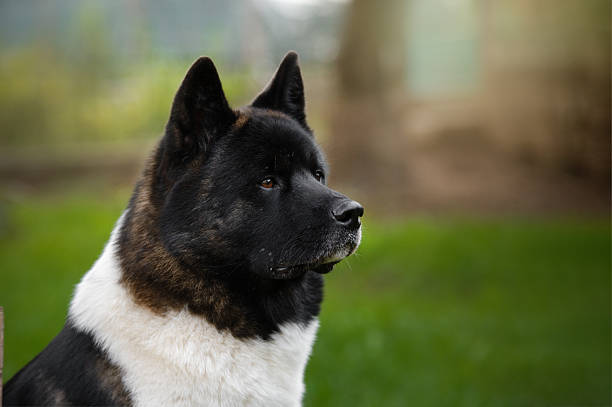
The American Akita is a majestic, powerful, and intelligent canine, renowned for its loyalty, protective instincts, and striking presence. Originating from Japan, where they were bred for hunting large game like bears, Akitas possess a unique blend of strength, endurance, and sharp intellect. While their stoic demeanor might suggest a preference for quiet solitude, beneath that composed exterior lies a dog that thrives on engagement, mental stimulation, and physical activity, especially when shared with their beloved human companions.
Owning an American Akita is a profound commitment, and providing them with a rich, active, and stimulating life is paramount to their health, happiness, and well-being. A bored Akita can quickly become a destructive or anxious Akita. This guide will delve deep into a plethora of fun and enriching activities, carefully tailored to suit the Akita’s specific needs, temperament, and physical capabilities, ensuring both you and your loyal companion embark on a journey of shared joy and deeper understanding.
Understanding the American Akita: A Foundation for Activities
Before diving into specific activities, it’s crucial to understand the inherent traits of the American Akita that will influence their preferences and performance:
- Intelligence and Independence: Akitas are highly intelligent, capable of learning complex commands and problem-solving. However, this intelligence is often paired with a strong independent streak and a “what’s in it for me?” attitude. Activities need to be engaging, rewarding, and consistent to hold their interest. They are not typically “people pleasers” in the way some working breeds are and require motivation.
- Strength and Endurance: Bred for hunting large game over vast, rugged terrains, Akitas possess immense physical strength and stamina. They need activities that allow them to utilize this power and burn off their considerable energy reserves.
- Moderate to High Energy Levels: While not as hyperactive as some herding breeds, Akitas require significant daily exercise to remain balanced. A good portion of this exercise should challenge both their body and mind.
- Strong Prey Drive: Their hunting heritage means Akitas often have a developed prey drive. This needs to be managed carefully, especially in activities involving smaller animals or in open, uncontrolled environments.
- Loyalty and Bond: Akitas form incredibly strong bonds with their families. Activities shared with their owners are not just about exercise; they are powerful opportunities to strengthen this bond and build trust.
- Sensitivity to Heat: With their dense double coat, Akitas are particularly susceptible to overheating. Activities in warmer climates or during summer months need careful planning, focusing on cooler times of the day and providing ample hydration.
- Not Typically Dog Park Dogs: Due to their protective nature and often dominant tendencies, especially towards same-sex dogs, generalized dog parks are usually not ideal for Akitas. Their socialization needs to be carefully managed and often limited to controlled, one-on-one interactions if any.
Core Principles for Engaging Your Akita
Regardless of the activity chosen, keep these principles in mind:
- Consistency is Key: Akitas thrive on routine and predictability. Regular activity schedules build anticipation and cooperation.
- Positive Reinforcement: Harsh methods or punishment will be counterproductive with an Akita. Use high-value treats, praise, and toys to motivate and reward desired behaviors.
- Variety Prevents Boredom: While routine is good, varying the types of activities, locations, and challenges keeps an Akita mentally stimulated and prevents staleness.
- Safety First: Always prioritize your Akita’s safety and well-being. This includes appropriate gear, weather considerations, health checks, and a secure environment.
- Balance of Mind and Body: A truly satisfied Akita has had both their physical and mental needs met.
- It’s About the Bond: Every activity is an opportunity to deepen your connection and communication with your Akita.
Category 1: Physical Activities – Building Stamina and Burning Energy
These activities are crucial for maintaining your Akita’s physical health, muscle tone, and overall temperament by safely channeling their strength and endurance.
1. Daily Structured Walks and Hikes
This is the cornerstone of Akita exercise. However, a walk with an Akita is more than just a stroll; it’s an expedition.
- Importance of Leash Training: An Akita’s strength demands impeccable leash manners. Invest in a well-fitting harness (front-clip can help with pulling) and a sturdy leash. Training should begin early and be consistent, focusing on a loose-leash walk using positive reinforcement.
- Varying Routes and Terrains: Don’t stick to the same block every day. Explore different neighborhoods, local parks, paved paths, and nature trails. Varying terrain—grass, gravel, dirt, slight inclines—provides different physical challenges and sensory stimulation.
- Duration and Intensity: Aim for at least 60-90 minutes of dedicated walking per day, possibly split into two or three sessions. Some days can be a brisk, purposeful walk; others can be a “sniffari” where your Akita dictates the pace and gets to thoroughly investigate interesting scents. Sniffing is mentally exhausting and fulfilling for dogs.
- Gear: A durable, comfortable harness (like a Y-harness or front-clip harness), a strong leash (4-6 feet for control, longer for sniffaris in safe areas), collapsible water bowl, and waste bags are essential.
- Safety: Always be aware of your surroundings. Keep an eye out for other dogs, wildlife, and potential hazards. Ensure your Akita is microchipped and wears ID tags. In rural areas, consider a long line (15-30 ft) for safe, controlled exploration in open spaces after ensuring the area is secure and free from small wildlife or other dogs.
- Weather Considerations: Avoid pavement during hot weather as it can burn paws. Schedule walks early mornings or late evenings in summer. In winter, ensure paws are protected from ice melt and cold, and consider a coat for shorter-haired Akitas if temperatures drop significantly.
2. Jogging/Running (with caution)
For mature Akitas (typically 18 months+) with no underlying joint issues, jogging can be an excellent form of exercise.
- Vet Clearance: Always consult your veterinarian before starting any running regimen, especially given the Akita’s susceptibility to hip and elbow dysplasia.
- Pacing and Surface: Start slowly, gradually increasing distance and speed. Choose softer surfaces like dirt trails or grass over pavement to reduce impact on joints.
- Cooler Weather: Running should ideally be done in cooler temperatures. Akitas overheat easily.
- Hydration: Bring plenty of water for both you and your dog, and offer frequent breaks.
- Hands-Free Leash: A hands-free leash that attaches to your waist can be beneficial for maintaining good form and keeping your Akita close.
3. Swimming
Some Akitas surprisingly enjoy water, while others may only tolerate shallow wading. If your Akita enjoys it, swimming is a fantastic, low-impact exercise.
- Safety First: Always supervise your Akita in water. Consider a dog-specific life vest, especially if they are new to swimming or in open water. It aids buoyancy and makes it easier to guide them.
- Shallow Entry: Introduce them to water gradually in calm, shallow areas. Never force an Akita into water.
- Post-Swim Care: Their dense double coat requires thorough drying to prevent skin irritations and hot spots. A quick rinse can also remove chlorine or lake debris.
4. Fetch and Tug-of-War (with rules)
Classic games that can be adapted for an Akita’s play style.
- Fetch: Not all Akitas are natural retrievers. Some prefer to chase the toy and then just lay with it. Encourage “drop it” with positive reinforcement. Use durable, large toys that won’t be a choking hazard. Keep sessions relatively short to prevent over-arousal.
- Tug-of-War: This is a great bonding activity, but it needs clear rules. Teach “take it” and “drop it.” The game should start and end on your terms. This prevents resource guarding and reinforces your leadership. Use a sturdy tug toy designed for large, strong jaws.
5. Flirt Pole Play
A flirt pole is a long pole with a rope and a lure (toy) attached to the end. It mimics the motion of small prey, activating an Akita’s natural chase drive in a controlled environment.
- Safe Channeling of Prey Drive: It provides intense bursts of exercise in a small space and is excellent for mental engagement.
- Rules: Just like tug, teach “leave it” and “drop it.” End the game by allowing your Akita to “catch” the toy and then immediately trading it for a high-value treat, or having them go to a “place” command. This prevents frustration and reinforces control.
- Joint Awareness: Be mindful of sharp turns and twists, especially with younger dogs, to protect developing joints.
6. Backyard Agility (DIY)
You don’t need fancy equipment to introduce your Akita to agility fun.
- Simple Obstacles: Use household items or inexpensive purchases: low jumps (broomsticks over chairs), tunnels (children’s play tunnels), weave poles (PVC pipes stuck in the ground at intervals).
- Focus on Fun: The goal is not competition, but building confidence, body awareness, and strengthening your bond through teamwork. Keep sessions short, positive, and full of praise.
- Mental and Physical: This activity combines physical coordination with mental problem-solving, perfectly suiting the Akita’s needs.
7. Scent Walks and Exploration
Instead of a brisk walk, dedicate time to let your Akita follow their nose.
- Long Line: In a safe, open area (like a quiet park or field), attach a long line (15-30 feet) to your Akita’s harness. Allow them to meander, sniff, and investigate to their heart’s content.
- Mental Engagement: Scent work is incredibly mentally stimulating and tiring. It taps into their natural instincts and offers a different kind of enrichment from high-energy activities.
- Observation: Observe what interests them, and let them take their time. This is their walk, their exploration.
Category 2: Mental Stimulation Activities – Engaging the Akita’s Mind
Mental exercise is as vital as physical exertion for an Akita. It prevents boredom, reduces anxiety, and keeps their intelligent minds sharp.
1. Puzzle Toys and Treat Dispensers
These toys challenge your Akita to figure out how to get treats or kibble, tapping into their problem-solving skills.
- Variety and Levels: Start with easy puzzles and gradually introduce more challenging ones. Brands like Kong, Nina Ottosson, and West Paw offer a wide range.
- Mealtime Enrichment: Instead of a bowl, feed a portion of their meals through puzzle toys. This slows down eating, makes mealtime a game, and provides mental work.
- Prevents Destructive Behavior: A tired mind is less likely to engage in destructive chewing or incessant barking.
2. Ongoing Obedience and Trick Training
Training shouldn’t stop after basic commands. Akitas thrive on learning, and it reinforces your bond and communication.
- Advanced Obedience: Work on advanced commands like “stay” for longer durations and distances, “place” command, “heel” with distractions, or complex sequences of commands.
- Trick Training: Teach fun tricks like “shake a paw,” “roll over,” “bow,” “crawl,” or “play dead.” These are mentally stimulating, build confidence, and are fun ways to interact.
- Short, Fun Sessions: Keep training sessions brief (5-10 minutes), frequent, and always end on a positive note. Use high-value treats and enthusiastic praise.
- Benefits: Beyond just obeying commands, training helps an Akita focus, learn self-control, and feel a sense of accomplishment.
3. Nose Work and Scent Games
Capitalize on your Akita’s excellent nose with scent-based activities, which are incredibly fulfilling for them.
- “Find It” Games: Start by showing your Akita a treat or favorite toy, then hide it in an obvious spot while they watch. Say “find it!” and encourage them to locate it. Gradually increase the difficulty by hiding it in less obvious spots or in different rooms while they are out of sight.
- Scent Detection: Once they master “find it,” you can introduce a specific scent (like essential oils – anise, birch, clove – diluted and placed on cotton swabs, never directly on the dog). Hide the swab and reward them heavily when they indicate its location.
- Snuffle Mats: These fabric mats with hidden pockets are perfect for hiding kibble or treats, encouraging natural sniffing and foraging behavior.
- Benefits: Nose work builds tremendous focus, uses a lot of mental energy, and is a low-impact activity suitable for dogs of all ages.
4. Kongs and Lick Mats
These simple tools are lifesavers for Akita owners.
- Stuffed Kongs: Stuff a Kong with wet dog food, peanut butter, yogurt, pumpkin puree, or a mix of kibble and wet ingredients, then freeze it. A frozen Kong can keep an Akita occupied for 30 minutes to an hour or more, providing a calming and enriching activity.
- Lick Mats: Spread a thin layer of a spreadable treat (yogurt, peanut butter, wet food) on a textured silicone lick mat. The repetitive licking motion is soothing and helps reduce stress and anxiety.
- Uses: Great for crate training, destressing after a walk, or providing quiet entertainment when you need your Akita to settle.
5. “Go Find It” / Hide and Seek
A classic game that leverages their intelligence and scent abilities.
- Hiding You: Have your Akita “stay” in one room while you hide in another. Call their name or say “find me!” When they find you, reward them with praise and a treat. Great for recall practice in a fun context.
- Hiding Toys/Treats: Similar to “Find It” games but can be more complex, perhaps hiding multiple items or in more challenging locations.
6. Exploring New Environments (Controlled Socialization)
While Akitas are not typically candidates for off-leash dog park frolics, controlled exposure to new sights, sounds, and smells is vital for a well-adjusted dog.
- Pet-Friendly Stores: Visit hardware stores, pet supply stores, or garden centers that allow dogs. The new smells, sounds, and controlled interactions with people (and sometimes other well-behaved dogs from a distance) provide immense mental stimulation.
- New Walking Trails/Parks: Simply changing your walking route or exploring a new, quiet park offers a different sensory landscape.
- Cafes/Patios: If your Akita is calm and well-behaved, a short visit to a dog-friendly cafe patio can be a good way to practice “settle” in a stimulating environment.
- Crucial Note on Socialization: For Akitas, socialization means appropriate exposure and learning to ignore distractions, rather than interacting with every dog they see. Focus on parallel walks with other calm, well-matched dogs, or supervised one-on-one playdates if your Akita has a select few dog friends. Always prioritize their safety and comfort, and be prepared to leave if the situation becomes overwhelming.
Category 3: Bonding and Companion Activities – Strengthening Your Relationship
Beyond exercise and mental challenges, simply sharing time and affection with your Akita is crucial for their emotional well-being and strengthening your unique bond.
1. Cuddle Time and Grooming Sessions
Akitas are deeply affectionate with their families, and dedicated cuddle time reinforces this bond.
- Affection: Spend time petting, scratching, and just being close to your Akita. This physical connection releases oxytocin, the “love hormone,” in both of you.
- Grooming as Bonding: Daily brushing (especially during shedding season) is not just about coat health; it’s a calm, tactile interaction. Use it as an opportunity for gentle massage and a full body check. Positive experiences with grooming make essential tasks like nail trims and ear cleaning much easier.
2. Relaxed Walks
Sometimes, a walk doesn’t need a specific agenda. It’s just about being together.
- No Pressure: These walks are about enjoying each other’s company, allowing your Akita to sniff and explore at their own pace, and simply experiencing the world side-by-side.
- Observation: Pay attention to what your Akita is interested in. Let them guide the pace for a bit.
3. Training Sessions as Play
Frame training not as a chore, but as a fun game you play together.
- Enthusiasm: Bring energy and excitement to your training. Your Akita will mirror your enthusiasm.
- Variety of Rewards: Don’t just stick to treats. Use toys, praise, and even a quick game of tug as rewards for good behavior.
4. Road Trips and Car Rides
If your Akita enjoys car travel, short trips or longer road trips to new hiking spots or dog-friendly destinations can be an adventure.
- Safety First: Always secure your Akita in the car, either in a crash-tested crate or with a dog-specific seatbelt harness. This protects them in case of an accident and prevents distractions for the driver.
- Gradual Introduction: If your Akita isn’t keen on cars, start with short, positive trips to fun places (like the park) to build positive associations.
5. Photo Shoots
For those who love capturing memories, a “photo shoot” can be a fun, calm activity that practices “stay” and “look at me” commands in a relaxed setting.
- Patience and Rewards: Keep it short, use treats and praise, and make it a positive experience for your Akita.
Special Considerations for American Akitas
To ensure these activities are always fun and safe, keep these Akita-specific points in mind:
- Climate Management: Their dense double coat makes them highly susceptible to heatstroke.
- Summer: Exercise during the coolest parts of the day (early morning, late evening). Provide ample shade and fresh water. Consider cooling vests or cooling mats. Never leave an Akita in a parked car, even with windows down.
- Winter: Akitas generally tolerate cold well, but extreme cold or prolonged exposure without activity can still be an issue. Protect paws from ice melt and frostbite.
- Joint Health: Akitas are prone to hip and elbow dysplasia.
- Puppies/Adolescents: Avoid high-impact activities like excessive jumping or long-distance running until their growth plates have closed (typically 18-24 months) to protect developing joints.
- Seniors: Adjust activity levels as they age. Focus on low-impact exercise like swimming and gentle walks. Consult your vet about joint supplements.
- Diet and Hydration: Active Akitas need a high-quality, balanced diet to fuel their activities. Always provide access to fresh water, especially during and after exercise.
- Individual Temperament: Every Akita is an individual. Observe your dog’s preferences, energy levels, and comfort zones. Some might be natural swimmers; others might despise water. Tailor activities to your Akita.
- Prey Drive and Other Animals: Due to their strong prey drive, Akitas should almost always be on leash in uncontrolled outdoor environments. Vigilance around smaller animals (squirrels, cats, small dogs) is paramount. Training a reliable “leave it” and strong recall is crucial.
- Rest and Recovery: Just like athletes, Akitas need downtime. Ensure they have a comfortable, quiet place to rest and recover after periods of activity and mental stimulation. Overtired dogs can become cranky or anxious.
Conclusion
The American Akita is a magnificent companion, offering unwavering loyalty and a deep, discerning affection. Their robust physical capabilities and sharp intellect demand an owner committed to providing a life rich in both physical exertion and mental engagement. By embracing a diverse range of activities – from challenging hikes and stimulating puzzle games to quiet cuddle sessions and focused training – you will not only ensure your Akita’s optimal health and happiness but also forge an unbreakable bond built on mutual respect, understanding, and shared joy.
Remember, the goal is not just to tire your Akita out, but to enrich their life, challenge their mind, and strengthen the unique partnership you share. With consistency, patience, positive reinforcement, and a keen understanding of their breed-specific traits, you will unlock the full potential of your American Akita and enjoy countless adventures together.
#AmericanAkita #AkitaLife #AkitaActivities #AkitaExercise #FunWithAkita #AkitaTraining #MentalStimulation #AkitaLover #DogActivities #IntelligentDog #LoyalCompanion #AkitaAdventures #DogEnrichment #AkitaCare #BigDogLife #AkitaFun #WorkingDog #DogGames #OutdoorDog #HealthyAkita #HappyAkita #AkitaWalks #DogHikes #AkitaCommunity #ResponsibleDogOwnership







Add comment