
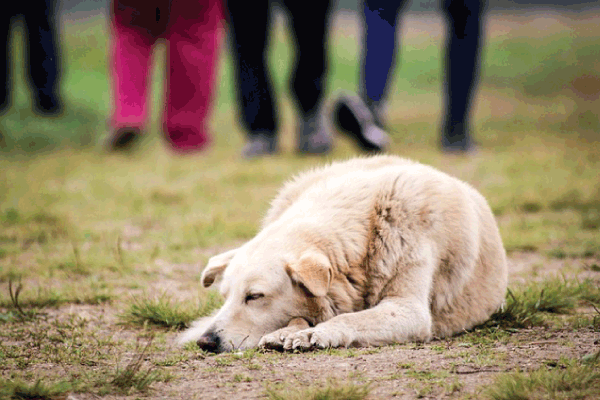
Wagging Wellness: A Comprehensive and Elaborate Guide to Fun and Safe Exercises for Your Diabetic Canine Companion
Living with a diabetic dog means embracing a lifestyle that prioritizes their health and well-being. While managing insulin, diet, and regular vet check-ups are paramount, the role of exercise often gets underestimated or, conversely, approached with trepidation. This guide aims to empower you with the knowledge and confidence to integrate fun, safe, and beneficial exercise into your diabetic dog’s routine, ensuring they thrive both physically and mentally.
The Irreplaceable Role of Exercise for Diabetic Dogs
Exercise is not just about burning energy; for a diabetic dog, it’s a vital component of managing their condition. When done correctly, it offers a multitude of benefits:
- Improved Glucose Regulation: Physical activity helps cells absorb glucose from the bloodstream more efficiently, potentially reducing insulin requirements over time and improving overall blood sugar stability.
- Weight Management: Many diabetic dogs are overweight or obese, which can worsen insulin resistance. Exercise aids in burning calories and building lean muscle mass, contributing to a healthier weight.
- Enhanced Muscle and Joint Health: Regular, appropriate exercise strengthens muscles, improves joint flexibility, and supports overall mobility, crucial for dogs who may be prone to conditions like arthritis or neuropathy.
- Cardiovascular Health: Just like in humans, exercise boosts heart health and circulation in dogs.
- Mental Stimulation and Stress Reduction: Play and activity provide an outlet for energy, reduce boredom, alleviate stress, and foster a stronger bond between you and your companion.
- Improved Digestion: Physical activity can aid in maintaining a healthy digestive system.
The Golden Rules: Prioritizing Safety Above All
Before introducing any new exercise, or even if your dog is already active, these safety guidelines are non-negotiable for diabetic canines:
1. Veterinary Consultation is PARAMOUNT
- Individualized Plan: Your veterinarian is your primary partner. Before starting any new exercise regimen, discuss it thoroughly with them. They will consider your dog’s specific insulin regimen, current health status (e.g., heart condition, arthritis, vision problems), current diet, and previous activity levels to help you create a safe, personalized plan.
- Insulin & Food Adjustments: Exercise directly impacts blood glucose levels. Your vet may advise on potential adjustments to insulin dosage or meal timing/composition on exercise days, or provide guidance on emergency glucose sources.
2. Consistent Blood Glucose Monitoring
- Before Exercise: Always check your dog’s blood glucose levels before starting. If it’s too low (hypoglycemia) or excessively high (hyperglycemia), it might be safer to skip or significantly modify the exercise session. Your vet will provide target ranges.
- During (If Recommended): For longer or more intense sessions, your vet might recommend mid-exercise checks, especially when starting a new routine.
- After Exercise: Monitor blood glucose for several hours post-exercise, as the glucose-lowering effect can persist. This helps in understanding your dog’s unique response to different activities.
- Log Everything: Keep a detailed log of exercise duration, intensity, and corresponding blood glucose readings to identify patterns and refine your routine.
3. Timing is Key
- Post-Meal Exercise: Often, the safest time to exercise a diabetic dog is about 1-2 hours after they’ve eaten a meal and received their insulin dose. This typically coincides with a period when blood sugar levels are naturally higher, reducing the risk of exercise-induced hypoglycemia. Avoid exercising during the peak action of insulin, unless specifically advised and managed by your vet.
- Consistency: Try to exercise your dog at similar times each day, as predictability helps your dog’s body maintain more stable blood sugar levels.
4. Start Slow, Go Gradual
- No Sudden Bursts: Just like humans, dogs need to warm up. Avoid sudden, intense activity, especially if your dog has been sedentary.
- Progressive Overload: Begin with short, low-intensity sessions (e.g., 5-10 minute gentle walks) and gradually increase duration, then intensity, over weeks or months. Observe your dog closely for signs of fatigue or discomfort.
5. Hydration is Non-Negotiable
- Always have fresh water available before, during, and after exercise. Diabetic dogs are generally more prone to dehydration.
6. Protect Those Paws
- Diabetic neuropathy can sometimes affect a dog’s feet, making them more susceptible to injury or slower to heal. Avoid hot pavement, rough terrain, or icy surfaces. Consider protective booties for sensitive paws.
7. Mind the Weather
- Heatstroke: Diabetic dogs may be more vulnerable to heatstroke due to compromised circulation or existing health issues. Avoid exercising during the hottest parts of the day.
- Extreme Cold: Hypothermia can also be a risk. Keep sessions shorter in cold weather and consider appropriate doggy apparel.
8. Prepare for Emergencies
- Hypoglycemia Kit: Always carry a quick source of glucose, such as honey, corn syrup, or glucose gel, when exercising your diabetic dog. If you notice signs of hypoglycemia (weakness, disorientation, tremors, collapse), apply it to their gums immediately and contact your vet.
- Emergency Contact: Have your vet’s number readily available.
9. Observe, Listen, and Respond
- Know the Signs of Hypoglycemia: Weakness, lethargy, confusion, uncoordinated movements, trembling, seizures, or collapse.
- Know the Signs of Overexertion: Excessive panting, lagging behind, limping, reluctance to move, drooling, or a change in gum color (pale or blueish).
- Listen to Your Dog: If your dog seems tired, in pain, or uninterested, it’s OK to stop or shorten the session. Don’t push them too hard.
Fun and Safe Exercise Ideas for Your Diabetic Canine Companion
Variety is key to keeping exercise engaging. Mix and match these activities based on your dog’s preferences, energy levels, and abilities.
A. Low-Impact & Gentle Activities (Excellent for Seniors, Beginners, or Arthritic Dogs)
- Leisurely Walks:
- Description: Short, consistent walks around the neighborhood or a park.
- How to: Start with 5-10 minute strolls, 2-3 times a day. Focus on sniffing and gentle exploration. Gradually increase duration (e.g., by 5 minutes each week) as your dog builds stamina.
- Benefits: Excellent for joint mobility, light cardiovascular workout, mental stimulation from new scents.
- Controlled Playtime:
- Description: Gentle games of fetch with a soft toy or rolling a ball (not throwing far).
- How to: Keep the throws short and close to you, encouraging a few steps or a gentle trot, not a full sprint. Use a leash if off-leash recall isn’t perfect or to prevent over-excitement.
- Benefits: Engages their prey drive gently, promotes bonding, and provides light exertion.
- “Sniffari” Walks:
- Description: Allow your dog to lead the way (within reason), taking their time to sniff every interesting scent.
- How to: Choose a safe, quiet area. Let them dictate the pace and direction. This is more about mental enrichment than physical exertion.
- Benefits: Highly mentally stimulating, reduces stress, and provides gentle physical activity.
- Passive Range of Motion (PROM) & Gentle Stretching:
- Description: Gently moving your dog’s limbs through their natural range of motion, and gentle stretching.
- How to: Consult your vet or a certified canine rehabilitation therapist first. They can show you proper techniques. This is usually done when the dog is relaxed (e.g., after a warm compress).
- Benefits: Maintains joint flexibility, improves circulation, and can be therapeutic for stiff muscles.
B. Moderate-Intensity Activities (For Dogs with Good Stamina & Vet Approval)
- Brisk Walks/Light Jogging:
- Description: A faster-paced walk where your dog is trotting alongside you, or very brief, slow jogs.
- How to: Ensure your dog can maintain this pace comfortably without excessive panting. Start with 15-20 minutes and gradually extend the duration. Always include a warm-up and cool-down period.
- Benefits: Builds cardiovascular endurance, strengthens leg muscles, and helps with weight management.
- Controlled Fetch/Frisbee:
- Description: A more energetic version of controlled playtime, with slightly longer throws.
- How to: Crucially, use soft, non-damaging toys. Keep sessions short (e.g., 5-10 throws) to prevent overexertion or joint strain. Avoid high jumps or sudden stops. Monitor breathing closely.
- Benefits: High energy burn, strengthens hindquarters, and provides mental engagement.
- Hiking on Gentle Trails:
- Description: Exploring nature together on relatively flat, even trails.
- How to: Choose trails without steep inclines, tricky footing, or extreme temperatures. Keep sessions shorter than usual walks initially. Bring extra water and your emergency kit.
- Benefits: Excellent mental stimulation from new environments, varied terrain offers a good workout, and deepens your bond.
C. Mental Stimulation (Crucial for All Dogs, Especially on Rest Days or Bad Weather Days)
Mental exercise can be just as tiring as physical exercise and is vital for overall well-being.
- Puzzle Toys and Treat Dispensers:
- Description: Toys that require your dog to work for a reward (e.g., Kongs, treat balls, snuffle mats).
- How to: Fill them with vet-approved, low-sugar treats or a portion of their regular kibble. Introduce new puzzles periodically.
- Benefits: Engages problem-solving skills, prevents boredom, and slows down eating.
- Obedience Training & Trick Learning:
- Description: Reinforcing basic commands or learning new tricks.
- How to: Short, positive training sessions (5-10 minutes) several times a day. Use clicker training and healthy, low-calorie, low-sugar rewards.
- Benefits: Strengthens your bond, builds confidence, and keeps their mind sharp.
- Scent Games (“Find It”):
- Description: Hiding treats or toys and encouraging your dog to sniff them out.
- How to: Start easy, then gradually increase the difficulty by hiding items in different rooms or under objects.
- Benefits: Taps into their natural hunting instincts, provides mental enrichment, and is low-impact.
D. Water-Based Activities (Excellent Low-Impact Option)
- Swimming:
- Description: Swimming in a pool (dog-specific, or a clean, shallow pond/lake).
- How to: Always supervise closely. Use a canine life vest, especially if they’re a beginner or have low stamina. Keep sessions short (5-10 minutes initially) and gradually extend. Rinse thoroughly after swimming.
- Benefits: Non-weight-bearing, excellent for joint problems, builds muscle, and provides a full-body workout.
- Hydrotherapy:
- Description: Supervised exercise in a warm-water treadmill or resistance pool with a certified canine hydrotherapist.
- How to: Requires veterinary referral and specialized equipment.
- Benefits: Therapeutic, controlled, and highly effective for rehabilitation, muscle building, and weight loss with minimal joint strain.
E. Indoor Activities (For Bad Weather Days or Limited Mobility)
- Indoor Fetch/Roll the Ball:
- Description: Gentle games of fetch in a hallway or large room.
- How to: Roll the ball rather than throwing it high. Ensure clear pathways to prevent collisions.
- Benefits: Low-impact play, keeps them moving.
- Stair Climbing:
- Description: Walking up and down a few stairs.
- How to: Only if your dog has no joint issues and vet approves. Start with a few repetitions, guiding them with a treat.
- Benefits: Builds hindquarter strength and stamina.
- Treadmill (Canine Specific):
- Description: Walking on a designated dog treadmill.
- How to: Requires proper training and constant supervision. Start very slow and for short durations. Never leave your dog unattended on a treadmill.
- Benefits: Controlled environment, good for consistent exercise regardless of weather.
Important Considerations for Long-Term Success
- Consistency is Key: Daily, regular exercise is more beneficial for blood sugar control than sporadic, intense bursts.
- Warm-Up and Cool-Down: Always begin with 5 minutes of slow walking and end with 5 minutes of slow walking and gentle stretching to prepare muscles and prevent injury.
- Listen to Your Dog: Every dog is different. Pay attention to their signals of fatigue, pain, or discomfort. Adjust the exercise as needed.
- Treats and Rewards: Factor any exercise treats into their daily caloric intake and choose low-sugar, vet-approved options.
- Regular Vet Check-ups: Continue with routine veterinary visits to monitor their overall health, adjust insulin as needed, and reassess their exercise plan.
Conclusion: A Journey of Wellness and Joy
Exercising a diabetic dog requires diligence, awareness, and a close partnership with your veterinarian. However, embracing this aspect of their care will not only contribute significantly to their physical health and blood sugar management but also enrich their lives with joy, purpose, and the invaluable bond you share. By prioritizing safety, listening to your dog, and seeking professional guidance, you can embark on a fun and fulfilling journey of wellness together. Here’s to many happy, healthy, and active years with your beloved canine companion!






Add comment