
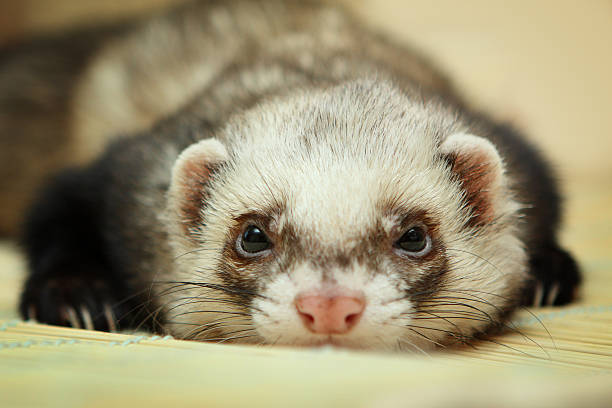
Ferrets (Mustela putorius furo) have surged in popularity as companion animals across North America, Europe, and parts of Asia. Their playful demeanor, inquisitive nature, and relatively small size make them attractive pets, yet they also present unique veterinary challenges. Among these, dermatophytosis, commonly known as ringworm, is a fungal skin infection that can affect ferrets of any age, sex, or breed. While often considered a “mild” disease, ringworm in ferrets can become chronic, cause significant skin irritation, and—crucially—pose a zoonotic threat to humans, especially immunocompromised individuals.
This guide provides an exhaustive, evidence‑based overview of ringworm in ferrets, consolidating current scientific knowledge, clinical practice guidelines, and practical advice for veterinarians, ferret owners, and animal‑care professionals. It is designed to be a single‑source reference, covering everything from microbiology to nutritional support and public‑health considerations.
2. What Is Ringworm?
Ringworm is a misnomer; it is not caused by a worm but by dermatophyte fungi that colonize the keratinized structures of the skin, hair, and nails. These organisms thrive on keratin, metabolizing it for growth and reproduction. The infection results in circular, erythematous, alopecic plaques that may be pruritic (itchy) or asymptomatic, depending on the host’s immune response and the specific fungal species involved.
3. The Causative Dermatophytes in Ferrets
Though many dermatophytes can infect a wide variety of mammals, three species are most frequently isolated from ferrets:
| Dermatophyte | Common Name | Primary Hosts | Typical Morphology | Geographic Distribution |
|---|---|---|---|---|
| Microsporum canis | M. canis | Cats, dogs, rabbits, humans | Macroconidia with rough, thick walls | Worldwide; especially temperate regions |
| Trichophyton mentagrophytes (formerly T. quinckeanum) | T. mentagrophytes complex | Rodents, rabbits, ferrets, humans | Numerous small, clavate microconidia | Global, more common in temperate–subtropical zones |
| Microsporum gypseum | M. gypseum | Soil‑dwelling; occasional infection in ferrets | Large, rough macroconidia; few microconidia | Cosmopolitan, especially arid soils |
Key point: Microsporum canis remains the most prevalent agent in pet‑related ringworm outbreaks, while T. mentagrophytes is increasingly reported in ferret colonies and breeding facilities. M. gypseum is less common but can occur after environmental exposure to contaminated soil or litter.
4. Epidemiology & Risk Factors
| Factor | How It Increases Risk |
|---|---|
| Age | Juvenile ferrets (<6 months) have immature immune systems and thinner skin, making them more vulnerable. |
| Sex | No strong sex predilection, but intact males may experience higher rates due to territorial fighting and wound formation. |
| Housing Density | Crowded cages, breeding colonies, or multi‑animal households facilitate fungal spread via direct contact and fomites. |
| Litter & Substrate | Wood shavings, straw, and bedding that retain moisture are ideal growth media for dermatophytes. |
| Environmental Humidity | Relative humidity > 60 % promotes conidial germination and sporulation. |
| Concurrent Skin Disease | Allergic dermatitis, ectoparasite infestations, or trauma disrupt the skin barrier, allowing fungal colonisation. |
| Immunosuppression | Systemic disease (e.g., adrenal disease, chronic infections), corticosteroid therapy, or chemotherapy impair host defenses. |
| Contact with Infected Animals | Introduction of an infected cat/dog, or ferret-to-ferret contact with a carrier (asymptomatic) spreads infection. |
| Human Carriers | Owners or handlers who have ringworm can act as reservoirs, depositing spores onto ferret fur or bedding. |
Prevalence data: Surveys from veterinary dermatology clinics in the United States and United Kingdom report that 2‑5 % of ferrets presenting for dermatologic complaints are diagnosed with ringworm. Outbreaks within breeding facilities can see infection rates climbing to >30 % if biosecurity measures are lax.
5. Pathogenesis – How the Fungus Invades the Skin
- Spore Deposition – Arthroconidia (asexual spores) are shed from an infected host, contaminated environment, or fomites and land on the ferret’s skin.
- Adherence – The spores adhere to keratinized surfaces via hydrophobic interactions and surface proteins.
- Germination – Under optimal temperature (20‑30 °C) and humidity, spores germinate, producing hyphae that penetrate the stratum corneum.
- Enzymatic Degradation – Dermatophytes secrete keratinases, lipases, and proteases that digest keratin, providing nutrients for fungal growth.
- Immune Evasion – The fungi modulate host immune responses, delaying neutrophil recruitment and dampening cytokine production.
- Clinical Lesion Formation – Hyphal growth triggers inflammation, causing erythema, scaling, and alopecia. In some cases, the host mounts a robust cell‑mediated response leading to resolution; in others, chronic infection ensues.
6. Clinical Signs & Symptoms
Ringworm lesions may be single or multiple, primary (directly infected) or secondary (due to self‑trauma). They usually appear on non‑hairy or sparsely haired regions because the fungus thrives where the hair coat is thin.
| Lesion Feature | Description |
|---|---|
| Alopecia | Well‑circumscribed, round to irregular patches of hair loss. The center may be smooth, with a raised, erythematous border (“ring”). |
| Scaling/Dandruff | Fine white or gray scales visible on the skin surface. Scaling may be more pronounced in humid environments. |
| Erythema | Redness surrounding the alopecic area; may be mild to severe. |
| Pruritus | Variable; some ferrets scratch or bite at lesions, leading to secondary bacterial infection. |
| Crusting | In chronic cases, lesions may develop crusts or papules. |
| Nail Involvement | Rare but possible; onychomycosis can manifest as brittle, discolored nails. |
| Systemic Signs | Generally absent; severe cases (especially immunocompromised) may show lethargy or weight loss. |
| Incubation Period | 7–14 days after exposure; lesions may take an additional 7–10 days to become visible. |
Typical distribution: Face (especially around the muzzle), ears, dorsal neck, tail base, and the ventral abdomen. Lesions may also appear on the paws and digit skin.
7. Differential Diagnosis
| Condition | Key Distinguishing Features |
|---|---|
| Allergic Dermatitis | Pruritus often more severe; lesions are often excoriated, not circular; history of allergen exposure. |
| Mange (Sarcoptes/Cheyletiella) | Intense itching, burrows, or “cheyletiellosis” crusts; skin scrapings reveal mites. |
| Bacterial Pyoderma | Purulent discharge, pustules; culture reveals bacterial growth. |
| Corticosteroid‑Induced Alopecia | Diffuse thinning without inflammation; history of chronic steroid use. |
| Neoplastic Skin Tumors | Firm, non‑healing masses; often a single lesion; may require biopsy. |
| Ectoparasite‑Associated Dermatitis | Flea or lice infestation; visible insects or feces. |
A definitive diagnosis of ringworm relies on laboratory confirmation (microscopy, culture, PCR). Empirical treatment without testing can lead to mismanagement, especially when zoonotic risk is high.
8. Diagnostic Work‑up
a. Physical Examination
- Conduct a thorough full‑body inspection under adequate lighting.
- Use a Wood’s lamp (UV‑A, 365 nm) for quick screening—M. canis fluoresces green‑blue, whereas T. mentagrophytes and M. gypseum usually do not.
b. Wood’s Lamp Fluorescence
- Pros: Rapid, inexpensive, non‑invasive.
- Cons: Sensitivity ~ 50 % for M. canis; false‑negatives for other species.
c. Direct Microscopy (KOH Prep)
- Collect hair pluckings or skin scrapings from the lesion edge (the active growth front).
- Place on a slide with 10‑20 % potassium hydroxide (KOH).
- Examine under low power (10×) and high power (40×) for septate hyaline hyphae and macroconidia.
- Sensitivity: 70‑85 % (higher when multiple samples are examined).
d. Fungal Culture
- Medium: Sabouraud Dextrose Agar (SDA) with chloramphenicol and cycloheximide to suppress bacterial and saprophytic growth.
- Incubation: 25‑30 °C for 2‑3 weeks; colonies appear cottony to powdery.
- Identification: Macro‑ and micro‑conidial morphology under a microscope; confirm with slide culture.
- Gold Standard: Culture remains the definitive diagnostic test, allowing species identification and antifungal susceptibility testing.
e. PCR & Molecular Techniques
- Real‑time PCR targeting the internal transcribed spacer (ITS) region offers rapid (24‑48 h) and highly sensitive detection (≥ 95 %).
- Useful when culture is negative but clinical suspicion remains high.
f. Histopathology (when needed)
- In refractory or atypical cases, a skin biopsy stained with periodic acid‑Schiff (PAS) or Gomori methenamine silver (GMS) can visualize fungal hyphae within the epidermis.
Diagnostic Algorithm (Simplified)
- Suspect ringworm → Wood’s lamp (if positive, proceed to step 2).
- Collect KOH prep + culture → If KOH positive, start empirical therapy while awaiting culture.
- If KOH negative but suspicion high → Send for PCR and repeat KOH/culture with additional samples.
- If all tests negative → Re‑evaluate differential diagnoses.
9. Treatment Strategies
Therapeutic success hinges on eradication of the organism from the host and the environment. A combined approach—topical, systemic, and environmental—is recommended.
a. Topical Antifungals
| Product | Active Ingredient | Application Frequency | Typical Duration |
|---|---|---|---|
| Miconazole 2 % cream | Miconazole nitrate | BID (twice daily) | 4‑6 weeks |
| Clotrimazole 1 % solution | Clotrimazole | QID (four times daily) | 4‑6 weeks |
| Terbinafine 1 % shampoo | Terbinafine | Weekly baths (or 2‑3 × /week) | 4‑6 weeks |
| Enilconazole 1 % spray | Enilconazole | BID, focusing on lesions | 3‑4 weeks |
| Chlorhexidine‑based wipes (adjunct) | Chlorhexidine gluconate | Daily | Supportive |
- Procedure: Clip hair around the lesion (if possible) to improve drug penetration. Apply a thin layer, allowing it to dry before the ferret can groom.
- Note: Ferrets are prone to self‑grooming; ensure the product is non‑toxic if ingested in small amounts.
b. Systemic Antifungals
| Drug | Dosage (Ferret) | Route | Duration | Monitoring |
|---|---|---|---|---|
| Terbinafine | 30 mg/kg PO q24h | Oral | 6‑8 weeks | Liver enzymes (ALT, AST) baseline & q2 weeks |
| Itraconazole | 5 mg/kg PO q24h | Oral | 6‑8 weeks | Hepatic panel, drug interactions (e.g., steroids) |
| Griseofulvin | 10‑20 mg/kg PO q12h | Oral | 8‑12 weeks | Hepatic function, blood counts |
| Fluconazole | 10 mg/kg PO q24h | Oral | 6‑8 weeks | Renal function (rarely needed) |
| Posaconazole (reserve) | 5 mg/kg PO q24h | Oral | 6‑8 weeks | Hepatic enzymes, cost considerations |
- Choice of Agent: Terbinafine is now considered first‑line in many veterinary dermatology practices because of its fungicidal activity, shorter treatment course, and relatively low hepatotoxicity. Itraconazole provides excellent tissue penetration, useful for deep infections. Griseofulvin, once the mainstay, has slower action and more side‑effects; it is now used mainly when other agents are unavailable or contraindicated.
- Therapeutic Monitoring: Baseline liver enzymes (ALT, AST, ALP) and kidney values are essential. Repeat labs every 2‑3 weeks.
c. Environmental Decontamination
| Step | Action | Recommended Products |
|---|---|---|
| Cleaning | Remove all bedding, toys, and accessories; wash with hot water (> 60 °C) and detergent. | Laundry detergent + 1 % bleach (if fabric tolerates). |
| Disinfection | Apply a 10 % bleach solution (1 part bleach:9 parts water) to cage surfaces, food bowls, and water bottles; let sit 10 min, then rinse. | Sodium hypochlorite (household bleach). |
| Vacuuming | HEPA‑filter vacuum daily to remove conidia from fur and cage corners. | HEPA vacuum. |
| Fumigation | For large breeding colonies, consider Enilconazole or Virkon® aerosol treatment. | Enilconazole (1 % solution). |
| Drying | Ensure all items are completely dried; moisture encourages fungal growth. | Dehumidifier (RH < 55 %). |
| Isolation | Separate infected ferret(s) in a dedicated, disinfected enclosure until two consecutive negative cultures (≥ 14 days apart). | Separate cage with clean bedding. |
- Duration: Continue environmental treatment for at least 6 weeks after the last positive culture, as spores can survive on surfaces for months.
d. Supportive Care & Adjuncts
- Anti‑pruritic agents (e.g., hydroxyzine 1 mg/kg PO q12h) can reduce itching and prevent self‑trauma.
- Antibiotics (e.g., amoxicillin‑clavulanate 20 mg/kg PO q12h) are indicated only if secondary bacterial infection is confirmed.
- Probiotics (e.g., Enterococcus faecium) may help maintain gut health during prolonged systemic antifungal therapy.
- Omega‑3 fatty acids (fish oil) can reduce inflammation and support skin integrity.
10. Prognosis & Potential Complications
| Outcome | Likelihood | Comments |
|---|---|---|
| Complete clinical cure | 80‑90 % (with appropriate therapy) | Requires full treatment course and environmental control. |
| Relapse after therapy | 10‑20 % | Often due to incomplete environmental decontamination or premature cessation of drugs. |
| Chronic dermatophytosis | 5‑10 % | Seen in immunocompromised ferrets or those with ongoing skin barrier disruption. |
| Secondary bacterial pyoderma | 15‑30 % (if pruritus leads to self‑trauma) | Requires antibacterial therapy. |
| Systemic spread | Rare (< 1 %) | Mostly in severely immunosuppressed animals; may involve deeper tissues, rarely lungs. |
| Zoonotic transmission to humans | Variable (depends on species, hygiene) | M. canis is highly zoonotic; close contact increases risk. |
Overall prognosis is excellent when treatment is instituted early, compliance is high, and environmental measures are rigorously applied. However, the psychological impact on owners (concern about infecting family members) can be significant; clear communication and reassurance are essential.
11. Prevention & Biosecurity
- Quarantine New Arrivals
- Isolate any newly acquired ferret for 30 days. Perform Wood’s lamp screening and KOH prep before integration.
- Routine Screening
- Perform annual dermatophyte cultures for breeding colonies, especially before breeding seasons.
- Environmental Hygiene
- Use low‑dust, non‑organic bedding (e.g., paper‑based or recycled wood pellets) that does not retain moisture.
- Clean cages weekly with a 10 % bleach solution followed by thorough rinsing.
- Humidity Control
- Maintain ambient humidity at 45‑55 % using dehumidifiers or proper ventilation.
- Personal Protective Equipment (PPE)
- Wear gloves, lab coats, and face masks when handling suspected cases or cleaning infected environments.
- Hand Hygiene
- Wash hands with antimicrobial soap after any contact with ferrets, cages, or equipment.
- Vaccination
- No vaccine exists for dermatophytes; prevention relies on management.
- Education of All Household Members
- Inform family members about the non‑contagious nature of many ferret skin diseases, but highlight the importance of hand washing and avoiding direct contact with lesions.
- Nail Trimming & Grooming
- Regularly trim nails to reduce fungal harborage and keep coat clean; use a ferret‑specific grooming brush.
- Avoid Over‑crowding
- Provide ≥ 0.5 m² of floor space per ferret in a cage to limit close contact.
12. Diet, Nutrition & Immune Support
A well‑balanced diet bolsters the immune system, aiding in fungal clearance and preventing recurrence.
| Nutrient | Role in Antifungal Defense | Ferret‑Specific Recommendations |
|---|---|---|
| High‑quality animal protein | Supplies essential amino acids for keratin synthesis and immune cells. | Feed a diet with ≥ 30 % protein from meat, poultry, or fish; avoid plant‑based fillers. |
| Essential fatty acids (Omega‑3 & Omega‑6) | Modulate inflammation, improve skin barrier function. | Add fish oil (EPA/DHA) 0.5‑1 % of diet, or feed commercial ferret diets enriched with fish oil. |
| Vitamin A | Supports epithelial integrity and mucosal immunity. | Ensure diet contains retinol; supplementation only if deficiency is documented. |
| Vitamin E & Selenium | Antioxidants that protect skin cells from oxidative stress. | Include vitamin E‑rich foods (e.g., egg yolk) or supplement under veterinary guidance. |
| Zinc | Crucial for wound healing and immune function. | Provide zinc‑methionine 30‑50 mg/kg of diet; monitor for excess (can cause copper deficiency). |
| Probiotics | Maintain gut microbiota, which influences systemic immunity. | Use Enterococcus faecium or Lactobacillus products designed for ferrets, 10⁸ CFU daily. |
| Prebiotics (inulin, FOS) | Feed beneficial gut bacteria, strengthening barrier immunity. | Include small amounts of inulin in treats; avoid high‑fiber diets that can cause GI upset. |
| Water | Adequate hydration preserves skin turgor and supports renal clearance of drug metabolites. | Provide fresh, filtered water at all times; consider a water bottle to reduce spillage. |
Feeding Frequency: Ferrets are obligate carnivores that thrive on 3–4 small meals per day. Consistency helps maintain stable blood glucose, which indirectly supports immune competence.
Special Considerations During Antifungal Therapy:
- Avoid high‑fat, high‑calorie treats that may exacerbate obesity; obesity impairs immune responses.
- Monitor for drug–nutrient interactions (e.g., itraconazole absorption improves with a high‑fat meal; give with a small amount of meat).
13. Zoonotic Potential – Risks to Humans & Other Pets
| Species | Transmission Mode | Typical Clinical Presentation | Risk Level |
|---|---|---|---|
| Humans (especially children, elderly, immunocompromised) | Direct contact with contaminated fur, bedding, or spores; aerosolization of conidia during grooming | Circular, scaly, erythematous patches; often itchy; lesions on face, arms, legs | High for M. canis; moderate for T. mentagrophytes |
| Cats/Dogs | Direct contact or shared environment | Similar ring‑shaped alopecic lesions; may develop secondary bacterial infections | Moderate (cats/dogs are common reservoirs) |
| Other Ferrets | Co‑habitation, shared bedding | Same as index case; may be asymptomatic carriers | High (close contact) |
| Rodents (e.g., hamsters, guinea pigs) | Indirect environmental exposure | Small patches of alopecia; often subclinical | Low‑Moderate |
Key Points for Human Health
- Incubation period in humans: 7‑21 days after exposure.
- Mycological confirmation (KOH, culture) is essential before initiating therapy.
- First‑line human therapy: Topical terbinafine 1 % cream BID; systemic treatment (e.g., oral terbinafine 250 mg daily) reserved for extensive disease.
- Prevention: Hand washing after handling ferrets, wearing gloves when cleaning cages, and limiting direct contact with lesions.
Public‑Health Recommendations
- Notify local health authorities if an outbreak occurs in a daycare, school, or veterinary clinic.
- Educate owners about the signs of dermatophytosis in both pets and humans.
- Implement contact‑precautions in veterinary hospitals (isolation rooms, dedicated equipment).
14. Owner Education & Home‑Care Checklist
| Task | Frequency | Notes |
|---|---|---|
| Inspect ferret’s coat for new lesions | Daily | Use a bright light, look for patches of hair loss. |
| Administer topical medication | As prescribed (usually BID) | Apply to clean, dry skin; prevent licking. |
| Give oral antifungal | Every 24 h (or as directed) | Use a pill‑popper or hide in a treat; record administration time. |
| Change bedding | Weekly (or sooner if soiled) | Bag old bedding for disposal in sealed bag. |
| Clean cage surfaces | Weekly (or after each treatment) | Use bleach solution; rinse thoroughly. |
| Vacuum surrounding area | Daily during treatment | Use HEPA filter; discard bag immediately. |
| Monitor for side‑effects (vomiting, lethargy, jaundice) | Every 2‑3 days | Contact vet if abnormalities arise. |
| Schedule follow‑up labs | Baseline, then every 2 weeks | Liver enzymes, kidney values. |
| Record all observations | Ongoing | Keep a journal (date, lesion size, medication given). |
| Hand‑washing & PPE | After each handling | Soap for at least 20 seconds; gloves for cage cleaning. |
Tip: Use a color‑coded calendar (e.g., green for medication days, yellow for cleaning) to improve compliance.
15. Frequently Asked Questions (FAQ)
| Question | Answer |
|---|---|
| Can a ferret be a carrier without showing lesions? | Yes. Up to 30 % of infected ferrets may be asymptomatic carriers, shedding conidia intermittently. Routine cultures are advisable in breeding colonies. |
| Is it safe to use over‑the‑counter human antifungal creams on ferrets? | Many human topical agents (e.g., clotrimazole, miconazole) are safe in ferrets when applied externally. However, oral human antifungals (e.g., fluconazole) should only be used under veterinary supervision due to dosing differences. |
| How long after treatment can I safely handle my ferret without PPE? | Once two consecutive negative cultures (taken ≥ 14 days apart) and the ferret’s lesions have resolved, the risk of zoonotic transmission is minimal. Continue good hygiene practices regardless. |
| Will my ferret need a repeat course of antifungals if it relapses? | Relapse often indicates incomplete environmental decontamination. A repeat, possibly longer, course plus stricter cleaning is usually effective. |
| Can diet alone cure ringworm? | Nutrition supports immune function but does not eradicate the fungus. Diet should be part of a multimodal treatment plan. |
| What is the cost of treatment? | Costs vary by region and drug choice. Approximate range: $150‑$400 for topical therapy + $200‑$600 for systemic antifungal courses, plus laboratory diagnostics ($50‑$150 per culture). |
| Is vaccination against ringworm possible in the future? | Research is ongoing, but no commercial vaccine currently exists for ferrets or other companion animals. Prevention relies on biosecurity. |
#FerretRingworm,#FerretDermatology,#RingwormInFerrets,#Dermatophytosis,#PetFungalInfection,#FerretHealth,#FerretCare,#FerretNutrition,#ZoonoticRingworm,#FerretOwners,#FerretTips,#FerretWellness,#VetTips,#AnimalHealth,#FerretLovers,#FerretCommunity,#FungalInfections,#PetSafety,#FerretLife,#FerretBedding,#FerretHygiene,#FerretImmunity,#FerretDiet,#FerretTreatments,#FerretPrevention,#FerretVeterinary,#FerretClinic,#FerretInfectionControl,#FerretLifestyle,#FerretEducation,#FerretMedicalGuide

Add comment