
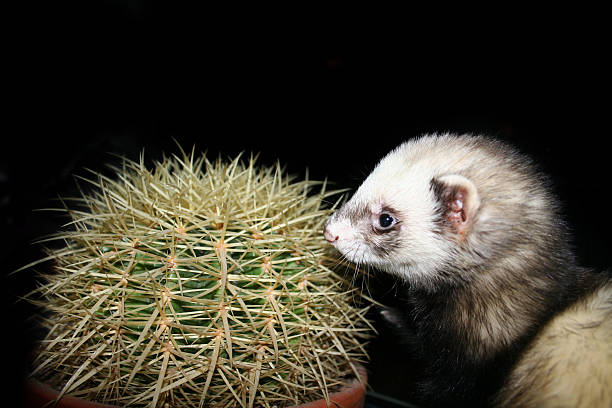
Ferrets (Mustela putorius furo) have become one of the most popular companion mammals in the United States, Europe, and parts of Asia. Their high metabolic rate, obligate carnivorous diet, and susceptibility to a range of gastrointestinal (GI) disorders make them a unique species for veterinarians and pet‑owners alike. Among the most frequently encountered GI problems are gastritis and gastric ulcers.
Historically, the presence of Helicobacter mustelae – a species closely related to H. pylori in humans – has dominated discussions about ferret gastric disease. While H. mustelae is an important pathogen, it represents only a fraction of the etiologic spectrum. A growing body of evidence demonstrates that dietary indiscretion, stress, drug toxicity, parasitism, neoplasia, autoimmune mechanisms, and other bacterial agents can all provoke gastric inflammation and ulceration in ferrets.
This guide is intended for veterinary clinicians, veterinary students, ferret breeders, and informed owners who require a deep, evidence‑based understanding of gastric disease in ferrets that goes beyond the classic Helicobacter narrative. It covers:
* Causes (both Helicobacter‑related and independent)
* Clinical signs and symptomatology
* Diagnostic pathways (including limitations of current tests)
* Medical and surgical treatment options
* Prognosis, potential complications, and long‑term outcomes
* Prevention strategies, diet, and nutrition recommendations
* Zoonotic considerations for people handling ferrets
The information is compiled from peer‑reviewed veterinary literature, recent conference abstracts, and the collective clinical experience of small‑mammal practitioners worldwide.
2. Ferret Gastrointestinal Anatomy – A Quick Refresher
| Feature | Ferret Specifics | Clinical Relevance |
|---|---|---|
| Stomach | Small, J‑shaped, high acid output (pH ~ 1–2). The mucosa has a thin protective mucus layer. | High susceptibility to acid‑related injury; rapid ulcer formation. |
| Duodenum & Jejunum | Short length; rapid transit (≈ 30 min). | Inadequate time for thorough digestion; increases risk of malabsorption when inflamed. |
| Colon | Relatively short; limited fermentative capacity. | Limited buffering of toxins; diarrhea may be watery rather than formed. |
| Pancreas | Exocrine pancreas produces high‑digestive enzyme concentrations. | Pancreatic enzyme leakage can exacerbate gastric mucosal damage. |
| Liver | High metabolic activity; sensitive to toxins (e.g., NSAIDs). | Hepatotoxic drugs can indirectly worsen gastritis. |
Understanding the ferret’s unique anatomy helps explain why seemingly modest insults (e.g., a single dose of an NSAID) can precipitate severe gastric pathology.
3. Gastritis in Ferrets
3.1 Definition
Gastritis is the inflammation of the gastric mucosa, which may be acute (hours to days) or chronic (weeks to months). Histologically, it ranges from superficial erosions to deep infiltrates of neutrophils, lymphocytes, and plasma cells.
3.2 Etiology – “Beyond Helicobacter”
| Category | Specific Factors | Mechanism |
|---|---|---|
| Infectious | • Helicobacter mustelae (classic) • Clostridium perfringens • Salmonella spp. • Campylobacter jejuni • Escherichia coli (Enteropathogenic) |
Bacterial toxins, direct mucosal invasion, dysbiosis. |
| Parasitic | • Cystoisospora canis • Giardia duodenalis (secondary effect) |
Parasite‑induced mucosal irritation and immune response. |
| Drug‑Induced | • Non‑steroidal anti‑inflammatory drugs (NSAIDs) – e.g., meloxicam, carprofen • Corticosteroids (high‑dose) • Chemotherapeutics (e.g., vincristine) |
Inhibition of prostaglandin synthesis → loss of mucus protection; direct cytotoxicity. |
| Dietary & Nutritional | • High‑fat, low‑protein “human” snacks (e.g., cheese, fried foods) • Sudden diet changes • Ingestion of spoiled meat or bones • Low‑fiber, high‑carbohydrate commercial “kitten” diets |
Acid hypersecretion, mechanical trauma, dysbiosis. |
| Stress & Environmental | • Overcrowding • Inadequate enrichment • Sudden relocation • Extreme temperature fluctuations |
Sympathetic overdrive → increased gastric acid, reduced mucus. |
| Neoplastic | • Gastric adenocarcinoma • Lymphoma (especially alimentary) |
Tumor infiltrates erode mucosa, cause ulceration. |
| Autoimmune/Immune‑Mediated | • Ferret “immune‑mediated gastritis” (rare) | Autoantibody‑mediated mucosal injury. |
| Toxic | • Ingestion of heavy metals (e.g., zinc phosphide) • Rodenticides (e.g., bromadiolone) |
Direct chemical burns, oxidative damage. |
Key Point: While H. mustelae remains a common isolate, 70–80 % of gastritis cases have a multifactorial origin, often with contributing dietary, stress, or drug factors.
3.3 Pathophysiology
- Acid–Mucus Imbalance: Gastric epithelial cells normally secrete bicarbonate‑rich mucus. Disruption (e.g., NSAID use) skews the balance toward aggressive acid, causing epithelial erosion.
- Inflammatory Cascade: Damaged epithelium releases cytokines (IL‑1β, TNF‑α) → recruitment of neutrophils and macrophages → further mucosal injury.
- Microbial Overgrowth: Loss of the protective barrier permits colonization by opportunistic bacteria, which produce exotoxins that perpetuate ulceration.
- Vascular Compromise: Severe inflammation may impair mucosal blood flow, leading to ischemia and necrosis.
3.4 Clinical Signs
| Sign | Frequency | Description |
|---|---|---|
| Vomiting | 80–90 % | Initially non‑bloody, later may contain blood or coffee‑ground material. |
| Anorexia / Hyporexia | 70 % | Reluctance to eat high‑protein diet, weight loss over days. |
| Lethargy | 60 % | Reduced activity, hiding. |
| Diarrhea | 30–40 % | Often watery; may be secondary to rapid gastric emptying. |
| Abdominal Pain | 25 % | Guarding, “prayer position,” vocalization on palpation. |
| Melena | 15 % | Dark, tarry stool indicating digested blood. |
| Weight Loss | Variable | Progressive if chronic gastritis goes undiagnosed. |
| Dehydration | Common in severe cases | Sunken eyes, tacky mucous membranes. |
Note: Ferrets are notoriously stoic; early signs can be subtle. Owners often notice a “change in temperament” before overt clinical signs appear.
4. Gastric Ulcers in Ferrets
4.1 Definition
A gastric ulcer is a full‑thickness breach of the gastric mucosa extending into the submucosa, muscularis, or even serosa. Ulcers can be solitary or multiple, superficial or deep, and may perforate, leading to peritonitis.
4.2 Etiology – “Beyond Helicobacter”
| Category | Specific Factors | Mechanism |
|---|---|---|
| Helicobacter‑related | H. mustelae (most common bacterial ulcerogen) | Cytotoxin production, chronic inflammation → ulceration. |
| Drug‑related | NSAIDs, corticosteroids, chemotherapeutics | COX inhibition → reduced prostaglandin → mucosal erosion. |
| Stress‑related | Extreme environmental stress, postoperative stress | Catecholamine surge → increased acid, reduced motility. |
| Dietary | High‑fat “treats”, raw bones | Mechanical irritation + acid hypersecretion. |
| Neoplastic | Gastric adenocarcinoma, lymphoma | Tumor infiltration erodes mucosa. |
| Systemic disease | Chronic renal disease (uremia) Severe hepatic disease |
Toxin accumulation, altered mucosal perfusion. |
| Infectious (non‑Helicobacter) | Clostridium perfringens (alpha‑toxin) Salmonella spp. |
Direct mucosal cytotoxicity. |
| Vascular compromise | Thromboembolic disease, vasculitis | Ischemic necrosis → ulcer formation. |
4.3 Pathophysiology
- Prostaglandin deficiency (due to NSAIDs or disease) diminishes mucus and bicarbonate secretion, permitting acid to denature proteins and dissolve the epithelium.
- Acid hypersecretion (stress or gastrin‑producing tumors) overwhelms protective mechanisms.
- Bacterial toxins (e.g., C. perfringens alpha toxin) degrade mucosal membranes, hastening breach formation.
4.4 Clinical Signs
| Sign | Frequency | Description |
|---|---|---|
| Melena | 70 % | Classic indicator of upper GI bleeding. |
| Hematemesis | 25–30 % | Fresh or partially digested blood in vomitus. |
| Anorexia | 60 % | Acute refusal to eat due to pain. |
| Abdominal Distension | 15 % | When perforation leads to peritonitis. |
| Pale Mucous Membranes | 20 % | Anemia from chronic blood loss. |
| Dyspnea / Tachypnea | Occasional | Result of anemia or peritoneal irritation. |
| Shock | In advanced cases | Hypotension, weak pulse, rapid collapse. |
Perforated ulcer is a medical emergency; mortality rises dramatically (> 70 %) without prompt surgical intervention.
5. Overlapping Features & Differential Diagnosis
Both gastritis and gastric ulcers manifest as vomiting, anorexia, and abdominal discomfort. Distinguishing them influences treatment decisions (e.g., need for surgery). The differential diagnosis list includes:
- Foreign body ingestion – radiopaque objects or soft meals.
- Pancreatitis – severe abdominal pain, elevated pancreatic enzymes.
- Inflammatory bowel disease (IBD) – chronic diarrhea, weight loss.
- Gastrointestinal lymphoma – palpable mass, chronic vomiting.
- Intestinal parasites – coccidiosis, giardiasis.
- Systemic diseases – renal failure, hepatic lipidosis.
A structured diagnostic algorithm (see Section 6) helps narrow these possibilities.
6. Diagnostic Approach
6.1 Thorough History
- Dietary history (type of food, treats, sudden changes).
- Medication exposure (NSAIDs, steroids, dewormers).
- Stressors (relocation, breeding, housing).
- Environmental factors (temperature swings, enrichment).
- Previous GI episodes (recurrence suggests chronic disease).
6.2 Physical Examination
- Weight & Body Condition Score (BCS) – look for rapid loss.
- Mucous membrane color – assess anemia or hypoxia.
- Abdominal palpation – guarding, masses, organomegaly.
- Hydration status – skin turgor, capillary refill time.
6.3 Laboratory Tests
| Test | Typical Findings in Gastritis/Ulcer | Interpretation |
|---|---|---|
| CBC | Mild leukocytosis, neutrophilia; possible anemia (normocytic, normochromic). | Inflammation, chronic blood loss. |
| Serum Chemistry | Elevated BUN/creatinine (dehydration), mild ALT/AST increase (hepatic stress). | Organ function, dehydration assessment. |
| Blood Gas / Lactate | Metabolic acidosis if severe vomiting/ischemia. | Severity gauge. |
| Fecal Examination | Parasite ova/cysts, Clostridium toxin assay (optional). | Rule out parasites, bacterial overgrowth. |
| Serology for Helicobacter | Antibody titers – limited utility (cross‑reactivity). | Adjunct, not definitive. |
6.4 Imaging
- Abdominal Radiography
- Look for gastric distension, gas patterns, free abdominal air (perforation).
- “Double‑bubble” sign may suggest obstruction.
- Abdominal Ultrasound
- Assess gastric wall thickness (> 4 mm suggests inflammation).
- Identify ulcer crater (hypoechoic focal defect).
- Evaluate adjacent organs for secondary disease (e.g., pancreatic enlargement).
- Contrast Radiography / Barium Swallow (if tolerated)
- Delineates ulcer contour and identifies leaks.
6.5 Endoscopy
- Gold standard for direct visualization and biopsy.
- Allows identification of H. mustelae colonies, ulcer size, and severity.
- Biopsies for histopathology (grading of inflammation, neoplasia).
Limitations: Ferrets are small; endoscopic equipment must be miniaturized. General anesthesia carries risk in critically ill patients.
6.6 Histopathology
- Gastritis: Graded (0‑4) based on neutrophil infiltration, glandular atrophy, presence of Helicobacter organisms.
- Ulcers: Depth (mucosal, submucosal, muscularis), presence of necrosis and granulation tissue.
6.7 Microbiological Testing
| Method | Advantages | Drawbacks |
|---|---|---|
| Urease Breath Test (modified for ferrets) | Non‑invasive, rapid. | Sensitivity reduced by recent antibiotics or PPIs. |
| PCR on Gastric Biopsy | Specific for H. mustelae and other bacteria. | Requires technical expertise; false‑negatives if sampling inadequate. |
| Culture | Enables antimicrobial susceptibility testing. | Anaerobic conditions needed; time‑consuming. |
6.8 Decision‑Tree Summary
- Acute vomiting + melena → immediate CBC, chemistry, radiographs.
- Free abdominal air → emergency surgery (perforated ulcer).
- No perforation, stable → ultrasound → endoscopy with biopsy.
- Positive H. mustelae PCR → targeted antimicrobial protocol.
- Negative H. mustelae → broaden differential (drugs, diet, stress).
7. Treatment Strategies
7.1 General Principles
- Stabilize the patient first (fluid therapy, analgesia).
- Identify & remove inciting factors (discontinue NSAIDs, modify diet).
- Protect the gastric mucosa while the underlying cause resolves.
7.2 Medical Management
| Drug Class | Representative Agents | Dosage (Ferret) | Mechanism | Comments |
|---|---|---|---|---|
| Proton Pump Inhibitors (PPIs) | Omeprazole, Esomeprazole | Omeprazole 0.5 mg PO q12h | Irreversibly blocks H⁺‑K⁺ ATPase | Requires 3‑5 days to achieve maximal effect; good for chronic ulcer control. |
| Histamine‑2 Receptor Antagonists (H₂‑Blockers) | Ranitidine, Famotidine | Famotidine 1 mg PO q12h | Reduces acid secretion | Faster onset than PPIs but less potent; useful in acute episodes. |
| Cytoprotective Agents | Sucralfate, Misoprostol, Rebamipide | Sucralfate 30 mg PO q8h (suspended) | Forms protective barrier, stimulates mucus | Must be given on empty stomach; avoid concurrent antacids. |
| Antacids | Calcium carbonate, Aluminum hydroxide | 0.5 g PO q6h | Neutralizes gastric acid | Short‑acting; adjunct to PPIs/H₂‑blockers. |
| Antibiotics (if bacterial etiology) | Metronidazole, Amoxicillin‑Clavulanate, Clarithromycin | Metronidazole 15 mg/kg PO q12h for 14 days | Targets H. mustelae and anaerobes | Triple therapy (PPI + Amox + Clarithro) mirrors human H. pylori regimens; adjust for renal function. |
| Analgesics | Buprenorphine, Tramadol (low dose) | Buprenorphine 0.01 mg/kg IM q12h | Alleviates pain | Avoid NSAIDs; use opioid‑sparing protocols. |
| Anti‑emetics | Maropitant, Ondansetron | Maropitant 1 mg/kg PO q24h | Blocks NK‑1 receptors | Prevents vomiting, reduces gastric irritation. |
| Fluid Therapy | Lactated Ringer’s, 0.9 % NaCl with dextrose | 60 ml/kg/day IV, titrated | Replaces losses, corrects electrolytes | Add potassium if hypokalemic; monitor for over‑hydration. |
| Nutritional Support | Enteral feeding tube (esophageal or gastrostomy) | 30–40 kcal/kg/day | Provides high‑protein, low‑fat diet | Essential if anorexic > 48 h. |
Special Note on Antibiotic Stewardship:
- Confirm bacterial involvement before starting broad‑spectrum agents.
- Perform culture and sensitivity whenever possible to avoid resistance, especially for Clostridium spp.
7.3 Surgical Intervention
| Indication | Procedure | Success Rate | Post‑operative Care |
|---|---|---|---|
| Perforated Gastric Ulcer | Exploratory laparotomy → simple closure (single‑layer sutures) ± omental patch | 45‑55 % (depends on peritonitis severity) | ICU monitoring, broad‑spectrum antibiotics, analgesia. |
| Large, Refractory Ulcer | Partial gastrectomy (pyloric resection) or ulcerectomy | 60‑70 % | Nutritional support, PPIs for 4–6 weeks. |
| Neoplastic Ulcer | Resection with wide margins + lymph node removal | Variable (depends on tumor grade) | Oncology referral for chemo or radiation. |
| Vagotomy (reducing acid secretion) | Truncal vagotomy (rare) | Limited data; experimental | Combine with ulcer repair. |
Decision‑Making: Surgery is reserved for life‑threatening complications (perforation, uncontrolled hemorrhage) or non‑responsive chronic ulcers despite optimal medical therapy for ≥ 2 weeks.
7.4 Managing Underlying Causes
| Underlying Factor | Specific Management |
|---|---|
| NSAID toxicity | Discontinue drug, administer misoprostol 0.2 mg/kg PO q12h, monitor renal function. |
| Dietary indiscretion | Transition to a high‑protein, low‑fat ferret diet (≥ 30 % protein, ≤ 10 % fat). |
| Stress | Provide enrichment, stable social groups, pheromone diffusers (e.g., Feliway‑type). |
| Parasitic infection | Fenbendazole 20 mg/kg PO q24h for 3 days; repeat fecal exam. |
| Neoplasia | Surgical excision ± chemotherapy (e.g., CHOP protocol for lymphoma). |
| Autoimmune gastritis | Immunosuppressive therapy (low‑dose prednisolone 0.5 mg/kg q24h) + PPI; monitor CBC. |
8. Prognosis & Complications
| Condition | Short‑Term Prognosis | Long‑Term Prognosis | Common Complications |
|---|---|---|---|
| Acute Gastritis (non‑ulcerated) | Good (> 85 % survive with fluid/meds) | Excellent if cause removed | Recurrence if stress/diet persists. |
| Chronic Gastritis | Variable (50‑80 % respond) | Fair to good with lifelong management | Development of ulceration, anemia. |
| Simple Gastric Ulcer | Fair (70‑80 % heal with PPIs) | Good if no perforation | Re‑ulceration, stricture formation. |
| Perforated Ulcer | Guarded (30‑45 % survive surgery) | Poor (often fatal) | Peritonitis, septic shock, adhesions. |
| Neoplastic Ulcer | Poor (depends on tumor) | Very poor (median survival < 2 months) | Metastasis, cachexia. |
Key Prognostic Indicators
- Rapid onset of melena/hematemesis → higher mortality.
- Serum lactate > 4 mmol/L or base deficit > 6 mmol/L → indicates severe hypoperfusion.
- Age > 4 years and co‑existing systemic disease (renal, hepatic) → poorer outcome.
9. Prevention Strategies
9.1 Environmental & Management
- Stable Housing: Keep temperature between 18–22 °C; avoid drafts.
- Enrichment: Rotate toys, provide tunnels, and schedule regular social interaction.
- Stress‑Reduction: Limit cage changes; introduce new ferrets gradually.
9.2 Dietary Recommendations
| Nutrient | Target Range | Rationale |
|---|---|---|
| Crude Protein | 30–35 % (minimum 30 % of metabolizable energy) | Supports high basal metabolism; reduces gastric emptying time. |
| Crude Fat | ≤ 10 % | Excess fat delays gastric emptying, increases acid production. |
| Carbohydrate | ≤ 15 % | Ferrets lack salivary amylase; high carbs predispose to dysbiosis. |
| Fiber | 1–2 % (inert) | Helps regulate transit without fermentable bulk. |
| Vitamins/Minerals | Adequate taurine, B‑complex, calcium/phosphorus ratio 1.2:1 | Prevents metabolic bone disease, supports cardiac health. |
Practical Feeding Tips
- Offer multiple small meals (3–4 times daily).
- Use commercial ferret kibble formulated for obligate carnivores or a raw diet (fresh, boneless muscle meat, organ meat 5 % of diet).
- Avoid dairy, grains, fruits, and nuts – they are poorly digested and can cause bacterial overgrowth.
- Provide fresh water at all times; consider a water bottle to prevent spillage.
9.3 Medication Vigilance
- Never give human NSAIDs or over‑the‑counter pain meds without veterinary guidance.
- If a ferret requires analgesia, opt for buprenorphine or tramadol at low doses under supervision.
9.4 Routine Health Checks
- Biannual physical exams including CBC/chemistry.
- Annual gastric screening (ultrasound or endoscopy) for breeding or geriatric ferrets.
- Fecal parasite monitoring every 6 months.
9.5 Prophylactic Gastric Protectants
- In high‑risk ferrets (e.g., postoperative, on chronic steroids), administer omeprazole 0.5 mg PO q12h for 7‑10 days.
10. Diet and Nutrition – What Every Ferret Owner Should Know
10.1 The Ferret’s Obligate Carnivore Physiology
- Short GI tract → limited capacity for carbohydrate fermentation.
- High basal metabolic rate (≈ 2 times that of a similarly sized rabbit).
- Requirement for pre‑formed taurine (essential for retinal and cardiac health).
10.2 Commercial Diet Options
| Brand (examples) | Formulation | Advantages | Limitations |
|---|---|---|---|
| FerretMAX | High‑protein kibble (35 % CP) | Complete, balanced, convenient | May contain filler carbs. |
| WholeLife | Raw‑based frozen meals (muscle + organ) | Mimics natural diet, high bioavailability | Requires freezer space, thawing. |
| Baker’s Yeast Mix | Supplement (taurine, vitamin A) | Boosts micronutrients | Not a complete diet alone. |
10.3 Homemade & Raw Diet Guidelines
- Protein Sources: Chicken breast, turkey, rabbit, duck, minced beef (lean).
- Organ Meat: Liver (≤ 5 % of diet), heart, kidney (provide essential micronutrients).
- Bone: Finely ground raw bone (2 % of diet) for calcium/phosphorus balance – never feed cooked bone.
- Supplements:
- Taurine: 200 mg/kg diet (if not already present in meat).
- Vitamin E: 30 IU/kg (prevent oxidative damage).
- Omega‑3 fatty acids (EPA/DHA): 1 % of diet for anti‑inflammatory effect.
Food Safety: Freeze raw meat 48 h prior to feeding, thaw in refrigerator, and discard leftovers within 2 h to reduce bacterial contamination.
10.4 Feeding Schedule & Portion Control
- Adults (1–3 kg): 1 – 1.5 oz (≈ 30–45 g) of high‑protein food per meal, 3–4 meals daily.
- Juveniles (< 6 months): 2‑3 × the adult portion, divided into 5–6 feedings.
Monitor body weight weekly; adjust portion size to maintain BCS of 3–4/5.
10.5 Foods to Avoid (with rationale)
| Food | Risk |
|---|---|
| Chocolate | Theobromine toxicity → cardiac arrhythmias, seizures. |
| Grapes/Raisins | Potential renal failure (unknown mechanism). |
| Onions/Garlic | Thiosulfate → hemolytic anemia. |
| Dairy (milk, cheese) | Lactose intolerance → diarrhoea, gas. |
| Processed human snacks (chips, crackers) | High salt/fat → gastric irritation, sodium overload. |
| Raw fish (especially salmon) | Parasites (e.g., Anisakis) and thiaminase → thiamine deficiency. |
11. Zoonotic Risk – What Humans Need to Know
11.1 Helicobacter mustelae
- Transmission: Primarily animal‑to‑animal via oral‑fecal route; limited evidence for human infection.
- Human Health Impact: No confirmed cases of H. mustelae causing disease in humans, but close genetic relationship to H. pylori suggests theoretical risk for immunocompromised individuals.
Precautions:
- Wash hands thoroughly after handling ferret feces or cleaning cages.
- Use disposable gloves when performing invasive procedures (e.g., endoscopy).
11.2 Other Bacterial Pathogens
| Pathogen | Zoonotic Potential | Typical Human Disease | Prevention |
|---|---|---|---|
| Salmonella spp. | High | Gastroenteritis, typhoid (rare) | Proper hygiene, avoid raw meat feeding in homes with high‑risk individuals. |
| Campylobacter jejuni | Moderate | Diarrhoea, Guillain‑Barré syndrome (post‑infection) | Same as above. |
| Clostridium perfringens | Low | Food‑borne illness | Clean cages, avoid contaminated feed. |
| Giardia duodenalis | Moderate | Giardiasis (intestinal upset) | Regular fecal screening, avoid cross‑contamination with other pets. |
11.3 General Biosecurity Recommendations
- Hand Hygiene: Soap and water for at least 20 seconds after any contact.
- Protective Clothing: Disposable gloves, lab coat or aprons when handling sick ferrets.
- Sanitization: Use bleach (1 % solution) for cage disinfection; allow surfaces to dry.
- Isolation: Keep ferrets with confirmed GI infection in a separate room until cleared (negative fecal PCR).
- Veterinary Staff: Wear N95 masks during endoscopic procedures (aerosol generation).
12. Owner Education & Monitoring
- Daily Observation Log: Record food intake, stool consistency, vomiting episodes, and behavior changes.
- Weight Checks: Weigh ferret weekly; a loss of > 5 % body weight warrants veterinary evaluation.
- Emergency Signs: Blood in vomit/stool, sudden collapse, severe lethargy – call the clinic immediately.
- Medication Adherence: Stress the importance of completing full antibiotic courses even if the ferret appears better.
Providing owners with a quick‑reference card (dose schedules, warning signs, contact numbers) markedly improves outcomes.
13. Summary
Gastritis and gastric ulcers in ferrets are multifactorial diseases that extend far beyond the classic Helicobacter mustelae infection. A comprehensive approach—integrating detailed history, thorough physical exam, targeted diagnostics, and tailored therapy— is essential for optimal outcomes.
Key take‑aways for the practitioner:
- Never assume Helicobacter alone; evaluate diet, drugs, stress, parasites, and neoplasia.
- Early fluid therapy and analgesia are lifesaving, even before a definitive diagnosis.
- PPIs combined with mucosal protectants constitute the cornerstone of medical management, while surgical intervention is reserved for perforation or refractory ulceration.
- Prevention hinges on a proper ferret‑specific diet, stress reduction, and avoidance of gastric‑irritant medications.
- Zoonotic potential exists but can be mitigated with standard hygiene and biosecurity measures.
By applying these principles, veterinarians can dramatically improve survival rates, reduce recurrence, and enhance the quality of life for ferrets and their human companions alike.
#FerretHealth, #FerretGastritis, #FerretUlcer, #GastricUlcer, #HelicobacterMustelae, #FerretNutrition, #FerretDiet, #SmallMammalVet, #PetCare, #VeterinaryMedicine, #FerretCare, #FerretLove, #FerretCommunity, #FerretOwners, #FerretTips, #FerretWellness, #Zoonosis, #PetSafety, #FerretEmergency, #FerretSurgery, #FerretPrevention, #FerretStress, #FerretFood, #FerretLife, #FerretFamily, #FerretEducation, #VeterinaryEducation, #AnimalHealth, #PetHealth, #FerretSupport, #FerretHealing, #FerretTreatment.





Add comment