
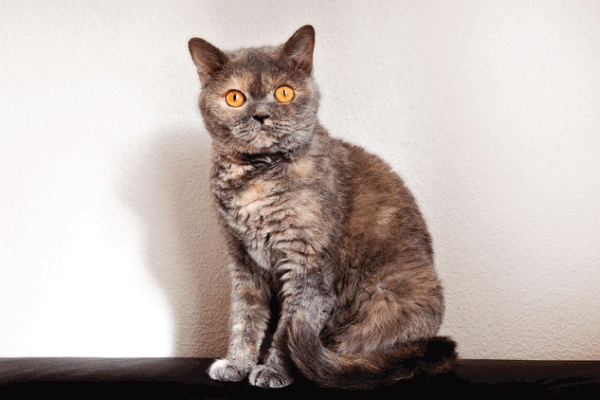
The domestic cat (Felis catus) is a magnificent example of evolutionary specialization, possessing a gastrointestinal (GIT) tract perfectly adapted to a singular, mandatory lifestyle: that of an obligate carnivore. Unlike omnivores or herbivores, the feline GIT is streamlined, robust, and highly efficient at processing large quantities of high-protein, nutrient-dense prey, demanding constant gluconeogenesis and rapid transit.
This comprehensive guide delves into the intricate architecture (anatomy and histology) and the complex physiological processes (functions) governing the feline digestive system, presenting an exhaustive exploration necessary to understand the unique metabolic demands of this species.
I. INTRODUCTION: THE OBLIGATE CARNIVORE’S DIGESTIVE MACHINE
The feline GIT is notably shorter relative to body size compared to an omnivore (like a dog) or a herbivore. This morphological adaptation reflects the cat’s need for fast digestion and minimal fermentation, reducing the time potential pathogens spend in the system.
A. Evolutionary Context and Metabolic Imperatives
The functionality of the feline GIT is dictated by three primary metabolic requirements:
- Taurine Dependence: Cats require a continuous external supply of taurine (an essential amino acid) for bile acid conjugation, a process crucial for fat emulsification.
- Lack of Adaptive Enzymes: Cats cannot efficiently downregulate enzymes required for protein metabolism (like liver transaminases and deaminases). This results in a persistent state of gluconeogenesis, constantly converting amino acids into glucose, regardless of dietary carbohydrate intake.
- Limited Carbohydrate Utilization: Cats possess low activity levels of key carbohydrate-digesting enzymes (e.g., salivary amylase is non-existent, and intestinal sucrase is minimal), affirming their reliance on fat and protein for energy.
B. Overview of the Gastrointestinal Tract Segments
The feline GIT is organized into a continuous tube, beginning at the mouth and terminating at the anus, traditionally divided into three functional areas:
| Segment | Primary Functions |
|---|---|
| Foregut (Oral Cavity, Pharynx, Esophagus, Stomach) | Acquisition, mechanical reduction, chemical denaturation (protein). |
| Midgut (Small Intestine: Duodenum, Jejunum, Ileum) | Primary chemical digestion, nearly all nutrient absorption. |
| Hindgut (Large Intestine: Cecum, Colon, Rectum) | Water and electrolyte absorption, fecal storage, limited microbial fermentation. |
II. GROSS ANATOMY AND ORGAN STRUCTURE
A. Oral Cavity and Pharynx: Initial Processing
The cat’s mouth is highly specialized for catching, tearing, and swallowing whole prey.
1. Teeth and Mastication
Cats possess 30 permanent teeth (or 26 deciduous). Mastication (chewing) is minimal, as the cat primarily uses its teeth for shearing flesh (via the specialized carnassial teeth—P4 upper, M1 lower) rather than grinding plant matter. The hinged jaw allows for powerful vertical chopping but limited horizontal grinding movement.
2. Salivary Glands
Saliva in the cat is produced by the parotid, mandibular, sublingual, and zygomatic glands. Critically, unlike omnivores, feline saliva lacks salivary amylase. Its primary role is lubrication (mucins) and taste reception, not chemical predigestion of carbohydrates.
3. Tongue
The feline tongue is covered in backward-pointing, keratinized papillae (filiform papillae), giving it a characteristic raspy texture. These structures are essential for grooming, assisting in cleaning meat from bones, and directing the food bolus toward the pharynx.
B. The Esophagus: Rapid Transit
The esophagus is a muscular tube responsible for the unidirectional transport of the bolus from the pharynx to the stomach via peristalsis.
1. Structure
Uniquely among common domestic species, the cat’s esophagus consists entirely of smooth muscle in the caudal two-thirds, while the cranial third is generally striated (skeletal) muscle. This anatomical distinction influences certain clinical presentations, specifically differentiating it from dogs, whose entire esophagus is striated muscle.
2. Function
The lower esophageal sphincter (LES) provides a muscular barrier to prevent reflux of acidic gastric contents back into the esophagus. The integrity of this sphincter is crucial, as the esophageal mucosa is non-glandular and highly susceptible to acid damage.
C. The Stomach: Denaturation and Storage
The cat’s stomach is a simple, J-shaped organ located in the cranial abdomen. Its primary roles are short-term storage, mechanical churning, and, most importantly, the initiation of protein digestion via hydrochloric acid (HCl).
1. Gross Regions
The stomach is divided into four main regions:
- Cardia: Small area surrounding the esophageal opening, primarily containing mucus-secreting cells.
- Fundus: The dome-shaped, non-glandular cranial portion that provides storage (particularly gaseous storage).
- Corpus (Body): The largest section, containing the bulk of the acid-secreting glands.
- Pylorus (Antrum and Canal): The caudal section that controls the rate of gastric emptying into the duodenum via the thick, muscular pyloric sphincter.
2. Gastric Function: Acid Production
Hydrochloric acid (HCl) is produced by the parietal cells in the gastric glands. HCl serves several vital functions:
- Denaturation: Unfolding complex proteins, making them susceptible to enzymatic attack.
- Activation: Converting the inactive zymogen pepsinogen (secreted by Chief cells) into activated pepsin.
- Sterilization: Killing most ingested bacteria and pathogens.
3. Gastric Motility
Gastric smooth muscle undergoes rhythmic contractions (peristalsis) that knead the contents, mixing them with gastric juices to form chyme. The rate of gastric emptying is tightly regulated by hormones (e.g., motilin, CCK) released by the duodenum, ensuring that the small intestine receives chyme at a manageable rate, optimized for the high fat and protein load typical of a cat’s diet.
D. The Small Intestine: The Primary Absorption Center
The small intestine is relatively short in the cat (approximately 1 to 1.5 meters) but possesses an enormous surface area due to intricate mucosal folding. This is the main site for chemical digestion and absorption.
The small intestine is subdivided into three segments:
1. Duodenum
The shortest segment, forming a C-shape around the head of the pancreas. It is the primary site of hormonal regulation and enzymatic introduction. The pancreatic duct (carrying digestive enzymes) and the common bile duct typically merge before entering the duodenum at the Major Duodenal Papilla.
- Function: Neutralization of acidic chyme (via bicarbonate from the pancreas and Brunner’s glands located in the submucosa) and initiation of fat emulsification (by bile).
2. Jejunum
The longest and most highly coiled portion, where the bulk of nutrient absorption occurs.
3. Ileum
The final, short segment that terminates at the ileocolic junction, connecting the small intestine to the large intestine. The ileocolic sphincter controls flow and prevents backflow of colonic microbial flora.
E. The Large Intestine: Water Homeostasis
The large intestine (cecum, colon, rectum) is responsible for processing indigestible residues, absorbing water and electrolytes, and housing the gut microbiome.
1. Cecum
In the cat, the cecum is a tiny, comma-shaped pouch arising at the ileocolic junction. Unlike the massive ceca of herbivores, the feline cecum is vestigial in function, reflecting the low necessity for microbial fermentation of complex plant fibers.
2. Colon
Divided into ascending, transverse, and descending segments. The cat’s colon is relatively simple and smooth (lacking the haustra found in many herbivores).
- Function: Massive reabsorption of water, contributing significantly to the cat’s remarkable ability to concentrate urine and conserve water (an adaptation for desert ancestry and low hydration from prey). Electrolyte (Na+, Cl-) absorption is also critical here.
3. Rectum and Anus
The rectum stores feces before elimination. The anus is controlled by the internal (smooth muscle, involuntary) and external (skeletal muscle, voluntary) anal sphincters.
III. ACCESSORY ORGANS OF DIGESTION
Accessory organs produce and secrete the critical chemical facilitators needed for digestion, without processing food themselves.
A. The Pancreas: Dual Functionality
The pancreas is an essential G-shaped organ nestled in the duodenal loop. It performs both endocrine (insulin/glucagon) and exocrine (digestive) functions.
1. Exocrine Secretions
The majority of the pancreas (acinar cells) produces the pancreatic juice, a potent mixture delivered to the duodenum:
- Bicarbonate: Highly alkaline solution crucial for neutralizing gastric acid.
- Enzymes:
- Proteases: Trypsinogen and Chymotrypsinogen (secreted as zymogens and activated in the duodenum by Enterokinase). Essential for breaking down proteins.
- Lipases: Pancreatic lipase, crucial for fat hydrolysis.
- Amylase: Pancreatic amylase is present but in significantly lower concentrations in the cat than in omnivores, reflecting the minor role of starch breakdown in the feline diet.
B. The Liver: The Metabolic Hub
The liver is the largest internal organ, responsible for metabolic processing of nearly all absorbed nutrients, detoxification, and bile production.
1. Bile Production and Conjugation
Bile is synthesized by hepatocytes. Its function is to emulsify large fat globules into smaller micelles, priming them for lipase action.
- Feline Specificity (Taurine): Cats must conjugate bile acids exclusively with the amino acid Taurine (forming taurocholic acid), whereas dogs and humans can also use Glycine. This absolute requirement makes dietary taurine essential for fat digestion and absorption in the cat.
2. Role in Glucose Homeostasis
Due to the obligate carnivorous metabolism, the feline liver is constantly engaged in hepatic gluconeogenesis (producing glucose from non-carbohydrate sources, primarily amino acids), even when glucose is available. This metabolic inflexibility makes cats highly susceptible to diet-induced glucose dysregulation (e.g., diabetes mellitus) if fed high-carbohydrate diets.
C. The Gallbladder
The gallbladder stores and concentrates bile produced by the liver, releasing it into the duodenum upon hormonal signaling (especially Cholecystokinin, CCK) when fatty chyme enters the small intestine.
IV. MICROSCOPIC ANATOMY (HISTOLOGY): THE FOUR LAYERS
The structure of the GIT wall is consistent throughout its length, comprised of four distinct layers (tunics), although the specific cellular composition varies significantly by region.
A. Mucosa (Innermost Layer)
The mucosa is specialized for secretion and absorption.
- Epithelium: Varies from stratified squamous (esophagus, protection) to simple columnar (stomach, small intestine, absorption/secretion).
- Lamina Propria: Connective tissue layer containing immune cells (MALT—Mucosa-Associated Lymphoid Tissue), capillaries, and lymphatic vessels (lacteals).
- Muscularis Mucosae: A thin layer of smooth muscle that wrinkles the epithelial layer, increasing surface area.
- Regional Specialization: In the small intestine, the mucosa forms villi (finger-like projections) covered in microvilli (the brush border), amplifying the absorptive surface area hundreds of times.
B. Submucosa
A dense layer of connective tissue, containing larger blood vessels, lymphatic vessels, and the Submucosal Plexus (Meissner’s Plexus), which controls secretions and local blood flow.
C. Muscularis Externa
The main contractile layer responsible for motility (peristalsis and segmentation). It typically consists of two thick layers of smooth muscle:
- Inner Circular Layer: Contraction narrows the lumen, propelling contents forward.
- Outer Longitudinal Layer: Contraction shortens the segment. Between these two layers lies the Myenteric Plexus (Auerbach’s Plexus), which coordinates the rhythmic contractions necessary for efficient transport.
D. Serosa (Outermost Layer)
A thin, protective layer of connective tissue (mesothelium) that lubricates the outer GI surface, allowing the organs to slide smoothly against one another within the abdominal cavity.
V. PHYSIOLOGY OF DIGESTION AND ABSORPTION
Digestion involves two concurrent processes: mechanical (motility) and chemical (enzyme action). These processes are tightly controlled by the Enteric Nervous System (ENS) and various gastrointestinal hormones.
A. Mechanical Digestion and Motility
1. Peristalsis
Wave-like rhythmic contractions of the Muscularis Externa (primarily longitudinal) that propel the contents forward.
2. Segmentation
Contractions of the inner circular muscle layer that churn and mix the chyme with digestive juices and maximize contact between the nutrient contents and the absorptive epithelium.
3. The Migrating Motor Complex (MMC)
During periods of fasting (inter-digestive period), the small intestine exhibits strong, sweeping peristaltic waves known as the MMC. This “housekeeping” function clears undigested residue (bone, fur, large fibers) and bacteria, preventing microbial overgrowth.
B. Chemical Digestion and Enzymatic Action
1. Protein Digestion
Initiated in the stomach by pepsin, the major breakdown occurs in the small intestine via pancreatic proteases (Trypsin, Chymotrypsin). Final breakdown into single amino acids or small peptides (di- and tripeptides) occurs via brush border peptidases. These are then actively transported into the enterocytes.
2. Fat Digestion (The Most Complex Process)
Fats (triglycerides) are challenging due to their hydrophobic nature.
- Emulsification: Bile acids (taurocholic acid) coat fat globules, increasing their surface area.
- Hydrolysis: Pancreatic lipase breaks triglycerides into monoglycerides and free fatty acids.
- Micelle Formation: These products combine with bile salts to form micelles, which ferry them across the unstirred water layer to the enterocyte membrane.
- Absorption and Processing: Inside the enterocyte, fats are re-esterified into triglycerides, packaged with proteins into large particles called Chylomicrons, and transported out of the cell via the lacteals (lymphatic vessels), bypassing the portal circulation initially.
3. Carbohydrate Digestion (Limited)
Due to low amylase and sucrase activity, starch digestion is marginal. Any limited breakdown is completed by brush-border enzymes (e.g., maltase, lactase) into monosaccharides (glucose, galactose, fructose), which are then absorbed via secondary active transport.
C. Hormonal Control of Digestion
The coordination of secretion and motility depends heavily on hormones released by enteroendocrine cells in the GIT mucosa:
| Hormone | Primary Source | Primary Function |
|---|---|---|
| Gastrin | G-cells (Pyloric Antrum) | Stimulates HCl secretion and gastric motility. |
| Secretin | S-cells (Duodenum) | Stimulates pancreatic bicarbonate and water secretion (neutralization). |
| Cholecystokinin (CCK) | I-cells (Duodenum, Jejunum) | Stimulates gallbladder contraction (bile release) and pancreatic enzyme secretion. Promotes satiety. |
| Gastric Inhibitory Peptide (GIP) | K-cells (Duodenum, Jejunum) | Inhibits gastric secretion and motility; stimulates insulin release. |
| Motilin | M-cells (Small Intestine) | Regulates the Migrating Motor Complex (MMC). |
VI. IMMUNE FUNCTION AND THE GUT MICROBIOME
The GIT is the largest interface between the body and the external environment, requiring sophisticated immune surveillance and protection.
A. Gut-Associated Lymphoid Tissue (GALT)
The GIT houses extensive immune structures collectively known as GALT, which accounts for up to 70% of the body’s immune cells.
- Peyer’s Patches: Aggregations of lymphoid nodules (especially prominent in the ileum). They sample antigens from the gut lumen and initiate immune responses, distinguishing between harmless food antigens and pathogenic invaders.
- Intraepithelial Lymphocytes (IELs): Immune cells strategically placed within the epithelial lining for rapid defense.
B. The Feline Gut Microbiome
The large intestine harbors a complex community of bacteria (the microbiome) that exists in a symbiotic relationship with the host.
- Feline Microbiota Profile: Compared to omnivores, the cat’s microbiota is less diverse and dominated by phyla (like Firmicutes and Bacteroidetes) adapted to high-protein substrates.
- Functions:
- Fermentation: The limited complex carbohydrates and indigestible fibers (e.g., pectin, cellulose) that reach the colon are fermented by bacteria, producing Short-Chain Fatty Acids (SCFAs)—primarily butyrate, acetate, and propionate.
- SCFA Importance: Butyrate is the primary fuel source for the colonic epithelial cells (colonocytes), maintaining mucosal health and integrity.
- Vitamin Synthesis: Synthesis of certain B vitamins and Vitamin K.
- Pathogen Exclusion: Competitive inhibition of harmful bacteria.
VII. UNIQUE FELINE METABOLIC AND ANATOMICAL ADAPTATIONS (SUMMARY OF OBLIGATE CARNIVORE SPECIALIZATION)
The following anatomical and physiological features collectively underscore the cat’s obligate carnivorous nature:
| Feature | Anatomical/Physiological Detail | Rationale/Clinical Significance |
|---|---|---|
| Taurine Conjugation | Absolute requirement for taurine in bile acid synthesis. | Essential for fat digestion. Deficiency causes retinal degeneration and dilated cardiomyopathy. |
| Gluconeogenesis | Constitutively high activity of hepatic enzymes (transaminases, urease cycle enzymes). | Catabolic state requires constant protein turnover to maintain blood glucose. High protein diet required (40-60% energy). |
| Small Intestine Length | Relatively short comparative length. | Rapid transit time (12–24 hours total GIT transit) limits bacterial overgrowth and fermentation. |
| Carbohydrate Metabolism | Near-absence of salivary amylase; low intestinal sucrase activity. | Inefficient utilization of starches and sugars; reliance on fat and protein for energy. |
| Arginine Requirement | Inability to synthesize sufficient arginine (critical for ammonia detoxification). | Arginine is essential. Deficiency can lead rapidly to life-threatening hyperammonemia (especially after a high protein load). |
| Vitamin A Synthesis | Inability to convert beta-carotene into active Vitamin A. | Preformed Vitamin A (retinol, found only in animal tissue) is essential. |
| Lactase Activity | Rapid decline of lactase after weaning. | Most adult cats are lactose intolerant. |
VIII. CLINICAL SIGNIFICANCE AND PATHOPHYSIOLOGY
Disorders of the feline GIT often stem from the delicate balance required by their specialized metabolism and the high sensitivity of their gut immune system.
A. Inflammatory Bowel Disease (IBD)
IBD is a common chronic condition resulting from an inappropriate, sustained immune response (GALT) to luminal antigens (food, bacteria) or a dysbiosis in the microbiome. Anatomically, IBD causes lymphocytic and plasma cell infiltration into the lamina propria, thickening the mucosal layers and impairing absorption, leading to vomiting, diarrhea, and weight loss.
B. Triaditis
A complex often seen in cats, involving simultaneous inflammation of three proximal organs that share ducts and anatomical space:
- Pancreatitis (inflammation of the pancreas).
- Cholangitis (inflammation of the bile ducts and liver).
- Inflammatory Bowel Disease (IBD) (inflammation of the duodenum/small intestine). The close proximity of the pancreatic and bile ducts entering the feline duodenum facilitates the simultaneous spread of inflammation and infection among these three systems.
C. Hepatic Lipidosis (Fatty Liver Disease)
When a cat undergoes anorexia (starvation or severe illness), the liver rapidly mobilizes body fat stores for energy. Due to the cat’s unique and inflexible metabolism, the liver’s capacity to package and export these fats is overwhelmed, causing massive intracellular accumulation of triglycerides (steatosis). This anatomical blockage leads to liver failure and is a severe complication of any underlying GIT issue that causes prolonged appetite suppression.
D. Megacolon
A syndrome characterized by chronic, irreversible dilatation of the colon, resulting in severe constipation and obstipation. Anatomically, this involves smooth muscle degeneration in the Muscularis Externa of the descending colon, leading to ineffective motility and fecal retention.
IX. CONCLUSION: A MASTERPIECE OF CARNIVORY
The sophisticated architecture and tightly regulated physiology of the feline gastrointestinal tract represent a masterful evolutionary adaptation. From the acid-denaturing powerhouse of the stomach to the taurine-dependent emulsification systems and the highly efficient, rapid absorption mechanisms of the small intestine, every anatomical and functional feature is geared toward the rapid processing of a high-protein, high-fat diet.
A full appreciation of the feline GIT—its short length, constant reliance on gluconeogenesis, absolute nutrient requirements, and high immunologic activity—is essential not only for veterinary medicine but also for ensuring optimal, species-appropriate nutritional management to maintain the health and vitality of Felis catus.
#FelineGIT #CatAnatomy #VeterinaryMedicine #ObligateCarnivore #CatHealthFacts #FelineDigestion #VetScience #CatNutrition #PetHealthGuide #FelisCatus #Taurine #CatPhysiology #VetTechLife #FelineIBD #Gastroenterology #DigestiveHealth #AnimalScience
Add comment